

If you’ve recently arrived from Ukraine, navigating a new banking system on top of everything else is a lot.
The good news is that ING offers a straightforward sign-up process for Ukrainians, with some flexibility in accepted ID. Here’s everything you need to know.
Why Ukrainians in the Netherlands need a Dutch bank account
If you’re a Ukrainian in the Netherlands who falls under the Temporary Protection Directive, you’ll receive leefgeld (a living allowance) from the municipality where you’re registered.
That money, which is intended to cover clothing, food, and a housing supplement if you’re staying with a host family, is paid directly into a bank account. However, having a Dutch bank account can make it easier to receive and manage this payment.
In addition to this, the National Bank of Ukraine has maintained various currency restrictions since the start of the war, including tightened limits on certain cross-border cash withdrawals and specific types of card payments abroad.
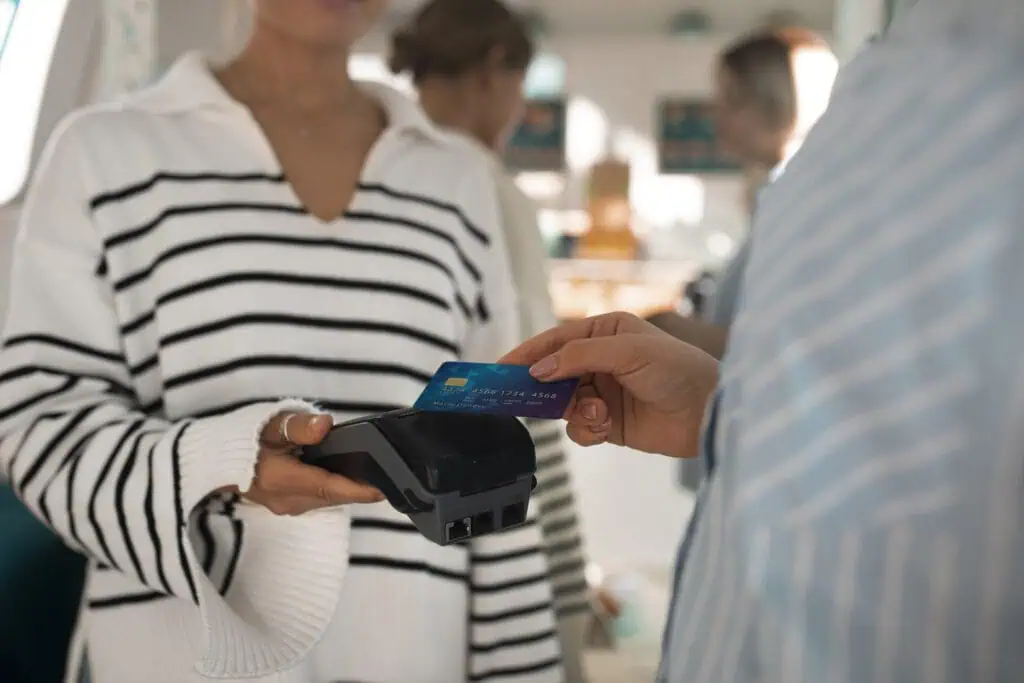
That means relying solely on your Ukrainian bank card for daily life in the Netherlands is not always straightforward, and may potentially be quite expensive.
In contrast, opening a Dutch bank account makes the adjustment process far more straightforward. Direct debits for rent, utilities, and subscriptions all run more smoothly with a Dutch IBAN, and everyday contactless payments are much less likely to run into issues.
If you’re eligible, the EU Temporary Protection Directive has you covered
If you’re a Ukrainian national who arrived in the Netherlands after the war began, you very likely qualify for protection under the EU Temporary Protection Directive (TPD).
This is an EU-wide policy that grants Ukrainians a set of rights in member states without going through a full asylum process.
Under this directive, the IND (Dutch immigration office) notes that Ukrainians in the Netherlands are entitled to accommodation, healthcare, education, the right to work, and access to financial services, which can include opening a bank account, subject to the requirements of the financial services provider.
(For the full list of rights, be sure to visit the official EU webpage on TPD obligations.)
Note: Do you fall under the Temporary Protection Directive, but are you not registered with your local municipality yet? You can make an appointment with the IND to arrange this.
What ING offers Ukrainians in the Netherlands
ING is one of the largest banks in the Netherlands and even has a dedicated page for Ukrainian refugees, outlining how to open an account as a Ukrainian national.
With certain Dutch banks, documentation can be a key barrier for newly arrived Ukrainians, as not everyone has a full set of paperwork in order when they first arrive. ING, on the other hand, accepts a range of identity documents for Ukrainian applicants.
Some of these may include:
- a valid English-language Ukrainian international passport (or one extended by the Ukrainian embassy), and
- a valid O-document (the temporary residence document issued by the IND to Ukrainians who don’t yet have standard identity papers).
In addition to this, ING also accepts a wider range of accommodation types as a registered address compared to some other banks. As long as you have a Dutch residential address registered with your municipality, you can generally proceed with your application.
How to open an ING account as a Ukrainian
The process is fairly straightforward; here’s a step-by-step guide of what to expect.
1. Gather your documents
As mentioned previously, you can use either a Ukrainian international passport or a valid O-document.
If you don’t yet have an O-document, you can make an appointment with the IND to apply for one.
Plus, you’ll also need a BSN (your Dutch citizen service number), which is issued when you register with your municipality. Some banks, like ING, also let you open an account without your BSN at the start — provided you submit your BSN within 90 days of creating your account.

2. Download the ING app or visit a branch
Not close to a brick-and-mortar bank office? No stress, because ING allows new customers to open a bank account via the ING app on a smartphone.
The app is available in English, which makes it more accessible if you aren’t yet comfortable reading Dutch.
If you’d prefer to open an account in person, ING also has branches across the Netherlands where you can complete the process face-to-face.
3. Choose your account type and payment package
Once you’re through the identity verification step, you’ll choose the right package for your needs. ING currently offers 4 betaalpakket (payment package) options.
How much does an ING bank account cost in the Netherlands?
ING’s account packages offer four options to choose from:
- ING Go from €4.00 per month, which is handy for those who want just the essentials for daily banking. You get a checking account, a debit card, and free euro cash withdrawals, with a €2,000 emergency cash limit abroad and the choice to add paper statements for a fee.
- ING More from €7.00 per month, which includes a credit card with 365-day purchase protection, 4 free cash deposits per year, and built-in 24/7 cyber incident protection. Your emergency cash limit increases to €5,000.
- ING Extra from €15.99 per month, which also includes emergency home assistance, a second account holder at no extra cost, and a +0.50% savings interest rate boost. You also get cyber and ATM threat protection.
- ING Max from €44.99 per month; you’ll get a personal financial plan with an advisor, comprehensive medical emergency and trip insurance, and a 1.00% interest rate boost to help grow your savings more securely.
All four include the ING app, a debit card, Apple Pay, Google Pay and Garmin Pay, payment request tools, and in-app features like Look Ahead and Insight to track your spending.
For most Ukrainians settling into daily life in the Netherlands, the Go or More plans will cover your essentials.
Are you a Ukrainian living in the Netherlands, or do you know someone who is? Drop a comment below with any questions or tips for navigating the banking process.
This article was sponsored by ING and written by DutchReview.