

You flick on the kettle, charge your laptop, and feel a small glow of smugness because your energy contract says “100% green.”
But is it actually green? The answer is a bit more complicated than the label suggests.
The short version: yes, you can absolutely get 100% green energy in the Netherlands. The longer version involves a bit of understanding before you switch.
First, a slightly awkward truth about electricity
Once power hits the grid, it’s all mixed. Wind, solar, gas, and nuclear are all jumbled into one big pool.
Nobody can physically send pure wind energy to your sockets unless you fancy building your own private grid.
So when a provider sells you “100% green,” they’re not piping you a special clean stream. They’re matching your usage through certificates.
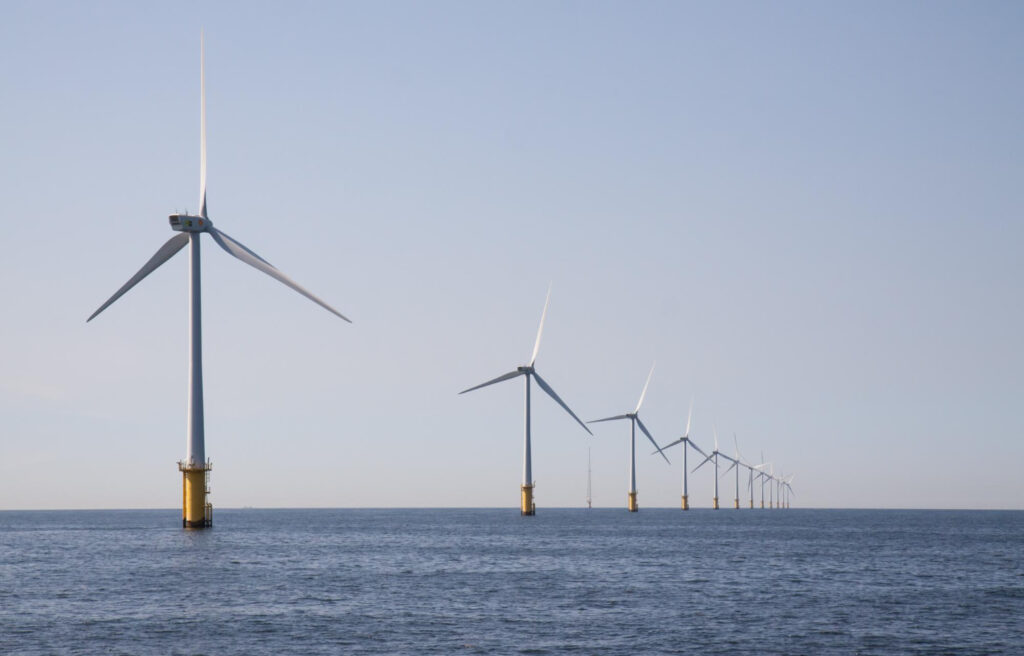
How “100% green” actually works
When a wind farm or solar park generates electricity, it earns a certificate called a Garantie van Oorsprong (GvO) or Guarantee of Origin.
In the Netherlands, these certificates are officially issued and monitored by VertiCer (a Dutch organisation responsible for certifying renewable energy and biomass).
One certificate represents 1,000 kWh of green electricity, with details on where and how it was produced.
When you sign a green contract, your supplier redeems enough of these certificates to match what you use over the year.
It’s a tracking system, not a separate set of wires. But it does mean your money supports renewable generation — which is the point, really.
☀️ Looking for a green energy provider? Vattenfall supplies electricity backed by Guarantees of Origin and is committed to a future where we’re less dependent on the use of fossil fuels for energy. It’s a straightforward option if you want to power your home more sustainably without the admin headache. Check out Vattenfall’s energy plans.
Not all green is equally green
Here’s where the fine print matters. Some suppliers buy cheap certificates from foreign hydropower plants without investing a cent in new Dutch renewables. Others actually build local wind and solar.
To tell them apart, check the Stroomscore, an independent ranking from groups like the Consumentenbond and Natuur & Milieu that scores providers on where their energy comes from and whether they invest in new green production.
The greenest pick? Look for “100% Dutch wind or solar” rather than a vague mix.

What about gas?
If your home runs on gas — and most Dutch homes still do — “green gas” gets trickier.
Truly green gas
Genuinely green gas (groen gas) is biogas made from organic waste, but it’s still a developing market.
CO2-compensated gas
Much of what’s sold as “green” is actually natural gas, where the supplier offsets the emissions through projects like tree planting. Better than nothing, but not the same as renewable.
So, how do I actually get green energy?
Switching your supply takes less than 10 minutes online. Let’s run through it:
- Check the Stroomscore for various providers: See which Dutch providers score closest to a perfect 10.
- Filter for Dutch sources: Use a comparison site and check the filters for “100% Dutch wind” (Nederlandse wind) or “Dutch solar” (Nederlandse zon).
- Sign up online: Once you select a green tariff, enter your address and estimated annual usage (found on your current smart meter or previous utility bill).
- Let your provider handle the transition: Your new supplier will cancel your old contract automatically. All you need to do is submit your final meter readings on the day of the switch if you do not have a smart meter.
Have you switched to a green energy contract yet, or are you holding out for solar panels? Drop your experiences in the comments below.
Good explanation of how “100% green energy” actually works in the Netherlands. I didn’t realize it’s based on Guarantees of Origin rather than a separate physical supply of electricity. The breakdown about how wind and solar power are mixed in the grid but matched later with certificates makes it much clearer. I also found it helpful that not all green energy is equal, especially when some providers invest in local Dutch wind and solar while others just buy foreign certificates. The Stroomscore tip is really useful for comparing providers. Overall, it’s interesting how small choices, like checking your energy plan or even your bonuskaart -style benefits, can make a difference in supporting real renewable energy.