

Municipal elections in the Netherlands might not spark TikTok-level hype, but for expats, they’re often the only elections where your voice actually counts. So don’t miss out!
Dutch residents vote for their local council every four years.
And here’s the thing: you don’t need Dutch citizenship to vote; being registered with the municipality is enough.
So if you’re an international living here and want to wield your voting power, this guide on the 2026 municipal elections is for you.
The following roadmap outlines what the elections are, who can vote, how they work, and what’s at stake — with a special focus on Amsterdam, where the next elections are on the 18th of March, 2026.
What are municipal elections in the Netherlands?
Municipal elections (gemeenteraadsverkiezingen) decide who sits on your local council (gemeenteraad).

This council is the city’s highest decision-making body. It sets local policies, controls the budget, and keeps the alderpersons and the mayor in check.
Municipal elections decide who makes decisions on housing, transport, bins, and much more that affect your day-to-day life in the municipality you’re living in.
These elections happen every four years, and each municipality runs them separately.
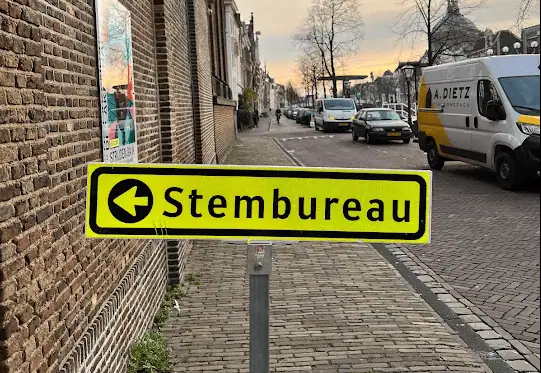
While they are all generally scheduled on the same day, it’s important to check your municipality’s website for more specific information, as locations and times can vary.
This is important: issues, parties, and candidates can vary widely from city to city.
Unlike national elections (which tend to focus on big-picture policies and lengthy coalition negotiations), municipal elections are actually refreshingly practical, especially for internationals. Local councils actually decide on policies that shape everyday life.

Think: housing developments, parking permits, cycle lanes, rubbish collection, local taxes, and how neighbourhood budgets get spent.
Why municipal elections actually matter for expats
Even if you can’t vote in Dutch national elections, municipal elections give you a valuable say in how your city works.
In cities with large international populations, such as Amsterdam, expat voters can genuinely influence outcomes.
Voting also sends a signal. It shows local politicians that internationals are engaged, paying attention, and deserve to be addressed in municipal policy discussions.
In short, if you live here, pay taxes here, and build a life here, municipal elections allow you to give input on elements that can greatly affect your quality of life.
Who can vote in Dutch municipal elections?
Mind-blowing PSA: You do not need Dutch nationality to vote in municipal elections.
The basic requirements
To vote, you must:
- Be 18 or older
- Be officially registered as a resident in a Dutch municipality
- Live in the Netherlands legally
If you meet those conditions, your eligibility depends on your nationality.
Dutch citizens:
Dutch nationals can always vote in municipal elections, as long as they’re registered at a Dutch address.
EU citizens:
If you’re an EU citizen living in the Netherlands, you can vote in municipal elections without a minimum residence period.
As soon as you’re registered in the BRP (municipal population register), you’re eligible.
Non-EU citizens:
Non-EU expats can vote in municipal elections if they’ve legally lived in the Netherlands for at least five consecutive years and have been continuously registered during that period.
This applies to many long-term residents, including those on work or family permits.
One important caveat! You must be registered in the municipality by the official cut-off date. If you move shortly before the elections, it can affect where—or whether—you can vote. Don’t disenfranchise yourself accidentally, guys. We’re better than that.
How voting works in practice
If you’re eligible, voting is straightforward.
Your voter pass (stempas)
You’ll receive a voter pass by post around two weeks before election day. This is sent automatically by postal mail to your house — you don’t need to register separately.
If it doesn’t arrive, you can request a replacement from your municipality.
What to bring
On election day, you need your voter pass and a valid ID (passport, residence permit, or Dutch driving licence). Your ID can be expired, as long as it expired less than five years ago.
Where and when to vote
Polling stations are usually open from 07:30 to 21:00. You can vote at any polling station within your municipality.
Can’t make it yourself?
You can authorise someone else to vote on your behalf by proxy. This is common and well-regulated.
Who are you voting for?
In municipal elections, you vote for political parties and candidates who will form the municipal council (that’s the one that decides that wildly important local policy, remember?).
Seats are distributed through proportional representation. This means even smaller parties can win seats if they receive enough votes.
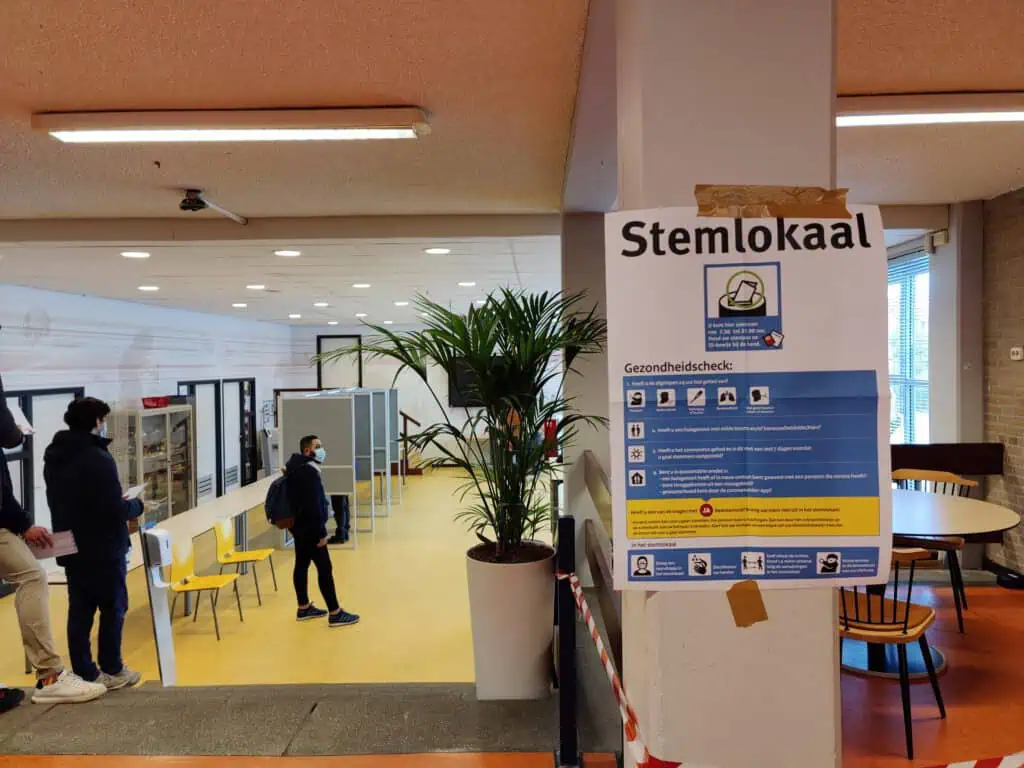
In larger cities (like Amsterdam), voters may also vote for district or neighbourhood committees. These bodies advise the municipality and help decide how local budgets are spent.
The composition of the council influences who becomes an alderperson and which policies get prioritised.
So really, it’s a very important election, and your vote certainly has the power to change things. In practice, you’re shaping local coalitions and determining how your city is governed for the next four years.
Municipal elections in Amsterdam — what expats should know
Now, let’s get into a more practical example: Amsterdam’s 2026 municipal election (on March 18, remember? Write it down, guys.)
Amsterdam has one of the most international electorates in the Netherlands, which makes this municipality’s elections especially relevant for expats.
Who runs the city?
Amsterdam has a 45-seat city council, an executive board with the mayor and alderpersons, and district committees (bestuurscommissies) across the city.
Can expats vote in Amsterdam?
Yes — if you meet the national eligibility rules and are registered in Amsterdam, you can vote here.
This includes EU citizens and non-EU residents who’ve lived in the Netherlands for five years or more.
As previously mentioned, Amsterdam residents also vote for district committees. This vote actually has more lenient eligibility rules.
For district committee votes, you can vote from the age of 16. Non-EU residents still need to have been registered for five years.
Issues that matter locally
Amsterdam municipal elections often focus on housing shortages and rent regulation, cycling and public transport infrastructure, sustainability and climate measures, and tourism pressure versus neighbourhood liveability.
Local parties and city-specific lists play a big role, so national party positions don’t always tell the full story.
What’s on the docket this time, and who’s running?
Municipal candidate lists are submitted to the city election office on February 2, 2026, and are then the definitive source for who is running.
Here’s the run-down on this year’s lists:
First, there’s the D66 candidate list, led by Melanie van der Horst. In line with the party’s national goals, these candidates are focused on issues like housing mobility and inclusive governance.
There’s also information available for the lists of GroenLinks, VVD, and PvdA. The goals of their candidates generally reflect the larger ideological stances of each party, but, of course, things can still vary candidate to candidate.
While these are the parties most represented in Amsterdam, don’t forget that there are others, too!
- Volt Amsterdam
- SP Amsterdam (Socialist Party)
- CDA Amsterdam (Christian Democratic Appeal)
- 1wereld1toekomst
While each party frames the municipality’s issues differently, the general topics include affordable housing, sustainability, public transport, urban planning, local economy, and resident safety.
The best thing to do before the election is to familiarise yourself with the candidates of your preferred party and vote based on their focus, credentials, and ideals.
How to prepare before election day
Before voting, it helps to check your polling station location, read party programmes (especially local ones), and look at candidate lists rather than just party names.
If you feel really lost, don’t fret: there are lots of resources to help you figure out who gets your vote (for instance, this stemwijzer from ProDemos).
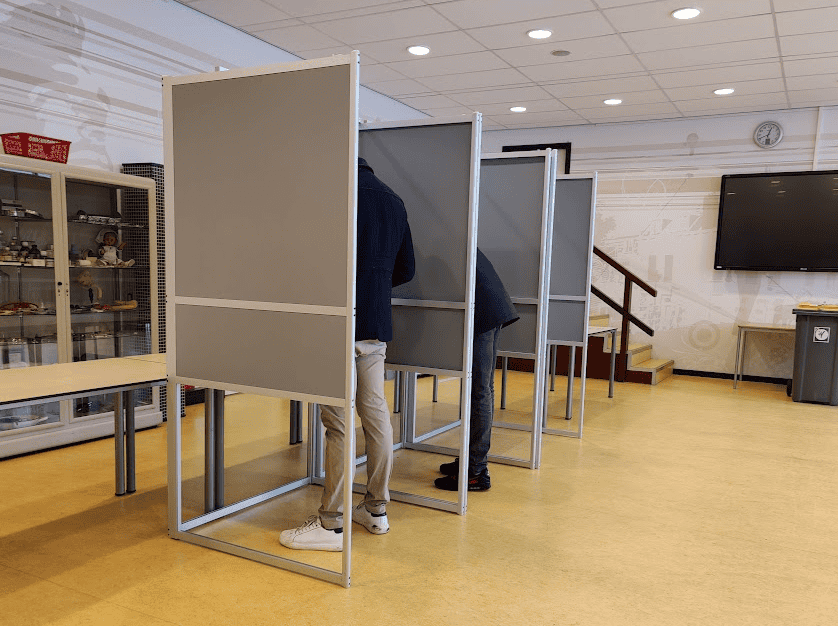
Many municipalities also organise debates or publish voter guides. Even a quick skim can help you vote more confidently.
What happens after the elections?
Once votes are counted, parties negotiate to form a governing coalition, just like on the national level.
This process can take weeks, especially in fragmented councils. Once a coalition is agreed, alderpersons are appointed, and policy plans are finalised.
Your vote helps decide which voices are at the table during those negotiations.
Voting in Dutch municipal elections as an international: Frequently asked questions
Can I vote if I just moved to the Netherlands?
Only if you’re registered by the cut-off date and meet nationality requirements:
- +18 years of age,
- Not legally barred from voting in your home country or in the Netherlands,
- Citizen of the European Union, or
- A non-EU citizen living in the Netherlands for at least 5 years with a valid residence permit.
Can I vote from abroad?
You can only vote in municipal elections if you are still officially registered as living in the Netherlands.
Do I need to speak Dutch to vote?
No. Ballots are in Dutch, but assistance is available at polling stations.
Do municipal elections affect national politics?
Indirectly. Results often influence national party strategies and leadership debates.
Where can I find more information about the elections?
Kiesraad’s website (the Electoral Council) is a great source for election details.
Additionally, as rules may vary slightly by municipality, it’s always best to check your local council’s election page for the most up-to-date information.
What are you waiting for? Have your say on March 18, 2026 — your voice in local politics starts here.