

So, you’ve landed in the Netherlands; a small country with a big reputation as an international business hub.
From global giants in finance and tech to thriving startups, it’s no secret that Dutch offices are some of the most multilingual in Europe.
But if you’re thinking of working here, knowing just one language might not cut it.
Employers love candidates who can switch easily between cultures and languages. After all, multilingual professionals bring more than just words — they bring perspective, adaptability, and a global mindset.
Let’s take a look at which European languages will give you a real edge in the Dutch job market.
Ready to find a job in the Netherlands that matches the language(s) you speak? That’s Undutchables’ speciality! Undutchables is a premier recruitment company that matches internationals with jobs in the Netherlands. Want to find your next job? See vacancies in your language.
English: the universal workplace language
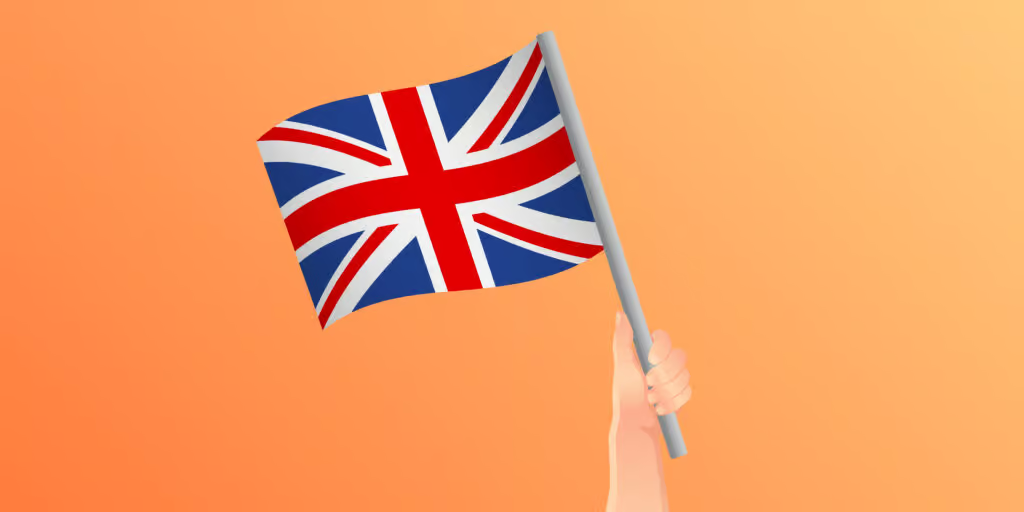
English is, without question, the Netherlands’ unofficial second language. You’ll hear it in boardrooms, cafés, and even government meetings.
In fact, the Netherlands consistently ranks among the top countries in the world for English fluency, with almost 90% of Dutch people speaking it comfortably.
That means plenty of jobs require only English, especially in international companies. Roles in tech, finance, marketing, and customer service often operate entirely in English, with teams made up of people from across the globe.
So if you’re fluent, you’re already off to a great start. But adding another European language to your toolkit can make you stand out even more.
German: high demand in sales and support
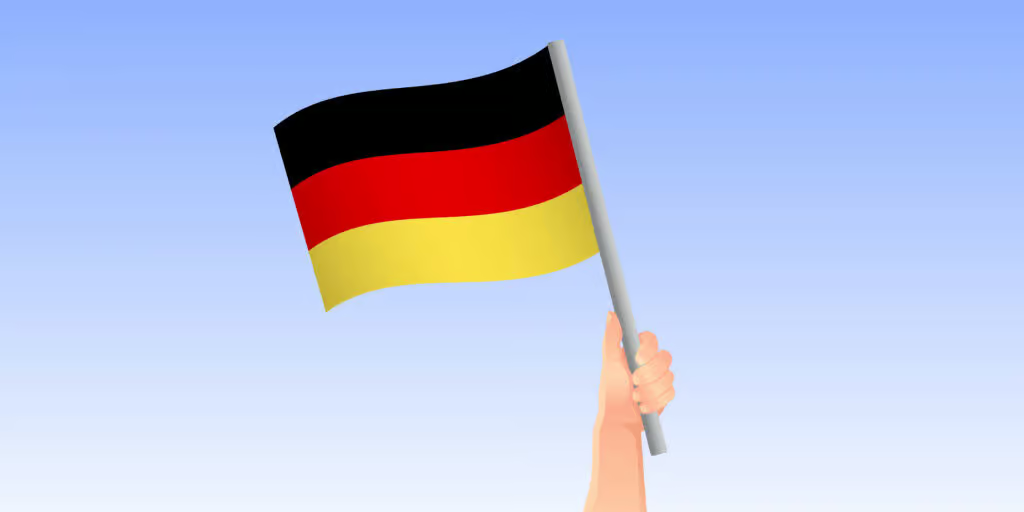
It’s no surprise that German is one of the most valuable languages in the Dutch job market. Germany is the Netherlands’ biggest trading partner, and companies on both sides of the border rely on close collaboration.
If you speak German, you’ll find opportunities in sales, account management, logistics, and customer support.
Many firms look for people who can communicate directly with German clients — and they’re often willing to pay a little extra for that skill.
French: essential for pan-European businesses
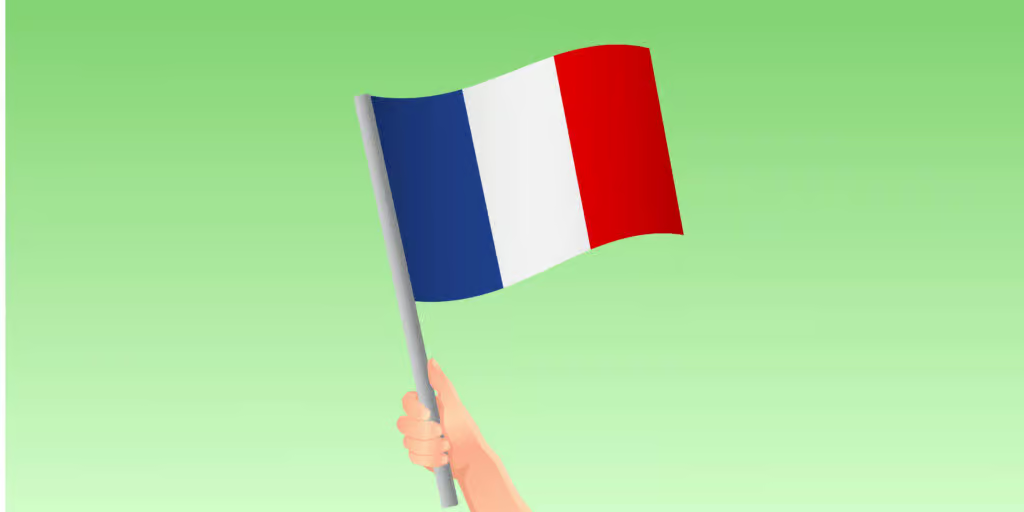
Another major European player? France. French speakers are in high demand across international trade, marketing, and finance.
Many Dutch-based companies coordinate operations across Europe, and having French-speaking employees helps bridge the gap with partners and customers in Belgium, France, and Luxembourg.
Plus, French is spoken across the globe, so there are even more opportunities!
If you can pitch a product, negotiate a deal, or manage accounts in French, you’ll be an asset to any cross-border team.
Nordic languages: rare but lucrative
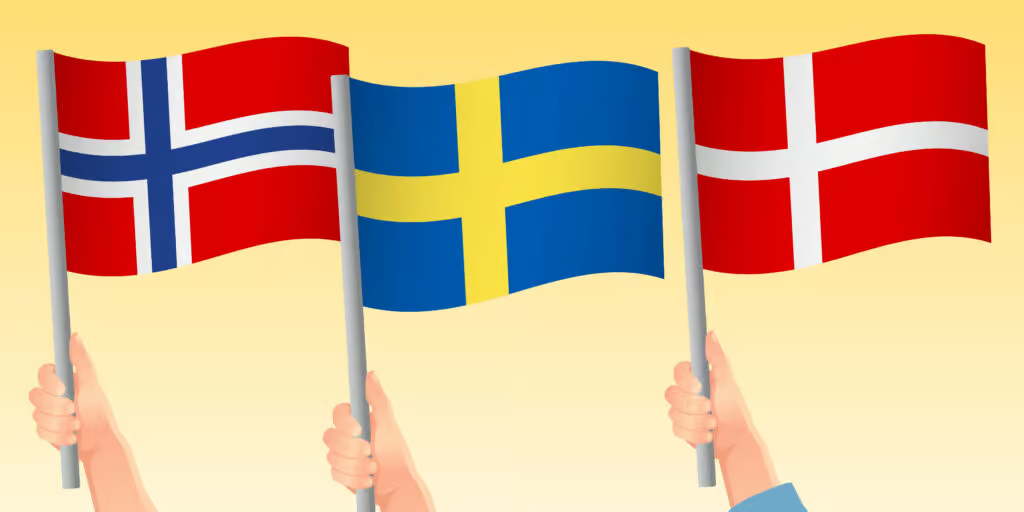
Swedish, Danish, Norwegian — they may not be widely spoken in the Netherlands, but that’s exactly why they’re so valuable.
Native or fluent speakers of Nordic languages are rare in the Netherlands, making them highly sought after by international firms operating in Northern Europe.
Roles often involve customer relations, account management, or technical support, and salaries can be especially competitive.
If you happen to speak one of these languages, your niche skill set could make you a top candidate overnight.
Spanish, Polish, and Italian: growing opportunities
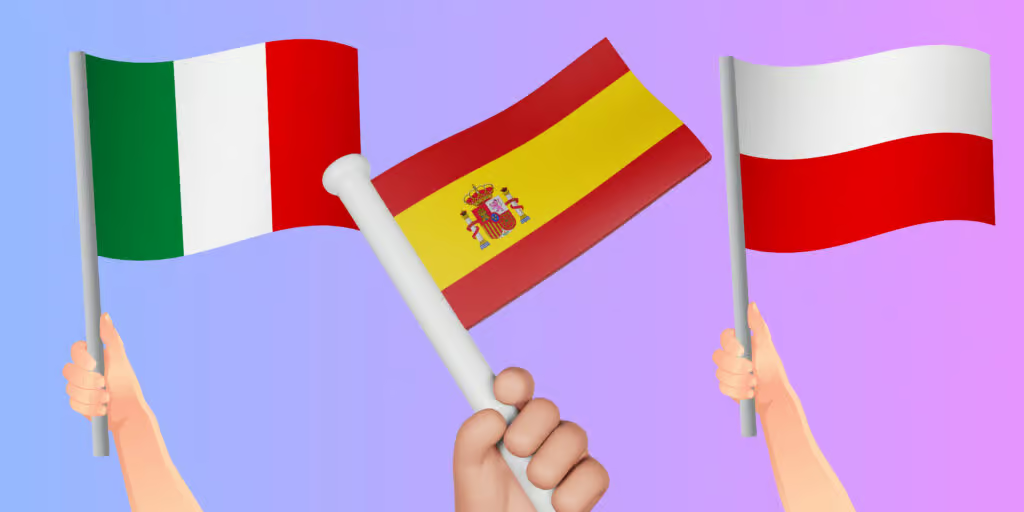
Spanish is gaining traction, especially in tourism, sales, and multinational corporations.
With Spain’s strong ties to global business and travel, companies in the Netherlands often need Spanish-speaking professionals to support international customers.
Polish is another language on the rise, thanks to growing migration and cross-border trade. Employers in logistics, construction, and services increasingly value people who can communicate with Polish partners and workers.
And Italian? It’s in steady demand too, particularly in trade, fashion, and manufacturing. Italian speakers often work with design-oriented or luxury brands that have deep roots in the Netherlands.
These languages may not be rare, but they’re certainly versatile.
Tips for multilingual job seekers
If you’re job-hunting in the Netherlands, your language skills can make all the difference. Combine them with solid professional experience, and you’ll become a dream hire.
Here are a few ways to make your multilingual background shine:
- List all your languages clearly on your CV. Include your fluency level and any official certifications (like CEFR or IELTS).
- Tailor your job applications to highlight where your language skills match the company’s markets or clients.
- Show your practical experience. Use examples of when you’ve used your languages at work — for instance, managing international accounts or translating content.
- Keep learning. Adding one more European language (or brushing up on your Dutch) can make you stand out even more.
- Network in multiple languages. Attend meetups or industry events and connect with expats and locals alike.
And the best tip? Head straight to a recruitment agency that specialises in finding jobs for people who speak different languages, like Undutchables. You can search for jobs in your target language and find your dream job in the Netherlands.
In the Netherlands’ global job market, multilingualism isn’t just a nice extra — it’s a career advantage.
Whether you’re fluent in English or one of Europe’s rarer languages, speaking more than one tongue shows that you can bridge worlds and build connections.
So are you ready? Go and get that Dutch job!
What languages do you speak that you think might help you get a Dutch job? Share in the comments below!