
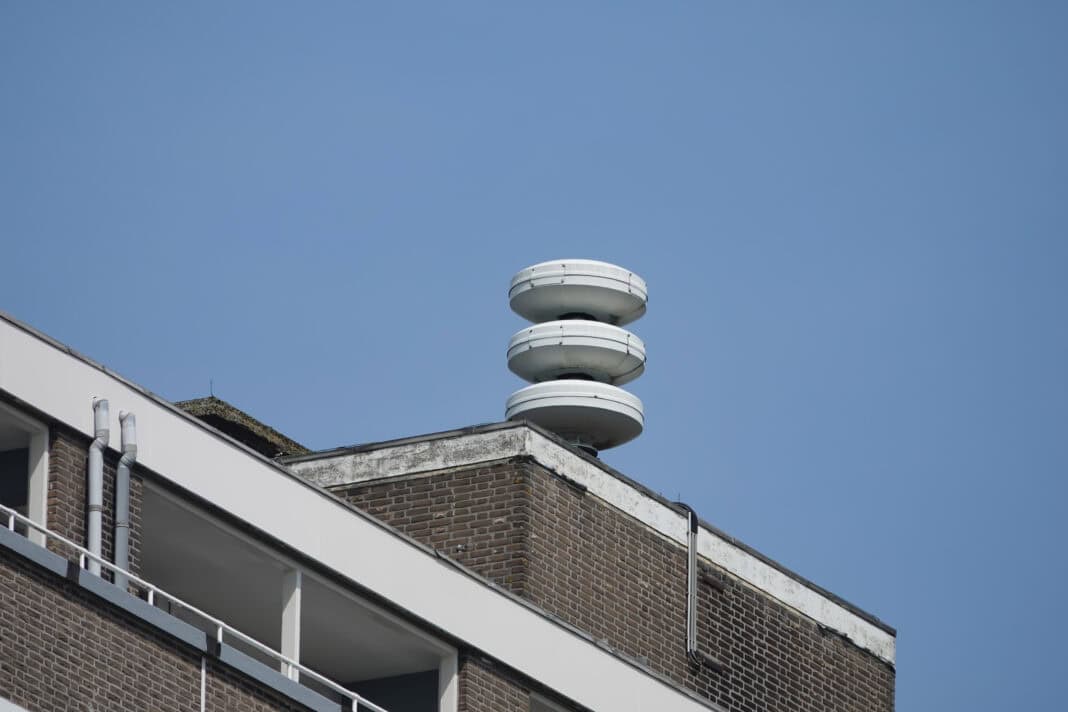

The Dutch government has hit reverse on its plan to scrap the luchtalarm (air raid alarm) network, and is now building a new, modernised system co-funded by the Ministry of Defence.
Just weeks ago, Minister of Justice and Security David van Weel told parliament the sirens would be switched off for good in January 2028, as there was simply no money to replace them. Then came backlash. And more backlash.
Now, in a new letter to parliament, he’s changed course entirely: the sirens are staying, getting an upgrade, and the Ministry of Defence is helping to foot the bill.
Are the monthly siren tests still happening?
Due to the governmental U-turn, nothing changes for now. The test still sounds on the first Monday of every month at noon; that’s routine, not an emergency.
READ MORE | Monthly alarm sirens in the Netherlands: what you need to know
If you hear the sirens at any other time, treat it as a real emergency. Go inside, close your doors and windows, and check NL-Alert on your phone for updates.
@uniofgroningen 🚨WHY IS THE SKY YELLING??? oh nvm it’s just Monday🇳🇱 Every first Monday @ 12pm the Netherlands hits you with a mini✨1 min 26 sec panic attack✨ This test is done to make sure everything is working properly! It’s a test unless it’s NOT Monday noon. Then… you need to find a safe place, turn on the news, and do as the emergency response services say! (No sirens on public holidays cuz even chaos needs time off) #fyp #foryou #viral #comedy #rijksuniversiteitgroningen #universityofgroningen #RUG #UG2025 #sirens #monday
♬ origineel geluid – AllesAcount

So, what’s the new warning system going to look like?
The existing network of around 4,200 siren poles will be replaced, according to parliament, rather than simply maintained.
This is because the current setup has one major flaw: to trigger the sirens, someone has to press a button separately in each of the country’s safety regions, which costs precious time in an emergency.
The new system will be triggered by a single national button, linked directly to a Defence detection system.
In addition to this, new sound signals will be added alongside the existing tone, though these details are still being finalised.
Will NL-Alert be replaced?
Fortunately, NL-Alert (AKA that loud, buzzing alert sent straight to your mobile phone) will stay as a warning tool for crises and disasters.
Instead of replacing NL-Alert, the new siren network will sit alongside it as a backup. This way, if your phone battery is dead, the power is out, or the mobile network goes down, you’ll still have access to a nationwide warning system.

Plus, for older residents, people with low literacy, and internationals still learning Dutch, a text-based alert in Dutch is also far harder to act on quickly.
Why is the Dutch military now involved in civilian emergency alerts?
Previous debates about the sirens focused on cost and coverage. This time, Van Weel’s letter takes a harder line.
While NL-Alert may hold up “in peacetime,” relying on it alone is a liability “in a scenario of serious hybrid and military threats.”
Tying the siren network to a military detection system means a confirmed threat triggers the civilian warning chain instantly, without waiting for regional operators to respond.
This also means that no new funding is needed, as the costs fall within the existing budgets of both the Justice and Security Ministry and the Defence Ministry.
How do you feel about the Netherlands keeping its iconic monthly sirens? Share your thoughts in the comments.