
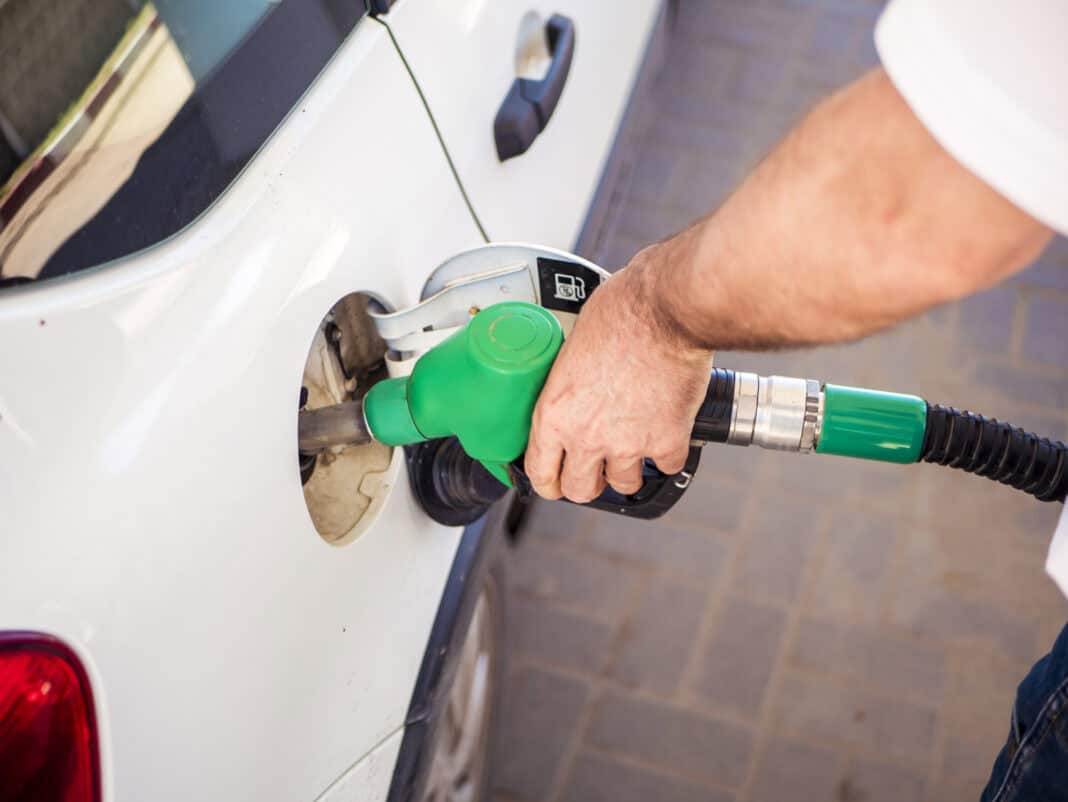
The ongoing US-Iran war is expected to push petrol to €2.82 per litre this summer and add up to €40 a month to energy bills.
If filling up the car already stings, brace yourself for more bad news.
A quarterly report from Rabobank’s economic research arm, RaboResearch, published June 3, spells out what conflict in the Strait of Hormuz means for Dutch household finances.
The short version? Petrol prices are getting higher this summer, energy bills will rise sharply in autumn when contracts renew, and by next year, most Dutch households are expected to feel genuinely poorer.
Petrol prices could rise to €2.82 per litre
RaboResearch expects the oil price to peak at a whopping $135 per barrel in August and gas prices to rise to €76 per megawatt-hour by the end of this year.
In consumer terms, this means you could end up paying approximately €2.82 per litre during the summer peak.
Given that the current recommended retail price for petrol sits around €2.52 per litre, we could be looking at a roughly 12% increase.
Tip: Try hopping over the border to tank up, as Belgian and German pump prices are lower right now. In Belgium, you could save around €25–30 per tank.
But why are petrol prices currently going crazy? The answer, according to ABN Amro researchers, lies in how long the Strait of Hormuz has been closed.
At present, the global economy is receiving around 15 million fewer barrels of oil per day than before the conflict broke out.
Even if a deal is struck tomorrow and the strait reopens, it takes time for oil to move through pipelines, fill tankers, cross oceans, and reach refineries. This means that energy prices are likely to stay well above pre-war levels for the coming year.
What about energy bills?
The petrol price hits you immediately, but your gas and electricity bill takes longer to catch up, as it depends on when your contract renews.

RaboResearch calculates that a new average household energy contract (covering typical gas and electricity use) could cost around €270 per month by autumn.
That’s a hefty increase from the average of €230 we’re currently paying and translates to an extra €40 per month for anyone signing or renewing an energy contract.
Tip: Check when your energy contract renews. If it’s coming up in the next few months, it’s worth comparing fixed-rate options before wholesale gas prices climb even further.
RaboResearch also expects gas prices to rise to around €76 per megawatt-hour by the end of the year. This is the wholesale price that eventually decides what households pay, so if you’re on a flexible energy contract, that’s the figure to watch.
Will the Netherlands go into recession?
Fortunately, experts confirm that we’re unlikely to fall into a full-blown recession.
But don’t celebrate just yet, because RaboResearch confirms that Dutch economic growth is far lower than forecast: the economy will grow by 1.0% this year and 0.8% in 2027.

They stress that the biggest concern for most households right now isn’t the possibility of a recession, but a loss of purchasing power.
ING surveyed tens of thousands of its customers in late March and April and found that 59% of Dutch households plan to cut their spending, mostly on restaurants, holidays, and leisure activities.
In addition, more than eight in ten people surveyed expect higher fuel prices to last at least another three months. More than a third say they expect actually to have to cut back significantly or face real financial difficulty.
ING also notes that lower-income households are hardest hit, since they tend to have less savings to cushion the blow. Typically, they also spend a higher share of their income on energy and fuel.
Want to make sure DutchReview pops up on your news feed more often? Just add us as a preferred news provider, and we’ll handle the rest.