
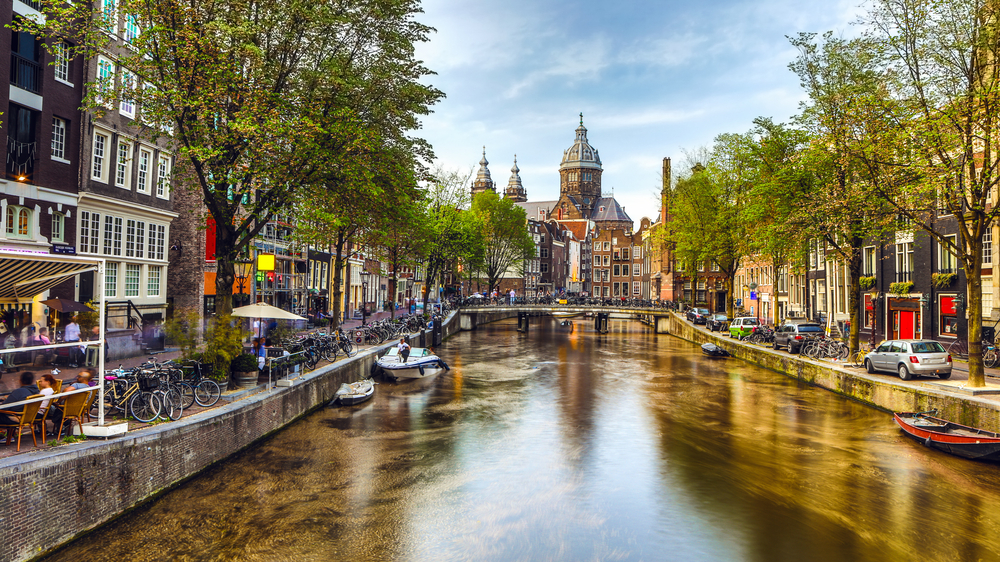

You’d think a wealthy, densely populated country like the Netherlands would be bristling with skyscrapers.
Instead, the Dutch skyline looks more like a collection of well-behaved brick buildings having a polite conversation.
Stroll through Amsterdam or Utrecht, and the tallest thing you’ll see is probably a church tower from the 14th century.
It’s not for lack of money or ambition. So what are the Dutchies’ reasons for keeping things grounded?
The soil situation is absolutely bonkers
Most of the Netherlands is built on soft clay, peat, and sand that’s about as stable as a wobbly Amsterdam canal house after a few too many drinks.
For centuries, the Dutch have solved this problem by ramming wooden poles deep into the ground until they hit something solid.

Amsterdam alone has thousands of buildings perched on these timber stilts, some dating back hundreds of years.
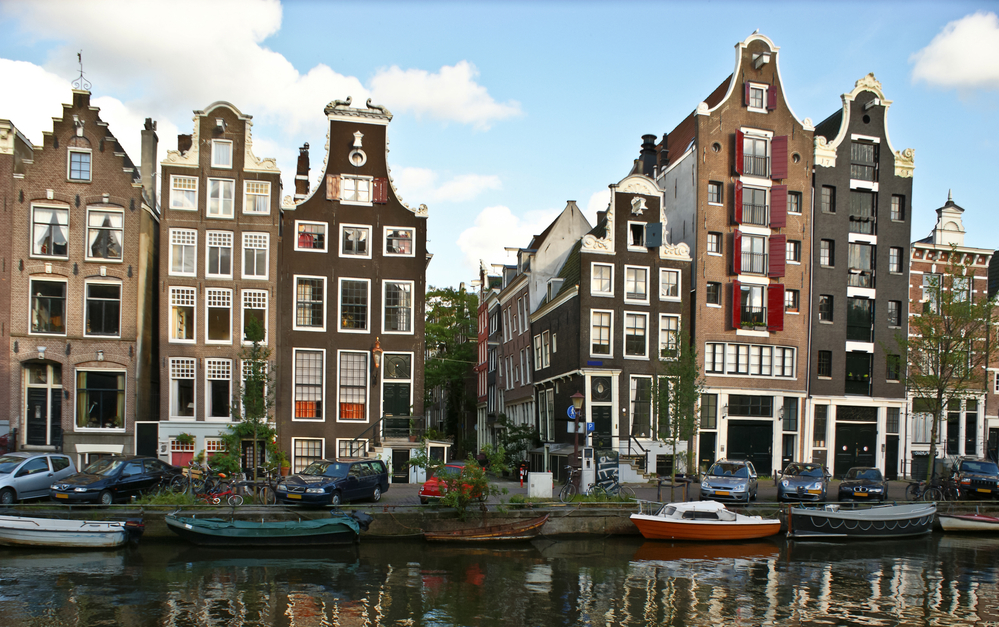
While building cute canal houses on a forest of chopsticks somehow works, the same cannot be said for a 50-storey tower.
According to TNO research, around 425,000 Dutch buildings already face foundation problems, with an estimated repair bill of €20-30 billion by 2050.
Modern skyscrapers need foundations that go incredibly deep, but in the Netherlands, you might have to drill through 30 metres of mush before hitting anything resembling solid ground. That’s expensive, risky, and frankly, a bit mad.
Schiphol has a say in things
Here’s another reason: one of Europe’s busiest airports sits below sea level and doesn’t want tall buildings getting in the way of its planes.
Schiphol Airport handles over 66 million passengers annually, and its flight paths create invisible height restrictions across large chunks of the Netherlands.

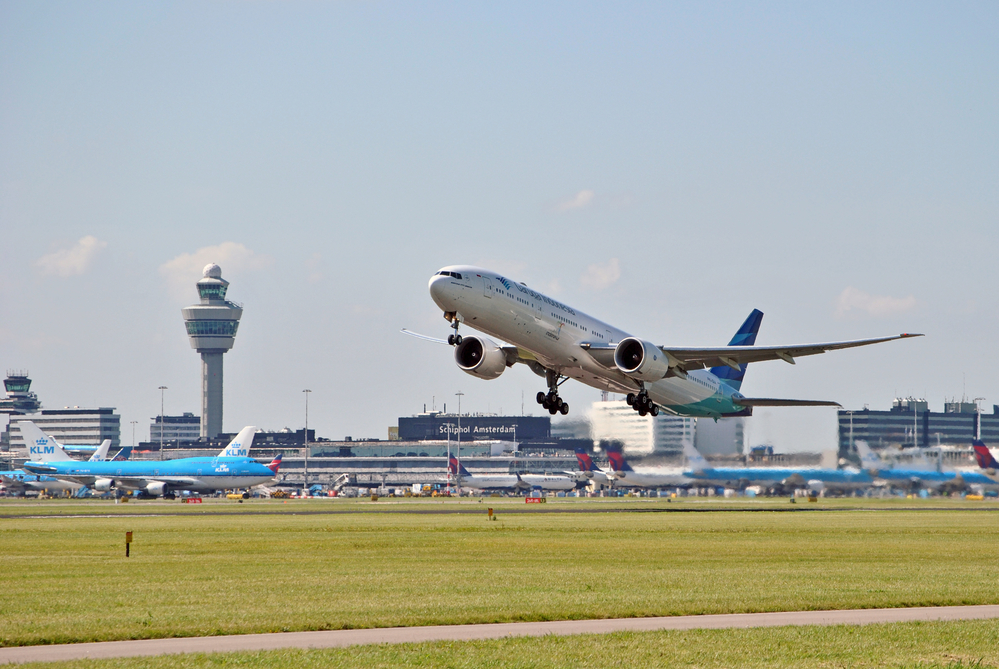
Aviation regulations mean that in many areas, especially around Amsterdam, there are strict limits on how tall buildings can be.
It’s ironic that an airport sitting in what used to be a lake is telling everyone else they can’t build high. But that’s aviation law, we guess.
Heritage preservation is serious business
The Dutch take their historical buildings very seriously, and with good reason.
Amsterdam alone has over 9,000 listed monuments, and the Canal Ring is a UNESCO World Heritage site.
Dutch cities learned from Brussels’ mistakes in the 1960s and 1970s, when rapid modernisation destroyed much of the Belgian capital’s historical character, a phenomenon now known as “Brusselisation.”
Seeing what happened in Belgium, the Netherlands decided it quite liked its narrow canal houses and charming brick architecture.
Height restrictions in historic city centres aren’t just suggestions, they’re law. In most desirable urban areas, where skyscrapers would make the most economic sense, they’re simply not allowed.
The Dutch are practical, not flashy
There’s something fundamentally Dutch about asking “why build up when you can build out?”
The Netherlands has been creating land from nothing for centuries, so when they need more space, they don’t necessarily think vertical.
The Dutch approach to urban planning prioritises liveability. Wide bike paths, neighbourhoods made for humans, and buildings that don’t block out the (already limited) sunlight simply make more sense.
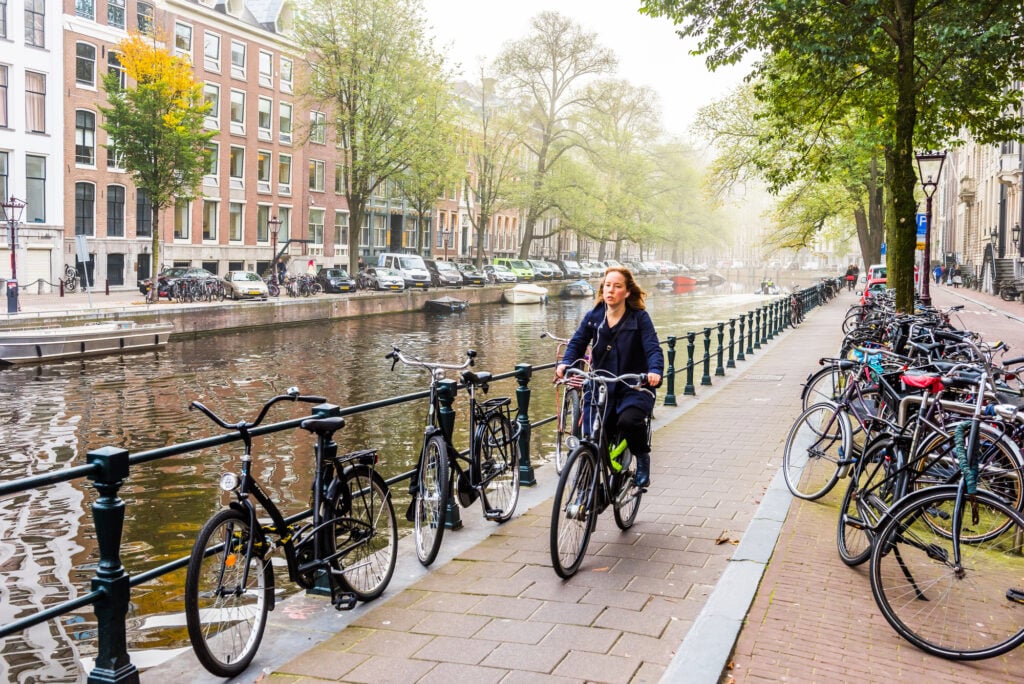
There’s also the small matter of cost. Building tall is expensive, and the Dutch are famously frugal. Why spend millions on a foundation that might sink when you can build perfectly good housing that stays put?
Zoning laws actually mean something
Dutch planning regulations aren’t just suggestions. Municipal governments have real power to control development, and local communities get meaningful input into what gets built in their neighbourhoods.
The Environment and Planning Act gives local authorities comprehensive control over building heights, aesthetics, and environmental impact.
If a community doesn’t want a skyscraper casting shadows over their afternoon coffee, they usually get a say in it.
There are exceptions
There is one glorious exception to the Netherlands’ altitude aversion: Rotterdam.
After German bombs flattened the city center in 1940, Rotterdam had a blank canvas to work with.
The result? The lowlands’ only proper collection of tall buildings, including the country’s seven tallest structures.
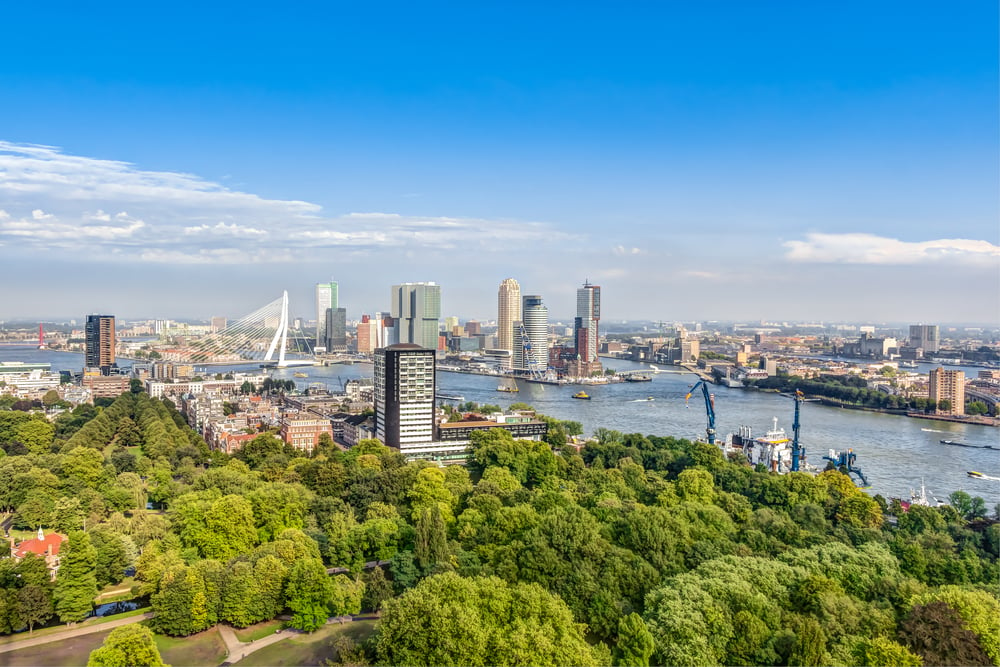
Rotterdam’s skyline shows what’s possible when you start from scratch and have modern foundations. The city embraced vertical growth and became the Netherlands’ architectural playground.
However, even Rotterdam’s success is limited. Its current tallest building is the Zalmhaven tower at 215 metres, which overtook the 165-metre Maastoren in 2021. These heights are rather modest compared to most international cities.
Climate change makes everything worse
As if soggy soil wasn’t challenging enough, climate change is making foundation problems worse.
Rising sea levels, more extreme weather, and changing groundwater levels are threatening existing buildings, let alone potential new skyscrapers.
The Dutch are masters of water management, but even they’re finding it challenging to keep up with accelerating change.
While other countries race to build ever-taller monuments to human ambition, the Dutch have created cities that work for people, not Instagram.
The absence of skyscrapers doesn’t make Dutch cities boring. You can actually see the sky, feel connected to your neighbours, and navigate without getting lost in concrete canyons.
Do you think the Netherlands is missing out by not having more skyscrapers? Or is the low-rise approach part of what makes Dutch cities so liveable?