

Are you thinking of owning a car in the Netherlands? You’ve come to the right place!
Being a car owner, there are a few things to know about owning a car in the Netherlands. It may seem like a momentous task and a lot to get your head around, but owning a car in the Netherlands doesn’t need to be stressful (shocking, we know).
Anyway, without further ado, here are six things to know before you buy yourself a new car in the Netherlands.
Want to become the proud owner of a second-hand car, but don’t know where to begin? Carvendo helps you compare trusted listings, check vehicle histories, and find the best deal for your budget. Their team works with certified dealers across the country, making it easy for internationals to find a reliable used car without the guesswork.
1. Parking in cities is expensive
We hate to break it to you, but owning a car in the Netherlands is really expensive — especially in larger cities. Parking rates have continued their upward march, and if you thought €3 an hour was steep, well, buckle up.
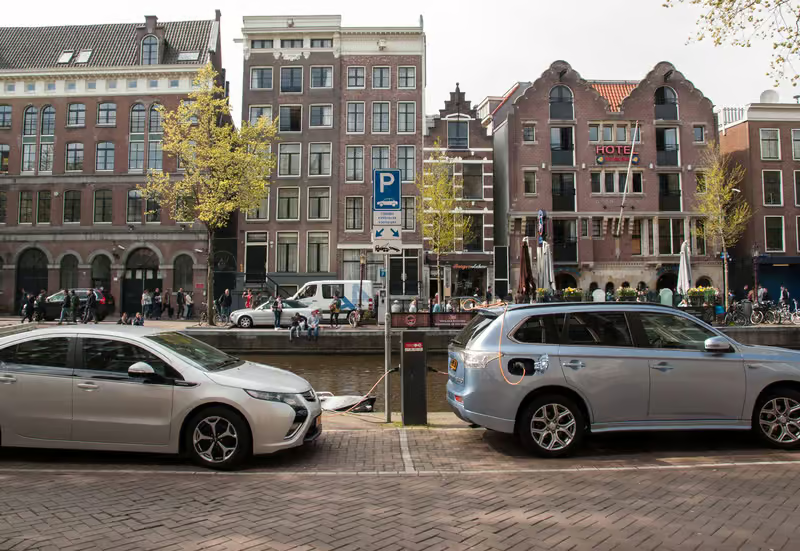
The average hourly rate hovers around €3 to €5, but that’s just the baseline. In cities like The Hague, Utrecht, and Rotterdam, expect to shell out €4 to €6 an hour. Amsterdam? Well, Amsterdam has decided to really commit to its reputation for being pricey, with central areas charging up to €7.76 per hour.
It’s worth keeping these costs in mind if you’re looking for a new place to live or working out commuting expenses. Parking permits are often essential, and they’ll drive up monthly costs on a tight budget. If you’re renting a house in the Netherlands, definitely ask about this.
2. The car must have an up-to-date APK
The APK consists of those dreaded safety checks that you need your car to have every once in a while. No one wants unsafe cars on the road, but it’s scary to take your car in for the APK as it can cost you a bomb if it fails.
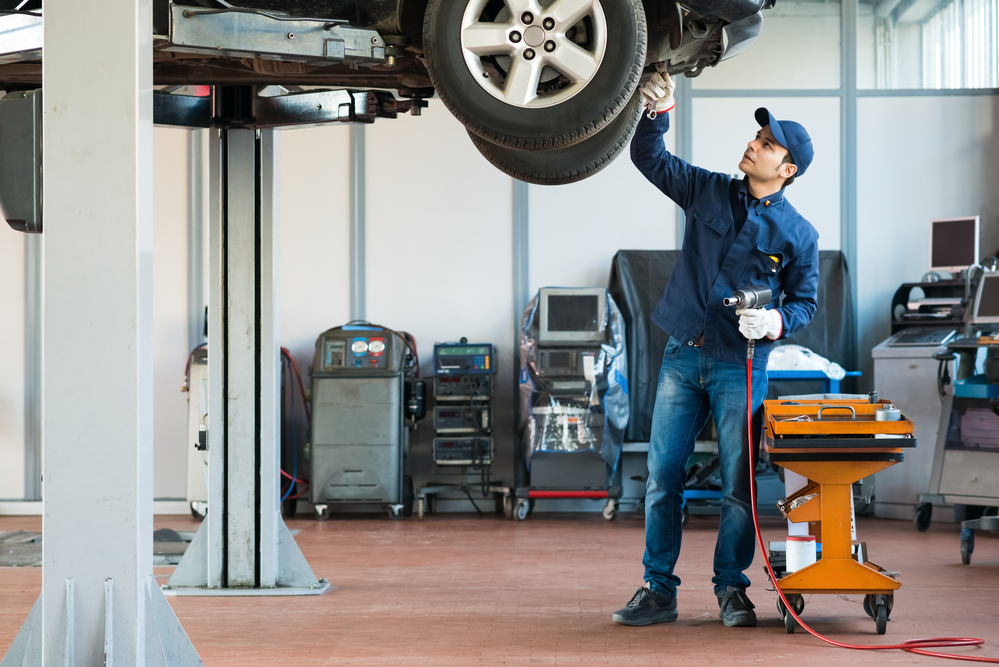
When you get a car, you need to ensure that the APK is on time before its expiration. You don’t want to have a car that’s due for its APK at any minute — it could be costly. It’s good to keep this check-up in mind if you’re planning on owning a car in the Netherlands.
How much is the APK?
The APK varies in price depending on where you take it, from as low as €20 to as high as €75. We paid €50 the last time we got ours, but the average price for an APK falls between €30 and €60.
Careful if you are swayed by how cheap some seem. Usually, the catch is if anything is wrong, you will have to get it fixed there, and that could be much higher than your local garage. Remember to look into this.
How often does my car need an APK?
If your car is shiny and new (or at least, recently new), you’ve got a bit of breathing room. Brand new petrol and electric cars need their first APK four years after the vehicle is first registered. Diesel cars, however, need their first inspection after just three years.
After that first inspection, things get a bit more complex. Petrol cars must be inspected every two years until they’re eight years old, then annually after that. Diesel cars? They need annual inspections from the moment they hit that first three-year mark.
READ MORE | Carvendo will help you score the best second-hand cars in the Netherlands
The RDW will kindly send you a reminder six weeks before the APK expires, which is helpful since forgetting isn’t an option: driving without a valid APK is illegal, and the fines aren’t fun.
Mopeds, motorcycles, and vintage cars over 50 years old (unless used for public transport or transporting dangerous goods) are exempt. So if you’re cruising around in a classic, you’re in luck.
3. You need to have a valid driving license
If you’ve just moved to the Netherlands and don’t have a Dutch driving license yet, here’s what you need to know about using your foreign one, because the rules are a bit more nuanced than “just drive, you’ll be fine.”
- For EU/EEA driving licenses: Life is pretty straightforward. You can use your EU or EEA license for up to 15 years from the date it was issued (for categories AM, A1, A2, A, B, and BE). After that (or when your license expires, whichever comes first), you’ll need to exchange it for a Dutch one. No exams required, just some paperwork.
- For non-EU/EEA driving licenses: Things get a bit trickier. You can use your foreign license for 185 days after you register as a resident in the Netherlands. After that, you’ll need a Dutch license.
Some countries have special agreements with the Netherlands, which means you can exchange your license directly without taking exams. Countries like Japan, South Korea, Canada (Québec only), Switzerland, and a handful of others are on the list. Check the RDW website to see if your country qualifies.
If your country isn’t on the list? You’ll need to pass both the Dutch theory and practical driving exams. Yes, even if you’ve been driving for 20 years. Dutch bureaucracy waits for no one.
The 30% ruling exception: Here’s a silver lining for highly skilled migrants. If you qualify for the 30% tax ruling, you can exchange your driving license from any country, even if your home country doesn’t have an agreement with the Netherlands.
4. Take into consideration road and car taxes
When owning a car in the Netherlands, road tax (motorrijtuigenbelasting, or MRB) is one of those unavoidable expenses that you’ll need to factor into your budget. The amount you pay depends on several factors: fuel type, vehicle weight, where you live (thanks to provincial surcharges), and how old the car is.
Diesel cars? Prepare for a shock. Road tax for diesel is significantly higher than for petrol, and older diesel vehicles (built in 1980 or later) also face a “particulate matter surcharge” (essentially a soot tax) making them about 15% more expensive.

Electric vehicles: the golden age is ending
If you’ve been enjoying the sweet, sweet freedom of zero or reduced road tax on your electric car, we’ve got some news. The exemption is being phased out.
In 2024, electric cars paid no road tax at all. In 2025, there’s a 75% discount (you pay 25% of the standard rate). From 2026 to 2028, that discount drops to 30%, meaning you’ll pay 70% of the standard rate.
By 2029, it’s down to a 25% discount (you pay 75%), and from 2030 onwards, electric cars will pay the full rate.
READ MORE | Buying and driving a second-hand car in the Netherlands: costs you need to know
Plug-in hybrids? The news is even less cheerful. They had a 50% discount until 2024, a 25% discount in 2025, and from 2026 onwards, they’ll pay the full rate. Because plug-in hybrids tend to be heavier than petrol cars, this often means they’ll actually pay more in road tax than a comparable petrol vehicle.
Before you buy a car, it’s worth checking how much tax you’d pay. The Belastingdienst has a handy online calculator where you can plug in your car’s details and see what you’d owe per month.
This way you can make a good decision on what car you’d like and what you can afford.
5. Owning a car in the Netherlands can be expat-friendly
If you’re looking at owning a car in the Netherlands, then buying one doesn’t have to be a stressful task.

There’s a wide range of sites and car dealerships in the Netherlands that can help you find a car that you can trust to get you from A to B safely.
And if you fear your international status will further complicate your hunt, don’t. The Dutch are some of the best non-native English speakers in the world, and they’re used to helping internationals with life in the Netherlands.
Unsure of where to look for your car? Instead of listing anything and everything, Carvendo works with a network of over 150 reliable Dutch dealers. Those dealers place only qualifying cars on the platform, while Carvendo checks the listings, pricing, and quality standards in the background.
6. Your car should have the right insurance
Getting car insurance in the Netherlands is relatively easy. There are comparison sites out there that ensure you can get the best deal on your car insurance (a few in English too).
Make sure to read into the policy and know what you are signing up for. The car is insured in the Netherlands, not the person (which is different to some countries, like the UK). This means that other people can drive your car with permission, and it’s insured.
A note on no-claims bonuses: If you’ve been driving for years in another country and have been collecting those no-claims bonuses, you might be in luck — or you might not. It depends on your insurer.
Some Dutch insurers will accept proof of a claims-free history from other countries, as long as you provide a certificate in English or another accepted language showing how long you’ve been claim-free. Others won’t recognise it at all, and you’ll start from year one, paying the highest premium.
If you consider these six things, you’re well on your way to owning a car in the Netherlands. Happy driving!
Are you thinking of owning a car in the Netherlands? What other tips do you have? Let us know in the comments.
Do you need a home address in the Netherlands before you can register a car or buy a car and put it in your name.
I relocated to the Netherlands from the UK circa 3 years ago and Dutch insurers did accept the no-claim discounts I brought forward. So, unless something has changed recently, this article includes incorrect pieces of information.
Without further ‘ado’, not ‘adieu’
Hi Michael. Thanks for pointing that out, you’re right! It’s been fixed accordingly 🙂
I moved to the Netherlands from a EU country about one year ago, bought a car a few months after and I have to say It’s been an easy and pleasant experience.
As a motorcyclist I dream of one day finally bring my Harley here, which is currently sitting alone in my parent’s garage.
Is there an painless and not-too-expensive way to bring her here (aside from the transport expenses, of course)?
Read https://www.rdw.nl/over-rdw/information-in-english/private/import/moving-to-the-netherlands-and-taking-your-vehicle-with-you
You actually can transfer your damage free years/no claims discount from another country to the Netherlands. This is what I did after living in Germany previously. What you have to do is get your old insurance to provide you with a certificate showing you’ve made no claims for however long and then send this to your dutch insurance provider. I did this with Unive with no problems, as long as the document was at least in English, but they still would’ve taken it in German.
E se invece.da Italiano volessi portarla in Italia ed immatricolarla.li come faccio a.portarla in Italia guidandola ?
Hello I would like to know if is possible for me to have a car without being register in the nederlands as a EU driver.
And if i dont what should i do about it