
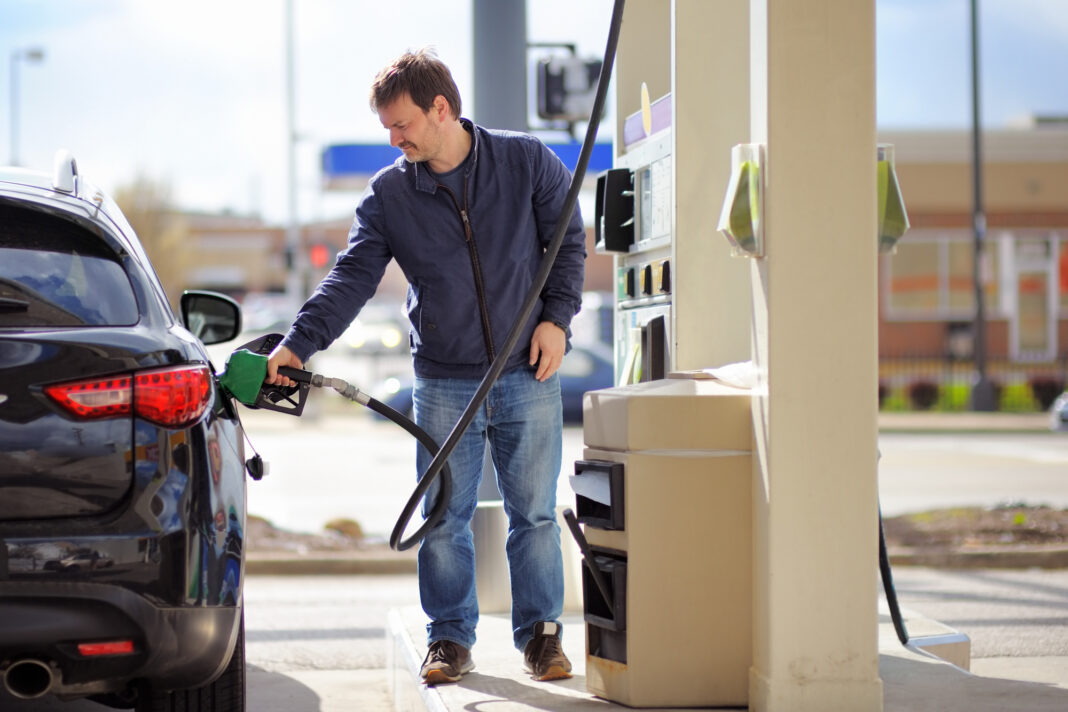

Diesel at Dutch pumps has risen by roughly 30 cents a litre in two weeks, while wholesale gas has more than doubled since February.
Diesel now averages €2.569 a litre and petrol €2.620, according to UnitedConsumers, which tracks recommended prices from the five biggest oil companies.
Meanwhile, wholesale gas hit just over €62 per megawatt-hour, up from under €41 a month ago and under €30 before the war began in late February, NOS reports.
Both price spikes trace back to the Strait of Hormuz, the shipping route in the Persian Gulf that carries a large share of the world’s oil and gas. Due to renewed conflict in the area this weekend, oil prices were pushed to their highest price in over a month.
Petrol and diesel costs are rising fast
Ships came under fire in the Strait of Hormuz over the weekend, and since a huge share of the world’s oil passes through it, petrol and diesel prices shot up to their highest point in over a month.
Petrol, especially, has taken that hit and run with it. At €2.620 per litre, we’re roughly three cents off the record-high price of €2.646 set in May, according to UnitedConsumers.

And that wasn’t even the first time this year that petrol costs hit a record; May’s price spike is the fifteenth smashed record since March, ANP reports.
Diesel is climbing even faster, up around 30 cents in a fortnight to €2.569. While Europe refines plenty of its own petrol, it’s unable to do the same for diesel, making diesel prices far more sensitive to volatility in the supply chain.
In addition to this, reduced Russian exports have squeezed the market further, ING sector economist Rico Luman tells NU.nl.
He expects diesel to keep rising, while analysts at Morgan Stanley go one step further, predicting that European diesel stocks could drop to their lowest level since at least 2015.
Will your energy bill go up, too?
Qatar is a major gas exporter, and the hostilities around the Strait of Hormuz have made shipping that gas to Europe much harder.
However, price hike aside, the effect on your energy bill depends on what type of energy contract you’ve signed:

- Fixed contract (vast contract): your gas rate doesn’t move at all until your contract ends, irrespective of the volatility in the market. You’re unlikely to feel the squeeze until your contract ends.
- Variable contract (variabel contract): your rate typically changes two or four times a year. The price hike will be factored in at your provider’s next adjustment, rather than now.
- Dynamic contract (dynamisch contract): your rate is recalculated daily against the wholesale price. In other words, your wallet will definitely feel the rising gas prices.
If you’re stressing over your dynamic contract, there’s a small light on the horizon: consumer prices climb less steeply than wholesale ones, because a large chunk of the bill is accijns (excise duty). This tends to act as a fixed amount, rather than a percentage.
Have you already noticed your bills climbing higher, or has the change not affected you? Share your thoughts and experiences in the comments below.