

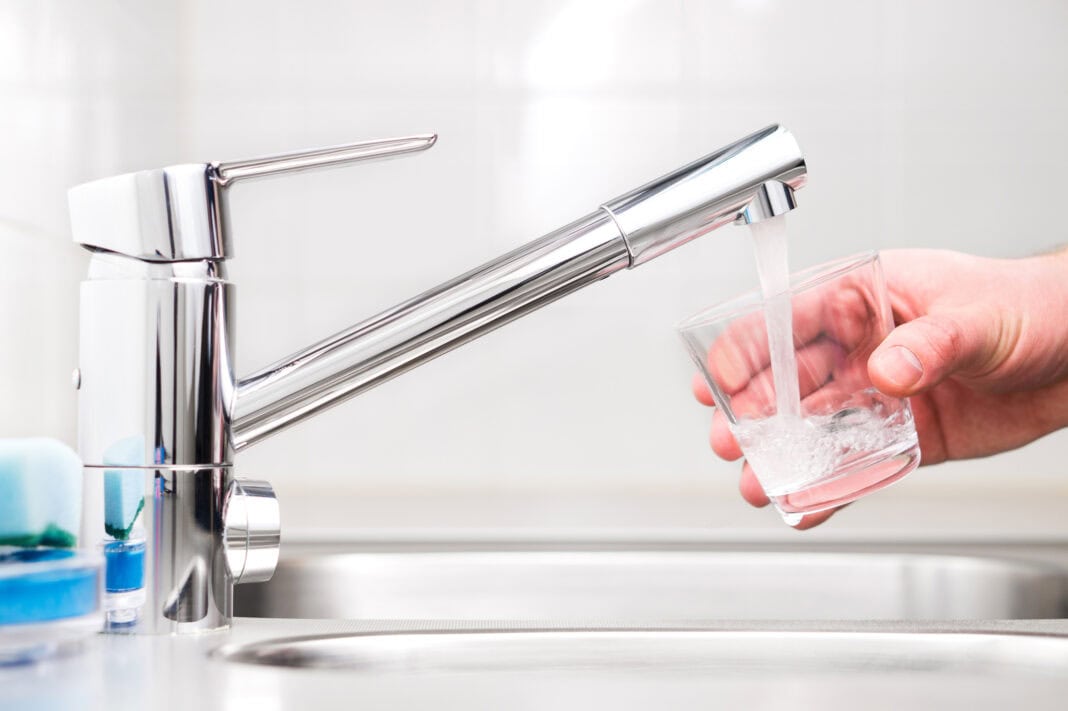

Drinking water is about to get more expensive in 2026, as several Dutch water companies announce rate increases for the regions they serve.
Providers in the regions of North Holland, South Holland, and Drenthe will raise their prices in the coming year due to a range of environmental and operational factors.
Water they talking about?
Thanks to increasingly polluted water sources, companies are forced to spend more time and resources cleaning and processing water.
Climate change is another concern, as providers must prepare for potential droughts and unexpected rainfall while also accounting for rising demand. I suppose we can’t survive on Heineken alone…
Helaas, customers will be footing the bill for these extra expenses, with RTL Nieuws reporting rate increases for the following providers in 2026:
- Oases: from €1.62 per cubic metreto €1.67
- Dunea: from €1.46 per cubic metre to €1.58
- PWN: from €1.92 per cubic metre to €1.98
- WMD: from €1.06 per cubic metre to €1.14
Blame it on unmet requirements
Back in 2000, the Netherlands had the dirtiest water in Europe — a source of shame for our environmentally conscious tall friends.
All these years down the road, the Dutch have still not met the European requirements for 2027.
The fact that we live in the ‘lowlands’ is partially to blame: other water sources from neighbouring countries are bound to end up here, pollution and all.
READ MORE | Can I drink tap water in Amsterdam?
Chemicals from other sources, such as an ageing population and industrial wastewater, are also quite expensive and difficult to remove.
While this doesn’t directly affect our drinking water, it certainly makes it more difficult to keep it fresh, as other water sources in the Netherlands are impacted.
Call it a splash of reality, but the costs are bound to go up.

What are your thoughts on the cost increase? Let us know in the comments!

In Australia/NZ your home has 2 water pipes: 1. Top quality drinking water, 2. Clean water for the laundry, toilet, garden etc. With climate change, it is time to implement this in NL, for future sustainability. 3. Lowest quality water is used in park fountains to aerate it.