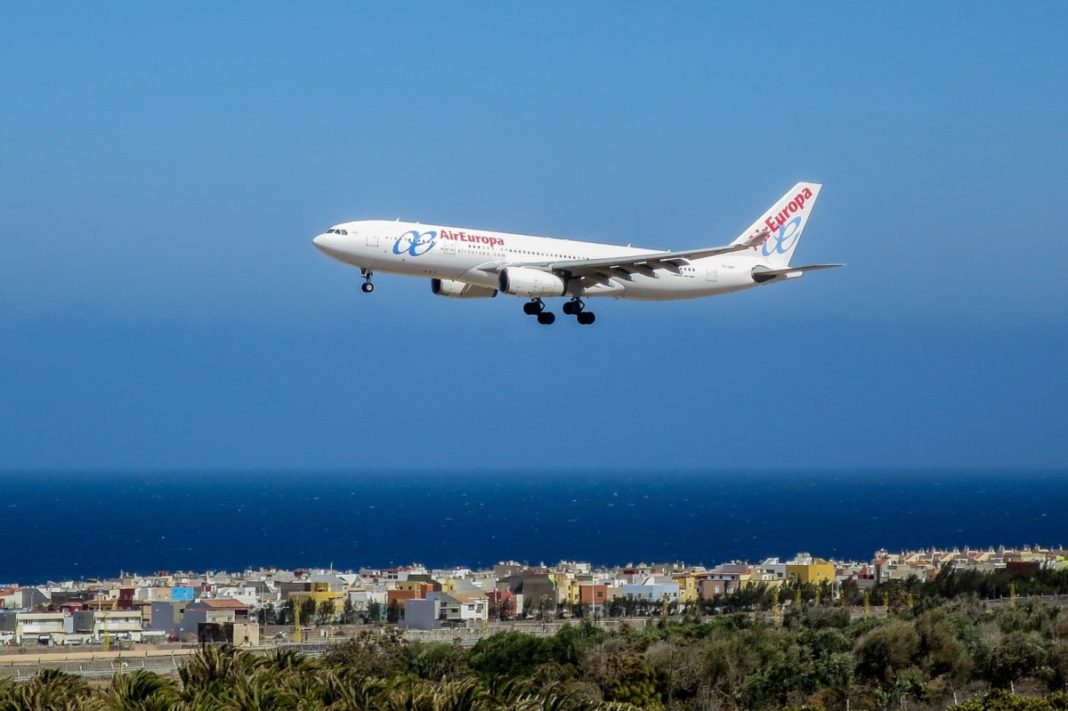

All hell broke loose in Schiphol last night as a pilot from Air Europa accidentally sounded the hijacking alarm. But for about half an hour, everyone thought it was a genuine emergency situation. As it was already triggered, safety protocols had to be followed through, leading to a number of disrupted flights, angry passengers, and one embarrassed pilot.
A part of Schiphol was evacuated and the full military was deployed. Even the Minister Grapperhaus (Justice and Security) praised them for following through on the protocol, despite it being a false alarm. The delayed flights were resumed after about an hour. The error was made on the Spanish airline Air Europa’s Airbus A330.
#AirEuropaInfo False Alarm. In the flight Amsterdam – Madrid, this afternoon was activated, by mistake, a warning that triggers protocols on hijackings at the airport. Nothing has happened, all passengers are safe and sound waiting to fly soon. We deeply apologize.
— Air Europa (@AirEuropa) November 6, 2019
How was a false alarm for a hijacking triggered in Schiphol?
But is it as easy as pushing the wrong button? What actually happens when there is a hijacking taking place? According to what aviation experts told NOS, there are three ways. But this time, the pilot sounded a false alarm by sending in the wrong transponder code to air traffic control through the radio.
The code for a hijacking is 7500. It is entered into a “keyboard that is similar to that of a telephone” and is then sent to air traffic control at the airport. “If you select that 7500, all the bells and whistles will go off with air traffic control,” explains aviation expert Joris Melkert.
Nog even over het kapingsalarm op Schiphol.
Zo ziet de transponder op de gemiddelde Airbus A330 eruit. Met de toetsen stel je de viercijferige transpondercode in. Bij een kaping 7500, bij een noodgeval 7700. De verkeersleiding kan deze code zien. pic.twitter.com/KwIqUFobEu— Harro Ranter ✈ (@harro) November 6, 2019
Translation: A quick note about the hijacking alarm at Schiphol. This is what the transponder looks like on the average Airbus A330. Use the keys to set the four-digit transponder code. With a hijack [it is] 7500, with an emergency 7700. The traffic control can see this code.
There are similar codes to the hijacking one: 7700 is for a general emergency and 7600 is if they have lost communication with air traffic control. So it was a matter of just one digit!
So one digit can be the difference between ‘lost comms’ and ‘unlawful interference’ https://t.co/tLY8glbmcE #Schiphol https://t.co/7PDP5rGpTW pic.twitter.com/N54Qmn2L16
— anna holligan ? (@annaholligan) November 6, 2019
A costly mistake
Schiphol has not yet said how much this mistake has cost to rectify. With all those flights delayed, that’s going to be a tall order to pay. Of course, when all of this was unfolding, it was a scary time. But now that everyone knows it was a false alarm, people can help taking a jab at the whole situation. I mean, can you blame them?

They say numbers are important, but this sure is a costly accident to make. Were you in Schiphol when this unraveled? Let us know in the comments below!
Feature Image: Slavik Robtsenkov/Pixabay