


From higher net wages to pricier train tickets, these changes will take effect starting January 1, 2026.
The Ministry of Finance is protecting our paychecks and social benefits to help us deal with years of inflation.
However, the costs are moving toward our habits of consumption, quietly making everyday choices a little more expensive.
So, when you look at your NS bill in 2026, please don’t fall out of your chair.
According to AD, here’s a clear, no-nonsense overview of the most important changes hitting you and yours in the new year.
Income adjustments: more money coming in (for most)
1. There will be higher net wages for workers
Most people will take home a bit more pay. Someone earning the average gross salary (€3,704) will get about €26 extra net per month. Perhaps it can be put towards your beer budget?

Minimum wage workers benefit the most, as the hourly minimum wage rises from €14.40 to €14.71.
2. Our AOW payments are going up
Because the Algemene Ouderdomswet (Dutch state pension) is linked to the minimum wage, state pensions will also increase. A single person will receive around €1,558.15 net per month (after taxes).
READ MORE: The ultimate guide to pensions in the Netherlands in 2025
Retirees will also see a little nudge in their pension, thanks to a decrease in the premium for Health Insurance Act contributions and a lower tax rate in the first bracket.
3. You can enjoy more tax-free savings
The tax-free savings threshold increases to €59,357 per person per year, after Parliament blocked earlier plans to lower it.
4. However, tax brackets aren’t keeping up with inflation
Normally, tax brackets shift with inflation to prevent you from paying more tax just because prices went up. Not this year.

The government is only partially adjusting the brackets, meaning you’ll creep into higher tax rates a bit faster than planned.
Why? Because the Tweede Kamer blocked the planned VAT hikes on culture and sport, so this is the alternative revenue generator.
It’s not a massive hit for most people, but it’s worth knowing your take-home pay might not stretch quite as far as you’d hoped.
5. Big Brother knows about your Bitcoin
If you’ve got cryptocurrency sitting with an exchange or service provider, that information is now being shared with the Belastingdienst (tax office).
It’s part of an EU-wide initiative to crack down on tax evasion.
The tax authorities across EU member states will swap data on your crypto holdings and transactions, making it much harder to “forget” about that Bitcoin stash when filing your taxes.

Consider this your friendly reminder to declare everything.
6. You’ve got more time to sort inheritance tax
Losing a loved one is hard enough without bureaucratic deadlines breathing down your neck. The government has extended the inheritance tax filing period from eight months to 20 months.
The reasoning? Eight months simply isn’t enough time for many people to grieve, gather documents, and properly complete the forms.
It’s a rare example of the Dutch system acknowledging that life events don’t fit neatly into administrative timelines.
7. Self-employed tax break keeps shrinking
The zelfstandigenaftrek (self-employment tax deduction) for zzp’ers is dropping from €2,470 to just €1,200.
It’s been declining since 2020, when it was a generous €7,280. The government says it’s reducing the tax gap between employees and freelancers, though plenty of zzp’ers would argue it’s just making self-employment less viable.
If you’re working as a freelancer in the Netherlands, this is another hit to your bottom line in what’s been a years-long squeeze on self-employment benefits.
8. Thankfully, most benefits are increasing
Housing benefit (huurtoeslag)
The maximum rent to qualify for housing benefit is abolished. The benefit is calculated up to €923.93 per month. This means more people can receive financial help towards their rent.
Healthcare allowance (zorgtoeslag)
The highest amount of money you get from the government to help you pay your insurance premiums is being reduced! Single people get €2 less, reaching a maximum of €129 per month.
READ MORE | Toeslagen? Everything you should know about government allowances in the Netherlands [2025 guide]
Child-related budget (kindgebonden Budget)
This increases for families with lower incomes. However, single people earning over €29,736 may receive slightly less.
Daycare costs
The maximum hourly rate reimbursed will rise from €10.71 to €11.23.
Fixed costs: small increases add up
9. Your rent can go up (again)
Landlords can raise rent by 4.4% in the private sector (properties over €1,228.07 per month) and up to 6.1% for mid-range rentals between €932.93 and €1,228.07.
Social housing rent increases won’t kick in until July, capped at 4.1%.
The increases are allowed from January 1st, though many landlords traditionally raise rents in July instead.
10. Surprise, surprise: municipal taxes are going up
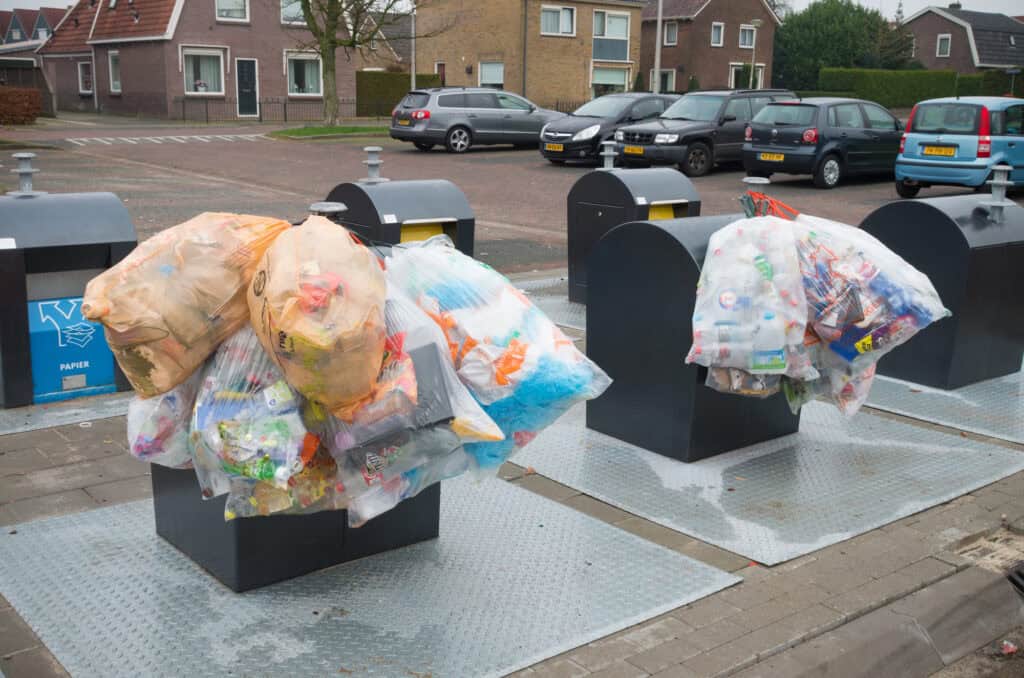
Local levies will rise in 2026 by an average of 3.9%. This means that the average household will now spend over €1,000 per year in municipal taxes for the first time. Renters will also see increases.
Did you know? Municipal taxes are the sum of property taxes, sewage, and waste collection fees.
11. Your energy bills may go down
Households will be charged more for their electricity and gas connections in the Netherlands, with costs being upped by 3% on average.
The tax on gas will go up by approximately 3 cents per cubic meter, but the tax on electricity will go down by 1 cent. However, despite the increase in these fixed charges, you may still have a lower energy bill.
Why, you ask? Because the actual purchase prices for gas and electricity will be lower.
TIP: If you are not locked into a fixed-term contract, you will benefit from these reduced purchase prices. However, if you do have a fixed-term contract, helaas pindakaas, your bill may be higher.
12. Drinking water prices will increase in some regions
Depending on your region, here are your new water prices per 1000 litres of water.
Now, these have only changed by a margin of a few cents. But according to Waternet, a family of three or four in Amsterdam uses approximately 19,000 litres of water a month.
What the hell is going on in Brabant?
| Per 1000 litres of water | 2025 | 2026 |
| Brabant Water | €1.41 | €1.51 |
| Vitens | €1.25 | €1.34 |
| Evides | €1.40 | €1.32 |
13. Health insurance premiums will go up, but only slightly
Expect to pay about €1 more per month, bringing the average premium up to €159.63.
14. More people can get the National Mortgage Guarantee (NHG)
The NHG limit rises from €450,000 to €470,000. This means more people will qualify for the scheme (and its accompanying lower mortgage interest rate) in 2026.
15. Student loan interest rates will go down
Good news for (former) students: interest on your student loan drops from 2.57% to 2.33%.
Daily expenses: life gets a bit pricier
16. It’s the worst possible time to own an electric car
Road tax discounts for EVs shrink from 75% to 30%. That could cost drivers over €600 per year. Plug-in hybrids lose all discounts.
17. Fuel becomes more expensive
But it’s not just electric car owners who will suffer. Petrol will become almost 6 cents per litre pricier, while diesel will be 4 cents more expensive. A full tank will cost a few euros more.

18. Stamps cost more
Sending a lovely little postcard? A stamp will cost €1.40 in 2026. This year it was €1.31.
19. Train tickets and NS subscriptions will be more expensive
Train fares will rise by an average of 6.5% next year. Booking early and off-peak can still save you money.
20. On a Shein shopping spree? Prepare to pay more
Starting July 1, 2026, Dutch shoppers may bear extra costs on Chinese imports. Orders under €150 will attract a €3 import fee per product, on top of the regular VAT.
So, three products could cost you €9 extra!
While there are quite a few safeguards on your income, minimum wage, and benefits, the cost of daily life might have you pinching your pockets.
You know how it goes. You’re just a cog in the well-oiled machine of Dutch taxation laws.
At least now you’re a well-read cog! 😉
Want the latest Dutch news to come zooming through the internet to your inbox? Dat kan! Subscribe to DutchReview’s weekly roundup 📮