
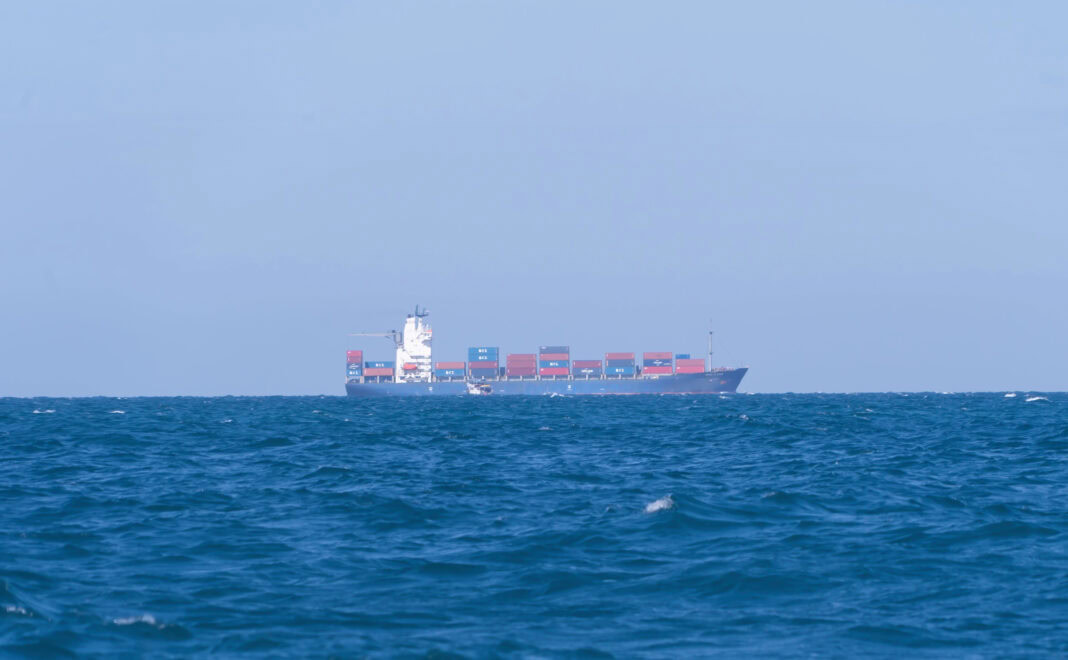

After almost four months of being effectively stuck, a handful of Dutch-flagged ships have managed to safely cross the Strait of Hormuz.
As reported by KVNR (the Royal Association of Dutch Shipowners), this is the first real sign of movement since the Strait was thrown into chaos by the US-Iran conflict.
The Strait of Hormuz is one of the world’s most important shipping routes, sitting between the Persian Gulf and the open ocean. Needless to say, its closure has been a huge factor in your skyrocketing petrol and energy bills.
READ MORE | €2.82 per litre for petrol and rising energy bills? Here’s how the US-Iran war could hit the Netherlands
The fact that ships can move again is, at the very least, a small step in the right direction.
Several ships managed to pass through
According to the KVNR, the signing of a memorandum of understanding (a formal agreement) between the US and Iran created short windows of time where vessels could leave the Gulf safely.
A few Dutch-flagged ships used those windows to get through. However, a large chunk of the Dutch fleet is staying put in the Persian Gulf for now, carrying on with offshore work contracts there.
Don’t celebrate just yet
While KVNR director Annet Koster called the passage a relief for crews, their families, and shipowners, she made it clear that we’re still not out of the woods.
“It is now important that calm returns to the area for a longer period,” she states. “This will allow ships to operate safely and enable transit to resume.”
READ MORE | Dutch join international efforts to protect the Strait of Hormuz
Given the volatility still present in the region, it remains to be seen if this movement is a brief moment of calm amidst the storm or the first step towards conflict resolution.
For safety reasons, the KVNR won’t say which companies, ships, or routes were involved. Crews are watching the situation constantly and making decisions based on the very latest information.

Do you think the conflict in the Strait of Hormuz will settle down soon? Share your thoughts in the comments below.