

A 39-year-old woman from Amstelveen has been infected with the West Nile virus, bringing the total number of infected to four, across three provinces — with the GGD warning that the virus may be “present in other locations in the Netherlands”.
The local broadcaster AT5 first reported on the case, with the municipal health service (GGD) later confirming the infection.
It’s the first time the virus has turned up this close to the capital, with the other cases popping up in Utrecht and Drenthe. The RIVM confirms that the virus has also been detected in the provinces of North Brabant and South Holland.
A local infection, with serious complications
Unlike the woman from Drenthe, who reportedly caught the virus in Southeast Europe, the patient from Amstelveen was infected in the Netherlands.
Rather worryingly, her infection has now developed into meningitis, which is a swelling of the tissue surrounding the brain and spinal cord.
Outcomes this severe aren’t common, with the RIVM noting that around 80% of West Nile infections cause no symptoms. Only about 19% of the infected “develop mild flu-like symptoms”.

The fourth case this year (and two deaths)
With this case in Amstelveen, the total number of West Nile infections in 2026 has now hit four — with two deaths among them.
An elderly man from Utrecht died last month after catching the virus locally, with the woman from Drenthe following shortly after.
The RIVM’s first sign that the virus was circulating within the Netherlands came earlier in the month, when the virus was detected in a Utrecht blood donor. His infection, thankfully, was mild.
No cause for concern just yet
Despite the latest case, the RIVM rates the chance of catching West Nile virus and becoming seriously ill from it as “very small”.
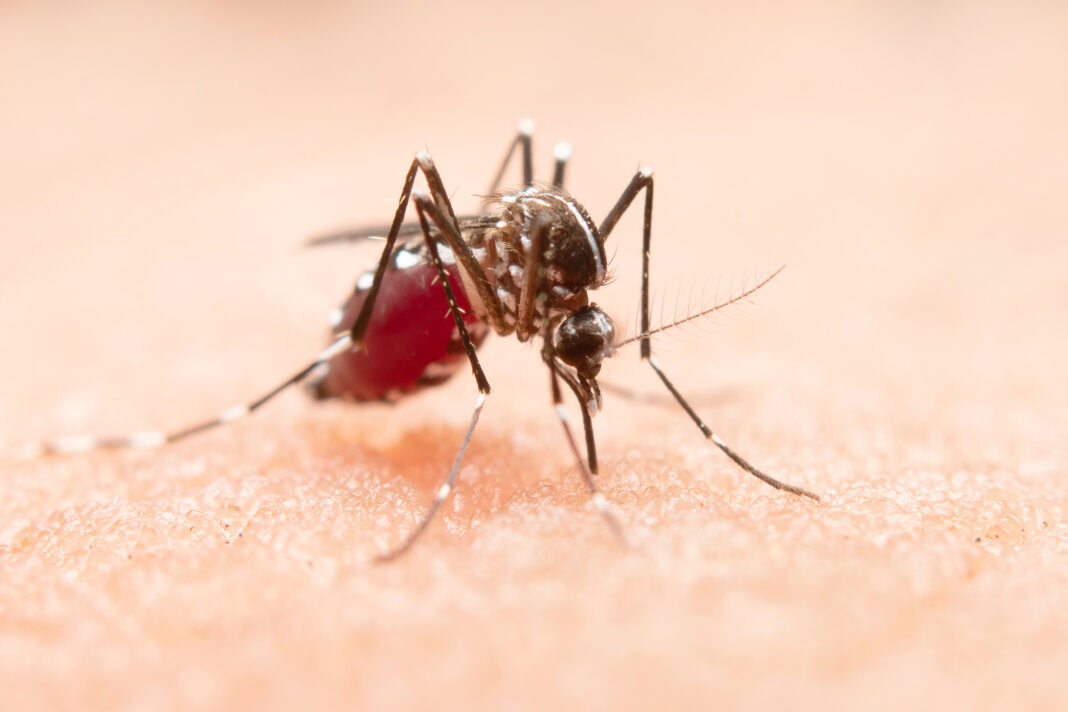
The common house mosquito picks it up after feeding on an infected person, then passes it on when it bites someone else. In other words, it won’t spread through human-to-human contact, even if one person is infected.
If you’re worried about your odds, then use screens on your windows and cover up with long sleeves or jackets during dusk, when mosquitoes are most active. Or just spray on a liberal amount of DEET, and you’re good to go.

Have you noticed more mosquitoes than usual in your area? Share your tips for getting rid of these pesky little predators in the comments below.