
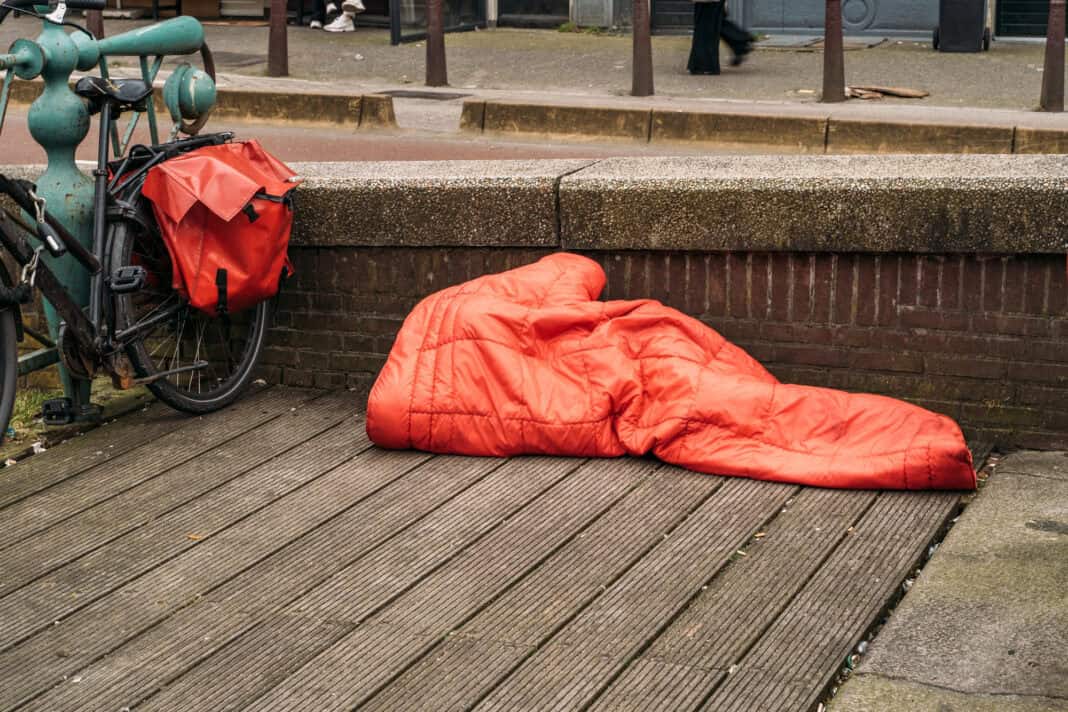

The city of Rotterdam plans to create fifteen new single-occupancy shelters for the homeless with round-the-clock surveillance and security.
The single-occupancy shelters are meant for addicts who cannot be seen using drugs on the street, NU.nl reports.
According to a municipality spokesperson, the presence of addicts, drug dealers, and beggars gives Rotterdam a “bad impression.”
The root of the problem
The municipality has identified seventy homeless people who most often cause public nuisance. In addition to homelessness, these people may also suffer from addiction and mental health issues.
Under the city’s new test approach, these individuals will be removed from the street and taken to a shelter.
Those who refuse may get a restraining order, while addicts will be placed in single rooms where they can use drugs safely under supervision before joining a rehab program.

READ MORE | Medicinal heroin? How the Dutch deal with their heroin addicts
Rotterdam unveiled these new plans in response to an increase in public disturbances, including multiple complaints about beggars demanding bottles for statiegeld and a restaurant shutting down after 18 burglaries.
So, what’s changing?
According to the municipality spokesperson, Rotterdam will now force the homeless to comply “more than before.”
These plans have already been put in motion, with Mayor Schouten announcing a zero-tolerance policy on drug nuisance in the Oude Noorden neighbourhood. The focus is on surveillance, lighting dark areas, and police patrolling.
READ MORE | If you’re homeless in the Netherlands, what support is out there?
Meanwhile, over the next year, the city plans to test the solution that works best. Afterwards, a program for the next three to five years will be developed.

Not everyone’s a fan
However, some housing groups argue that homelessness and public nuisance may not be a result of bad choices, but of policies made by the municipality itself.
Budget cuts in shelters and the lack of social housing push more people onto the streets, making them vulnerable to drug addiction and antisocial behaviour.
READ MORE | Everything you need to know about anti-squatting in the Netherlands (aka ‘antikraak’)
As Marlieke Ridder, a general practitioner at Straatzorg Rotterdam, tells DutchReview, “These are people who need care, but drugs are taking over as they numb all the problems they carry. Slowly, they’re being destroyed, you can see it in their eyes.”
Regarding the city’s plans, Ridder considers them a good first step. “I’m curious to see the long-term strategy of the municipality,” she added.
What do you think of the municipality’s new strategy? What could be done better?