If you had a hunch that the Netherlands is, well, quite expensive, you are more than right.
Statistics by Eurostat reveal that the Netherlands is the sixth most expensive country in the European Union.
Consumer prices in the Netherlands are 17% higher than the EU average, and Dutch prices are above the EU average in every category.
For example, prices on alcohol and tobacco are 12% above the average, while food and non-alcoholic beverages exceed the average with only 2%. Meanwhile, hotels and restaurants come at 8% above the average, clothing is 5% above average, while consumer electronics clock out at 4%.
Dutchies also pay more for cars and other travel equipment, with the Netherlands being 21% more expensive in that regard. Only Denmark is more expensive in this category, with prices at 38% above average.
Nevertheless, even if there are high prices, always remember that there are places which are even more expensive. Amsterdam, despite its seemingly high prices, only came out at number 64 of the most expensive cities in the world.
European-wide satistics
Eurostat looked at 27 European Union countries as well as 10 non-EU countries to check their prices for goods and services compared to the EU average. Denmark takes the crown as the most expensive EU country, with a whopping 141% above the average. It’s followed by Ireland (134%), Luxembourg (131%), Finland (127%), Sweden (121%) and the Netherlands. Of the 10 non-EU countries included on the list, Norway, Iceland and Switzerland were all more expensive than their EU counterparts.
On the other end of the spectrum, we have Turkey, which ranks the least expensive on the list, with prices at 37% of the EU average. It’s followed by North Macedonia (50%), Bulgaria (53%) and Romania and Bosnia & Herzegovina, both with tied prices at 55%.
Do you find prices in the Netherlands reasonable, or is time to move to North Macedonia? Let us know in the comments!
The lockdown brought with it some things people never would have expected some months prior. For example, the views of Amsterdam without any tourists on the streets is both unprecedented and iconic.
Lucas Camps, an Amsterdam based filmmaker, released a short film on lockdown Amsterdam.
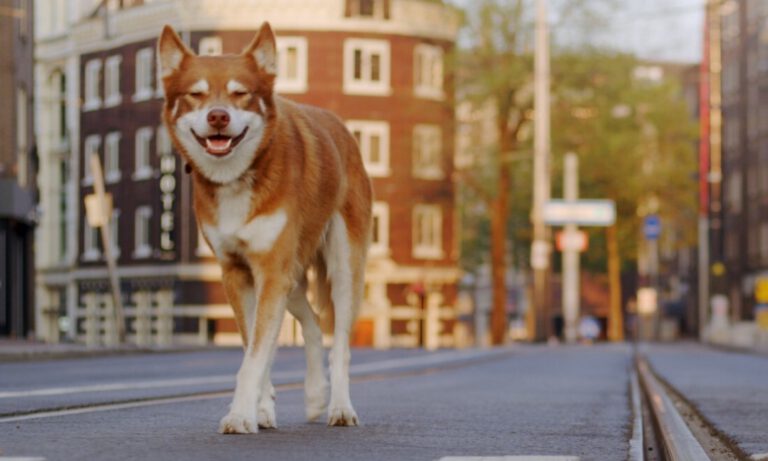
Following a dog named Jax on the empty streets, the film presents a tour through different empty neighbourhoods of Amsterdam. Composer Robbert Schep, the owner of lovely Jax, made the soundtrack for the film.
Do you also have some great shots/videos from lockdown Amsterdam? Let us know in the comments!
The latest release of coronavirus figures from RIVM shows that a further 116 people have tested positive in the last 24-hours. The Dutch total now stands at 49,426, on track to cross 50,000 within the next week.
A further 11 people have been admitted to hospital in the past day, while three people have died from the viral infection. The total death toll in the Netherlands now stands at 6,081.
Almost 150,000 people have now been tested for coronavirus by district health centres (GGDs). Over the past four days, an average of 10,500 tests per day have been performed. Last week the average daily number of tests was 9700.
Dordrecht lab incorrectly diagnoses around 30 false-positives
A laboratory in Dordrecht has come under fire after around 30 people were incorrectly told they had tested positive for coronavirus. The Albert Schweitzer Hospital originally said only 15 false positives had been given, but the figure was later revised.
According to the hospital, the testing device was set to a particularly sensitive setting, leading to the false-positives. The error was discovered on June 3, when an unexpected rise in test results occurred. Two people have filed a complaint to date.
Protest against ‘virus madness’ cancelled in The Hague
Around 10,000 people will not be making their way to The Hague this weekend after a “virus madness” protest was cancelled. Originally only 100 participants planned to come, but a lineup of well-known DJs caused the number of attendees to rise rapidly.
The Hague has forbidden the demonstration, despite pleas from the organisers that there would be space at the Malieveld location. The organisers are now taking the matter to court. “Democracy has been inactivated. We are not satisfied with that,” said spokesman Willem Engel. He hopes that the demonstration can still continue after the summary judgment.
The past few months (or has it already been years?) were spent commuting from my bed to my couch — interrupted by frequent kitchen delays. Work, leisure, fun and pleasure all merged into one big blob that I like to call ‘my quarantime’ (quite original, right?)
Guaranteed, we probably had it easier than our direct neighbours Germany, Belgium & Denmark, who were pretty much house hostages. Regardless, life without bars, restaurants, parks, and museums was no cakewalk for the festival-loving, sun-relishing Dutchies.
After six weeks of an intelligent lockdown, the Netherlands woke up. Since May 11, the economy has been gradually reopening. But while a cobbled street lined with friet takeaways and tall-blonde mensen drinking their beers is a typical scene from your Dutch guide book, it won’t be quite the same. As the country continues to ease all lockdown measures, we prepare to live the new normal.
Eten (eating)
Remember busy restaurants, bustling with dinners at closely placed tables? That is so 2019 BC — Before Coronavirus. In 2020, dining out involves strict reservations, long queues, and empty tables.
You can no longer just walk into a bar, you need to have a reservation. And after almost three months of no eating out, the Dutchies are hungry. Make sure you call into your favourite restaurant before going there or else be prepared to wait for hours. Speaking from a place of experience, these bookings can easily run into weeks for popular places. Welkom deliberation, doei spontaneity!
As an expat, the one thing I associated the most with the Netherlands was open spaces filled with local pubs and restaurants. This, however, is set to change. As much as we love these small and gezellig family-owned pubs, we have to admit they are an ideal breeding ground for the virus.
To prevent this love story from happening (the virus and the pubs, not the pubs and us), the authorities are allowing businesses to expand into the side-walks and other public squares. I am certainly not complaining — I knew the Dutch had a history of reclaiming land but reclaiming roads? That’s taken space retrieval to another level!
Boodschappen doen (grocery shopping)
You touch it, you buy it. Image: DutchReview/Canva
Buying groceries would never be the same. Do you recall your casual indecisiveness in selecting an item and then putting it back once you realized you didn’t want it? Well, that won’t be possible anymore…unless you’re up for some suspicious glances from other shoppers.
The humble grocery basket is mandatory now, coupled with a sanitizer and paper towel. Lastly, brace yourself for long queues at the checkout because only alternate self-checkout machine work, to adhere to the social distancing guidelines.
Werken (working)
At least your colleagues are better when you work from home. Image: DutchReview/Canva
Most companies went into a work from home mode midway through March and are expected to continue doing this till September 1. This decision is a direct implication of the virus; everyone wants to avoid public transport as much as possible.
While the local Albert Heijn isn’t limiting the number of people, your favourite retail store is. Only a selected number of people are allowed inside, with a mandatory dose of hand sanitizer at the entrance. Certain shops have made trying on clothes off-limits whereas others have constrained the number of fitting rooms.
Rejected clothes are kept in a separate area where they are sprayed with what I’d assume to be an air or gas version of sanitizer before being whisked away to their usual shelves. Once you’re done with the entire process of clothes selection, you are greeted by a plastic screen at the till, behind which the cashier asks for payment by a pin or gift card — cash is strictly not allowed. Not that the Netherlands needed to be any more cashless.
Reizen (travelling)
Can’t wait to walk down this aisle. Image: DutchReview/Canva
With coronavirus cancelling most summer plans, Dutchies have turned to intra-country vacations. In comes the trusty NS, also known as the backbone of the country. Even though the trains never really stopped, they have returned to their usual schedules from June 1 albeit a small change — mandatory face masks. In fact, this isn’t just limited to NS; use of any public transport requires masks. The Dutch were never really fond of crowding up, but now the trains and trams seem eerily empty. Thanks (not) coronavirus!
Sporten (exercising)
Turns out the Dutch are really good at running now. Image: Tirachard Kumtanom/Pexels
While the bars, shops and stores are rejoicing, gyms and fitness centres are left sulking in a corner due to their expected opening from September. The Dutch exercise more than anyone else in Europe, with 80% cycling, walking, swimming, dancing or gardening on a weekly basis, according a study by the European Commission. The European average stands at a flimsy 44% in comparison. What option does lack of gyms leave for our fitness-obsessed Dutchies? The good ol’ running along the canals or hopping onto those bikes — thank god for the “good” weather!
Liefde (love)
Alles goed but what about love? Contrary to popular belief, love actually blossomed during the lockdown. Dating apps, just like video calling ones, experienced a surge in their user base. Assuming people had ample time to get to know each other through virtual mediums (c’mon, three months is long enough), they are now initiating personal meetings. Was it love or just loneliness triggered by a global pandemic? Only time will tell.
Much of our lives have been changed permanently because of the coronavirus. How are you coping with this nieuwe normaal? Tell us in the comments section below!
Jesse Jackson is calling on Dutch Prime Minister Mark Rutte to abolish the racist tradition of Zwarte Piet. The letter is part of a growing call against this Dutch tradition.
The well-known American preacher and civil rights activist Jesse Jackson wrote an open letter to Rutte. The full letter can be found on the website kanttekening.
In the letter, Jackson writes that “Black Pete is an offensive relic of colonial times” and “is not seen as equal with and as fully human as the white people of the Netherlands”. He also alludes to Rutte’s personal history of playing Black Pete, saying this gives him an additional responsibility to end the offensive tradition.
A nationwide call for change
The letter comes amidst nationwide demonstrations against racism. Since the beginning of June, anti-racism protests have taken place in many Dutch cities. The protests fight against systematic discrimination, police brutality and racist traditions such as Zwarte Piet. A large part of every protest have been the activist groups ‘Zwarte Piet is Racisme’ and ‘Kick out Zwarte Piet’ who call for the end of the tradition.
Following the demonstrations, Rutte admitted that he was starting to change his mind about Zwarte Piet. After hearing about the discrimination that children of colour face due to the tradition, he stated that he has “changed his mind” regarding Zwarte Piet. Despite this, he reiterates that he won’t force people to change their traditions.
Sometimes you have to do what’s right
According to Jackson, the words of the prime minister are not sufficient. He calls on Rutte to ban the tradition for good. “There are times when it’s appropriate to be political, but sometimes its more important to just do what’s right,” says Jackson.
The Dutch cabinet has stated that they have received the letter, but have made no further statement on it. It remains to be seen if the letter will change anything.
What’s your opinion on the Zwarte Piet debate? Let us know in the comments below!
Feature Image: Mark Rutte/Erik Smit/Pixabay & Jesse Jackson/Eric Guo/Wikimedia
A man carrying a large knife in Eindhoven got shot by the police yesterday after they felt threatened by him.
The incident happened last night, on Emmasingel. The police first attempted to talk to the man, and were forced to fire some warning shots. The man did not put his knife away, and ended up being shot in the leg by an officer who felt threatened.
The man was then taken to the hospital, however, his current medical status is unknown. His identity has not been disclosed either by the police.
The State Investigation Service is currently looking into the case, as they always need to investigate whenever a cop shoots someone.
The summer weather keeps having good news for us. Next week, the temperature will rise to up to 30 degrees Celsius.
The weather has been so kind to us this past spring too, that it’s almost easy to forget that we actually live in a country where the rain is queen.
Nevertheless, there is a chance for rain for today and tomorrow, reports RTL Nieuws. Starting with the weekend and next week, the weather will get drier and substantially hotter.
Temperature picks up next week
The weekend will see a stable temperature of around 21 degrees Celsius, with a chance of the occasional summer shower.
By the time its next week, the temperature will start to pick up more and more. Monday we will have around 24 to 25 degrees Celsius, Tuesday will have 27 degrees and by Wednesday, it will be 30 degrees in the south-east of the Netherlands.
Thursday will be the hottest day of the week, with temperatures reaching around 33 degrees Celsius, so prepare a visit to the ice cream parlour. There’s also a chance that the south-east will actually experience a heat-wave.
A bucket full of sunshine
Next week on Tuesday, Wednesday and Thursday, the sun will shine for an average of 14 hours a day. We love the sun, but take safety precautions, and don’t forget to apply sunscreen!
How are you planning on enjoying the sun next week? Let us know in the comments!
Dental costs and dental insurance in the Netherlands: 5 questions you might have when it comes to paying the bill at your dentist in the Netherlands
Going to a dentist in the Netherlands might be a relatively tranquil experience in your expat life compared to other countries. But worrying about the dentist bill and your dental insurance policy isn’t something you want to be doing too much in life, whether you’re an expat or not. Since everybody needs to see a Dutch dentist once every while after they had a few stroopwafels too many or a case of bad breath after one too many Heineken’s and we all want to know what’s up with the bill afterwards.
So we teamed up with our favorite expat dentist in Amsterdam: ‘Tandarts Jordaan’ and bring you this article answering all your questions regarding Dutch dental costs and dental insurance in the Netherlands. So sit down, grab a chocolate chip cookie cucumber and let’s check up on what’s the deal with prices of the dentist, how dental prices are made up, why a dentist in Amsterdam can be so nice and everything else about dental costs.
#1 What kind of dental insurance in the Netherlands do I need?
As you might know already, regular basic insurance in the Netherlands doesn’t cover dental costs. A dentist practice in the Netherlands is a privatized matter, so the so-called ‘basispakket’ doesn’t cover your bill at the Dutch dentist. But it’s not that you’re completely on your own.
First off, there is of course the option of a supplementary insurance (‘aanvullende verzekering) which does cover, at least a good chunk of, your dental costs in the Netherlands. However, when you’re comparing costs and insurances check what’s exactly covered. Lots of times it’s, for example, 75% up until 250 euro’s of the dental bill – which basically means it will cover checks and small fixes and such. (go to these dental check-ups by the way, you know they’re good for you).
There’s more good news. Basic Dutch health insurance will cover all the approved hospital oral surgery you need (I wasn’t saying it was great news). The trick is in the word approved, only complicated situations are treated in the hospital. Children in the Netherlands are fully covered under the Dutch basic health insurance for all their dental costs up to the age of 18.
So jeeeeeh! Your kids don’t need extra dental insurance in the Netherlands!
I guess that’s when they need it?
#2 So dental insurance in the Netherlands might not cover everything. Am I not paying too much at the dentist in the Netherlands?
So you need some dental work done and are now wondering if it’s not cheaper to go back to <insertnativecountry> and get it done there. Because who know’s how a dentist in the Netherlands calculate their prices right?
Well, rest assured, the dentistry in the Netherlands might be privatized but is still regulated by the government. Which means in practice that prices at the dentists in the Netherlands are also set by the government (the ‘Nederlandse Zorg Autoriteit’ aka NZa to be precise). Known as the so-called UPT-codes, these dental treatment rates are set so insurance companies in the Netherlands also know what they should compensate. The NZa actually enforces these dental tariffs and 99,9% of dentists in the Netherlands comply with these set rates.
Furthermore, in order to avoid any shocks in the billing process, all dentists in the Netherlands need to inform you when any dental treatment exceeds 250 euro. Or as Maarten Vaartjes from Tandarts Jordaan says: ‘we’ll alwaysprovide you with a quote before any given treatment, whether it’s a small fix or an elaborate treatment – when we’re doing anything extra than the regular check and small fix that is.”
#3 I’ve talked to a friend and his dentist in Amsterdam costs only 12 euro, why are there still significant differences in dental treatments prices in the Netherlands?
First of all, please notify us or the authorities if someone only paid 12 euro at the dentist, that person is a scammer. Second, there’s a perfectly good explanation for these differences between seemingly the same dental treatment.
It mostly has to do with the fact that although dental treatments sound the same with the first impressions the actual treatment may differ for each person with different costs also being billed.
An example: the price for a semi-annual checkup in the Netherlands has been set at 21 euro’s. This price applies to any dentist, fair enough. But then you would need a filling as well, prices for filling are set as well but they differ according to size, anesthesia and other factors. So while you might have had to pay 129,44 for a filling, your friend was helped for 73,32 euro for a filling as well. So simply comparing dental prices with friends and acquaintances can, therefore, wrongly, create a false picture.
And once again, it the bill appears to go over 250 euro, a good dentist will notify you – or ask for it yourself if you’re unsure.
As they say in Dutch “praatjes vullen geen gaatjes”
#4 What are the prices for dental care and special treatments at a dentist in the Netherlands anyway?
How would you know if a dental treatment is expensive or cheap? Let’s face it, the Dutch aren’t the most ‘open’ kind of people when it comes to money and prices. So in order for you to get an idea of the prices at dentist we plundered tandarts.nl for some of the going rates of regular dentist treatments. (pro-tip: if you’re really bored – you can always look up all the official codes and costs for dentists here)
So let’s check what the prices are for some dentist treatments in the Netherlands:
Periodic inspection € 21.00
Small X-ray pic € 30.94
Tooth cleaning for 5 minutes € 12.39
Okido, with that out of the way, now for some more special dental treatments you might want to get as an expat in Amsterdam:
Four- or multi-level filling € 88,41
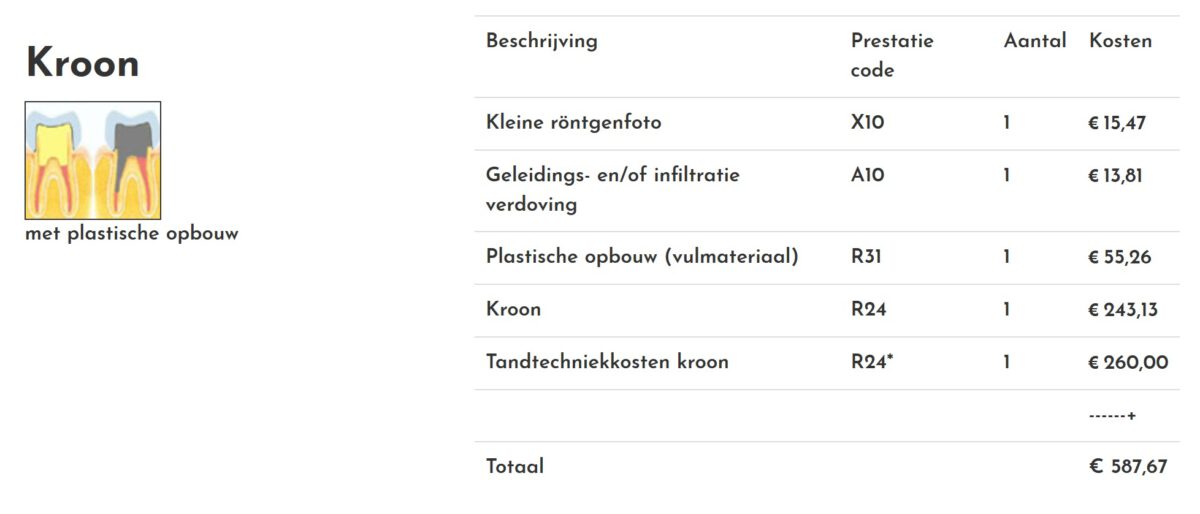
Tooth crown € 243,13 – but here’s what matters, you need all kinds of stuff done before you can have it placed so the full picture when it comes to costs for a tooth crown looks more like this:
So as you can see and like I wrote before, costs are transparent and any additional costs differ a bit on the basis of what needs to be done.
Now on to the last question of this guide to dental insurance and dental costs in the Netherlands: what’s up with dentists in Amsterdam?
#5 Are the dental costs the same for an expat dentist in Amsterdam?
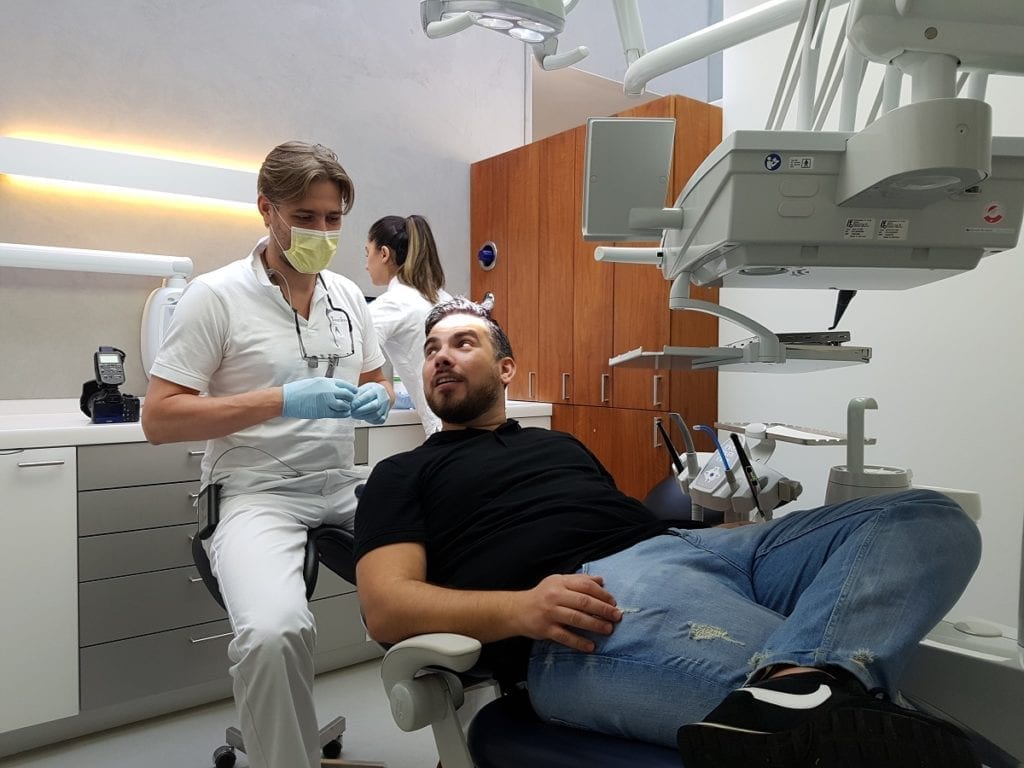
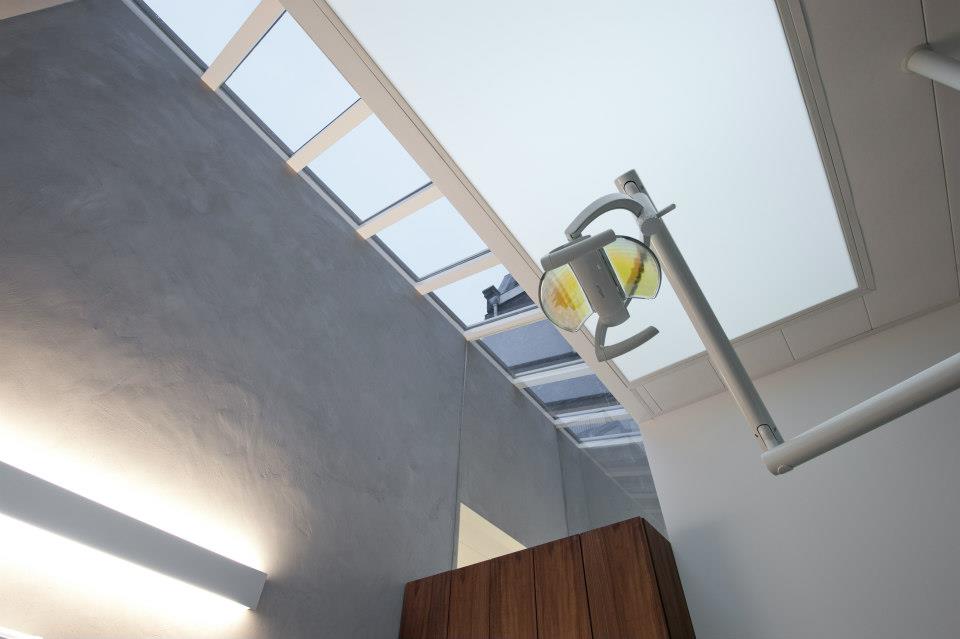
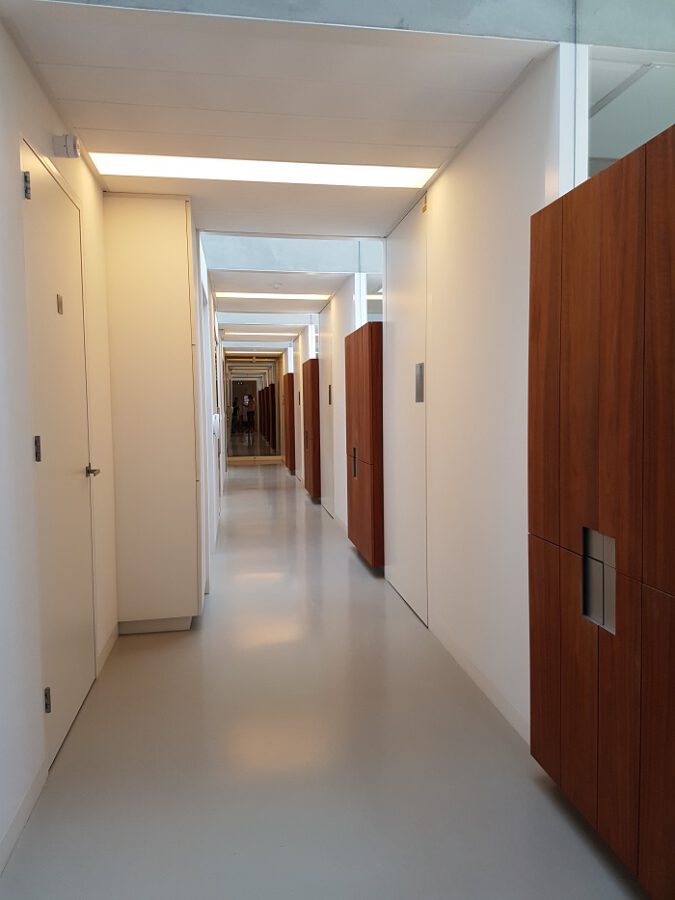
As you can see the practice of Tandarts Jordaan is kind of as beautiful as a dental practice can get:
so you might be rightfully wondering if a dentist in Amsterdam that caters to expats (with all the extra service and perfect English you should expect) won’t cost you an extra kidney to replace that tooth.
Basically this:
Well, good news there! Like we wrote before, all prices of treatment are set by the government. So all that nice stuff, good treatment and those perfect-English speaking assistants are paid by a better rate of efficiency and just opening up more hours. Makes sense as a dentist right? Emergency opening hours or opening up in the evening for a dental practice in Amsterdam don’t have to be more expensive persé.
Bottomline: treat yourself to a dentist that’s in your neighborhood in Amsterdam, speaks perfect English or you just have a good vibe with. They all cost roughly the same 🙂
Anything to add to our discussion about dental costs in the Netherlands or dental insurance in the Netherlands? ‘Fill us in’ in the comments!
* We’ve worked with Tandarts Jordaan on bringing you this article
The RIVM has published the latest count of coronavirus cases in the Netherlands for today, June 18.
The newest count reveals an additional 132 cases of coronavirus in the country. Ever since the outbreak began back in February, there’s been a total of 49,319 cases.
Severe cases of coronavirus have lead to three people ending up in the hospital, where they are now receiving medical care.
Unfortunately, the virus continues to cause casualties. Four more people have passed away, and countrywide, 6,078 total people have succumbed to the virus.
Preliminary analysis reveals one person at Dam protests has coronavirus
The anti-racism protests that occurred two weeks ago in Dam square have attracted both praise and criticism. Critics were concerned over the public health risk posed by a large protest during a global pandemic.
However, it’s been reported by NOS that just one person present at the protests now has coronavirus, and that the individual was not contagious during the time of the protest.
As the incubation period of the virus of two weeks has already passed, it is safe to assume that the protest wasn’t the spike in cases that some people expected it to be.
Follow DutchReview on Facebook for the latest news on coronavirus in the Netherlands.
While it has previously been referred to as ‘the ugliest city of the Netherlands’, Rotterdam is now leaving its legacy behind. The city has now invested €233 million to make seven different awesome green city improvements.
Rotterdam doesn’t fit into the image of picturesque little houses and cute canals of most Dutch cities. During WWII, Rotterdam was bombed more than any other Dutch city. The Netherlands surrendered in time to leave Utrecht (which was next on the German bombing list) with its canals intact. While Utrecht and Amsterdam jauntily flaunt their historic city centres, poor Rotterdam was left in ruins.
But Rotterdam was not to be deterred, and following liberation in May 1945, the city lost no time rebuilding. While for some the rebuilt version of Rotterdam is a concrete nightmare, others find the vibrant, urban vibe refreshing.
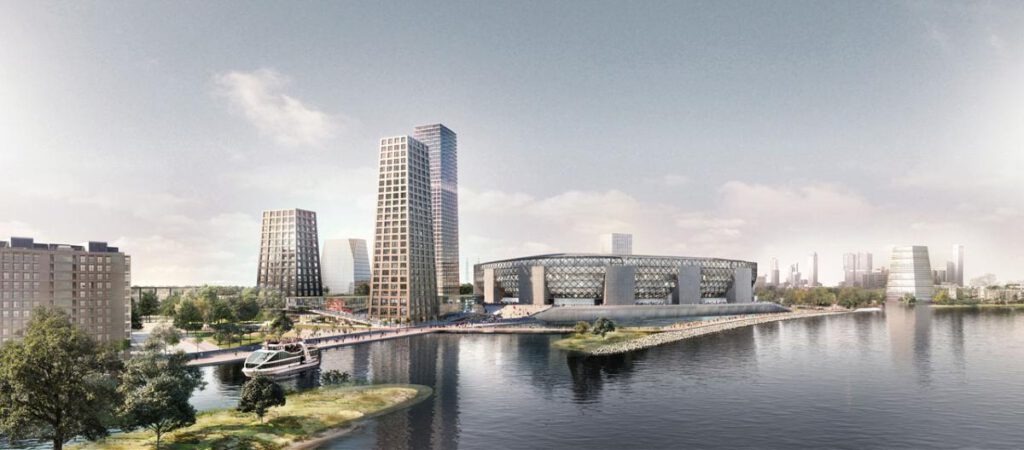
A real football city at heart, the stadium will become the heart of the new developments. Gotta say this might even beat the Johan Cruijff ArenA stadium in Amsterdam. Image: Gemeente Rotterdam/Supplied
Rotterdam onwards stronger
The resilience that Rotterdam showed after WWII has always remained part of the city. Now, the city has launched another mass architectural plan. With the slogan Rotterdam, sterker door or ‘Rotterdam, onwards stronger’, the city will invest €233 million in seven different city projects. This investment aims to counter the negative effects that the coronavirus had and continue to improve the quality and attractiveness of the city.
In a press release, the city has announced that they will invest in ‘corona proofing’ the city. Among other things, they will ensure homeless people have coronaproof housing, ensure all playgrounds and sports fields have appropriate distance and make summer camps for students. “We know our city is beautiful because of the companionship and support we give one another in difficult times”, the press release says, “this is the mentality we want to foster through our investments.”
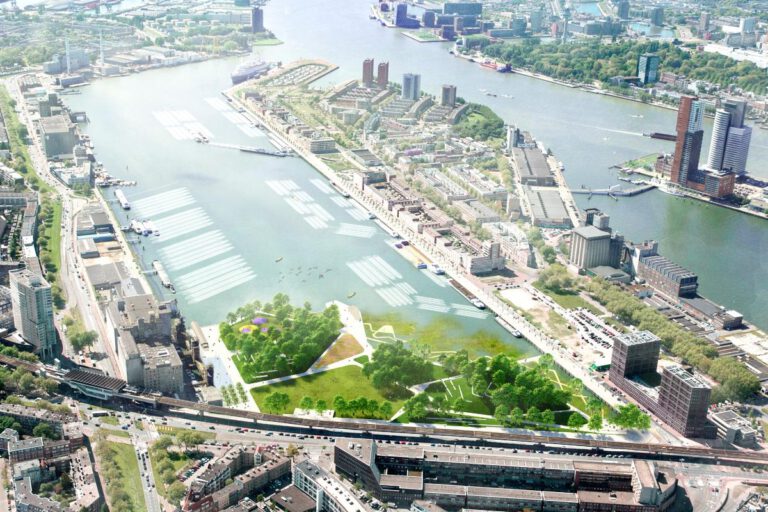
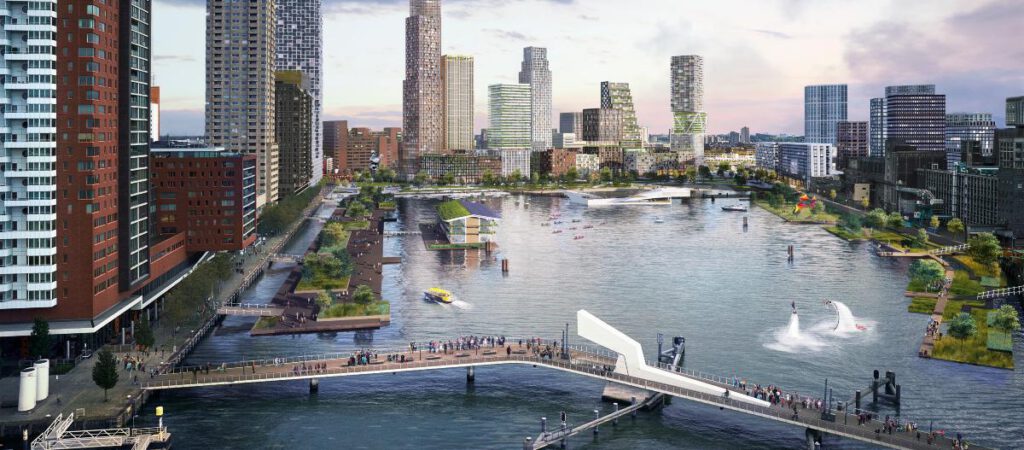
The Rijnhaven will include 2,500 new houses, a city lounge, an eight-hectare park, and new metro stops for easy access. I’m definitely visiting Rotterdam as soon as this is done! Image: Gemeente Rotterdam/Supplied
The city has announced seven areas of focus for the investment, namely: Alexanderplein, Rijnhavenpark, de Hofbogen, Maashavenpark, Hofplein & Blaak, Schouwburgplein and Getijdepark Feyenoord. The focus is specifically on adding green spaces into the city. The projects should be complete in the coming 10 years.
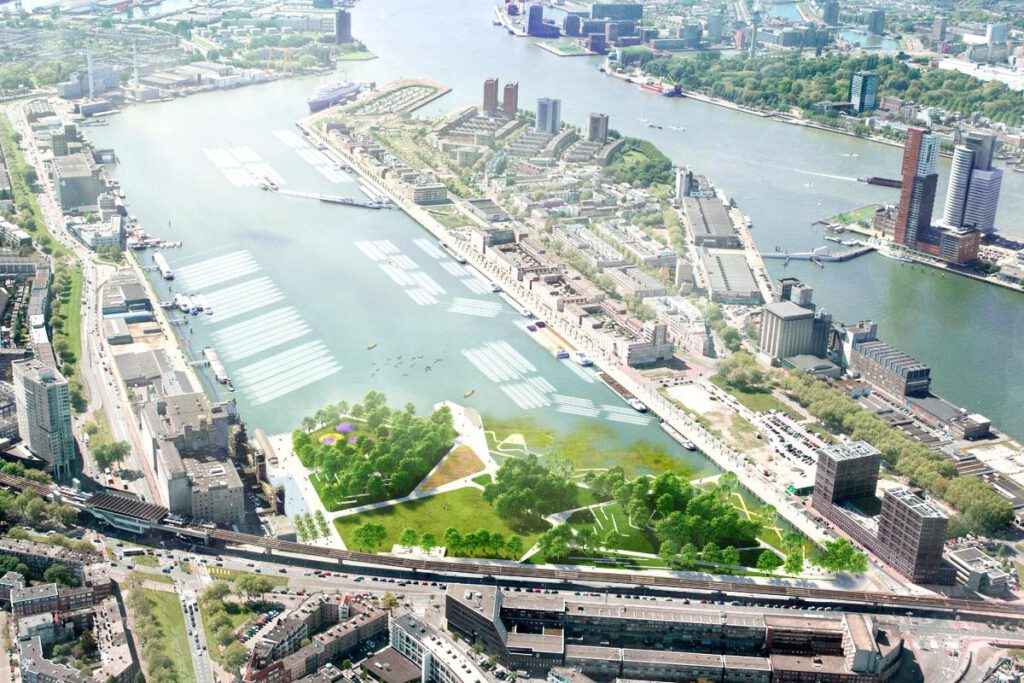
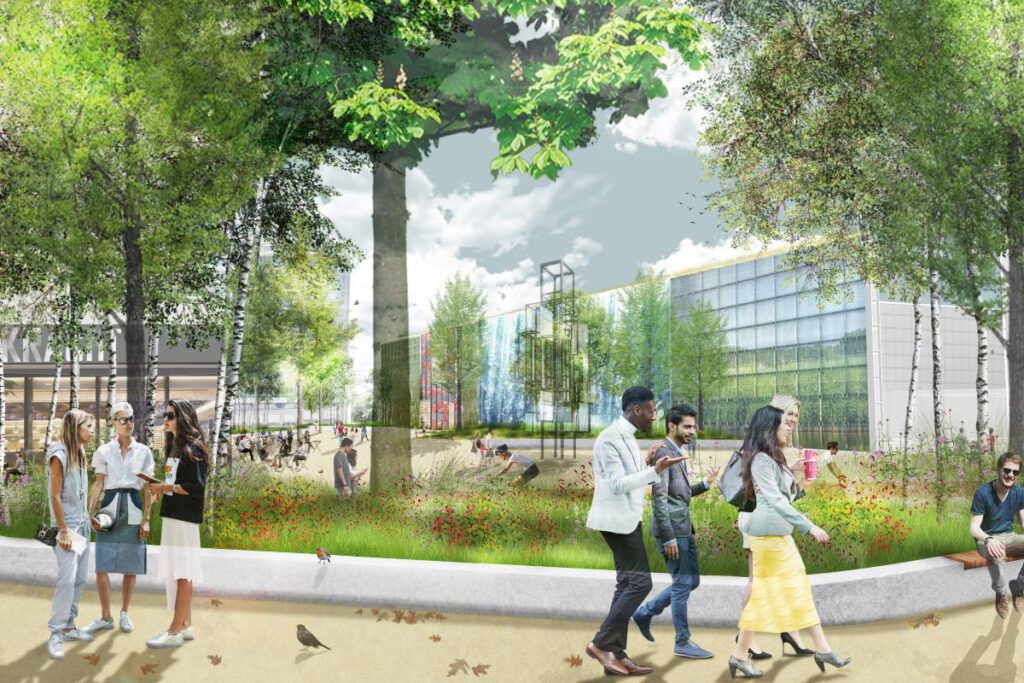
The new Park Maashaven will be seven hectares and prove a green space, as well as areas to organize festivals or events (I can’t wait!). Image: Gemeente Rotterdam/SuppliedThe Schouwburgplein is built on top of a parking garage and will be renovated for larger events. Honestly, I’m considering moving to Rotterdam now. Image: Gemeente Rotterdam/Supplied
Going green
All those previously accusing Rotterdam of being a ‘concrete nightmare’ will be forced to reconsider. As can be seen, the plans look fantastic. The changes are adding the breath of fresh air that Rotterdam sometimes seemed to lack. Even for myself as a hard-core Utrechter, it’s hard not to be swayed by the pictures depicting luscious green fields, trees, and fountains.
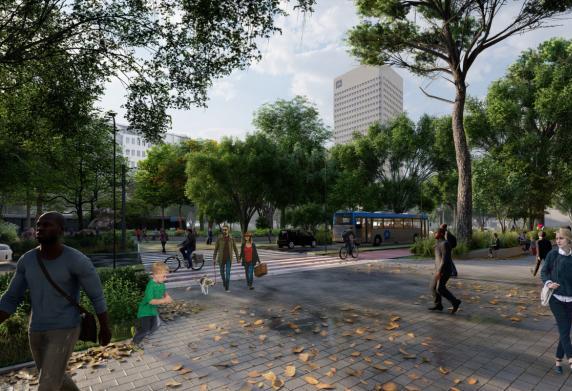
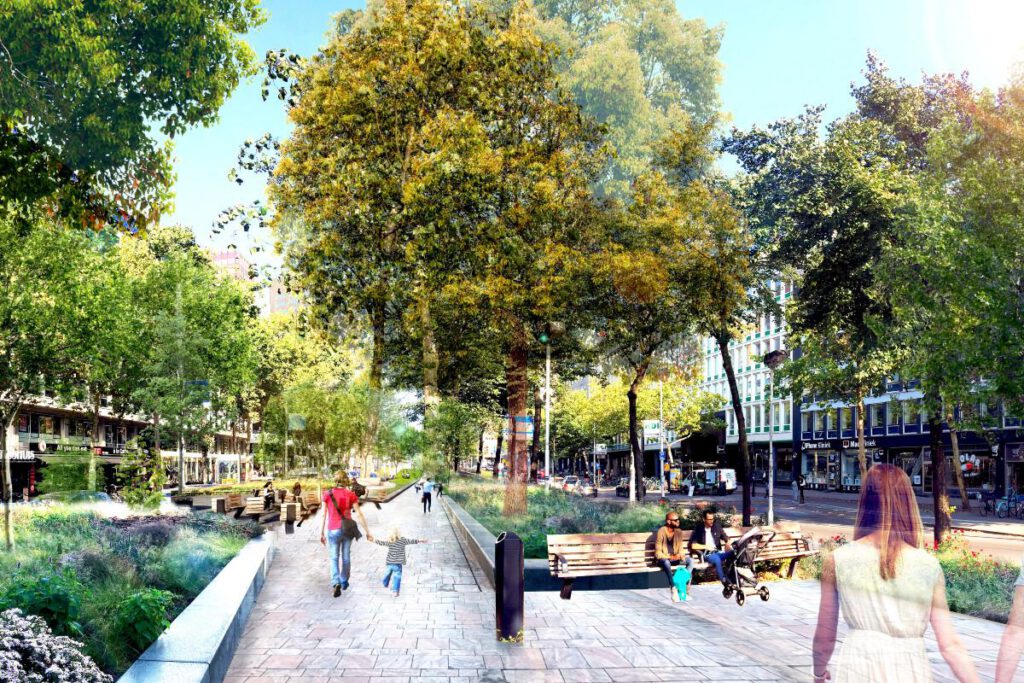
The iconic Hofplein will be revamped with more trees, grass and space for cyclists and pedestrians. I love the change! Image: Gemeente Rotterdam/SuppliedThe future Blaak park will be in the middle of the city. Combined with a decrease in traffic, this will create cleaner air, more space and less noise pollution. Image: Gemeente Rotterdam/SuppliedThe new Prins Alexander park will include new sitting areas and more space for cyclists. Looks like the perfect place to chill or take a walk! Image: Gemeente Rotterdam/Supplied
The new plans also hail a more climate-friendly energy transition. “The city needs to be green. It’s like a breath of fresh air” says D66 representative Arjan van Gils.
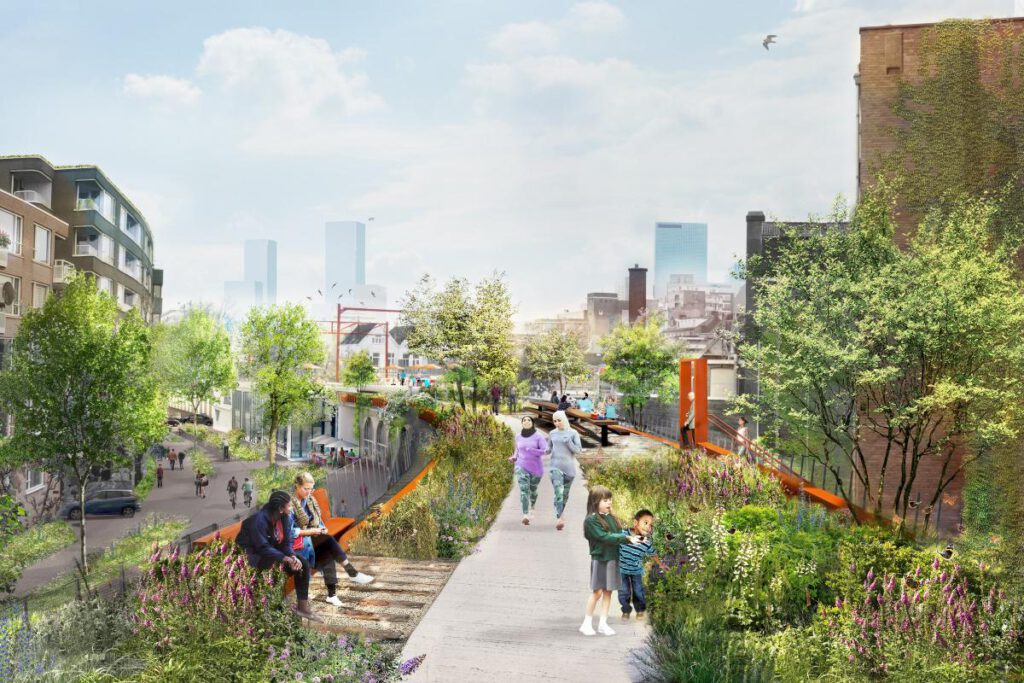
The roof of a railway viaduct, de Hofbogen, will be transformed into a 2-kilometre long walkway (the longest green roof of the Netherlands!). It also includes a circular waterway that contributes to the city’s solutions to climate change. Image: Gemeente Rotterdam/Supplied
So the next time you consider joking about Rotterdam, remember the story of resilience hiding behind the concrete. And if you really must criticise, better hurry up, because in ten years these projects will certainly rival the beauty of other Dutch cities.
What do you think of Rotterdam’s new plans? Tell us your thoughts in the comments below!