Home Blog Page 733

Should you pay for your unhealthy lifestyle? Many Dutch people think you should

0

A recent survey by the Central Bureau of Statistics has concluded that many Dutch people think health insurance premiums should increase for those who have unhealthy lifestyles. 

Just over half of those who completed the survey believe lifestyle should not affect insurance premiums – we should all pay the same. But over 40 percent think if you live an unhealthy lifestyle then you should pay a higher premium.

Is the Dutch healthcare system fair?

The Dutch healthcare is based on the principle of solidarity which means everyone must make insurance payments to cover healthcare costs for both themselves and others.

As it currently stands, the premium each Dutch resident must pay is the same, irrespective of personal choices which knowingly lead to health problems.

Should people be persecuted against for lifestyle choices?

What if we are actively harming yourself? What if we choose to smoke, knowing that it causes great harm?

What if we choose not to exercise? And get health complications from not doing so?

What if we frequently chug alcohol knowing it is bad?

To what extent should we pay for our own undoing? 

Source: jarmoluk/Pixabay

Opinions are split

CBS asked the aforementioned questions to the Dutch public to better understand solidarity with the Dutch healthcare system and opinions on the matter were divided.

52 percent of people who completed the survey think that the premium for smokers should be increased and 20 percent of smokers actually think so as well.

41 percent of the respondents think higher premiums should be imposed for heavy drinkers and a fifth believe the premiums of people who do not exercise should be increased.

Only 3 percent believe people with a genetic condition should pay more for insurance.

What do you think about this survey? Do you think insurance premiums should be awarded on merit? Let us know in the comments below 

Feature image: Free-photos/Pixabay 
Gas stations will sell more environmentally friendly fuel from today onwards

0

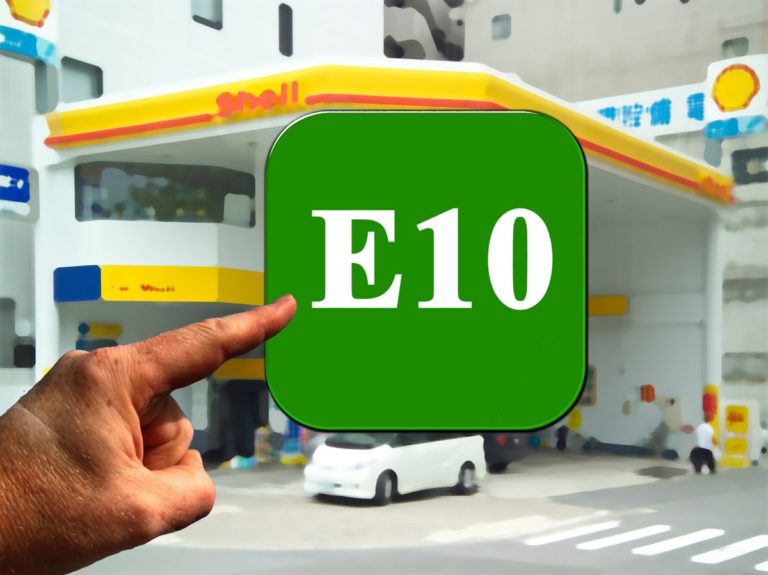
From today onwards, gas stations in the Netherlands will be legally obliged to sell E10 rather than Euro 95 fuel. 

The E10 variant contains up to 10 percent sustainable bioethanol. As a result, cars that run on E10 emit 2 percent less CO2 on average, which is better for the environment. This is a Europe-wide measure. The European Union has decided that gasoline must be mixed with bioethanol, in order to decrease our dependence on fossil fuels. Bioethanol comes from sugar cane and corn.

Old cars are not compatible with the new fuel

The new fuel is not suitable for all cars, complains Bert de Boer of the Federation of Historical Automobile and Motorcycle Clubs. Around 300,000 old timers and ten thousand old motorbikes will not be able to run on the new fuel, and there are also some cars produced after 2000 which are not compatible. Bovag, an industry association, estimates that 700,000 cars will have problems with the new fuel. If drivers are unsure whether their car can run on E10, they can check on e10check.nl.

De Boer lists the main problems old timers could face if they use E10. “Rubbers and pipes can become porous. Leaks can occur as a result.” And according to him, the shelf life of E10 is also limited. “Old-timers are usually in the garage in the winter. If E10 has been in the tank for a while, a chemical reaction results in a kind of thick mess. The tank can therefore start to rust and you will therefore no longer be able to drive.”

Old cars should use premium fuels

To prevent these problems, owners of old cars can still refuel using so-called premium fuels such as Esso Synergy Supreme +, Shell V-Power, BP Ultimate and Total Excellium. These will cost more than E10, about 6 or 7 cents per liter- but because oldtimer cars rarely drive more than a few thousand kilometers each year, the financial impact on the owners of these cars is not likely to be very noticeable.

The new regulation to replace Euro 95 with E10 will only apply to gas stations with more than one pump- it does not apply to the ‘pump in the village’, for example.

Will this new regulation affect you? Do you think it is a solution to the environmental crisis? Let us know in the comments below!

Feature Image: geralt/Pixabay. 


Chaos around The Hague as farmers strike and cause biggest traffic jam ever

3

Hundreds of tractors from all over the country are on their way to The Hague, where the farmers will demonstrate in the afternoon. 

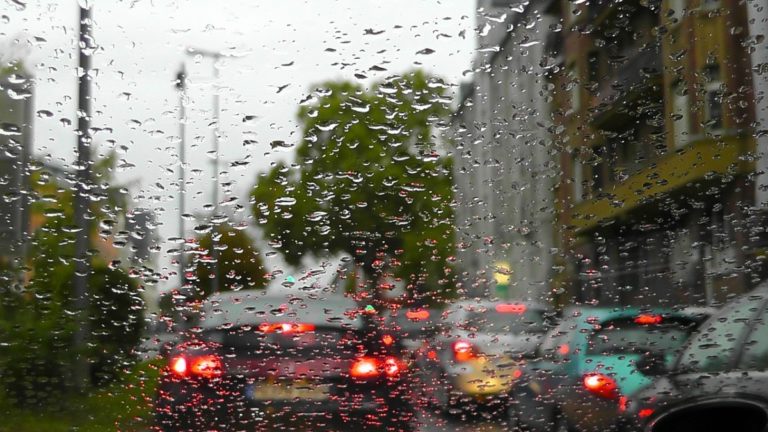
With hundreds of tractors in columns, resulting accidents, and rainy weather, huge traffic jams are occurring in many places. Tractors are making their way into The Hague for the protest at Malieveld this afternoon, while others around the country are driving slowly on main roads to show their discontent. According to ANWB, this is the busiest morning rush hour ever.

What is the protest about?

They no longer want to be painted as environmental polluters who must change as a result of the nitrogen crisis, while other polluting industries such as aviation are left untouched. The Remkes commission has recommended for farms near nature reserves to be bought out, or otherwise changed to be more environmentally friendly. The commission has also suggested lowering the speed limit on regional and national roads. The farmers protesting in The Hague today are also demanding a clear, long-term agricultural policy in the long term.

10,000 farmers and 2200 tractors expected

The organisers are expecting about 10,000 farmers at the “agriactie” this afternoon in The Hague, along with 2200 tractors. The municipality of The Hague will allow only 75 tractors onto the Malieveld. The rest of the farmers will be transported to the site of the protest by shuttle transport.  Carola Schouten, the Minister for Agriculture, Nature and Food Quality, will attend the protest. Some other members of parliament, including D66 member Tjeerd de Groot, will also be there.

Tensions are high

Tensions are high according to NOS, which reports that a farmer has driven their tractor into a fence to enter the Malieveld in The Hague, where the protest will be held. Farmers who could not go to The Hague are still protesting, by driving slowly along the A28 from Hoogeveen to Zwolle. At 8:30 this morning, there were still 1100 kilometers of traffic jams in the Netherlands.

However, according to a survey by Hart van Nederland, 90% of the public does support the protest.

Were you caught in a traffic jam this morning? What do you think about the farmers’ protest? Let us know in the comments below.

Feature Image: Danielle van Leeuwen. 

Major traffic jams predicted this morning as farmers across the nation storm the Hague

Hold your horses if you’re planning on travelling by car this morning. Thousands of farmers are expected to jam the roads with tractors and farm vehicles as they make their way to The Hague for a massive protest, RTL Nieuws reports. 

The farmers are hitting the road to the political capital as part of the #Agractie protest against D66’s plan to halve the amount of cows in the Netherlands in order to reduce nitrogen emissions and free up room for housing.

Understandably, the farmers aren’t crazy about the limits to their livestock and therefore livelihood, and formed the protest in response to a post from sheep farmer Bart Kemps.

“Who is going to The Hague tomorrow? Enough is enough!” Kemps wrote on Twitter. The response? Thousands of farmers will pick up their pitchforks in protest.

More than 10,000 farmers are predicted to make their way to The Hague tomorrow, with 2200 vehicles traversing the road on the way.

 However, only 75 of the vehicles will actually be allowed on the Malieveld in the center of Hague where the protest will take place. The Dutch and their protests, right?

Those travelling the A28 in the direction of Zwolle tomorrow are particularly warned in advance, with farmers planning to block the highway at Hoogeveen. Both lanes and the emergency lane will be blocked by tractors.

Not only will the farmers be storming the city, but heavy rain will cause additional delays.

Tuesday morning traffic, plus farmers protests multiplied by heavy rain is going to make a hectic road recipe. Our vote? Let’s all just stay home.

Have you been affected by the road blockages? What do you think of the protests? Let us know in the comments below!

Feature Image: Holger Schué/Pixabay

Best of DutchReview: 8 unmissable articles from September 2019

0

Whew, what a month DutchReviewers! We know that with all our really, really ridiculously good-looking content, it can be hard to stay up to date.

But we would hate for you to miss out on all this Dutch goodness that we’ve been sprinkling around. So sit tight, because we’re sending the crème de la crème of articles our readers were most fond of over September 2019. Which one was your fave?

64 Things to do in the Netherlands: the ultimate Dutch bucket list

Have you been in the lowlands long enough to complete these 64 bucket list items for expats in the Netherlands? With everything from eating drop to watching a live sex show, this is the ultimate list! What was your score?

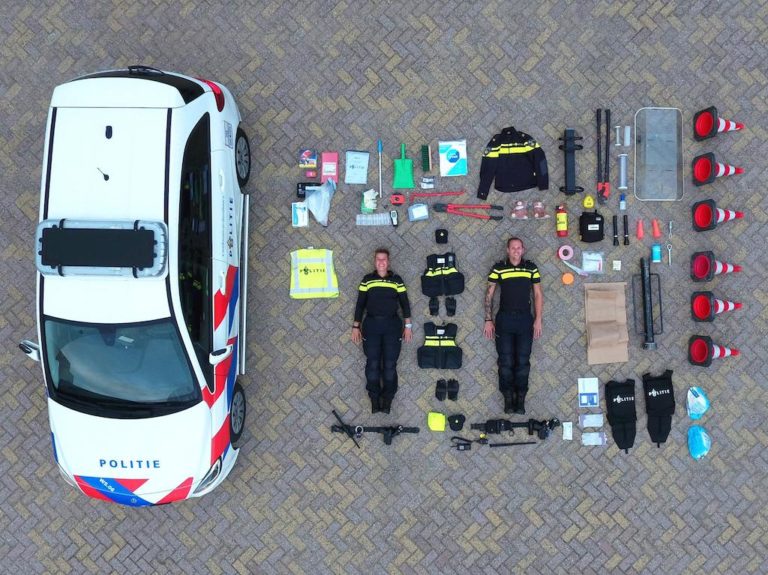
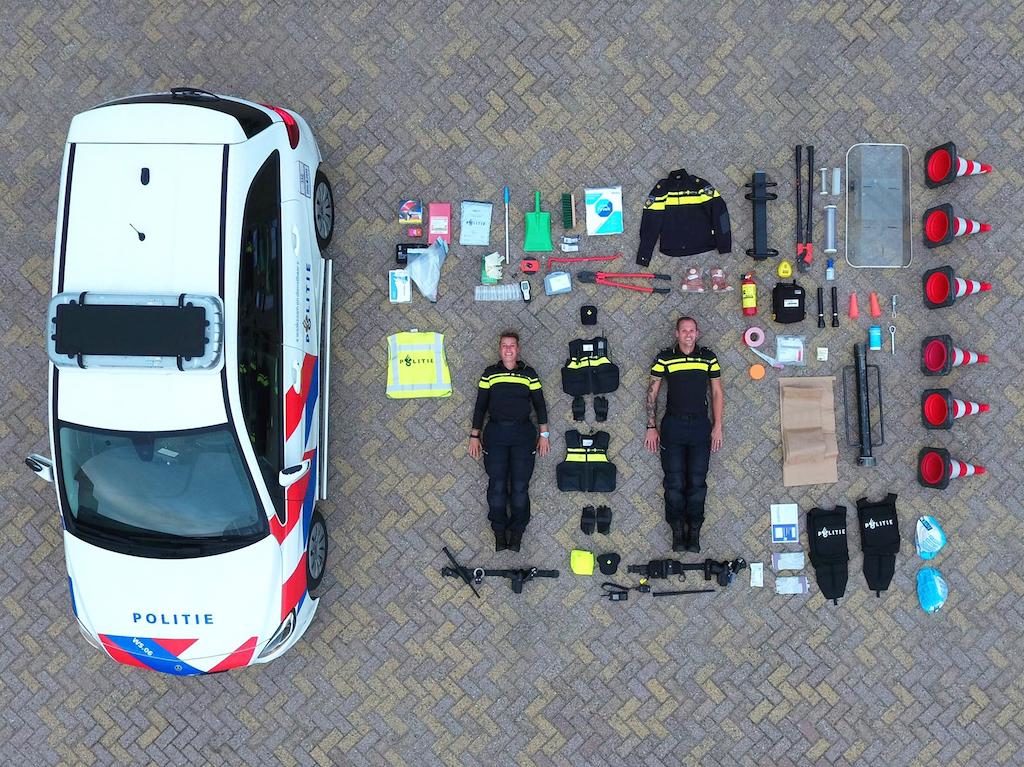
#TetrisChallenge: these photos of Dutch emergency vehicles’ contents will make your day

TetrisChallenge Breda Police Flatlay of Contents of Dutch Police Car

Emergency services are the backbone of a nation, hard workers constantly saving lives, delivering sick people to hospitals, and putting out fires all over the place. Right? Well, sometimes they need a break too – and if its a chance for some good social media attention, well, why not?

These photos of Dutch emergency services completed the #tetrischallenge are guaranteed to put a smile on your dial!

Hidden gems in the Netherlands

Are you a tourist, or a traveller? No matter what, you can rest assured knowing that we’ve got this sturdy list of hidden gems in the Netherlands so you can see how the real Dutch live: it’s not all stroopwafels and tulips after all!

On this day 75 years ago Anne Frank was sent to Auschwitz

On 3 September 1944, Anne Frank and her family were transported to Auschwitz-Birkenau in Poland. Her diary later became one of the closest insights we have into the life of a young Jew during the Holocaust. Read about the lead-up to that fateful day and the aftermath in some #DutchReviewHistory.

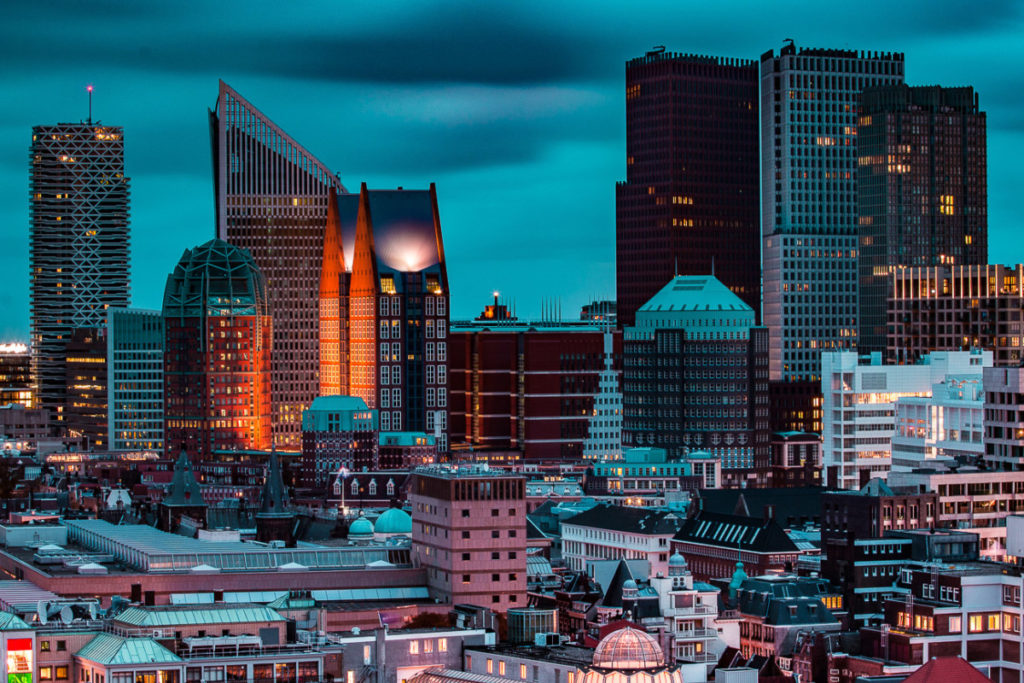
7 Things you didn’t know about The Hague

What can we tell you about The Hague? Um, political capital, we think it has some good food markets and … that’s it. Just kidding! We’ve got seven interesting and relatively unknown facts about the stunning city we all know and love – and we’re throwing them your way!

The Dutch built cities on sinking land: how will this fare with climate change?

Way back before you were a twinkle in your great-great-great-grandmother’s eye, the Dutch battled against the sea – and won. Now their process of reclaiming land is iconic across the world – but could this be jeopardised by climate change?

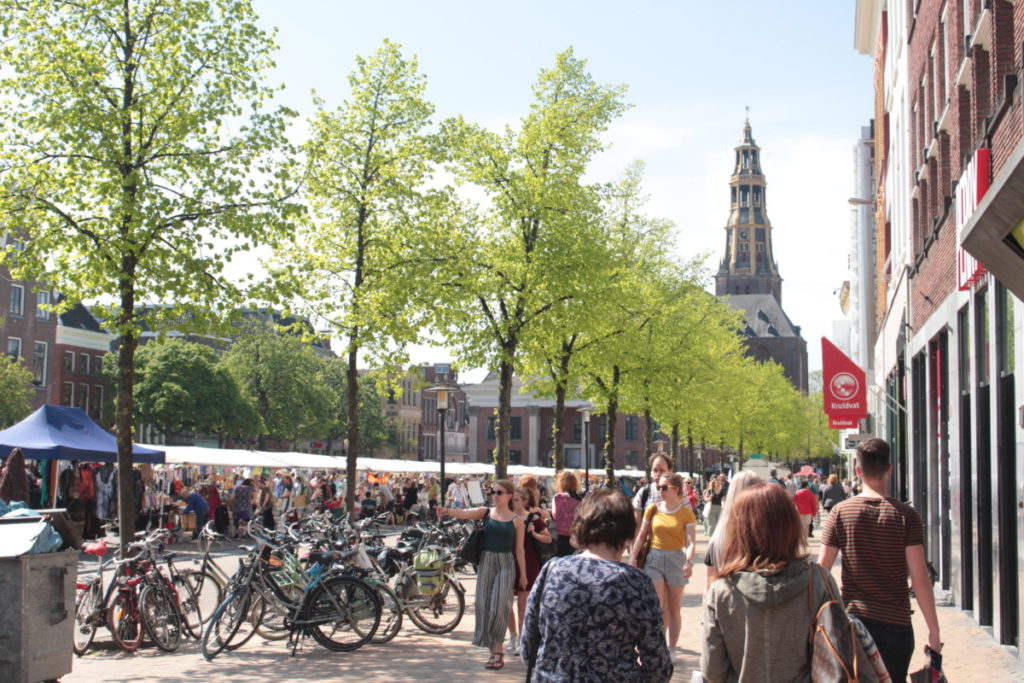
8 things you didn’t know about Groningen

Northern Nederlanders! Despite their biggest city having a virtually unpronounceable name (what is that second g doing in there anyway?!), this bustling city is well worth a visit – and we’ve got 8 things you didn’t know about this quirky and under-appreciated place!

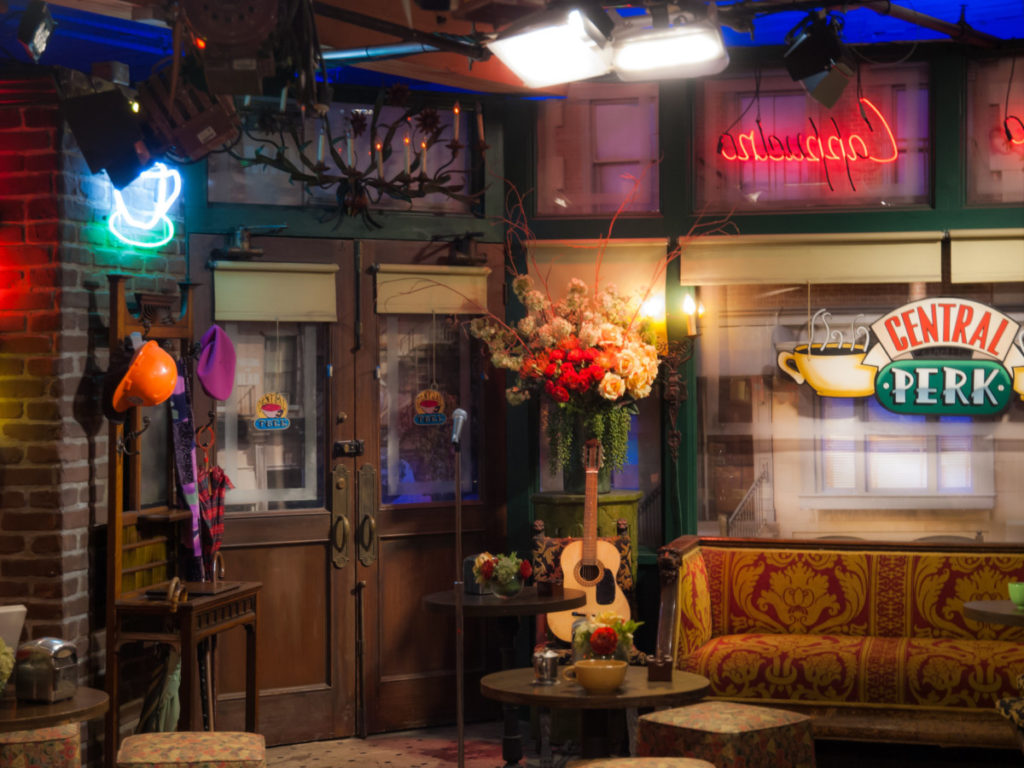
The one where the cast of Friends tried to speak Dutch – and failed

Friends Dutch Central Perk

The most loved sitcom of the 1990’s had a weird fascination with the Dutch – and trying to speak it! We’ve trawled through ten seasons of Friends and collected their worst Dutch moments: could their pronunciation BE any worse?!

There you have it! DutchReview’s most unmissable articles for September 2019. Which was your favourite? Did we miss one? Let us know in the comments below!

Feature Image: @waBredaTuinzigt/Twitter

Bird behind bars; Jailbird arrested by Dutch police on shoplifting charge

0

The Dutch are known for being tolerant and treating everyone equally (but not all the time). Sometimes, no one is spared. Not even this bird (pictured in the feature image and below) could escape from the efficient Dutch politie when he chose to shoplift along with his owner in Utrecht.

This criminal was caught by the Utrecht police and was taken into custody as he was on the shoplifter’s shoulder.

Image: @politieutrechtcentrum/Instagram/edited by RTV Utrecht

The police released the criminal’s photo on Instagram to probably inform citizens of the successful capture of this dangerous bird.

As seen below from their Instagram post, the bird is safely behind bars for now. The wonderful Dutch police have even provided some bread and water. You know how good a country is by seeing how they treat their criminals. Of course, this was still petty theft, so the bird could be released on bail soon. It is not yet known whether it is violent or not, but it is best to be vigilant if this were to happen.

But it could also be a joke because who would actually put a parakeet (?) behind bars, right? Right? They could’ve just not had a cage to put the bird in. Who knows!

*Disclaimer in case the sarcasm didn’t translate through the text: Yes, it was definitely a joke.

Some meme-worthy fun or actual serious news? We think we know what you’re going to say in those comments below!

Feature Image: @politieutrechtcentrum/Instagram/edited by RTV Utrecht

Oktoberfest in the Netherlands: 5 tips on how to celebrate the world’s largest beer festival

0

It’s that time of the year again. Somehow autumn sneaked in, our summer holidays seem too far away to remember and our half decent tan is fading. With the prospect of grey skies, heavy rain and cold weather engulfing us in the coming months, we are in need of a little light at the end of our seasonal depression tunnel. One word: Oktoberfest.

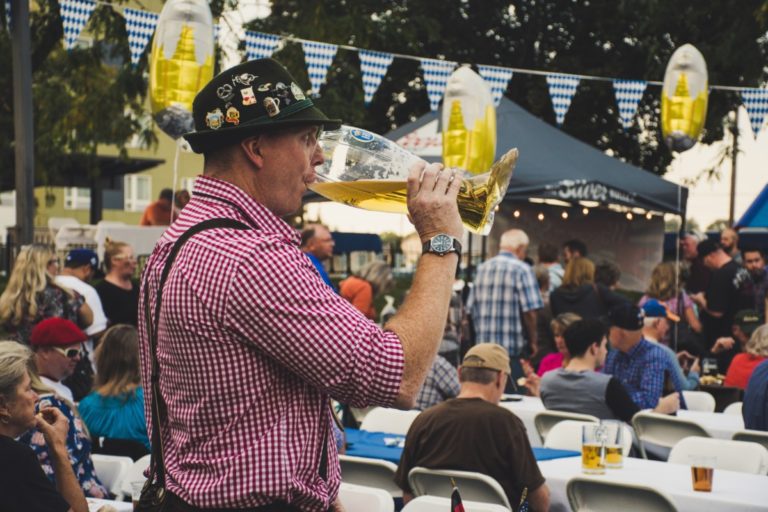
Oktoberfest, since it’s beginnings in 1810, is held annually in Munich, Germany from mid or late September to the first weekend in October. In the last couple of years this 16-day folk festival has attracted more than 6 million people annually. Locals call it simply Wiesn after the colloquial name of the fairgrounds Theresienwiese. Many cities across the world hold Oktoberfest celebrations, modeled after the original Munich event, but this one is the real deal. I know what you’re thinking right now – how can I get the most out of my Oktoberfest experience in the Netherlands?

#1 Dress up in the traditional outfit

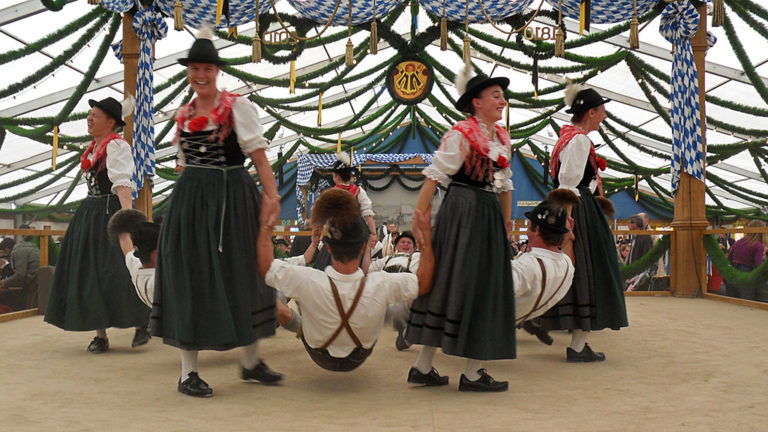
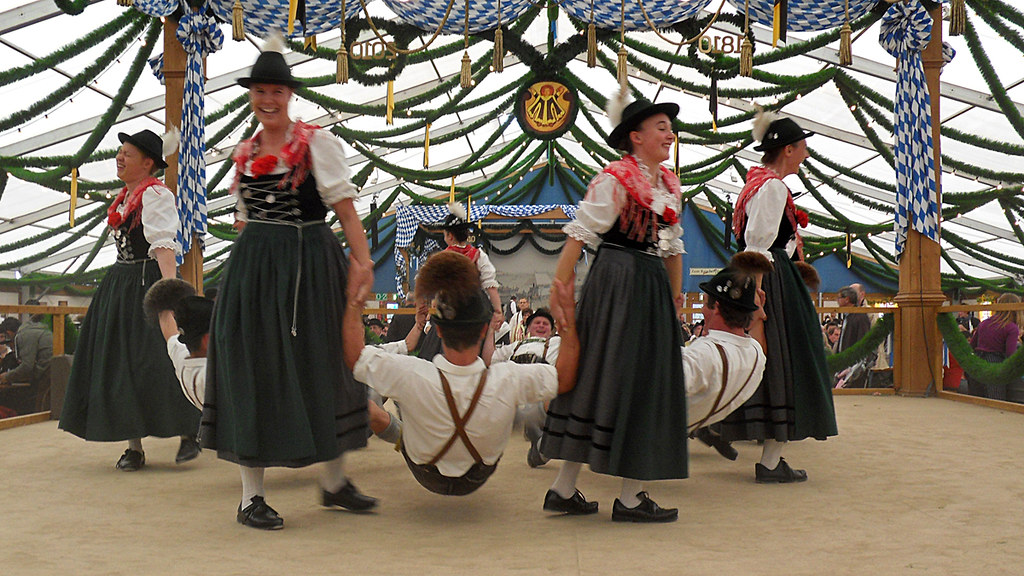
Dressing up is half of the fun, right? Everyone likes to dress up for parties and it’s even better when the entire city of Munich is wearing the traditional outfit for this occasion. Said outfit consists of the typical leather pants, or Lederhosen for guys and a figure hugging dress, the Dirndl, for girls. Just have fun with it and go with the flow. A little dress code tip for the girls: The side on which the Dirndl apron is tied indicates the relationship status of the woman. Left means single, right means in a relationship/married and in the middle means virgin, pay attention boys…

Image: digital cat/Flickr

#2 Choose your toilet time wisely

Needless to say, during Oktoberfest large quantities of beer are consumed, with a staggering amount of approximately 7.7 million liters served in 2013. Lots of beer equals a full bladder, but we know you don’t want to spend all your time on the toilet. Try to postpone breaking the seal as long as possible. When you feel like you’re only minutes away from an explosion, jump up and swiftly make your way to the nearest toilet. We all know that from here onwards your toilet run frequency will only increase, but hey, look on the bright side, at least the facilities are clean, plus the organizers promote an efficient system in order to get you back to your beer as fast as possible.

#3 Resist the temptation…

…of going on amusement rides after many hours of chugging beer – your stomach will thank you later.

…of grabbing the waitress because your drunken self thinks that she is in love with you. A big NO-NO.

…of downing a beer in the music break within 3 minutes and risking being kicked out of the tent. These few minutes of fame are not worth it.

…of taking a nap in the grassy area behind the tents. This area is called Kotzwiese, the so-called puke lawns, and you DON’T want to end up there.

#4 Try the traditional food

Before ordering your first drink it’s wise to indulge in a hearty traditional dish and you can choose from a wide variety like roast chicken (Hendl), roast pork (Schweinebraten), grilled fish on a stick (Steckerlfisch), various kinds of sausages (Würstl, Weisswurst), potato and bread dumplings (Knödel) or cheese noodles (Käsespätzle). The list goes on. A good meal is essential before your visit to Oktoberfest and will also be your best friend once you stumble out of the tent just before making your way back home. Prost!

Image: RitaE/Pixabay

#5 Pick any of these events to celebrate Oktoberfest in the Netherlands

Okay, we’re not going to lie to you: we couldn’t find a lot happening in the Netherlands for Oktoberfest. But do you really think the Dutch would let an opportunity pass to get drunk? Definitely not! There are a few events happening around the country, with the biggest one being Dutch Oktoberfest in Rotterdam. You could also do a bicycle ride in Amsterdam or Eindhoven which finishes with a big Oktoberfest party.

Oktoberfest in Amsterdam:
Bonte Koe Oktoberfest: October 5 at Koemarkt, 1441 DB Purmerend
Oktoberfest Ride: October 19 at Borchland, Amsterdam
Oktoberfest in Tilburg:
Das Oktoberfest: October 4 – 5 at Koepelhal, NS Square, 5014 DA Tilburg
Oktoberfest in Rotterdam:
Dutch Oktoberfest: October 5 at Ahoy Rotterdam, Ahoyweg 10, 3084 BA Rotterdam
Oktoberfest in Eindhoven:
Oktoberfest Ride: October 12 at Cyklist, Eindhoven
Das Oktoberfest Metalfest: October 5 at Klokgebouw, Eindhoven

But we’re pretty certain we missed out on some events. So what did we miss out on? Will you be celebrating Oktoberfest in the Netherlands or will you be making your way to Munich? Let us know in the comments below!

Amsterdam NOT one of the most expensive cities to live in for expats

0

Have you just been on the morning commute, grumbling about how expensive the NS trains are? Have you recently moved here to find out that the high rental prices for a box apartment really puts a damper on your quality of life? Were you surprised by the cost of living in the Netherlands?

Well, you might just have been unlucky because we are in a better position than a lot of people around the world. Amsterdam ranks as the 58th most expensive city for expats on Mercer’s recent cost of living survey. Even Amsterdam’s high cost of living could not be enough to break into the top 50, let alone top 10!

How do they determine the cost of living?

Mercer is the world’s largest human resources consulting firm that has recently released this survey. It looks at spending patterns of expats living in 500 cities around the world. This is not designed to determine the cost of living of locals but is for the benefit of multinational companies to determine wage compensations for their expat employees. They look at “comparative cost[s] of more than 200 items in each location, including housing, transportation, food, clothing, household goods, and entertainment”.

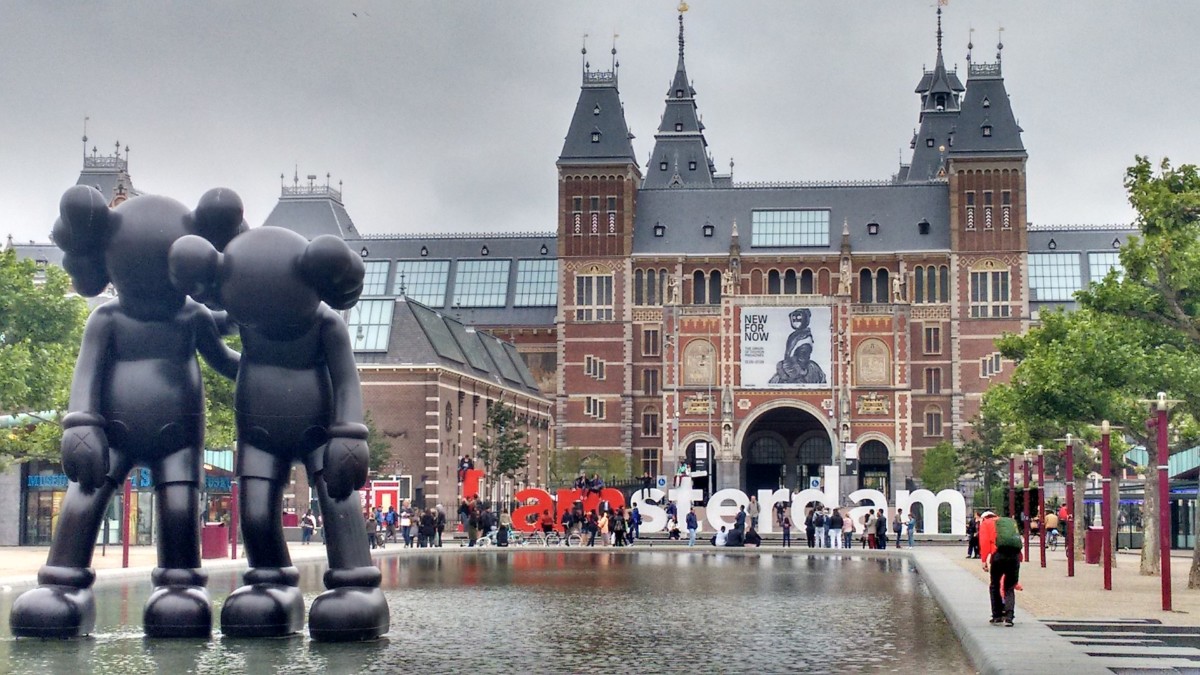
amsterdam

Which is the most expensive city to live in Europe for expats?

Like mentioned before, it’s not Amsterdam. It doesn’t even come close at rank 58. It has dropped eight whole places as compared to its position (50) in 2018! We do complain a lot, but there must be something going right.

Of the top 10, only one European city cracks through – Zurich at position five. This one has also dropped two places since 2018. The other cities that find their place in the top 20 are Bern (12), Geneva (13), and Copenhagen (20). London dropped four places with its ranking being 23 this year. The most shocking change from last years list would be Ashgabat in Turkmenistan with its ranking being 43 last year and number seven this year. Singapore (3), Beijing (8), New York City (9), and Tel Aviv (15) have higher rankings this year.

But which city is the most expensive to live in for expats in the world? Hong Kong and Tokyo retain their first and second positions respectively from last year. Tokyo is also dubbed as the safest city in the world, and our beloved Amsterdam being ranked fourth globally.

Are you as surprised as we were? Let us know in the comments below!

Feature Image: Abhishek Baadkar/Pixabay

5 Free things to do this October in the Netherlands

Excited for October? – the Halloween parties, the promise of comfort food and hot pumpkin spiced drinks – but short on cash? Here are 5 FREE things you can do this coming month in the Netherlands. 

#1 Join in the festivities at Leidens Ontzet

When: October 2 – 3
Where:
Leiden

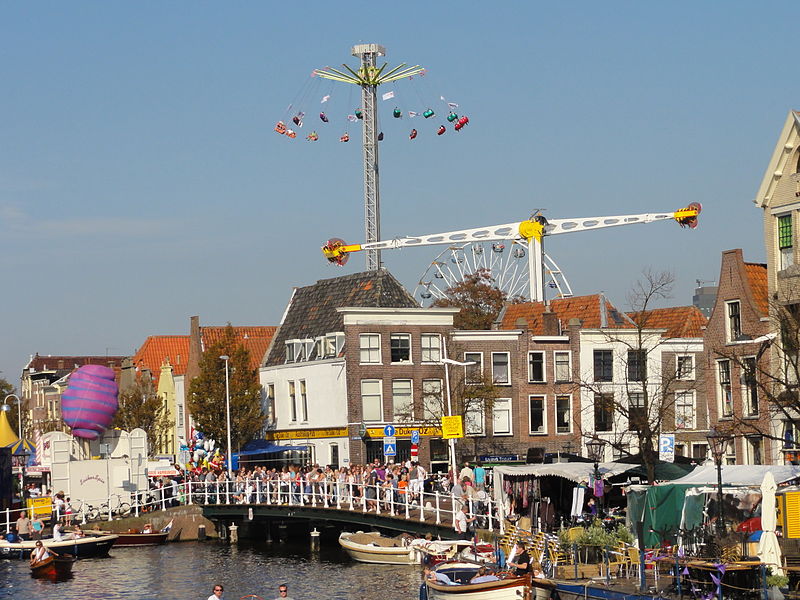
During this festival, the streets of Leiden are full of merry Leideners – eating (the Dutch delights Hutspot and Hollandse Nieuwe Haring), drinking copious amounts of alcohol and celebrating this day of relief as they have been doing each year since 1886.

The public holiday dates back to October 3, 1574, during the ‘Eighty Years’ War’ between the Spanish and the Dutch, when the Spaniards ceased their attack on the city. It’s a HUGE deal in Leiden: kids get the day off school and city services are closed.

Across the two days, Leiden will be full of markets, parades and funfairs, culminating in an awesome firework show.

Leidens Ontzet
Leiden like you’ve never seen it before. Image: Biccie [CC BY-SA 3.0], via Wikimedia Commons

#2 Latin Jazz at the Prael Houthavens: Pancho’s Orchestra

When: October 6
Where: De Prael Houthavens Brewery, Nieuwe Hemweg 2, 1013 BG Amsterdam

If you’re after some smooth Latin jazz in Amsterdam, but don’t have enough to dish out cash for a paid event, then go watch Pancho’s Orchestra perform. They’re a 16 member band that are great at getting you to swing your hips to some Cuban claves, salsa and South American music!

#3 Diwali in the Netherlands

When: October 12
Where: Stadsplein100, 1181 ZM Amstelveen

Pronounced as dee-va-lee, Diwali is the festival of lights that is celebrated every year in India. For all the Indian expats reading along, you will be familiar with this one. For everyone else, it’s one of the biggest and most important Hindu festivals in all parts of India. Go to Amstelveen to know more about Indian customs and traditions, enjoy dancing to Bollywood music, and treat your tastebuds with delicious food!

Diwali
Image: Vikas Sawant/Pexels

#4 Visit the world’s biggest club festival: Amsterdam Dance Event

When: October 16 – 20
Where:
Do you really need to ask?

If you can’t afford the night-time festival events at ADE this year, why not simply experience the hype of the city?

By day, the electronic dance festival is mostly free. There are a bunch of in-store DJ showcases and music-related films, talks, exhibitions taking place in venues across Amsterdam. Check out their full program on their website!

#5 Biergarten Tilburg Herfstfestival 2019

When: October 4 – 5
Where: Spoorzone, Tilburg

Autumn is the season for all the beer connoisseurs to enjoy their burgandy beers! That is exactly what this event promises. The entry is completely free and everyone can drink what they want (as long as they are of legal age, of course). They will have three differently themed spaces – Buck Garden, Brew Factory, and Autumn Garden. Each of them have their own thing happening, so go check out their Facebook event for all the information you need to have a beer-tastic festival!

Special mention: Crossing Borders Festival

When: October 29 – November 3
Where: Various locations in The Hague

We don’t know how to tell you this, but this particularly amazing, exciting, and international music and literature festival is not for free. We thought we’ll tell you anyway because we’re sure you’d want to go!

It is happening for the 27th time this year, so you know it’s a successful festival. Big international music talent and icons like Mumford & Sons and Lou Reed have made an appearance in the past and this year, they have many other exciting stuff coming up. If you want to know more about the Crossing Borders Festival in the Hague, we have everything covered for you!

And there you have it: 5 glorious free events in the Netherlands to scribble into the calendar this October. It’s gonna be a fun one!

Feature Image: Brett Sayles/Pexels

Up to 25,000 people at climate strike in The Hague today

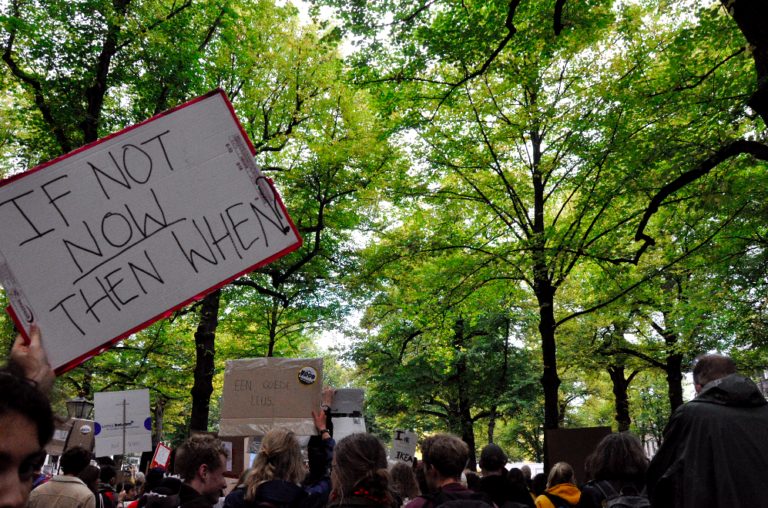
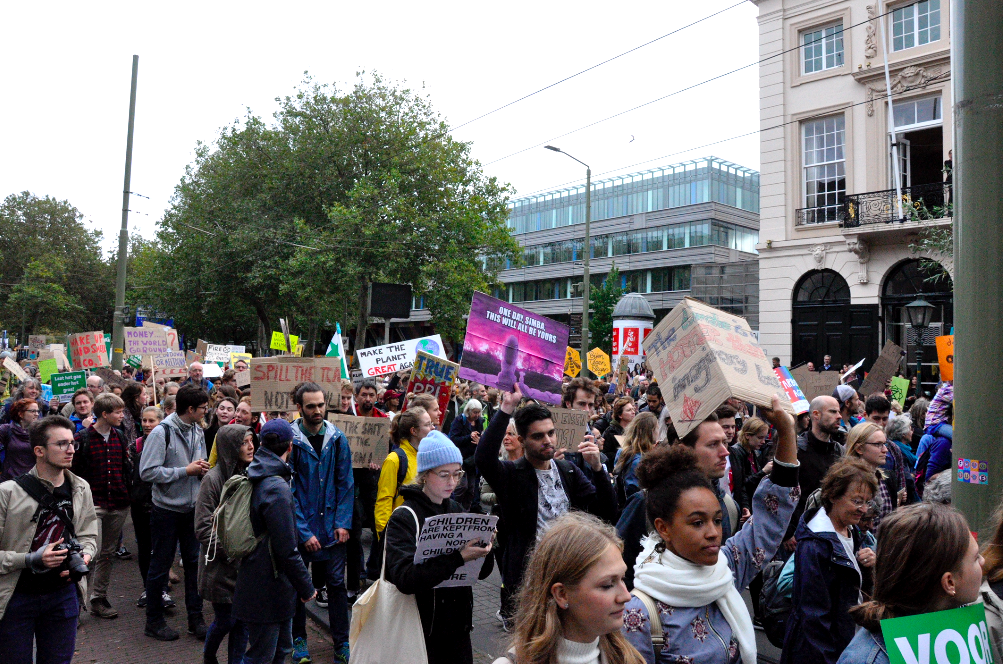
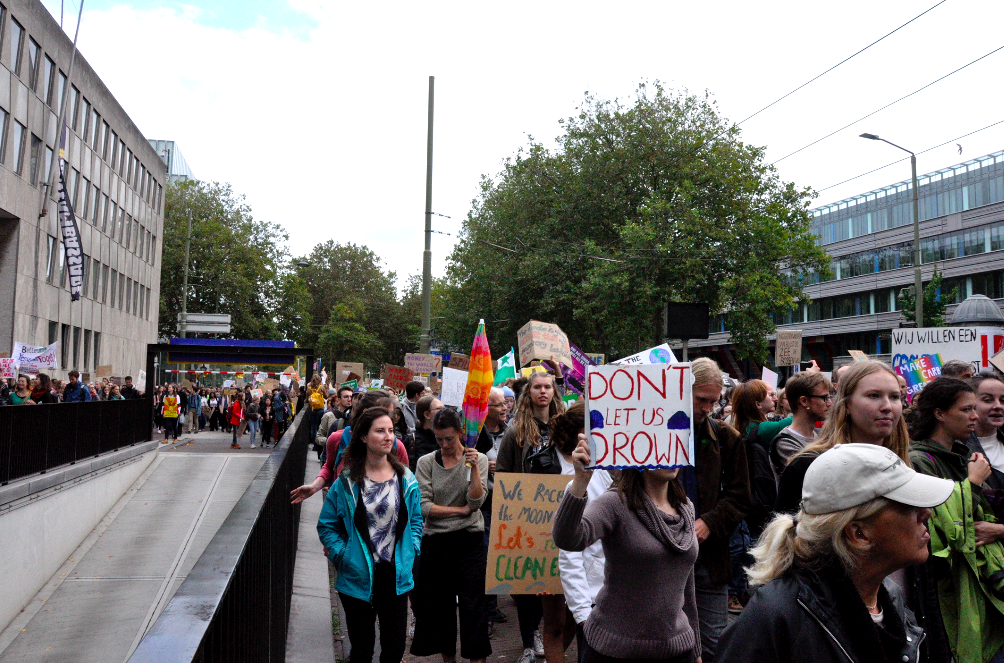
Today, at 1pm, over ten thousand people gathered in The Hague to protest against the Dutch government’s handling of the climate crisis, as part of a global strike relay.

The climate change protest in The Hague

The protest today in The Hague was organised by several different groups, including Fridays for Future and Extinction Rebellion. They demanded that the Dutch government commit itself to an ambitious and socially just climate policy.

The police have not yet released an estimate of the number of demonstrators, but according to NOS there are at least 15,000. The organisers themselves speak of more than 25,000. The crowds have been so big that the police have ordered the organisers to move to Malieveld, rather than the smaller Koekamp. Koekamp was the original location for the beginning and end of the protest and has now been blocked by trams by the police.

Estimates say that between 15000 and 25000 people were at the protest in The Hague today. Image: Teresa Gubern.

This protest in The Hague is part of a worldwide relay strike that New Zealand began this morning. Earlier this week, the UN summit was held in New York. That is why organizers felt like this would be the best time to hold the protest week for climate justice.

How is the Dutch government handling the climate crisis?

Public awareness of the climate crisis has grown in recent years in the Netherlands. Most Dutch people believe that climate change can only be averted by government action and by big businesses altering their production methods. Only 42 percent believe that their own actions have an impact on the climate crisis, according to a report by I&O Research.

Public awareness of the climate crisis has been growing recently in The Netherlands. Image: Teresa Gubern.

The Netherlands was the first country in the world to become legally obligated to mitigate the impacts of climate change, following the Urgenda ruling. The Urgenda ruling makes it illegal for a government to allow dangerous climate change to happen. The Dutch government has repeatedly attempted to overturn this ruling, but so far it has been upheld.

According to Fridays for Future Nederland, the Dutch government’s actions have not been in line with the decision of the court- meaning that it has not taken sufficient measures to evade dangerous climate change. Fridays for Future Nederland argues for a Green New Deal, which would include a fundamental reorientation of the economy, making affordable eco-friendly alternatives available to everyone (such as public transport in place of flights, sustainable homes and workspaces, and plant-based locally produced food), and working to protect nature and biodiversity (by combatting the nitrogen crisis, for example).

What do you think of the climate protests in the Hague? Let us know in the comments below!

Feature Image: Teresa Gubern/Supplied.