


Every year, thousands of international students and expats arrive in the Netherlands full of dreams and with eyes that sparkle. The Dutch life is exciting and full of possibilities… until they decide to go to IKEA to furnish their new room.
That’s when you realise that a bedside table costs as much as the entire budget you saved to transform your room into a cosy refuge. Suddenly, the idea of furnishing your student bedroom seems impossible. But no need to panic.
The truth is that the secondhand culture in the Netherlands isn’t just alive, it’s a true lifestyle. From kringloops (thrift stores) to chaotic Facebook groups, there’s an entire variety of cheap alternatives just waiting to be discovered.
This guide will show you where to go, how to shop smart, and which pitfalls to avoid when shopping secondhand in the Netherlands.
Kringloop stores: hidden treasures just around the corner
In Dutch, kringloop means “recycling”, and that’s what these stores are all about.
They’re not the “fancy” thrift shops that pop up in every city (more on those later); they’re run by social cooperatives and nonprofits that aim to reinvest profits in environmental projects and provide jobs for the community.

Large chains like Het Goed, RataPlan, Dorcas, and Noppes have become local institutions.
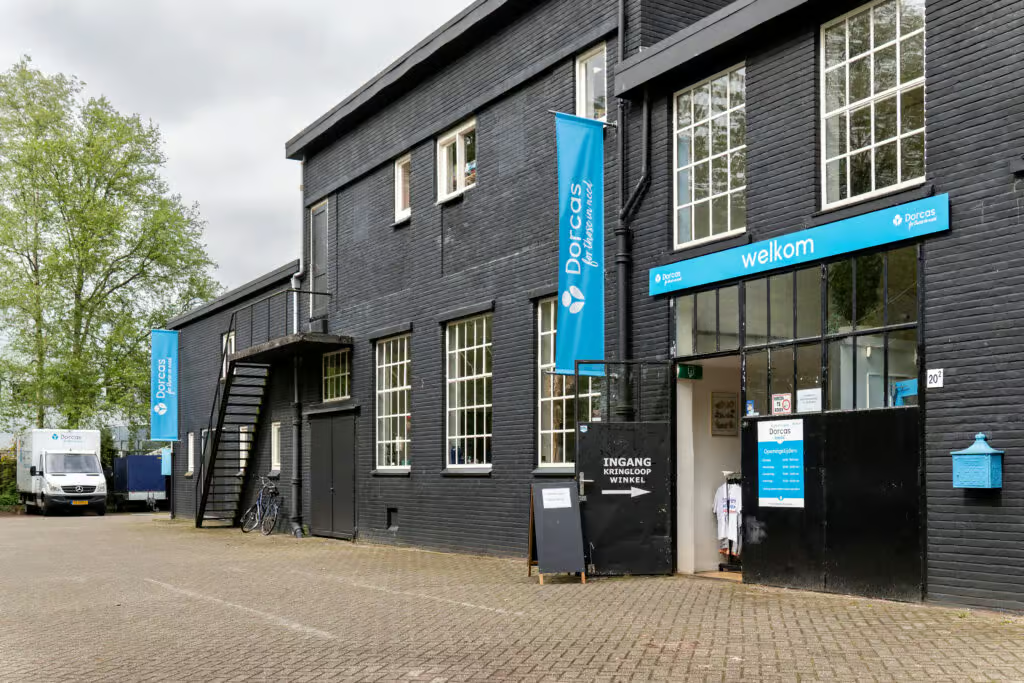
Inside, you’ll find everything: shelves full of dusty books, 1980s kitchen sets, bicycles that have seen better days, and lamps that could transform your room into a vintage film set.
READ MORE | Dutch Quirk #84: Buy everything from IKEA and then donate it to a kringloop a year later
The best part is that the prices are truly unbeatable; think €2 for a mug, €20 for a chair, €100 for an entire sofa.
The secret? Go early in the week, when the best pieces arrive after the weekend’s large donations. You could easily furnish your entire room for less than €150.
Marktplaats and Facebook Marketplace: let the online hunt begin
If the kringloop is considered a thrifting paradise, Marktplaats is its digital counterpart. Think of it as a Dutch Craigslist with an endless catalogue: from bikes to chairs, wardrobes, clothes, and even apartment plants.

READ MORE | Furnishing your house in the Netherlands: the ultimate guide
The pros? The prices are incredibly low, the ads are local, and the selection is practically limitless. But be careful: don’t expect home delivery; sellers want you to pick up the item in person and pay in cash (or via Tikkie).
As with any digital platform, watch out for scams and remember to follow these simple rules to avoid fake profiles: never give money up front and always meet in person.

Also, don’t be afraid to negotiate: just as on any other second-hand platform, it’s perfectly normal to offer €35 for an item listed at €50. If Markplaats is not your cup of tea, Facebook Marketplace is an excellent alternative, where you can interact with verified profiles and international sellers.
Lastly, check WhatsApp and Telegram groups like “Free Furniture Leiden” or “Student Swaps” to find free items, as long as you are willing to pick them up.
Vintage and boutique stores: the fancier option
Rummaging through endless piles of clothes and dusty chairs isn’t your thing? There are always vintage shops and boutiques at slightly higher but still reasonable prices.

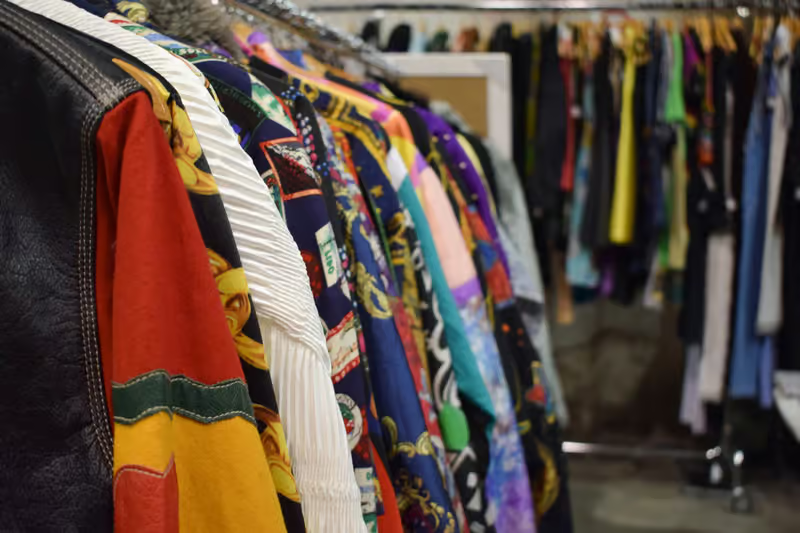
In cities like Amsterdam, Utrecht, and Rotterdam, chains like Episode, We are Vintage, and Zipper are popular: curated items selected and organised by season, with some designer gems here and there.
The pros? Trendy, good-quality clothes with a slightly retro yet timeless edge. Don’t expect €5 jeans, but you can still find Levi’s for €30.
The selection of furniture is limited, but there’s plenty of clothing. The trick: buy statement pieces you won’t find in any mainstream clothing chain.
King’s Day flea markets: the ultimate Dutch tradition
Every April 27th, when cities across the Netherlands mobilise for the biggest celebration of the year, the streets transform into a yard sale: roads, canals, and squares filled with market stalls selling books, games, clothes, and kitchen utensils.
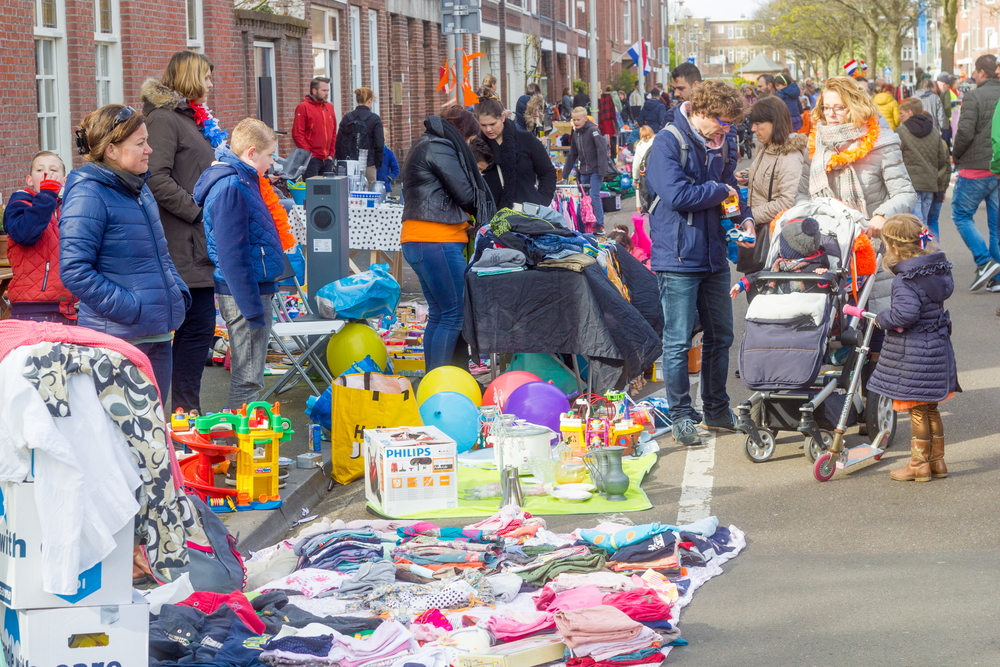
Prices are incredible: from €1 for a pan to €5 for a coat. The best strategy is to arrive early in the morning, when you can find all the stalls still full.
Alternatively, consider going around 18:00, when they lower all prices to clear out the remaining stock. Be prepared to haggle (it’s almost a tradition at these stalls) and bring cash and coins. Don’t forget a large bag!
In conclusion, there’s no need to panic if a sofa at IKEA is €900; the Dutch got your back with their second-hand culture, which is affordable, green, and trendy.
Between kringloop stores, Marktplaats, vintage boutiques, and King’s Day stalls, it’s possible to furnish your bedroom and stock your closet without breaking the bank. It might not look like it came straight out of Pinterest, but it will certainly be unique.
How do you like to second-hand shop in the Netherlands? Let us know in the comments!


I love Kringloop. I moved to the Netherlands recently as a senior.
I found so many things I needed at Kringloop. These stores are fantastic.