

Moving to the Netherlands comes with a steep learning curve. And yes, that includes the supermarket.
The Dutch grocery landscape has its own unwritten rules, quirks, and surprises that can catch newcomers completely off guard.
From pricing strategies that border on performance art to some very firm opinions about plastic bags, here’s what you need to know before you wheel that winkelwagen (shopping trolley) down the aisle.
- The whole system revolves around sales (kortingen)
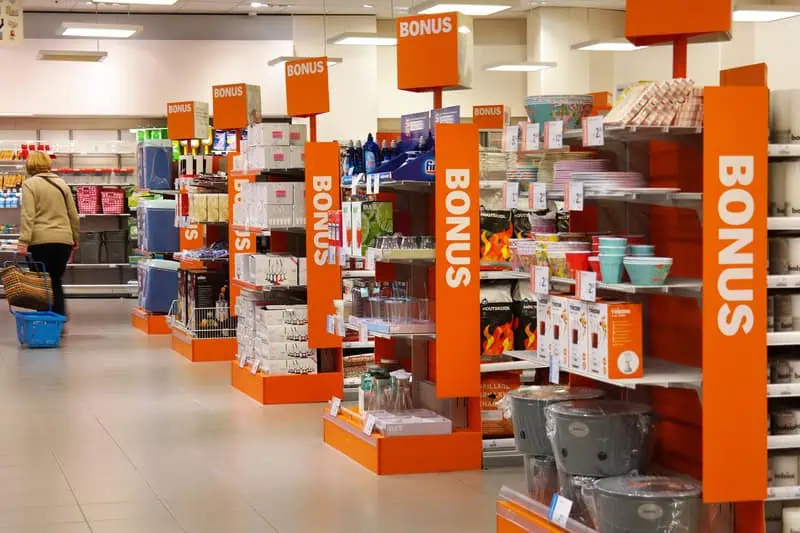
You’ll notice it in your first week: a packet of cheese for €6.49 seems steep, but there’s a bright yellow sticker next to it offering two for €5. Suddenly, it makes sense.
Welcome to the Dutch aanbieding (sale) culture.
Grocery prices in the Netherlands are high by European standards when purchased at full price. But the Dutch didn’t become famously frugal by accident.
They’ve built their shopping habits almost entirely around promotions. Weekly aanbiedingen rotate across all the major supermarkets, and many Dutch households plan their meals around whatever’s on offer that week.
The trick is learning when and where to look. Apps like the Jumbo and Albert Heijn apps, or aggregator apps like Reclamefolder, let you browse the week’s deals before you leave the house.
Once you start shopping this way, full-price items start to feel almost offensive.
- That pack of biscuits keeps getting smaller
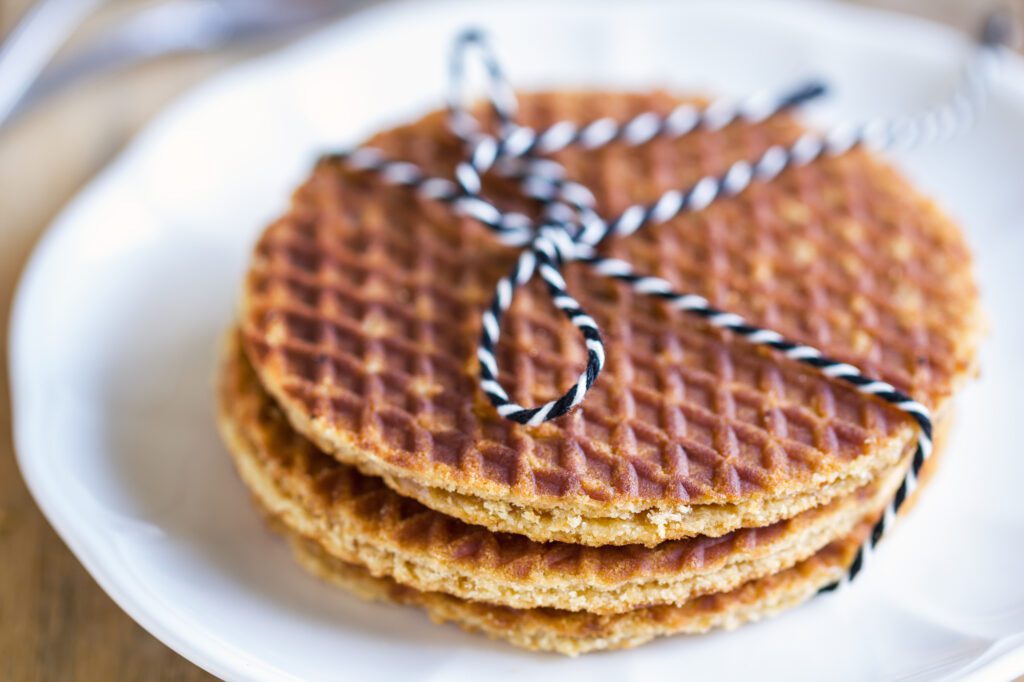
You’re not imagining it. That box of stroopwafels you bought three months ago definitely had more in it.
Shrinkflation is the practice of reducing product size while keeping the price the same, or even raising it. It’s a widespread issue in Dutch supermarkets, as it is across Europe.
Manufacturers quietly shave a few grams off a packet of crisps or reduce a juice bottle from 1 litre to 850ml, and most shoppers only notice when something tastes like it’s gone too fast.

Consumer organisation Consumentenbond has tracked dozens of examples in recent years and regularly names and shames the worst offenders.
- Not all supermarkets are equal (and your wallet will know it)
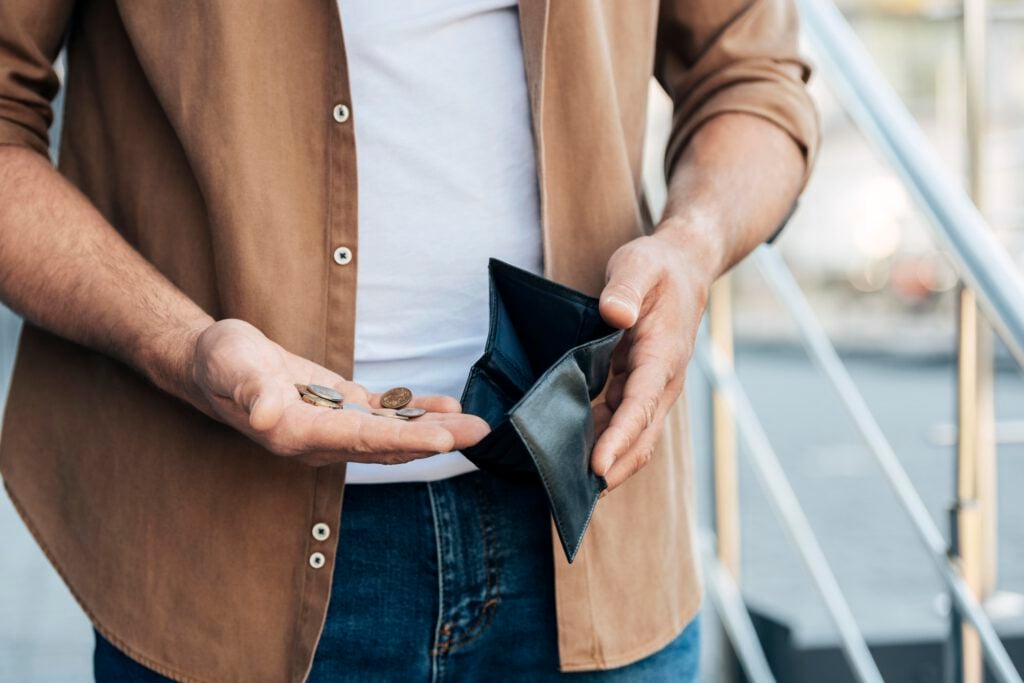
The Netherlands has a clear hierarchy in grocery pricing, and it’s worth knowing where you stand.
At the budget end, Dirk consistently comes out as the cheapest option for everyday staples. It’s no-frills, it’s efficient, and it does the job.
Lidl and Aldi also punch well above their weight in terms of value, particularly for fresh produce and own-brand products.
In the middle, you’ve got Jumbo and Plus: solid all-rounders with decent quality and reliable promotions.
At the top of the pile sits Albert Heijn, or the appie as it’s universally known. It’s the most ubiquitous supermarket in the Netherlands and also the priciest.

The quality is generally good, the app is excellent, and their Bonuskaart loyalty card is worth getting. But you’ll pay a premium for the convenience and the sleek blue branding.
The rule of thumb: do your big weekly shop at Dirk or Lidl, and use AH for top-ups when it’s the only option (which, in many Dutch towns and cities, it very often is).
- You can also just… not go to the supermarket
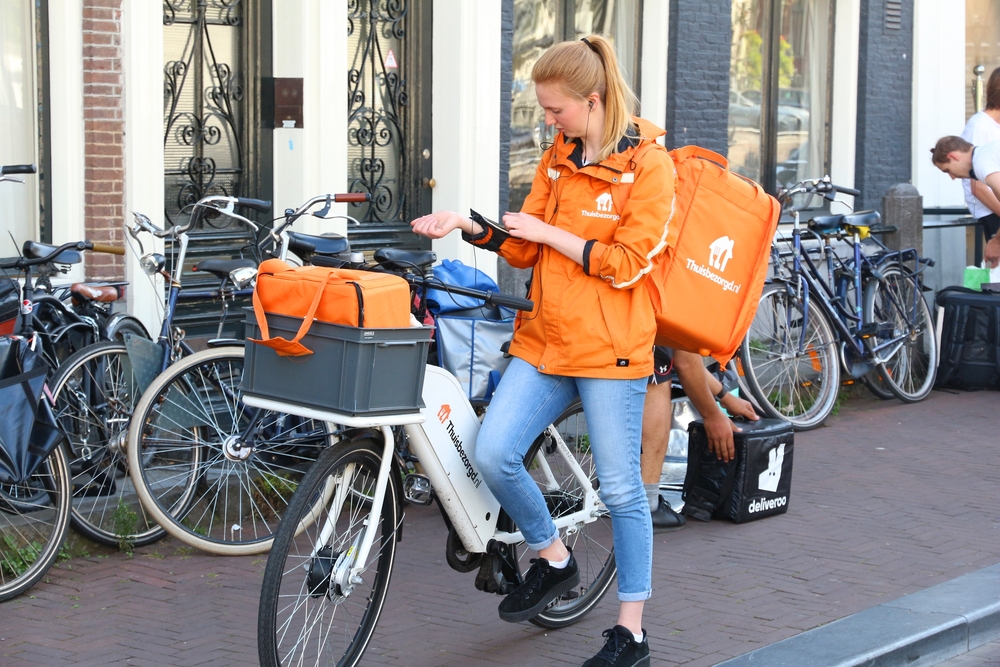
Online grocery delivery is well-developed in the Netherlands, and it’s worth knowing your options.
Picnic is the most popular dedicated grocery delivery app. It’s app-only, operates on a fixed daily route in your neighbourhood, and is often competitively priced, with no delivery fee if you meet the minimum order.
Albert Heijn and Jumbo both offer same-day or next-day delivery through their own platforms, though these tend to be pricier.
In larger cities, some typical takeaway apps offer grocery delivery services. Yep, that means you can order groceries in Rotterdam using Thuisbezorgd.nl.
For those who want a middle-ground option, click-and-collect (ophalen) is widely available and lets you shop online, then pick up at a time that suits you. Especially useful if you’ve just moved and haven’t quite figured out the local supermarket layout yet.
- You either bring your own bag or pay for one
This one’s straightforward, but it still catches people out.
Since 2016, single-use plastic bags have been charged for across Dutch retailers. You’ll typically pay somewhere between €0.25 and €0.50 for a plastic bag at the checkout, depending on the shop and the size.
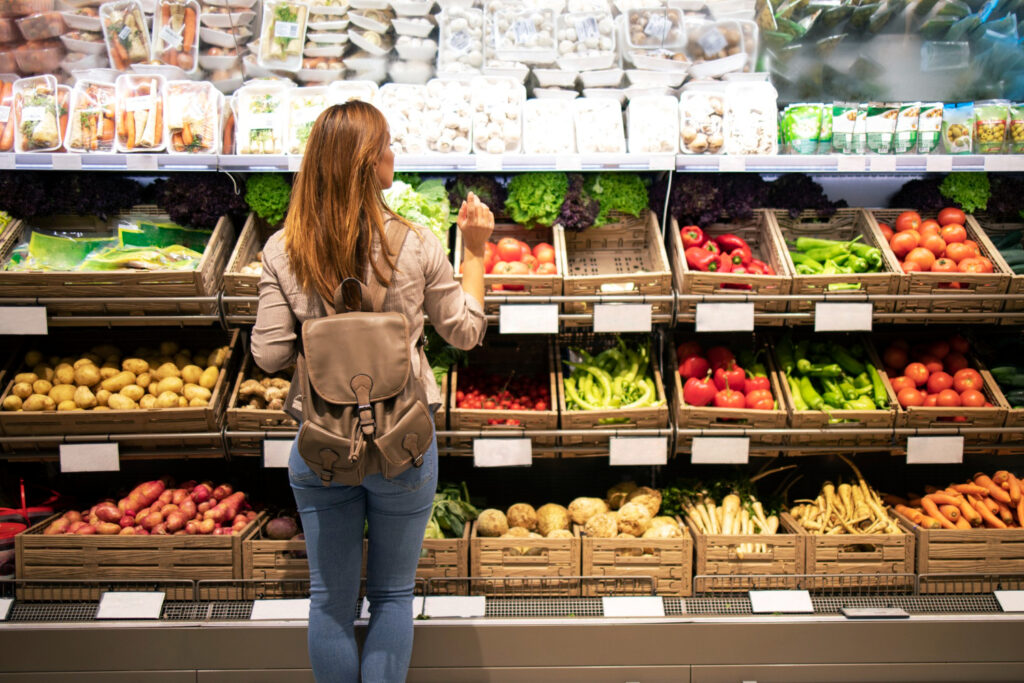
The Dutch response to this was predictably swift: practically everyone now walks around with a reusable bag stuffed in their coat pocket, backpack, or bike basket. It’s become second nature.
Your best bet is to keep a couple of sturdy tassen (bags) handy at all times.
- Don’t head to the supermarket for hard liquor or cigarettes

Here’s something that surprises newcomers from countries where you can pick up a bottle of gin alongside your yoghurt.
In the Netherlands, supermarkets can sell beer and wine, but spirits above 15% ABV are only available at specialist slijterijen (off-licences) such as Gall & Gall or Mitra.
This means you won’t find whisky, vodka, rum, or gin on supermarket shelves, not even in Albert Heijn. The good news? There’s often a Gall & Gall right next to it.
Similarly, tobacco products, including cigarettes, are no longer sold in supermarkets. Following a Dutch government policy change that took full effect in 2024, supermarkets phased out tobacco sales entirely.
You’ll need to head to a tabakswinkel (tobacconist) or a petrol station to buy cigarettes.
It’s all part of the Netherlands’ broader public health push, and while it might take some getting used to, it does mean the checkout queue moves a little faster.
What’s been your biggest supermarket surprise since moving to the Netherlands? Drop it in the comments — we’d love to know what caught you off guard.

dirk is the best