

With hantavirus making headlines across the globe, it’s only natural to be concerned about a possible outbreak in the Netherlands or what you should do if you think you’ve been exposed.
This May, three passengers died, and several others fell ill aboard the Dutch cruise ship MV Hondius — with experts now confirming the presence of the Andes variant of hantavirus on board.
As the Andes virus is mainly found in North and South America and does not occur outside the Americas, the RIVM confirmed that the risk of that variant spreading in the Netherlands is “very small.”
However, the Netherlands does have its own version of the virus. Here’s what you need to know, based on guidance from the RIVM, WHO, and other credible sources.
What is the hantavirus?
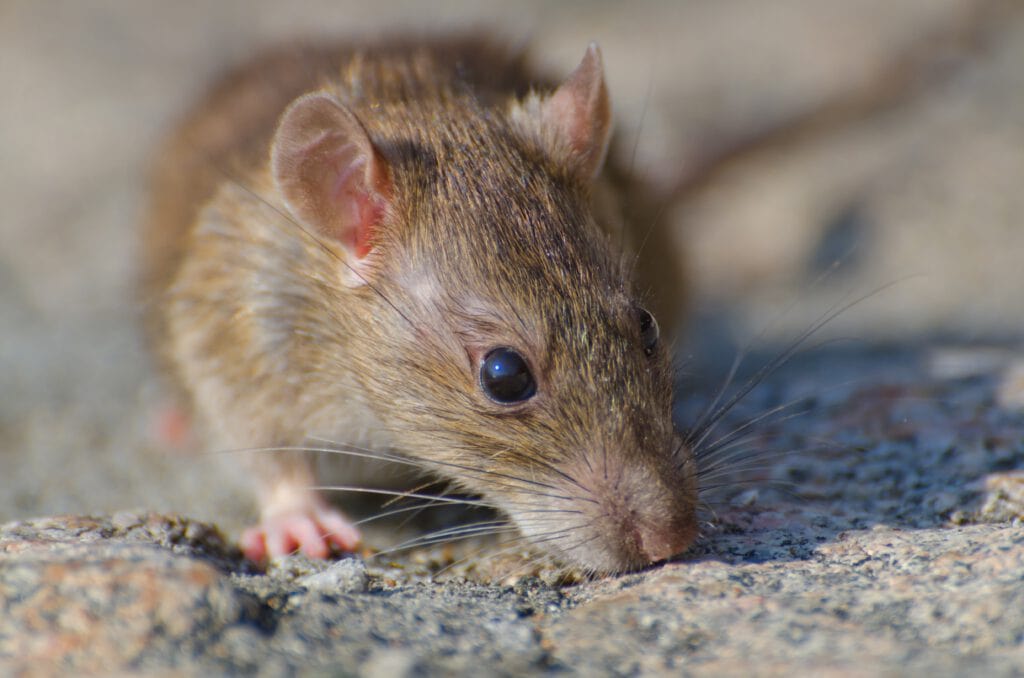
Hantaviruses or orthohantaviruses are a group of viruses carried by rodents that can cause severe disease in humans. People typically become infected through contact with infected rodents or their urine, droppings, or saliva.
While many variants of hantavirus have been identified worldwide, only a limited number are known to cause infections in humans.
In addition, your location matters a great deal, with the WHO noting that the virus can differ significantly by region.
In the Americas, infection can lead to hantavirus cardiopulmonary syndrome (HCPS), a rapidly progressive condition affecting the lungs and heart.
Meanwhile, in Europe and Asia, hantaviruses cause haemorrhagic fever with renal syndrome (HFRS), primarily affecting the kidneys and blood vessels.
Which types of hantavirus are found in the Netherlands?
Three types of hantavirus are currently found in the Netherlands, each carried by a different rodent:
- Puumalavirus (carried by bank voles),
- Seoul virus (carried by domesticated rats),
- and the Tula virus (carried by field mice).
Of the three variants, Puumalavirus is the most common, with a few cases occurring annually in the Twente and Salland regions.
READ MORE | 9 things you need to know about Dutch health insurance as an international
The reassuring part is that the hantaviruses circulating in Europe, including the Netherlands, typically don’t spread from person to person and have a low mortality rate (around 1%).
The Andesvirus found on board the MV Hondius is a form of hantavirus endemic to the Americas. As reported by the RIVM, mortality rates are typically higher than those of European hantaviruses — around 30-50%.
However, infection is primarily spread through the urine or faeces of the rice rat, which aren’t found in the Netherlands or Europe.
What are the symptoms of hantavirus?
Symptoms of the hantavirus usually begin between one and eight weeks after exposure, and are generally quite mild.
The most common symptoms include:
- muscle pain,
- headache,
- fever,
- and nausea.

Some of the less common symptoms may also include:
- high fever,
- vomiting,
- pain in the abdomen and sides,
- and poor vision.
The Seoul virus can also occasionally cause more serious complications, including liver inflammation, weakened leg muscles, and lower back pain (and very rarely, kidney failure or fever with internal bleeding).
How does hantavirus spread?
The virus is present in the droppings, urine, and saliva of infected rodents and can survive for up to two weeks, even after drying out.
The RIVM notes that you can also contract the virus through a bite from an infected rodent or by eating food that’s been contaminated. (So be wary of leaving food out if you’re in a house or area frequented by mice or rats.)
READ MORE | Why are there so many mice in the Netherlands?
Activities that increase exposure risk include cleaning enclosed or poorly ventilated spaces, farming, forestry work, and sleeping in rodent-infested dwellings.
What about the Andes variant of the hantavirus?
According to PubMed Central, the Andesvirus is unique among hantaviruses for its ability to spread from person to person through close contact. However, unless you have been in contact with an infected person, you are unlikely to catch this variant in the Netherlands.
Who’s most at risk from the hantavirus?
While chances are small, anyone can contract the hantavirus, with adults far more likely to be seriously ill from an infection than children.
According to the RIVM, people in the following groups are more likely to catch hantavirus:
- farmers,
- people who live or work in forested areas,
- people who have frequent contact with mice or rats (both domesticated and wild), and
- people who enter spaces that might host mice or rats (such as old houses, sheds, and holiday homes that haven’t been used in a while).
Let op: If you’re pregnant, the RIVM reports that severe hemorrhagic fever with renal syndrome (HFRS) and hantavirus cardiopulmonary syndrome (HCPS) may lead to fetal complications.

Should I go to the doctor?
Because symptoms like fever and muscle aches can look like a standard flu, hantavirus is often missed.
Most people infected with European strains of hantavirus “recover completely by themselves”, though the RIVM notes that the process may take several weeks.
READ MORE | The ultimate guide to going to the doctor in the Netherlands in 2026
As such, there’s no specific treatment for a hantavirus infection. The CDC advises supportive care, which includes:
- plenty of rest,
- hydration,
- and the treatment of individual symptoms.
However, you should always seek medical advice if you feel your condition worsening.
How to protect yourself from possible hantavirus infections
Although there’s currently no vaccine against the hantavirus, most European infections are relatively mild. To lower your chances of contracting the virus, here are some practical steps you can take.
- Ventilate rooms or houses that have been sealed up: Open windows and doors for at least half an hour before entering a closed space, and leave the room while you do so.
- Don’t forget your gloves: If you find droppings, a nest, or a dead animal indoors, remove everything with a damp cloth, place it in a sealed bin bag, and dispose of it with household waste. Always wear gloves when handling dead animals, droppings, or material from rodent nests.
- Disinfect with bleach: After clearing the area, clean the surface with soapy water, then disinfect with a solution of 250ml of bleach in 10 litres of water. Leave it for five minutes, then rinse.
- Never sweep or vacuum dry rodent droppings: Sweeping or vacuuming dry rodent droppings may disturb particles and risk spreading the virus. As mentioned before, use a damp cloth and gloves.
- Store food securely: Keep food in airtight containers so rodents aren’t attracted in the first place.
What are your best tips for keeping rodents at bay? Share them in the comments below.
thanks for the great article, keep up the good work