
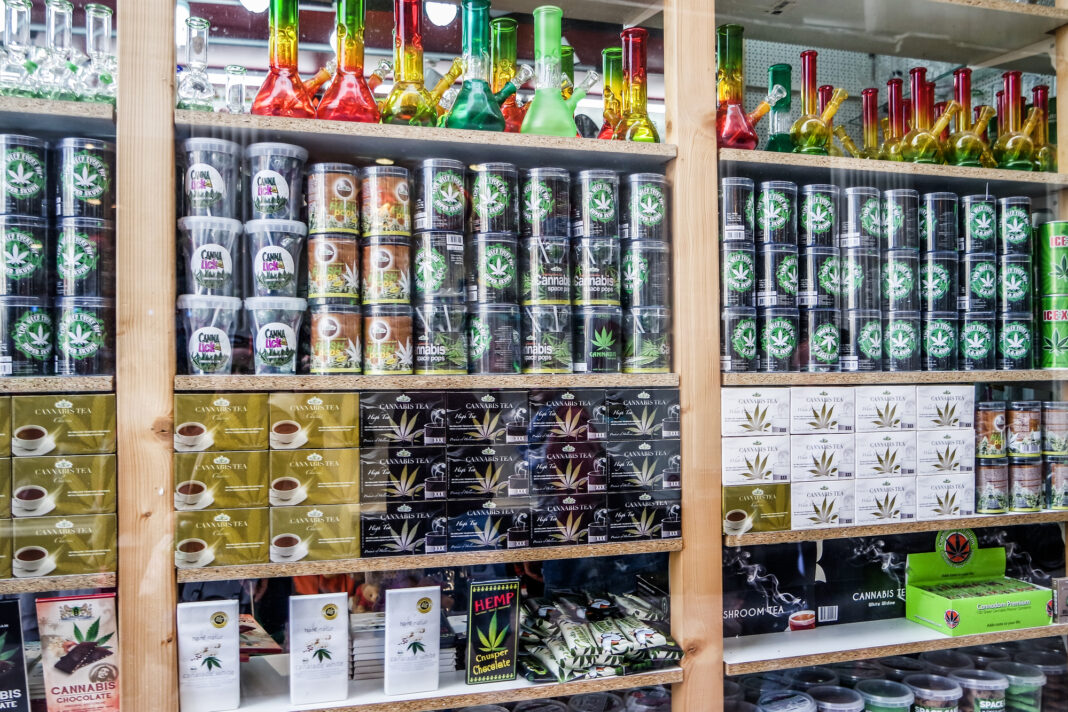

We’ve all seen them: small shops in Amsterdam that sell tacky keychains, flashy lighters, and all sorts of weed snacks.
These typische stores leave everyone wondering: “How are these not bankrupt?”
Well, it turns out, in some cases, the answer is criminal activity.
To combat the issue, special control teams are sent to suspicious stores, which are checked for fraud, money laundering, and drug trafficking. 👮♂️
Souvenir shops ideal for money laundering
Since many Dutch stores say “nee” to credit cards, tourists visiting souvenir shops often pay in cash.
READ MORE | Transaction declined: why don’t my bank cards work in the Netherlands?

This makes the tacky tourist traps a vulnerable industry for money laundering since it is easy for owners to mix the money made from actual sales with money from illicit activity.
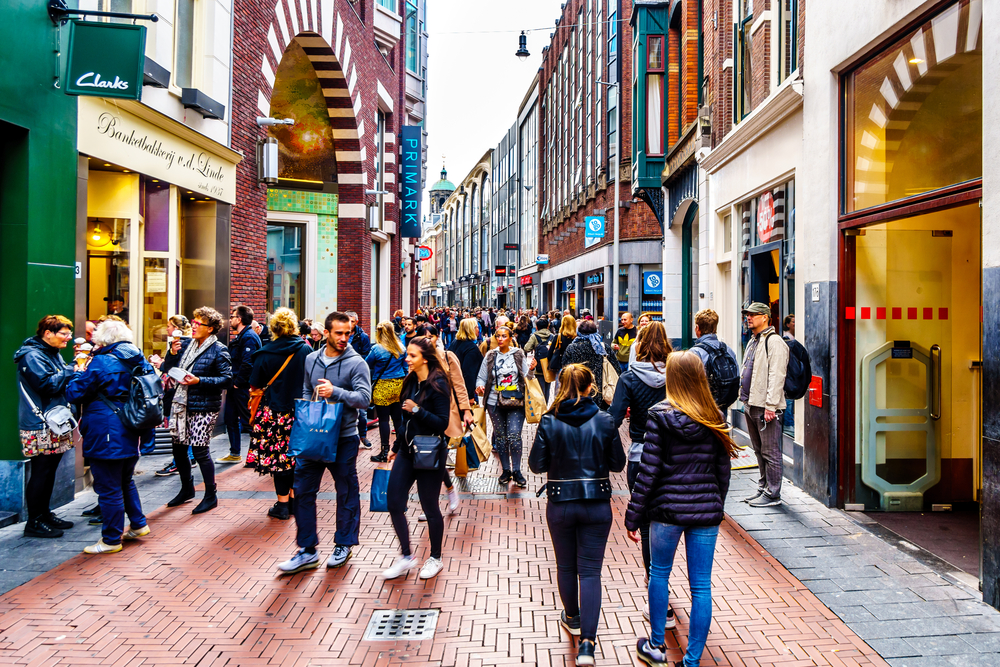
Further suspicious activity
Despite their low number of customers, the souvenir shops don’t seem concerned: As RTL Nieuws reports, one of the Amsterdam shops was open for a mere six days throughout all of October 2022.
At another store, fridges containing bottles of soda and cans of beers were lacking doors — which would inevitably result in extremely high energy bills.
READ MORE | Amsterdam is banning 167 addresses from becoming tacky tourist shops (thank god!)
While these activities are not illegal, they are highly suspicious and make these kinds of stores more susceptible to checks by Amsterdam’s special control teams.
Billions of euros in criminal money
A single afternoon of checking only three stores shows alarming results. 🚨
As RTL Nieuws’ investigation revealed, the control teams confiscated more than 250 counterfeit items, and handed out fines of around €5000.
They also found employees committing benefit fraud, and signs pointing towards illegal underground banking.
Considering the high number of infractions that were detected in a single afternoon, it is estimated that billions of euros of criminal money flow through a city like Amsterdam — all under the disguise of tulip fridge magnets and weed lollipops.
Stricter legislation
To prevent the issue from becoming an even bigger problem, Femke Halsema, Mayor of Amsterdam, wants the government to introduce heavier inspections and stricter laws.
For example, to limit money laundering opportunities, Halsema suggests limiting cash payments to a maximum of €1000.
What do you think of these findings on Amsterdam’s souvenir shops? Let us know!