
The number of human West Nile infections has jumped to nine, virtually overnight, according to a fresh update from the Dutch public health institute, RIVM.
All nine caught the virus here in the Netherlands, with infections occurring in the provinces of Utrecht, North Brabant, North Holland, and South Holland.
Eight of the nine were diagnosed after being admitted to hospital. In the ninth, the virus was detected during scientific testing by Sanquin Research, which screens for possible infections in blood donors.
And it’s not just in people
This year, West Nile virus has also turned up in five horses, six birds (both wild and domesticated), as well as mosquitoes.
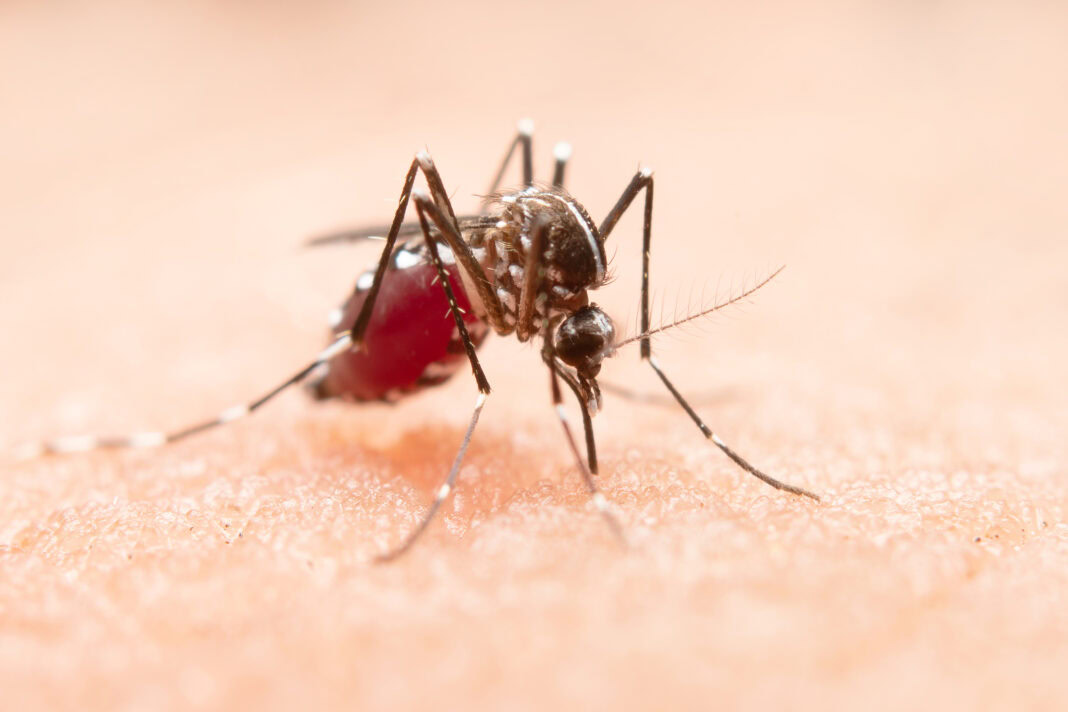
These mosquitoes act as the prime vector of the infection by feeding on the blood of an infected human or animal. They can then pass on this infection to whomever (or whatever) they feed on next.
In response, various Dutch scientific organisations are busy collaborating on research.

According to the RIVM, “experts with diverse expertise in the fields of public health, animal health, ecology, and the living environment collaborate closely in researching, preventing, and controlling West Nile virus”.
By “diagnostics in people and horses with symptoms”, “research on birds and mosquitoes”, and proactive monitoring, researchers hope to see where the virus is spreading and how it changes over time.
Want to make sure DutchReview pops up on your news feed more often? Just add us as a preferred news provider, and we’ll handle the rest.