


As of October 12, the Netherlands has started replacing traditional passport stamps with digital checks, following the EU’s new Entry and Exit System (EES) requirements.
Are you taking a short trip to the Netherlands from outside the European Union? Certain Dutch airports, train stations, and ports have now started implementing a new Entry and Exit System for non-EU citizens visiting Europe for short stays.
The EES is designed to counter illegal migration and make border control more efficient, but there are some important things for international travellers to know.
What’s changing at Dutch airports?
When you arrive at a Dutch airport, you may now be asked to register certain details at EES self-service kiosks.
According to the Dutch government, these details could include:
- Your full name
- Your passport details
- Biometric information (such as your fingerprints or a photo of your face)
- Your date of birth
The EES may also store the date, time, and location of your border crossing.

READ MORE | Permits and visas for the Netherlands: ultimate 2026 guide
Once you’ve submitted all of this information, you’ll be directed to one of two routes for passport control: either the eGates (self-service passport control) or staffed border control booths.
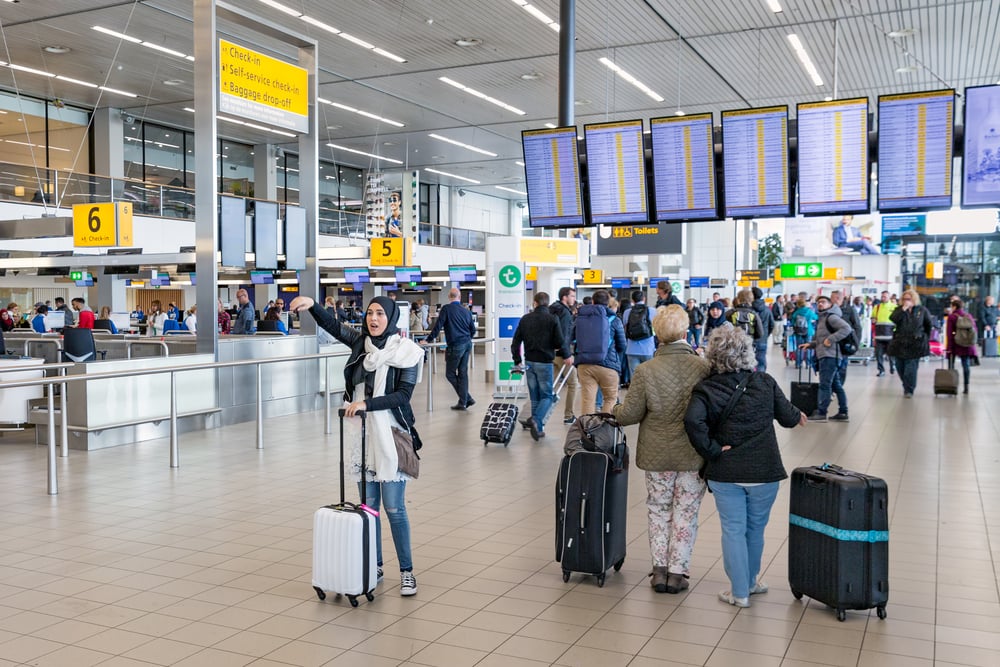
A similar routine applies if you’re leaving the Netherlands from a Dutch airport. Depending on whether you’re already registered in the EES database or not, your information will either be verified or added to the system.
Good to know: The new EES has currently been rolled out at De Kooy Airport in Den Helder, and will launch at Groningen Eelde and Rotterdam The Hague on October 27, 2025. A small scale launch will begin at Schiphol on November 3, 2025, and by April 10, 2026, there will be full implementation across all Dutch border crossing points.
What’s changing at Dutch train stations?
Similarly, both Amsterdam and Rotterdam Centraal stations will be getting EES updates from November 10, 2025, onwards.
If you’re leaving the Netherlands via train from either of these stations, your passport will be used to verify your data in the EES.

Not verified yet? You’ll need to register your:
- Full name
- Date of birth
- Passport details
As the EES is currently being introduced in stages, you won’t yet be asked to register biometric information like fingerprints or a photo of your face.
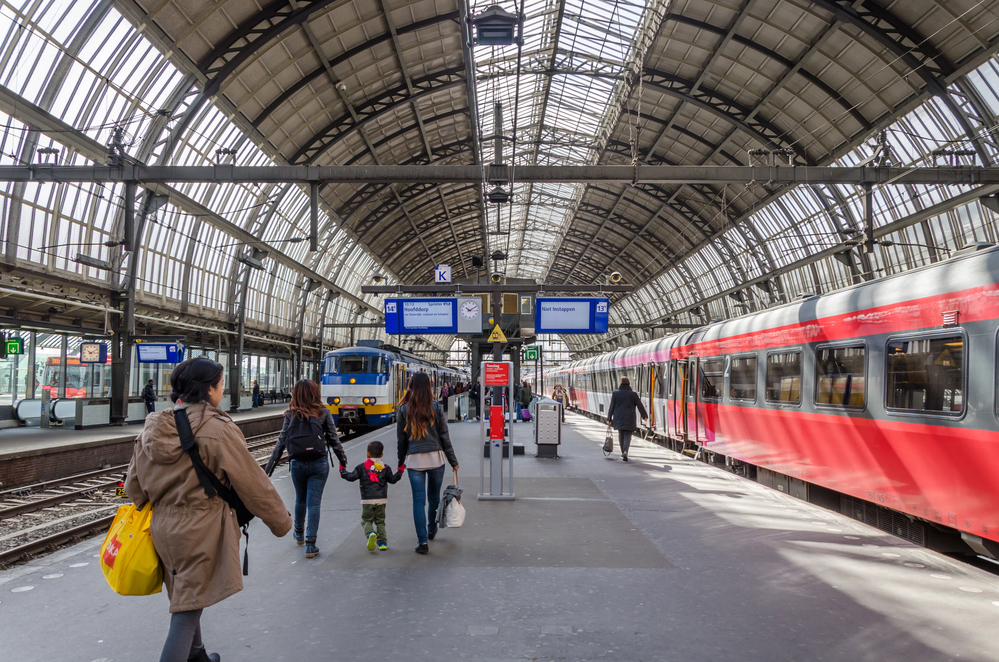
Will you be entering the Schengen Area at either Amsterdam or Rotterdam Centraal station? The French border control authority will be conducting entry checks for trains bound to the EU at London St Pancras station from November 10 onwards.
You’ll have the option to use the eGates or French border control booths, where you’ll need to furnish the same details provided above (i.e. your full name, date of birth, and passport details).
What do you think of Europe’s new Entry and Exit System? Share your thoughts in the comments below.


Fine with me. Travelled to Indonesia and Singapore last September, transfer via Qatar and VAE. Apart from the digital questionaire (!) that has to be filled out in advance it is a lot faster way of entry.
I arrived from the States on October 25, nothing had changed. Easy, as always.
That’s a neat trick, considering it’s not even October 25 yet! 😉
But yeah, if you arrived at Schiphol, they’re not starting implementation until early November, as stated in the article.
How does this affect me I have a resident permit
It doesn’t affect you at all.
”
EU citizens, Irish nationals, citizens of Andorra, Monaco, and San Marino, and holders of a Vatican City State passport do not need to use the EES. Other exempt individuals include those who are part of an intra-corporate transfer, hold a long-stay visa or residence permit in an EU country, are family members of EU citizens with a residence card, or are diplomats, heads of state, or cross-border workers.
“
It’s another control system to do what already was possible with a passport and visa but now more automated and it doesn’t change anything for the illegal traveler’s who allready know their way trough different countries.
Will be fun. Me being a Dutch citizen living in the States for almost 30 years and coming over with my wife, US citizen, to visit my relatives. Well sir you go in that lane, but your wife need to go in that line. Bye honey see you in 3 hours….
Just another form of tighter controls ob our freedom.i do not agree with it at all🤮🤮