
West Nile virus is continuing to spread across the Netherlands, with confirmed human cases now at 28 and a fourth infected person dying within the week.
As with the previous cases, the vast majority of these were detected upon admission to hospital. Here’s what to know about the current West Nile infection in the Netherlands:
Multiple new infections across six provinces
Since the last update published on September 9, the RIVM has reported ten new human infections, bringing the total number of cases to 28.
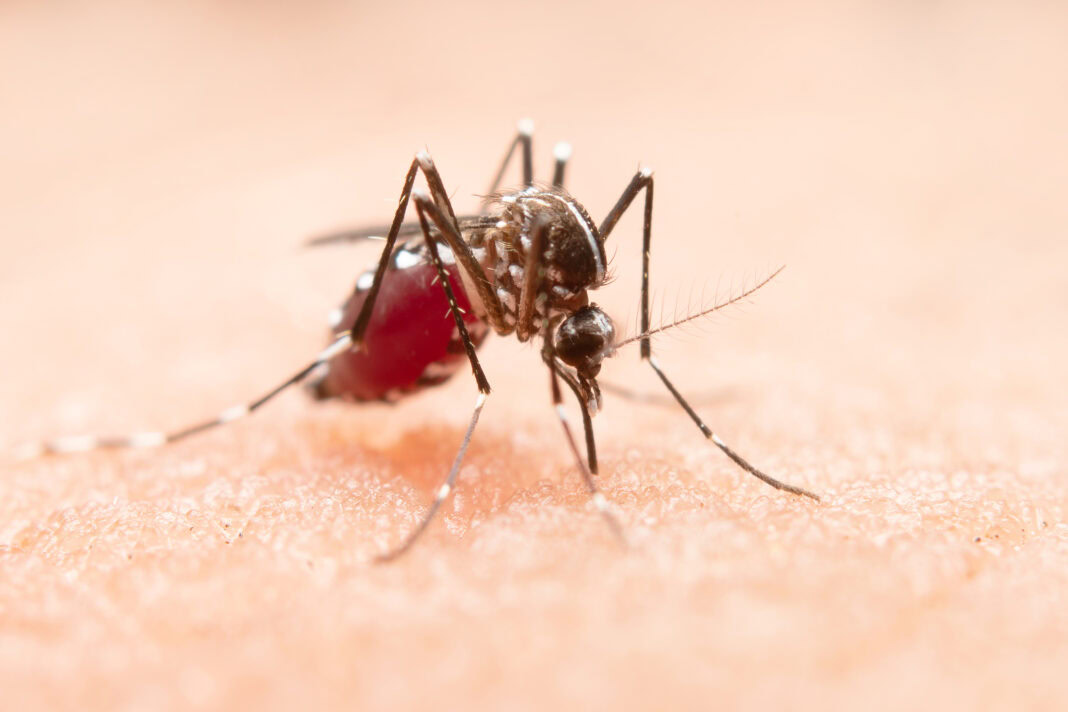
Almost all caught the virus after being bitten by an infected mosquito, which is the primary vector. Cases have been reported across six provinces: Utrecht, North Holland, South Holland, Overijssel, Gelderland, and North Brabant.
The good news is, for most people, a West Nile infection is expected to be mild or pass with few (if any) symptoms.
Sadly, humans aren’t the only ones on the virus’ radar. The number of infected horses has now jumped by 30 cases to 88, while the number of infected birds has skyrocketed to 100 from just 39 a week ago.

Unlike humans, birds, especially those in the corvid family (such as crows, ravens, magpies, and jays), have a strikingly “high mortality” rate for the West Nile virus.
One death following blood transfusion
In total, four people have died from West Nile virus since the first reported human case in August 2026.
In the most recent case, the patient didn’t catch the virus from an infected mosquito, but through a blood transfusion.
According to Sanquin, the organisation responsible for the Netherlands’ blood supplies, the individual received blood from a donor who was later found to be carrying the virus.
Want to make sure DutchReview pops up on your news feed more often? Just add us as a preferred news provider, and we’ll handle the rest.