

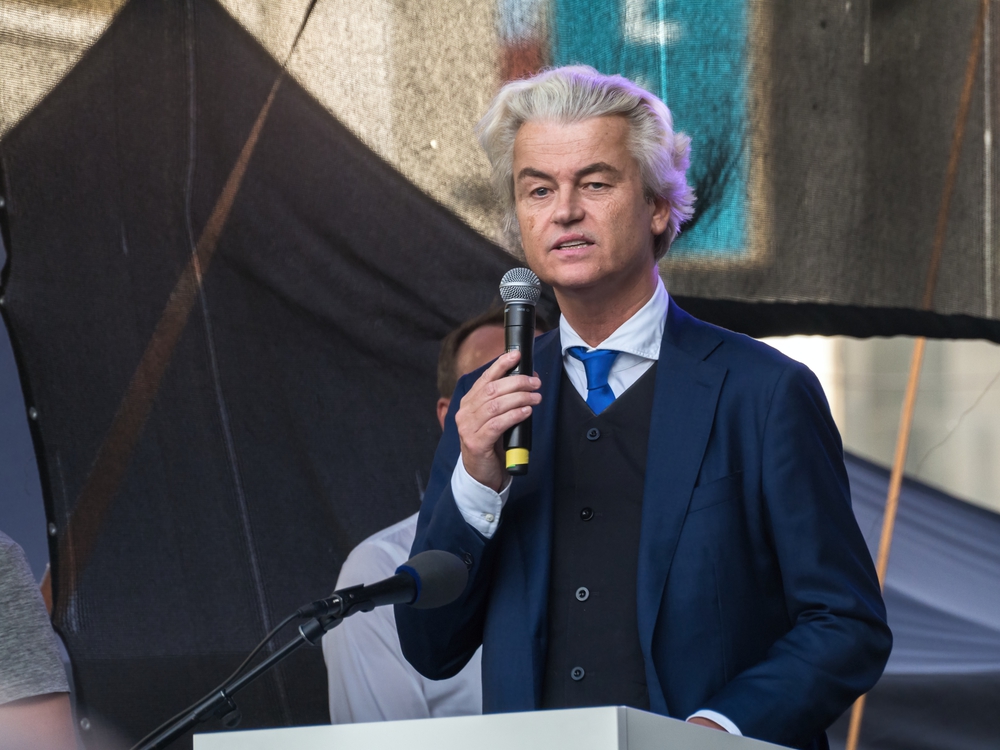
With just two weeks until the Dutch snap election, poll leader Geert Wilders has suspended his campaign following terror threat intelligence from Belgium.
His absence from the debate stage is creating an unprecedented electoral situation and leaving crucial questions unanswered.
In what should be the most crucial fortnight of campaigning before the October 29 election, the man leading in the polls has decided to step back from public appearances.
Last week, the NOS reported that Belgian authorities foiled a jihadist-inspired terror cell in Antwerp plotting drone-based attacks.
Among the targets: Belgian Premier Bart De Wever, Antwerp’s mayor, and Geert Wilders himself. The PVV leader’s response? A full campaign shutdown via X, citing that whilst the NCTV confirmed no residual threat, he had “a bad feeling about it.”
De NCTV heeft mij zojuist bevestigd dat ik, door de gisteren gearresteerde verdachten van de verijdelde aanslag op de Belgische premier, ook ben genoemd als doelwit.
— Geert Wilders (@geertwilderspvv) October 10, 2025
Dit is niet de eerste keer dat mij dit in 21 jaar bedreiging en beveiliging overkomt, maar iedere keer opnieuw…
Translation: The NCTV has just confirmed to me that I have also been targeted by the suspects arrested yesterday in the foiled attack on the Belgian prime minister. This isn’t the first time this has happened to me in 21 years of providing security, but it still terrifies me every time. The NCTV doesn’t anticipate a “residual threat,” but I have a bad feeling about this and am therefore suspending all my campaigning activities for the time being.
When secure isn’t secure enough
Dutch security agencies, including the Nationaal Coördinator Terrorismebestrijding en Veiligheid (NCTV, the national counterterrorism coordinator), confirmed to Wilders that there was no ongoing threat.
Yesterday, De Telegraaf also reported that police and the prosecution service see no evidence of any ongoing threats to Wilders.
RTL Nieuws offered multiple accommodations: an approved secure location, a video link, even hosting the debate in the fortified Tweede Kamer (Dutch parliament building). According to the NOS, Wilders declined every option based on his personal assessment.
The Sunday debate went ahead with D66 leader Rob Jetten stepping in to face Frans Timmermans (GroenLinks-PvdA), Dilan Yeşilgöz (VVD), and Henri Bontenbal (CDA). But the figurative empty chair silently dominated the evening.
Questions that need answers
Here’s the thing: Wilders is polling at over 30 seats, making him the frontrunner.
But his campaign has vulnerabilities: a one-page election manifesto, questions about ministerial competence during the PVV’s brief time in government, and the fact that he triggered these snap elections himself by walking out of the coalition just months ago.

These are precisely the issues that debates tend to expose. And whilst no one doubts that Wilders faces genuine security concerns, political journalist Ewoud Kieviet tells VRT that other parties feel “discomfort”, wondering privately whether strategic considerations might also be at play.
It’s a delicate balance. Questioning someone’s security concerns feels callous, yet voters deserve to hear their potential prime minister defend his record.
CDA leader Henri Bontenbal called for secure debate facilities. D66’s Rob Jetten said he hopes Wilders can “soon join us safely”. A diplomatic way of saying the debates need him there.
What happens next
The PVV still leads in polls, though immigration isn’t dominating headlines like before.
Voters are focused on Trump’s anti-European rhetoric (which Wilders supports), Russia’s growing threats (Wilders visited Moscow in 2018 but has taken some distance from Putin), and Gaza; issues where his positions differ from mainstream Dutch opinion.
His absence gives other candidates more airtime without the heated exchanges that typically occur when Wilders participates.

For anyone trying to understand Dutch politics, it’s unprecedented: the frontrunner is campaigning online whilst dodging questions about why he quit the government, what his actual policies are, and whether he can govern effectively.
Those questions remain unanswered. Whether that’s due to legitimate security concerns, strategic calculation, or a bit of both is something only Wilders knows.
With 15 days until election day, voters must decide: does a leader’s absence from debate matter as much as their position in the polls? Share your thoughts in the comments.
This is a good piece. You guys should create a special sub-topic ‘Election coverage’ so it can also serve as a chronical archive later.