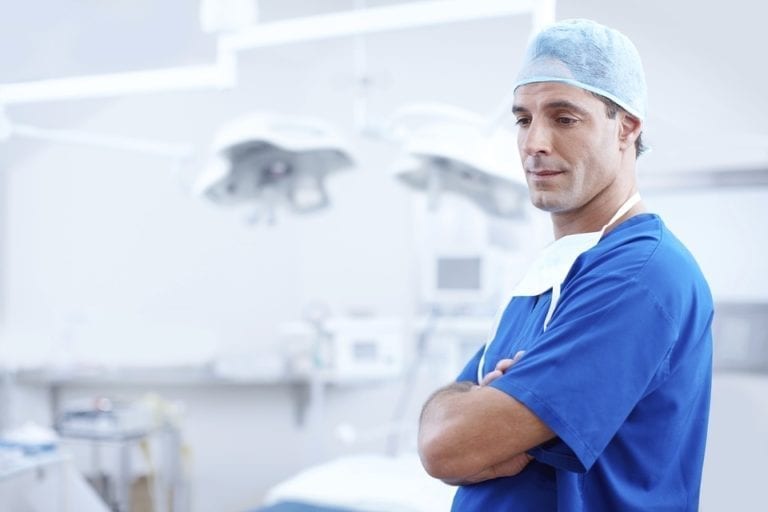
All planned hospital and independent clinic care will be suspended in order to free up medical staff, according to a new report by Minister of Medical Care Tamara van Ark.
The increasing number of coronavirus patients in hospitals has placed undue pressure on the healthcare system. The heavy workload and high infection rates among medical workers have led to increased absenteeism, and, according to the NOS, the peak is expected in January.
“It is really all hands on deck in the hospitals in the coming weeks,” says Van Ark. “Unfortunately, regular care that can be planned must be scaled down in this special period.”
The number of ICU beds will also be increased. While there are normally 1,150, there will now be 1,450. Additional patients will be relocated for care in Germany.
For the more of the latest coronavirus news in the Netherlands, follow DutchReview on Facebook.
Officers will not be checking up on every household over the Christmas holidays, according to the National Police, but in extreme cases of parties breaking coronavirus regulations, they will step in.
While a maximum of three guests will be permitted at your Dutch dinner this Christmas, officers “don’t intend to peek through all the curtains” to check up on this, a spokesman says. (Not that the Dutch ever use their curtains.) “Moreover, a group of ten people can also be a household,” the spokesperson went on.
Illegal parties
Instead, police attention will be directed to parties going excessively over the limits, for example, “twenty people…dancing in the living room”, reports NU.
But even then, police cannot just barge in. “Permission must be requested from the public prosecutor for this. So we cannot just enter a living room to hand out fines,” a spokesperson explained.
Additional pressure
With the hard lockdown and fireworks ban, the main task for police this year will be to maintain public order. Tracking smaller gatherings will therefore not be a high priority for officers. “But if the pressure allows it, we will, of course, maintain it.”
Different police approaches
However, in different municipalities, what is defined as ‘excess’ may differ. For example, Police Chief Wilbert Paulissen (East Brabant) commented that he could accept no more than ten people gathering on New Year’s Eve. “Then we will really ring the bell,” Paulissen told the Eindhovens Dagblad.
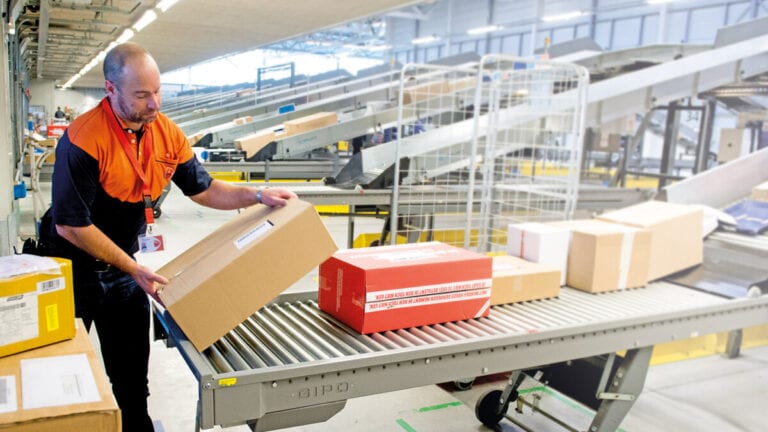
PostNL has expanded its capacity in an attempt to meet the demand for holiday shipments, but alas, they can no longer keep up. The postal service is unable to collect all parcels from webshops.
Since the lockdown went into effect, closing all non-essential shops, increased pressure has been placed on parcel delivery services. “We have already scaled up to 1.7 million parcels per day, which is now really the maximum achievable,” Liesbeth Kaashoek, director of Parcels at PostNL tells NU.
“Compared to the beginning of this year, the capacity has increased by 90%,” says Kaashoek.
Hold your returns
PostNL is implementing some new measures to maximise efficiency while continuing to work safely and responsibly.
For one, the postal company is asking that customers hold onto their return packages until January 7. Kaashoek says PostNL is “in talks with the online stores about extending the period.”
At bol.com, for example, the return period has already been extended to 60 days. Kaashoek explains, “For everything we collect we also deliver.”
Mobile parcel points
Since the beginning of the lockdown, increased burden has been placed on parcel points, so PostNL is implementing mobile parcel points “to take the biggest pressure off there. Every little bit helps.”
“We have to relieve the pressure on the existing points and certainly those in supermarkets so that it does not become even busier there in the run-up to Christmas,” says Kaashoek.
As of Monday, PostNL has set up mobile parcel points at supermarkets and hardware stores at about 20 locations.
Kaashoek emphasises that although the company is operating under strain, “Our people deliver top performance.”
Are you sending or receiving more packages than usual this holiday season? Tell us about it in the comments below!
Seasonal greetings from the United States as well! As the new ambassador to the Netherlands, Pete Hoekstra – a new appointee by the one and only Donald Trump, is already caught lying before the new year starts.
The new US ambassador to the Netherlands has denied saying that there are no-go areas in the Netherlands and that cars and politicians are being set on fire because of radical Islam. Which we also deny, but hey, we weren’t making those ridiculous hateful claims anyways.
In an interview with the Dutch news programme Nieuwsuur, Pete Hoekstra told NOS correspondent Wouter Zwart he had never said such things. ‘I didn’t say that. That is actually an incorrect statement. We would call it fake news,’ Hoekstra said. However, the new ambassador can be seen clearly making the lying statements in a shot from 2015. ‘And yes, there are no-go areas in the Netherlands’
Handboek nieuwe politiek & media, les 1:
– je liegt iets
– daarover lieg je
– de confrontatie noem je een leugen
– waarover je weer liegt
What a clown, can’t we get another Dutchie person who’s big in the United States? Or you know, someone who isn’t caught in a triple lying combo the first day on the job.
We already wrote a bit about Pete Hoekstra, the news wasn’t good, here you go:
Still thinking that the Netherlands might be a big no-go area? You might want to check this little movie about how we made it to the number spot of the ‘Good Country Index’
Now that doesn’t look like a ravished no-go area now does it Pete Hoekstra?
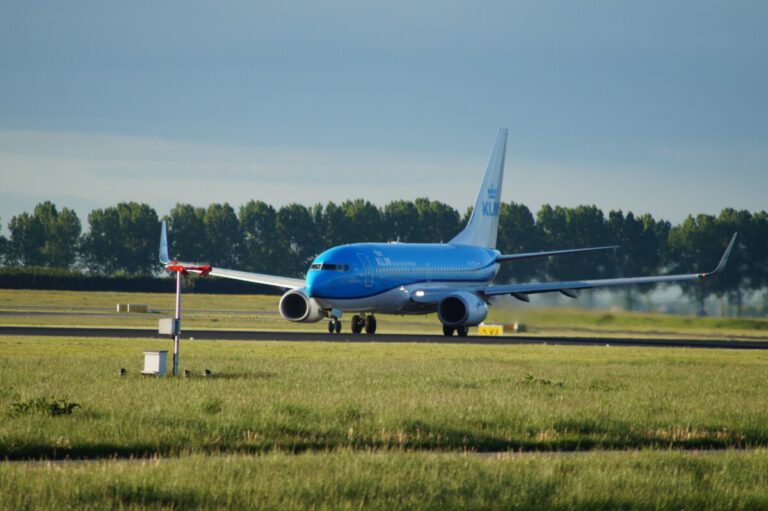
From 9 PM yesterday evening, flights from South Africa to the Netherlands were cancelled immediately as a travel ban against the African nation came into effect.
A new strand of the coronavirus was recently diagnosed in South Africa, and the Ministry of Infrastructure has confirmed that the flight ban is to prevent this from spreading further in the Netherlands, reports NOS.
Similarly, Turkey has banned all flights from the Netherlands, as someone in the Netherlands was diagnosed with the mutated coronavirus, reports NU.
The new strand, also found in the UK, Denmark, Australia, Italy, and now one case in the Netherlands, is 70% more contagious than previous variants of the coronavirus, according to the British government. Flights from the UK have also been banned.
No repatriation
Cases in South Africa are currently rising rapidly, and flights from the country have also been banned by Turkey, Israel and Germany. Dutch people in South Africa and the UK, where the mutation has also been found, will not be repatriated. “We can’t do that. In coronavirus time, travel is just a risk, people should understand that,” says Public Health Minister Hugo de Jonge.
“For Dutch people who cannot return from South Africa, the advice is to find safe accommodation,” writes the Ministry of Infrastructure.
Return with a negative test
For now, flights from South Africa carrying cargo and medical personnel will still be permitted. But the health minister hopes to put a mandatory negative test result in place, which would allow other flights from South Africa to resume.
The Dutch government hopes to implement this as soon as possible, and the negative test requirement would also apply to EU citizens.
For Dutch truck drivers stuck in the UK, De Jonge has said that with negative tests they will be allowed to return home now. However, he warned that the testing process can take a few days and so for them to return home in time for Christmas is unlikely.
Will these new travel bans effect you? Tell us in the comments below.
Municipalities will start cracking down on non-essential stores still selling items during the lockdown, according to Minister of Justice and Security Ferdinand Grapperhaus.
After the weekly meeting with all of the Dutch security regions, Grapperhaus explained that “We see that some retail stores find it difficult to comply with the rules.”
Non-essential shops are not permitted to open yet many businesses have still been finding ways to circumvent the lockdown measures.
Grapperhaus says that non-essential businesses don’t have a license to sell anything. However, in some cities, vendors set up stalls in front of the business to sell to customers outside, or permit customers to enter one by one.
“In a number of places the rules are very creative,” said Nijmegen mayor Bruls, chairman of the Security Council.
What is allowed
Businesses selling food or coffee to-go are permitted to stay open but according to Bruls, municipalities should watch out for outlets attracting too many visitors. “The mulled wine route is on the edge.”
Only essential business such as supermarkets, pharmacies, pet food stores, and petrol stations are allowed to remain open.
What do you think of these non-essential shops selling items in spite of the lockdown measures? Tell us your thoughts in the comments below.
The primarily car-free lifestyle in the Netherlands is, of course, mostly to do with the Dutch love for bikes.
The nation is home to more bikes than people and boasts one of the world’s most impressive bicycle path networks that spans no less than 35,000 kilometres across the whole country.
This stellar reputation is demonstrated most impressively in Utrecht. This city, a mere 20 minutes by train from Amsterdam, is consistently reducing roadways, is home to the world’s largest bike parking lot and its latest city designs include a completely car-free neighbourhood.
Prioritising people over cars
Merwede: the car-free neighbourhood
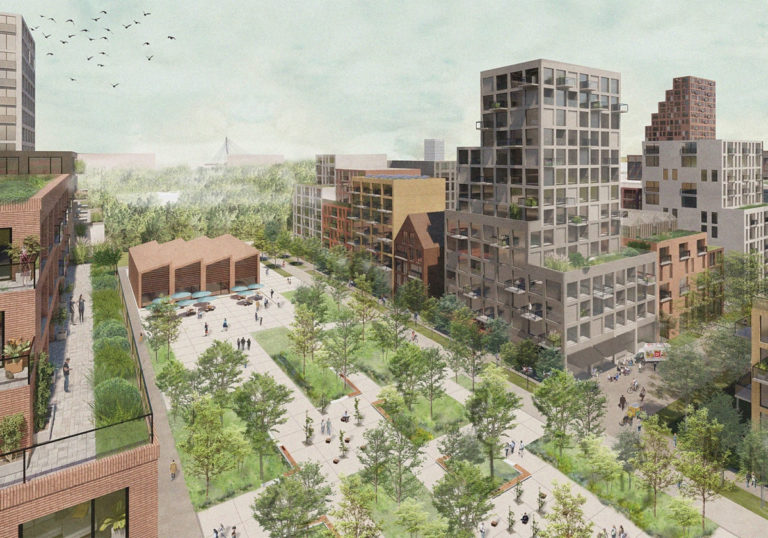
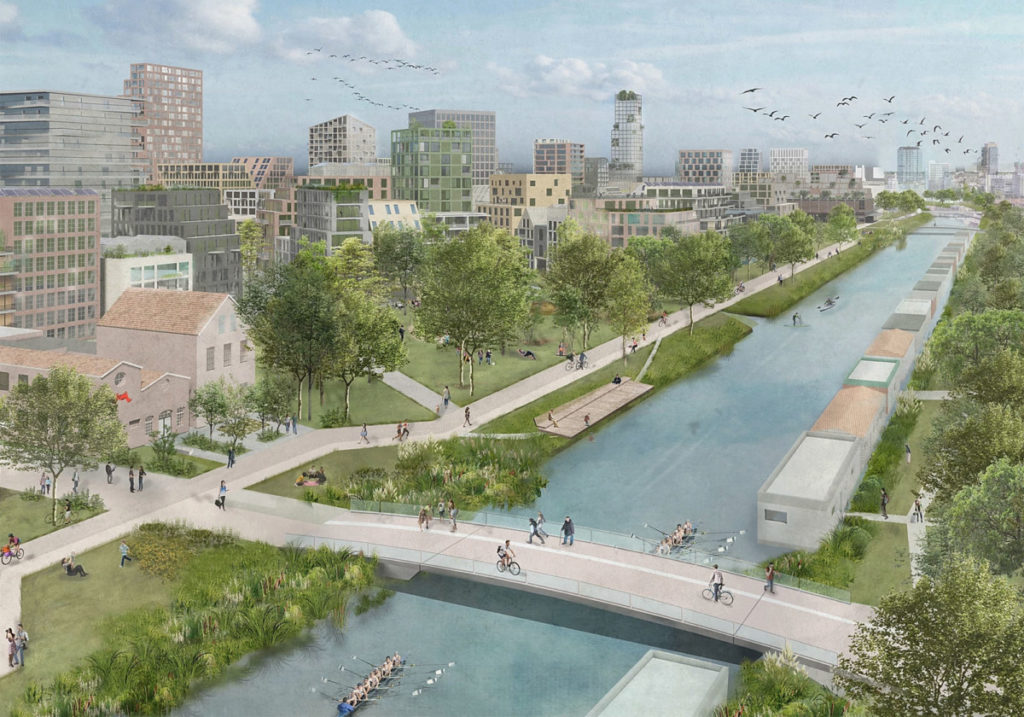
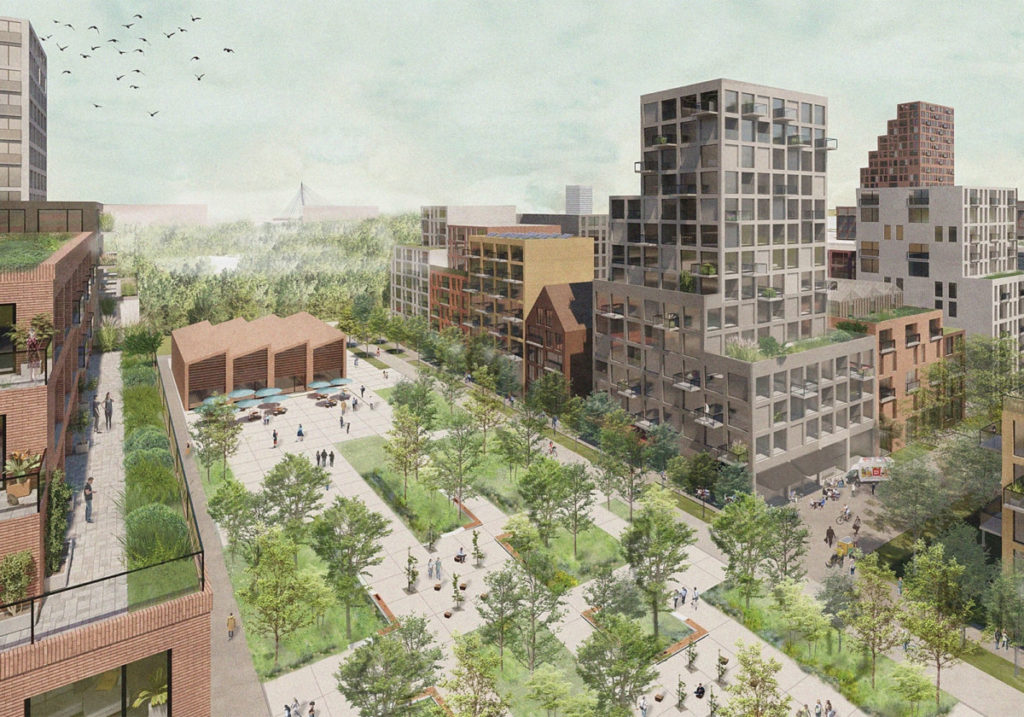
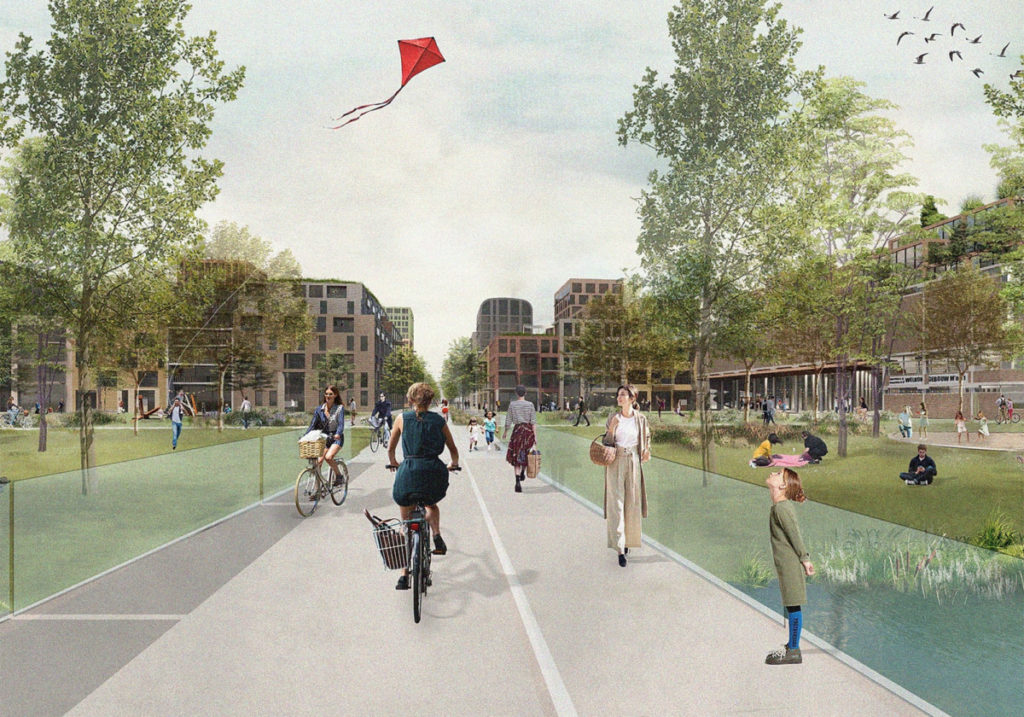
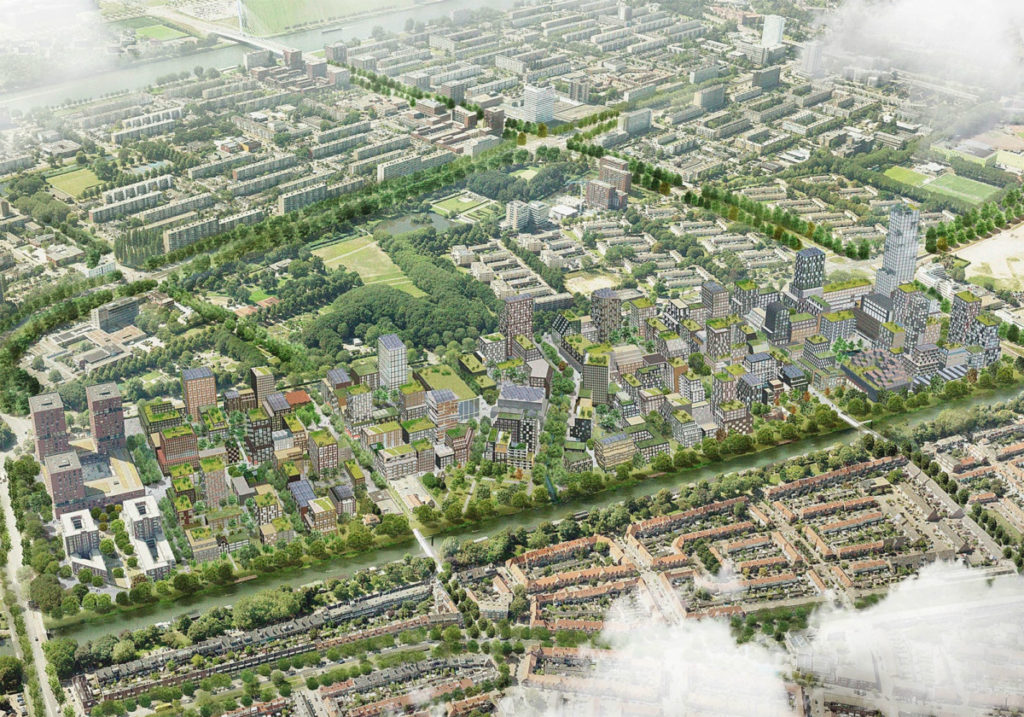
Utrecht recently unveiled its latest plans for a completely car-free neighbourhood, Merwede. The Merwede neighbourhood will be home to 12,000 residents. All important facilities, including Utrecht Central Station, will be within walking or cycling distance.
The Merwede canal zone was originally a business park but will be transformed over the next couple of years into a lively, sustainable area of the city. The goal of the area is to be a place where people can relax, work, and live in a way that’s environmentally friendly and also healthy. For that reason, it will be car-free.
Another crucial aspect of the new neighbourhood is the idea that it will be a circular economy. That means creating as little waste as possible and using as few new resources as possible. Merwede will become home to De Clique, a circular startup that will try to reuse waste from the hospitality and business sectors.
The city district looks set to be full of exciting activities that will bring the community together. There will be a skatepark, lots of nice restaurants and cafes, and a climbing hall: and all this before people even move into the neighbourhood, so it’s bound to be absolutely bustling once these plans become reality.
We’re so looking forward to seeing this car-free neighbourhood become reality! When Dutchies bike this much, it seems the most natural of progressions to transition towards a car-free country.
Prices for 167 homes, out of the 600 homes planned to be developed, all exceed 500,000 euros, some of them even approaching one million euros.
Nevertheless, the municipality defends this, by saying that a substantial part of the apartments will be dedicated to social housing, and will have a cheaper price. As newer apartments will be placed for sale, we’ll get a better idea over the exact pricing on the lower end in this futuristic neighbourhood.
But what do you think? Would you give up your car? Let us know in the comments below!
Today marks the winter solstice for the Northern Hemisphere, and here in the Netherlands, we have something exciting in store: one whole extra minute of daylight tomorrow. And we’re not the only one’s excited about it — a couple of planets are even getting together to celebrate.
It’s winterzonnewende, as they say in Dutch, the shortest day and longest night of the year, and the first official day of winter. From our latitudinal location in the Netherlands, this means an entire 60 seconds will be added onto our day on Tuesday, leaving us with a whopping 7.5 hours of sunlight.
But brace yourselves, there’s more:
The midnight merger
This year, mother nature has a very special trick up her sleeve to ring in the new season. The 2020 winter solstice will be highlighted by a galactic phenomenon not seen in 800 years: a “Great Conjunction”, also referred to in headlines as a planetary “poinsettia”, “Christmas star”, and a “cosmic kiss”. It’s essentially Jupiter and Saturn coming close enough to form one luminous dot in the sky, appearing to have one celestial body.
The planets will shine brightest an hour after sunset from our perspective in the Netherlands. At that time, the distance between the two planets will be just 0.1 degrees.
The bright orb can be seen with the naked eye if the sky is clear, which is not looking optimistic, unfortunately. But hey, if not this year, we’ll have another chance to see it in 2080.
Winter weather
On the weather front, things are also a bit anticlimactic for the days up to and including Christmas. Clouds and rain are expected to grace the Netherlands in typical winter fashion — on and off, indefinitely.
The mild temperatures we’ve been feeling lately will drop a bit lower as we inch toward Christmas, with single digits expected around the 25th.
What will you do with your extra minute of sunlight tomorrow? Tell us your plans in the comments below!
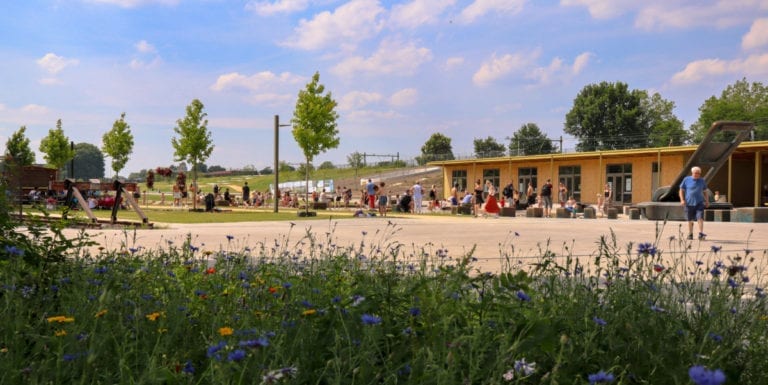
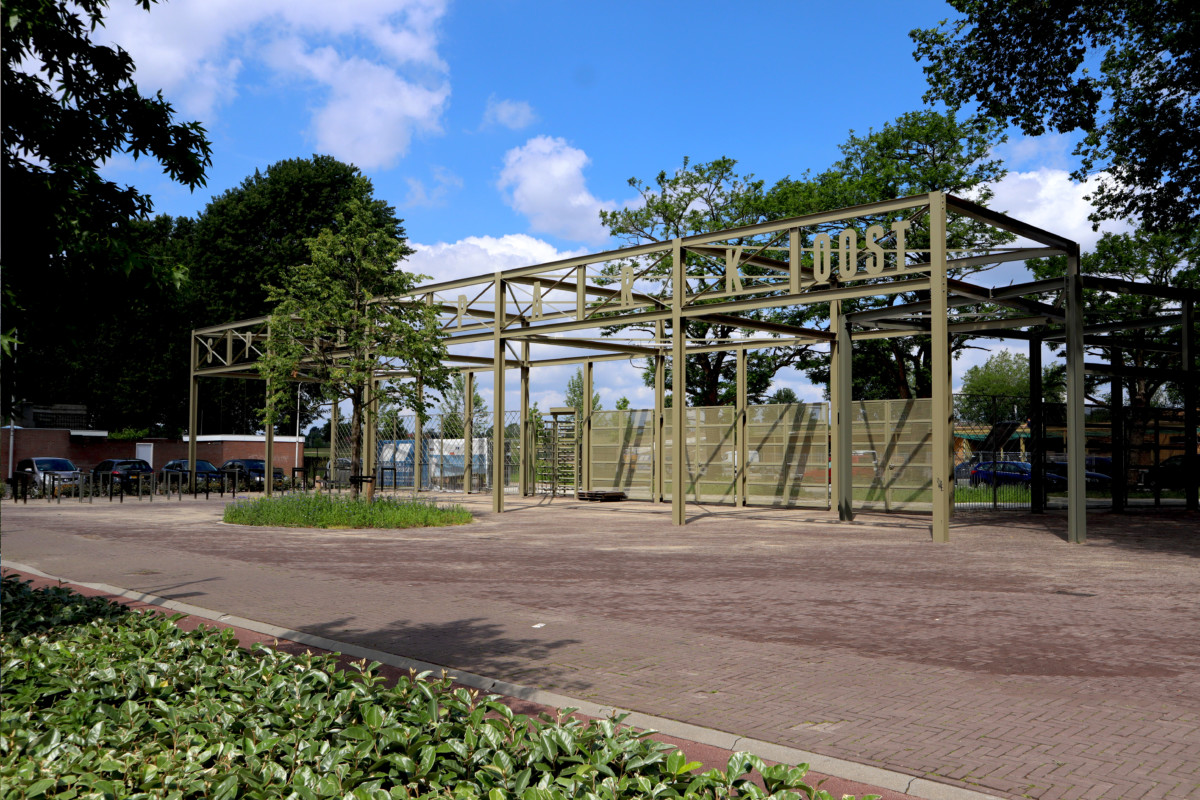
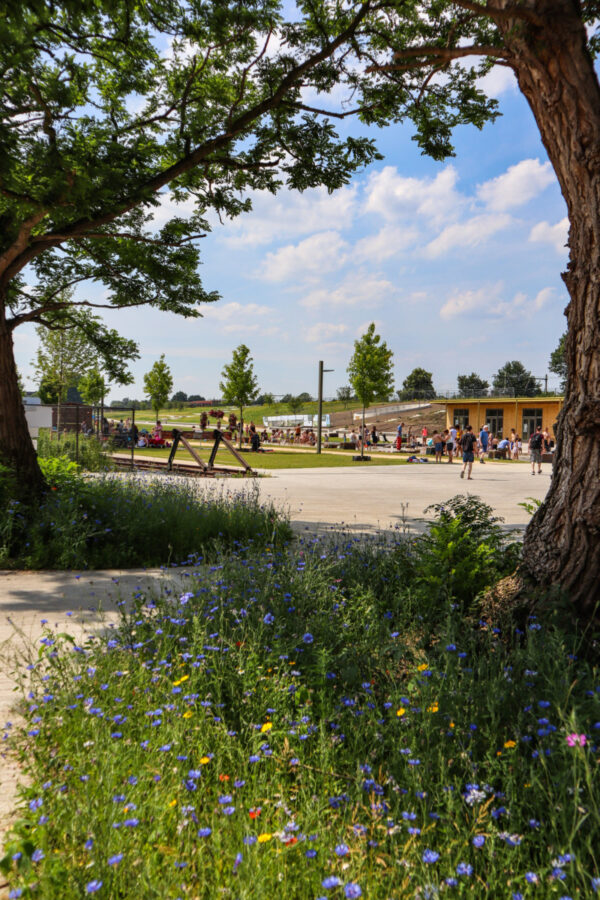
The citizens of Tilburg got together and, with some help from the municipality, transformed a barren piece of land next to the railroad tracks, into a pristine and grand park called the Spoorpark. It’s the latest addition to Tilburg, which has been pushing hard to improve itself in the last years.
The Spoorpark opened last year, so it’s all brand new. It’s been a massive undertaking which took more than a couple of years and it’s safe to say that it’s more than just your regular run-of-the-mill park.
Spoilers: this isn’t your average park Image: tickettotilburg.com
The park provides tons of opportunities for sports of all kinds (there’s an urban sports park present!). You can enjoy drinks and fancy food at the T-huis and even camp in the park at the “citycamping.”
The innovation involved in the creation of the Spoorpark is undeniable, but what really sets it apart is how it all came together.
CORONAVIRUS UPDATE: With the current pandemic, Spoorpark is running at a limited capacity and some activities may be unavailable. Make sure to check in on their website.
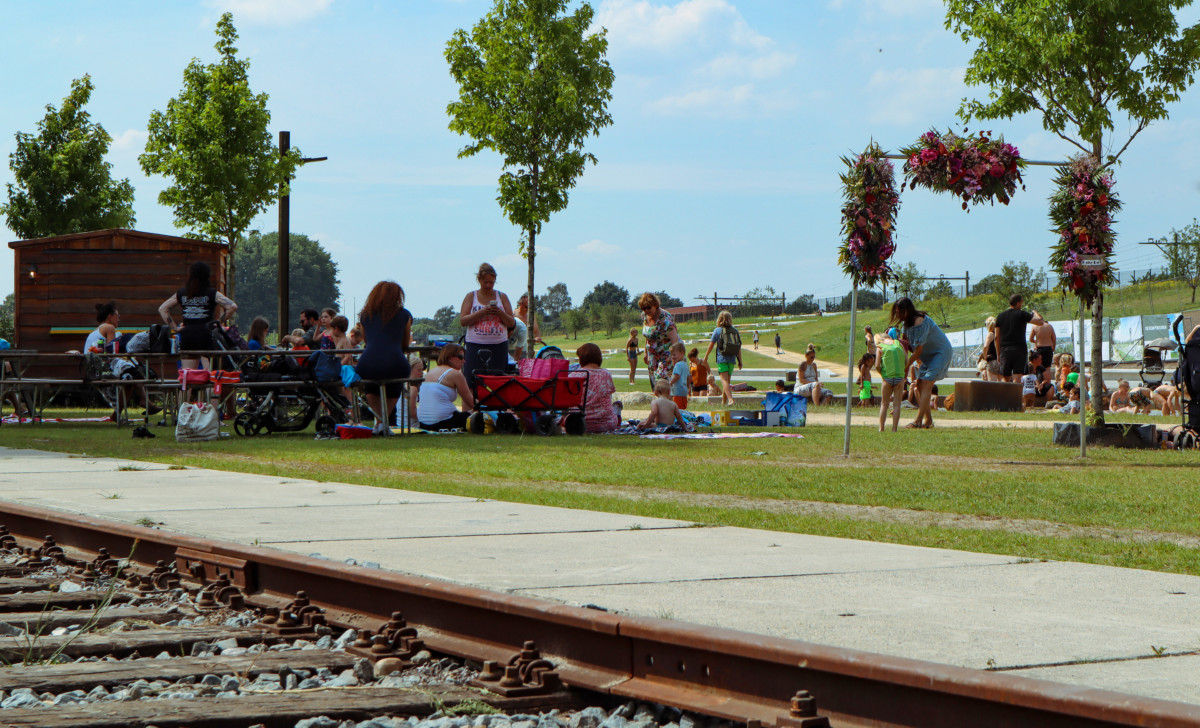
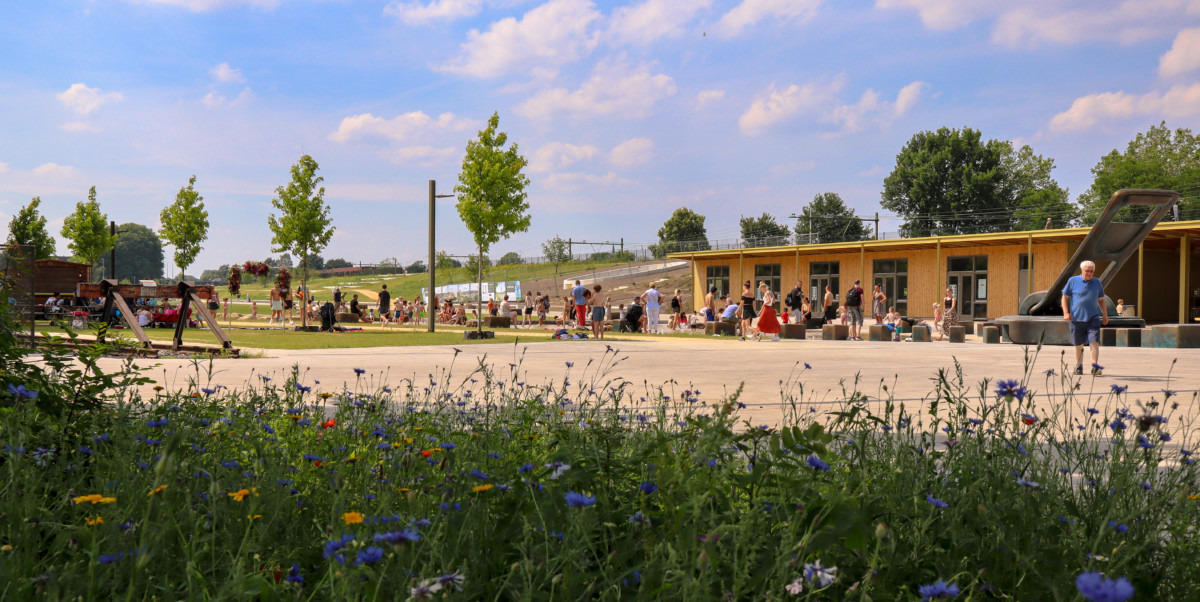
A place for people of all ages. Image: tickettotilburg.com
*Little heads up! If you’re looking for more info on the Spoorpark and its activities (or things to do in Tilburg in general, you might want to hit up the excellent Ticket to Tilburg site)
How the Spoorpark in Tilburg was built
The park is located on what used to be the railroad yards of Tilburg, and if you think that would be a sad sight, then you’re not mistaken. But the railroad yard left and it became an even sadder sight, and because of the economic crisis in 2008 years ago, not much happened on this piece of land near the station.
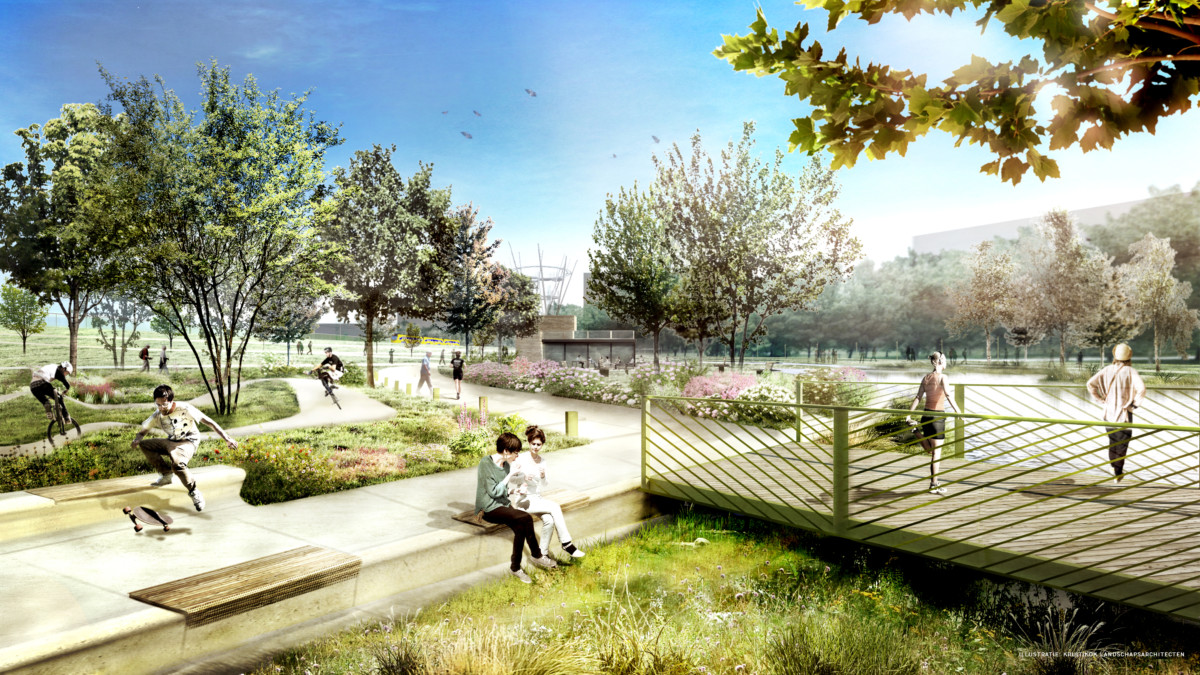
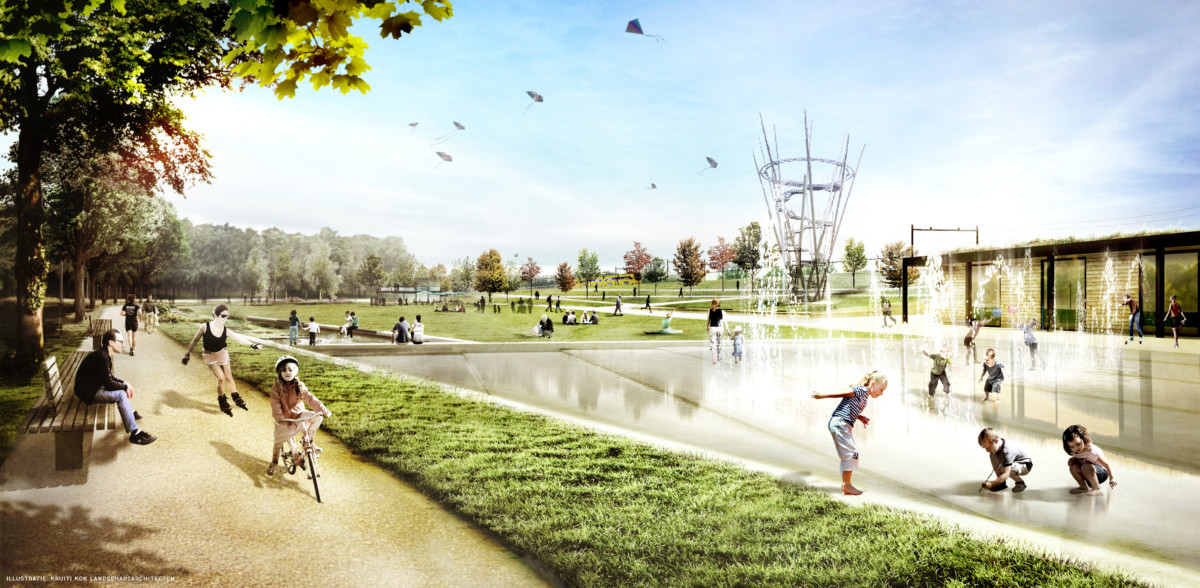
A concept picture (Image: landschapsarchitecten HR)
But times change, economic outlooks were improving and how the government is running things was also changing, and thus the municipality of Tilburg asked its citizens to come up with some ideas in 2015. Co-creation and citizens initiatives are normal nowadays but they were still a bit vague in 2015. But props to Tilburg, because the citizens more than delivered in 2017.
Image: tickettotilburg.com
“The Central Park of Tilburg”
The citizens of Tilburg brainstormed, discussed, philosophised and worked together and ended up presenting a beautiful plan for a park in 2017, which with help from the municipality was actually realised in the summer of 2019.
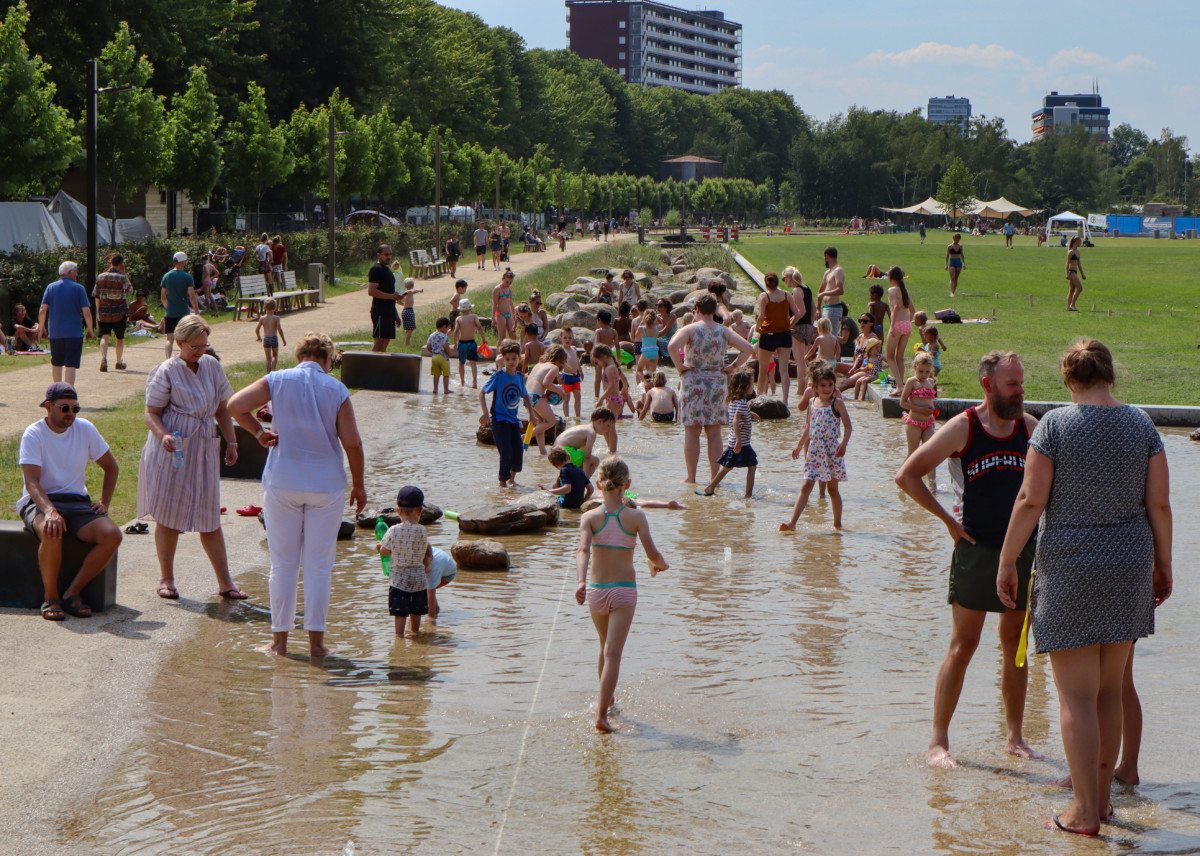
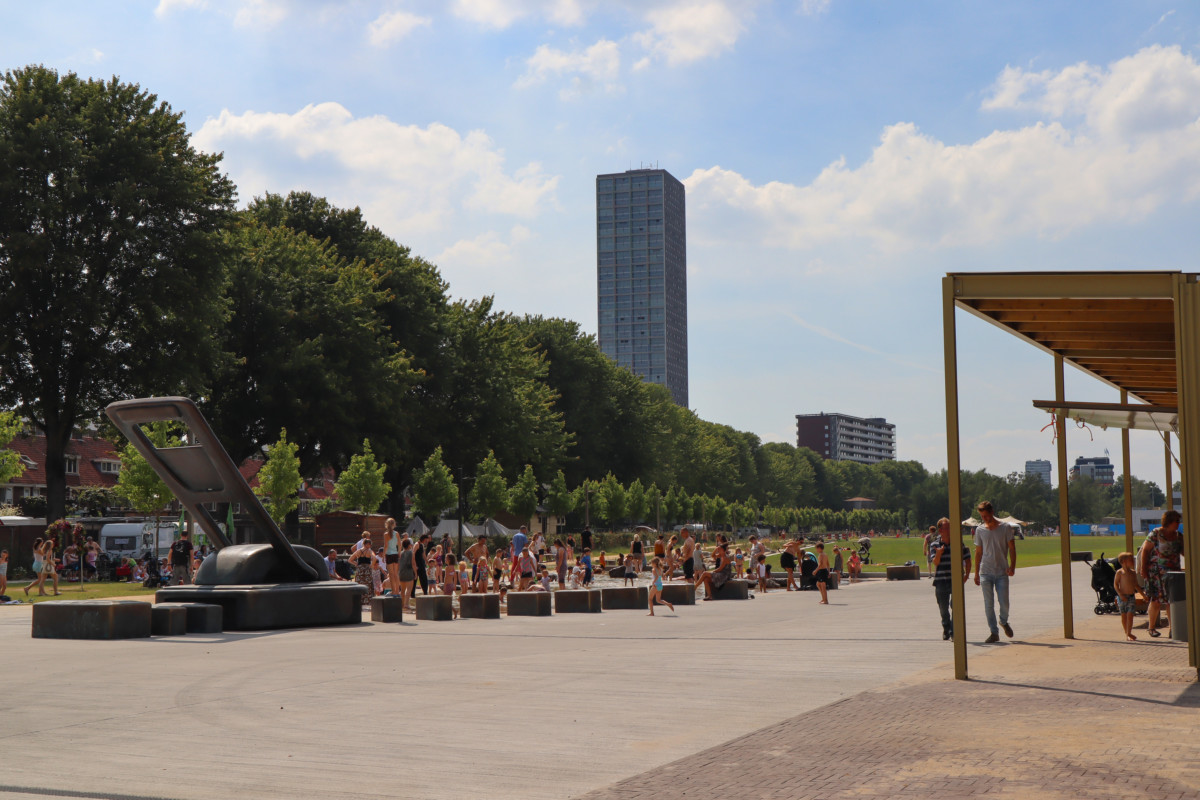
Instant crowd pleaser with that heatwave. Image: tickettotilburg.com
It now has been dubbed the Central Park of Tilburg by some, and not only because it’s big and central. Just like it’s original counterpart overseas, there are tons of things going on, powered again by the community. Because of the involvement of the city’s citizens, it’s also a much more different park than say, the Museumpark in Rotterdam or the Vondelpark in Amsterdam.
There will be a new high-rise residential building in the park itself! Image: tickettotilburg.com
Another benefit of it being a citizen’s project was the fact that the park could also count on many volunteers. And, importantly for construction projects in the Netherlands, no formal complaints were filed against the Spoorpark when it was it being built (complaints and permits are the #1 reason why construction is sometimes so painstakingly slow in the Netherlands).
Image: tickettotilburg.com
What’s there to do at the Spoorpark in Tilburg?
All the activities and ideas at the Spoorpark are also by its citizens, and you can tell because no bureaucrat could have thought of these! So what’s happening at the Spoorpark?
CORONAVIRUS UPDATE: With the current pandemic, Spoorpark is running at a limited capacity and some activities may be unavailable. Make sure to check in on their website.
Good views of the whole park and more — not something you’ll see in a regular Dutch park.
You can see the tower in this concept picture, but it looks like it will be taller than this! Image: tickettotilburg.com
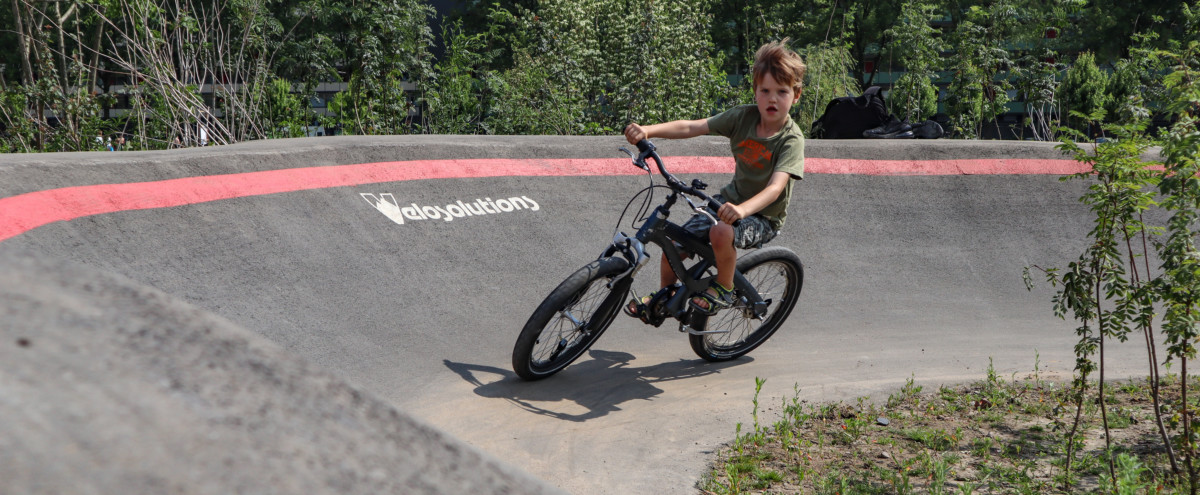
The Outdoor Urban Sports Park
BMX, Skating and extreme stepping (that’s a thing now!) — sports are an important part of the Spoorpark. The park offers some good stuff to watch too.
Image: tickettotilburg.nl
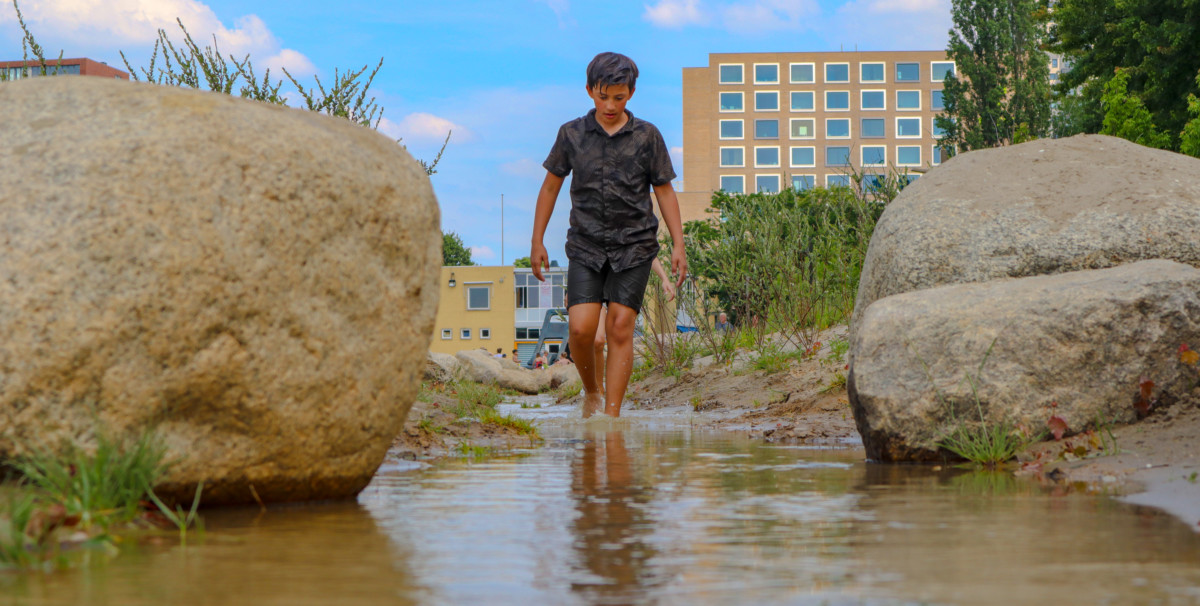
Living and running water
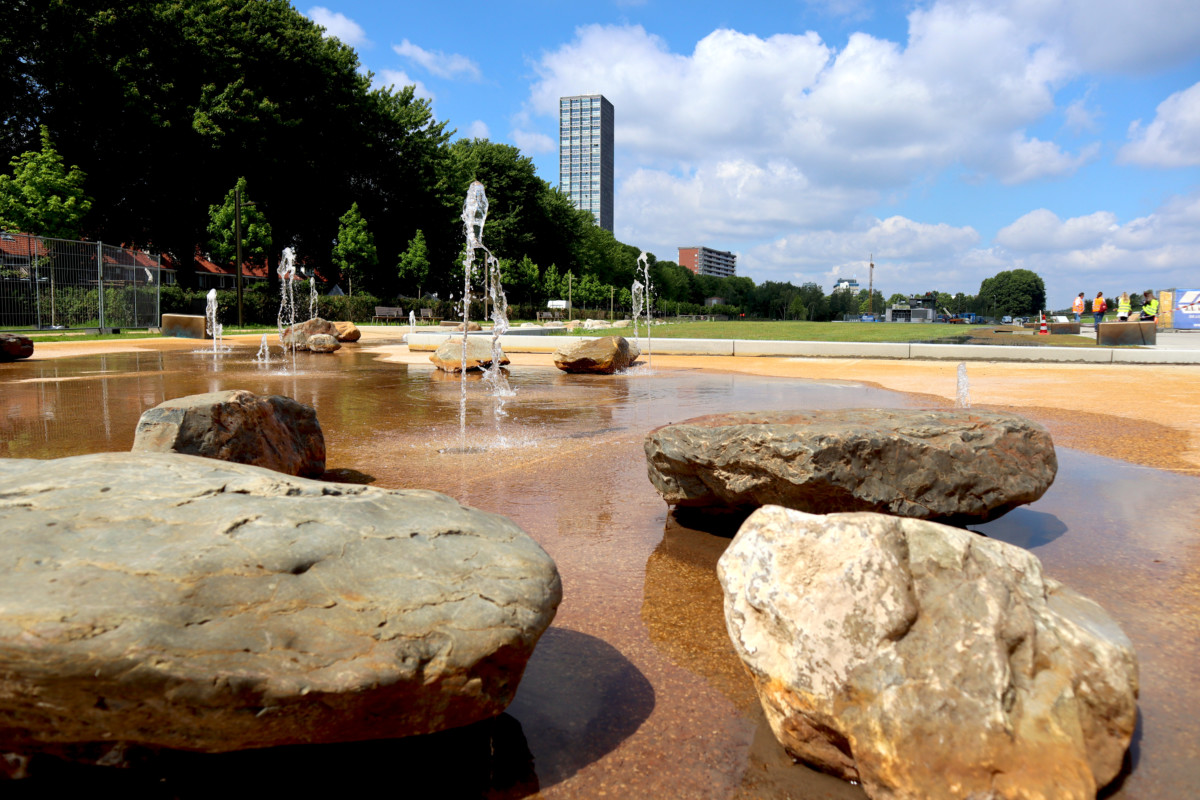
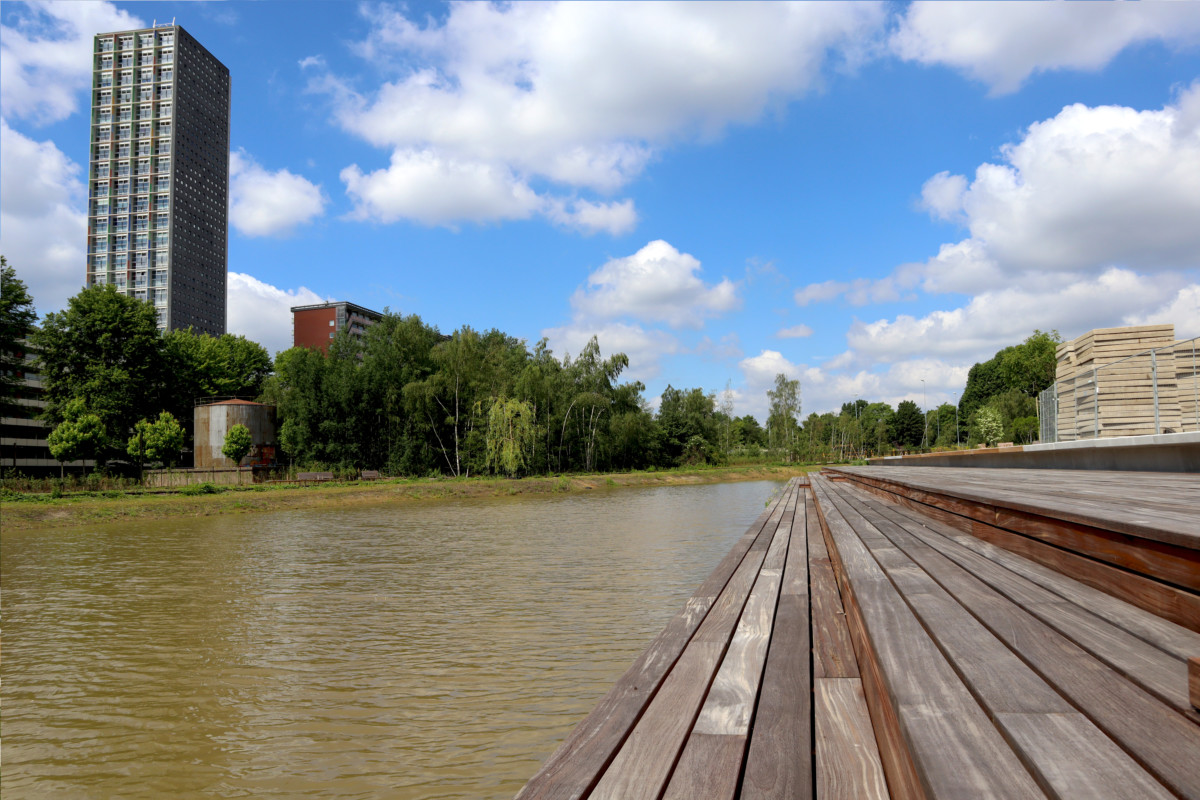
This is pretty unique because there will be an actual man-made creek running through the park. Bordering on art, the project is called “living water” and it’s looking good:
Image: tickettotilburg.com
7 Beach volleyball courts… and more
A whopping 7 beach volleyball fields are present, perfect for the summer of 2019! Basically, any beach sport is possible in the Spoorpark.
Nowhere near the end of what there’s to do in the Spoorpark. You can enjoy drinks and food at T-huis, a scouting club and, of course, enjoy all the nature and architecture — art also isn’t forgotten:
On the left you can spot ‘De Rits’ by Marieke Vromans. It’s a ‘zipper’ and symbolizes how the people and the city worked together on the park and how the city is getting ‘unzipped’ Image: tickettotilburg.com
And since it’s by the people, it won’t be long before something changes and there will be a new citizen’s initiative in the park!
Image: tickettotilburg.com
What else can you do on a trip to Tilburg?
Want to turn a visit to the Spoorpark into a proper day trip to Tilburg? Good idea, there’s plenty to do there. How about some culture? There are some great museums in Tilburg and plenty of other cultural hotspots. Tilburg has also somehow nearly perfected the art and process of refurbishing old buildings as you can see in this vlog by Levi Hildebrand when we visited Tilburg:
Then there’s the LocHal for example, a state-of-the-art library which used to be a giant hall to repair locomotives. It is an architecture marvel and is a great place to study and chill.
Fancy something else? Now might be the time to check out the nature of Tilburg. Need even more plans for the future? Have a look at the ticket to Tilburg website!
Have you checked out the Spoorpark in Tilburg? Do you know any other inspiring citizens initiatives in the Netherlands? Let us know your thoughts in the comments!
And if you are totally new to Tilburg, check out our video!
Feature Image: TicketToTilburg.com Editor’s Note: this article was originally published July 5th 2019, but was fully updated December 2020 for your reading pleasure.
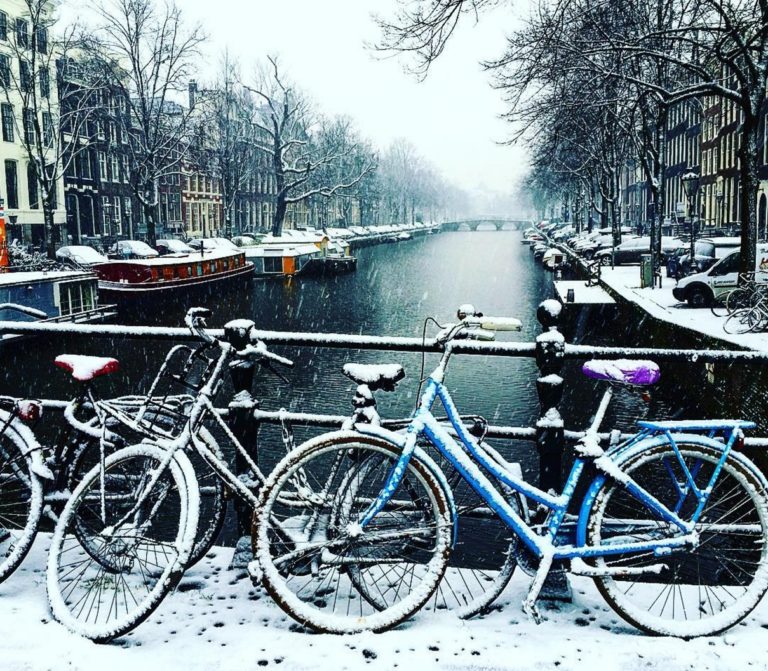
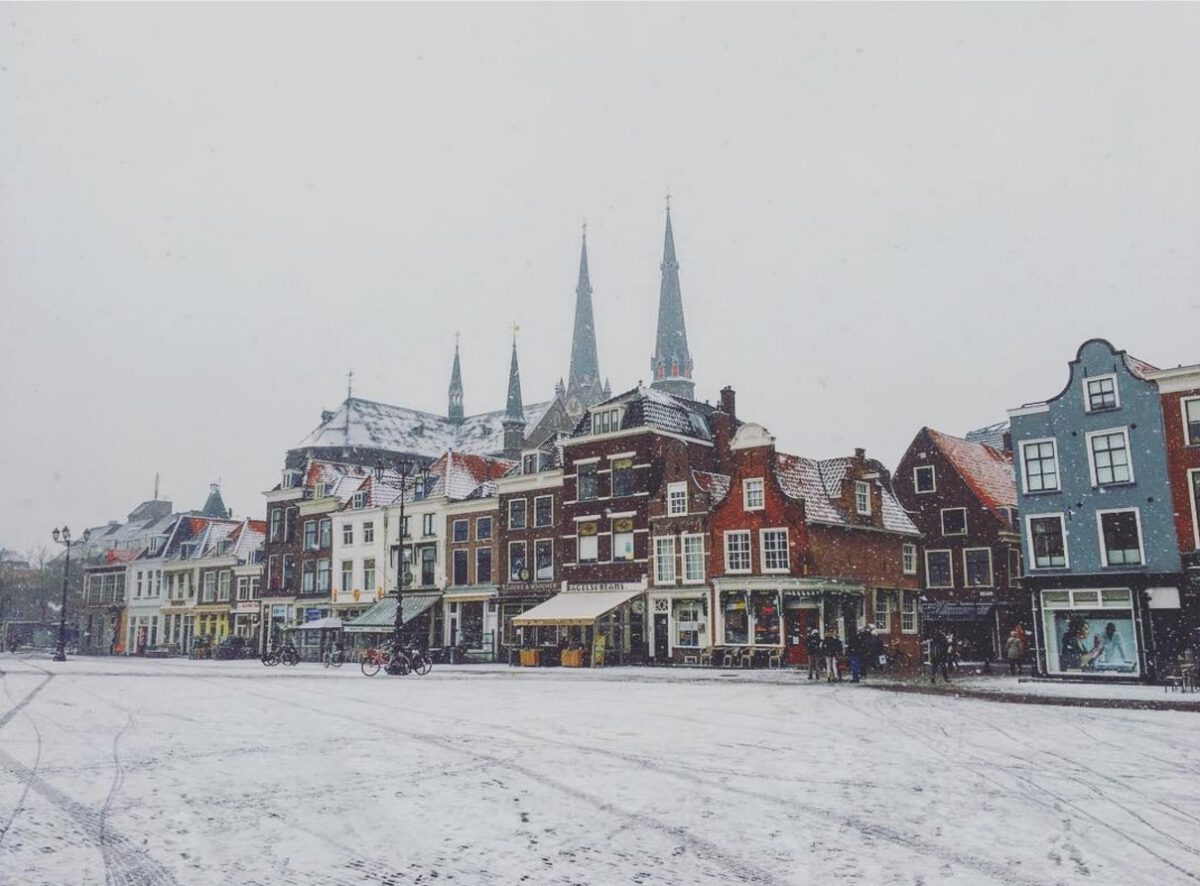
Snow in the Netherlands doesn’t fall that much anymore, and when it does it tends to be just a sad mushy layer. But when the elements align and some proper snow does fall, it’s a truly magical sight to behold.
With the snow comes ‘black ice’, trains are probably delayed, and everything is cold and slippery — but let’s just celebrate the awesomeness and the good looks that come with snow in the Netherlands. Here are all the best pics from our readers (and writers!). Feel free to send in some more!
Snow in the Netherlands
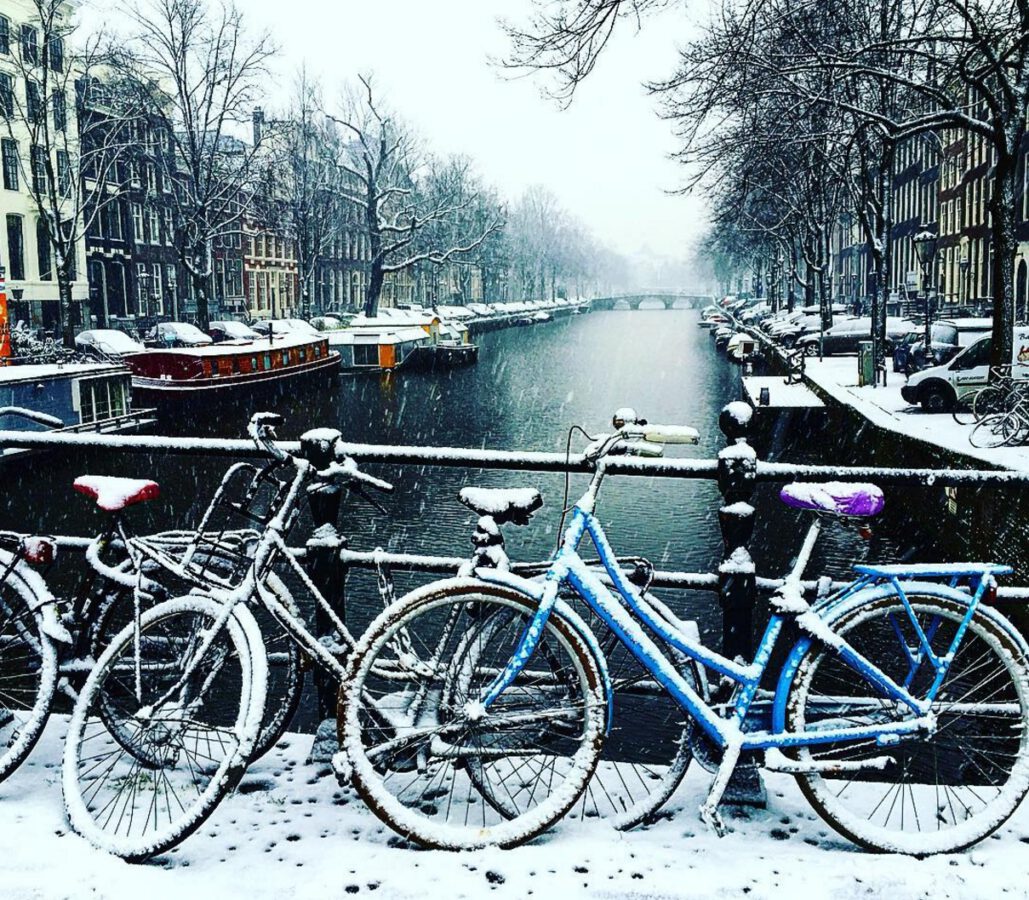
Image: @carelvanderlippe/InstagramImage: @chantalstraver17/InstagramImage: @delftcityguide/InstagramImage: @elizegoncalves/InstagramDutch people always go cycling — ALWAYS! Enora Regina/SuppliedEnzo architecten office in Burgerveen. Image: Steven Tol/SuppliedImage: @fotovandenatuur/InstagramGouda. Image: Jen @theartbureau/SuppliedGouda. Image: Jen @theartbureau/SuppliedUtrecht. Marianne Chagnon/SuppliedAmsterdam’s canals. Image: @mitchellhelantmuller/InstagramImage: @Pohutakawa Charlotte/SuppliedWeirdly this is Rotterdam! Image: Maria Mentzelidi/SuppliedDelft city centre. Image: Siddhi Pitkar/SuppliedSledding in the Ankerpark, Leiden. Image: Sharon Williams/SuppliedSchiphol, guess snow wasn’t fun for everyone? Image: Tara Martinez Mulay/SuppliedUtrecht. Image: Satabdi Lahiri/SuppliedAmazing drone shot of Leiden’s Rapenburg. Image: @Vincentsdrone (check his account on Instagram for more great stuff)Doggie at the Wassenaarseslag, love it! Image: @hoex/InstagramDelft! Image: @ya_pesenka/Instagram
That’s it for now! Let’s see if we get some snow next year. And once again, feel free to mail your pics to us, tag us on Instagram or send them in the comments at Facebook. Oh, and massive thanks to all our readers for sending in their pics!
You’re the BEST readers, FANTASTIC 😉
Which images were your favourite? Tell us in the comments below!
Feature Image: @mitchellhelantmuller/Instagram Editor’s Note: This article was originally published in February 2017, and was fully updated in December 2020 for your reading pleasure.