Home Blog Page 748

Gay Blacklists: how Amsterdam wasn’t always the gay-friendly capital

Gay friendly Amsterdam? Not always. In the past Amsterdam had Gay Blacklists – not quite the rainbow paradise it is today. 

Every nation, arguably every town, has had a shameful history of gay discrimination at some point. But when you’re now considered the ‘Gay Capital’ of the country, Europe and maybe even the world – remembering that is a little bit extra painful. Unfortunately, in 2017 Amsterdam’s city archive workers found a painful reminder that the city’s attitudes were quite different a mere sixty years ago.

Committee for Ethical Conduct: 1500 names and backgrounds

The archive workers found so much documentation that it measured several meters long, with the names of 1500 city job applicants, including further background information. This ‘Ethical Committee’ wasn’t sparse in their judgment; even having homosexual friends could be enough to be turned down for a job as a city worker.

Out of all the names in the list, at least 15% were turned down because of their sexuality, or even a mere suspicion. Those who were found ‘gay’ were blacklisted forever and could never work for the city.

Gay Friendly Amsterdam? Not so much…

The city of Amsterdam was surprised and disappointed. “A shocking discovery, discrimination against personnel on the basis of their sexuality is completely unacceptable,” a spokeswoman said. “It doesn’t fit the city’s human resources policy and even much less our organization’s inclusive policies of today.”

She pointed out however that the documents go six decades back. “Thankfully this is no longer part of our practices here in Amsterdam for a long time. Regardless that doesn’t make it any less shocking.”

(Not so-) Gay Friendly Amsterdam: investigation and compensation

According to Amsterdam-based national newspaper Het Parool, the city council unanimously voted for the City to apologize and open large-scale investigations into the subject.

For now, the documentation has been sealed off so no one will have access to them. After all, some of the subjects on the lists may still be well and alive today – being ‘outed’ could be disastrous for their private lives.

The Netherlands’ national LGBT-organization COC, also founded and seated in Amsterdam, expressed hurt and asked for further inquiries. “We believe it necessary for there to be new investigations into government treatment of homosexuals. We’re under the impression that there’s bad circumstances going on,” said a COC spokesman.

The COC asked that other cities also investigate if there used to be similar blacklists, if the individuals on it are still alive, and whether or not they want some form of compensation.

Global history of mistreatment of homosexuals

In 2017, Canadian Prime-Minister Justin Trudeau tearfully apologized for his country’s treatment of homosexuals – who faced serious mistreatment and were ostracized as the norm.

Other modern Western countries with a painful past of gay discrimination are Great Britain, who incarcerated homosexuals up until the 1950’s; Germany, whose “Third Reich” focused on the complete eradication of homosexuals during the Holocaust; and of course the United States, which saw a new wave of anti-gay sentiment after the 2016 Elections.

What has your experience been of homophobia in the Netherlands? Let us know in the comments below. 

Feature Image: WikimediaImages/Pixabay

PrEP pill program for HIV prevention starts in the Netherlands

1

Provisions for the Pre-Exposition Prophylaxis pill or the PrEP pill for HIV prevention have been started since yesterday. This pill is mostly for homosexual men who have a higher risk of contracting HIV. The Netherlands National Institute for Public Health and the Environment (RIVM) estimates that 8500 participants will be interested in getting the pill, reports NOS.

However, the GGDs are going to be receiving a subsidy from the Ministry of Health of 22 million euros. This amount is based on 6500 participants and will be given over a period of five years.

Therefore, Rinske van der Bij of the national PrEP coordination team from the GGD says that they will be giving priority to certain groups of men. She says, “for example, we can look at homosexual men under the age of 25 because they often have varying sexual contacts. But homosexual asylum seekers are also at risk. We cannot serve everyone.”

Image by Steve Buissinne from Pixabay

23-year-old Stabbed Young Women, then Pleasured Himself

A 23-year-old held responsible for stabbing four women on four different occasions revealed in a statement he did it because he ‘got a kick’ out of it. It’s also suspected Rene V. threatened six other victims. 

“I told you that I stuck my arm out of the car with a sharp object at various moments,” said the man’s statement to the court. “I wanted to scare people, I didn’t want to hurt or kill anyone. It gave me a kick.”

According to AD, Rene V. faced a pro-forma hearing yesterday where he is facing the Public Prosecutor. He confessed to the attacks after his arrest on April 24th following month of investigations.

Series of attacks

The man’s stabbing spree began in November last year, when his first victim was a 52-year-old jogger and an 18-year-old cyclist in Castricum. He allegedly stabbed both from his SUV, injuring the joggers arm and collapsing the cyclists lung.

Just four days later he allegedly attacked an 18-year-old female jogger in Edmond. The woman collapsed, then spent days in intensive care with injuries to her lung and heart.

For almost two months Rene V. lay low. However, on January 26th he stabbed a young cyclist in Barsingerhorn. She was only fifteen years old.

After each incident Rene V. satisfied himself after becoming sexually stimulated by the stabbings, RTL Nieuws reports.

Troubled psychological state

The man said in his statement that he had just gotten his life in order. He was seeing a psychologist, had a girlfriend, and had a new job as a truck driver. The girlfriend was present during the pro-forma hearing yesterday.

“With the psychologist I hoped to find out what is wrong with me. I have to work on myself. I know what is right and what is wrong,” he said.

When the judge asked Rene V. if he had a message for the victims he simply said he has “many regrets, words fail.” He is cooperating with the investigation into his psychological state.

Rene V. is facing charges of attempted murder and attempted manslaughter. He is also suspected of stalking and threatening six women in January. He will remain in custody until the trial starts on October 17th.

Feature Image: Ev on Unsplash

Have you seen this pregnant woman missing in Leiden?

0

There’s a pregnant woman missing from the city of Leiden. Her name is Sabrine Amir and was last seen on July 23rd when she attended her medical appointment. She did not attend her next appointment on July 29th.

The police released her photo on Thursday and say that she is in need of urgent medical care. She is 26 years old and is 35 weeks pregnant. She has dark hair and brown eyes.

If you have any tips, don’t hesitate to reach out to the police at 0800-6070 or through their online tip form. We hope Sabrine is found soon and gets the medical attention she requires. 

Feature image source: www.politie.nl

Smartphones on Bikes Were Banned a Month Ago – But Did it Work?

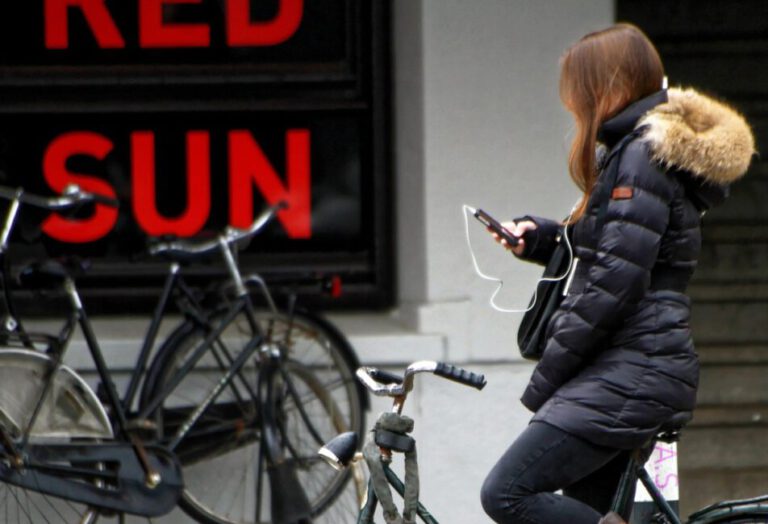
Using Whatsapp op de fiets? €95. Google-mapping your way to a broodje? €95. Skipping songs from that Bach symphony to a Tay-Tay hit? €95. Using a phone while on the bike has been forbidden for one month now. But, a recent survey shows that most cyclists have refused to change their behaviour. 

The new law banned all cyclists from having electronic devices in hand while travelling, or risk facing a €95 fine. It was a huge change for the Dutch, who were used to doing whatever they pleased on the bike.

Nearly half of all 3000 respondents in the poll conducted by RTL Nieuws said that they didn’t pay any attention to the phone ban since it was implemented.

What did the public say?

Of the respondents, only 18 people had been unlucky enough to be fined by police, despite a crackdown during the first week of the law. Seven others were stopped by police, but escaped with just a warning.

Read More: 6 things you need to know about the smartphone ban for cyclists in the Netherlands

Almost 60% percent of those surveyed said they leave their phones in their pocket or handbag, while 42% find the need to WhatsApp more important than the law.

Is the law working?

The police service will not provide any figures on how many fines have been issued. Regardless, around 50% have changed their behaviour in some way. Of course, the young guns are using their phones more than those from an older generation. Some cyclists completely disregard the rule. Others keep their phones out of sight.

Some only use their phones now depending on the situation, but less than they used to. Other respondents were utilising phone holders that clip onto the steering bar, while others use a headset or smartwatch.

Inventive Solutions

Interestingly, some readers chose to put their phone out of use completely: on airplane mode in the bottom of the bag, or use an app that remde inds them not to use their phone while travelling.

And of course there are those that don’t care about the law, as long as they don’t get caught. A quick scan for police, and app away.

Have you been resisting the temptation to use your phone while on the bike? Been subject to a fine? Let us know in the comments below!

Feature Image: Kevin Phillips on Pixabay

Chance of rain, thunder, clouds, and sun: Make way for typical Dutch summer weather!

0
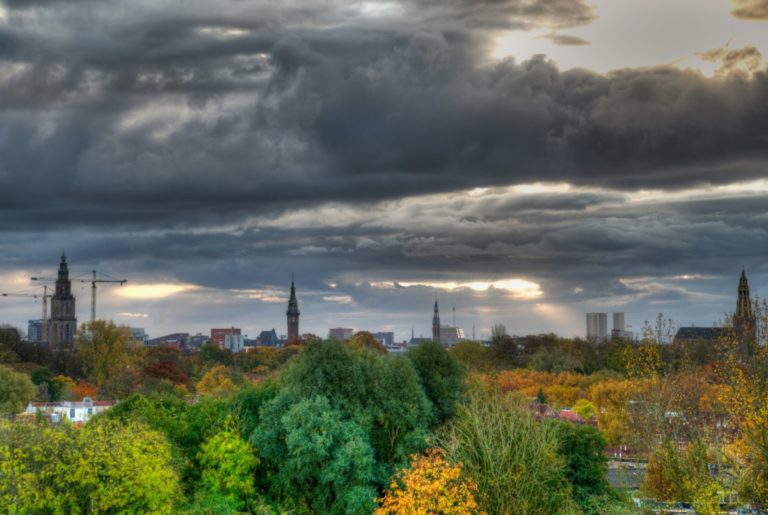
What is “typical Dutch summer” weather? Well, you’re going to be experiencing it for the rest of this week, says RTLNieuws. We are going to be looking at the end of the (alarmingly) warm weather as there’s a high chance of showers, or even a thunderstorm, today and tomorrow.
But the rain gods are smiling down on us because the weekend is said to stay mostly dry, reports Weeronline. Importantly, these are typical temperatures to be experiencing at this time of the year.
So do you want to know what temperatures you can expect for the rest of the week? Read on!

Today

You must’ve woken up to some rain in the north, or a cloudy overcast in other parts of the country. This is going to continue for the rest of today, so we hope you didn’t forget your umbrellas and raincoats for the people living in the north! Good news for the people living in the south of the country – it is mostly going to stay dry for you guys for the rest of today, with temperatures ranging from 20 – 25 degrees.

Friday

There is a chance of showers, but it may still remain dry in the south. The weather could go either way so just treat your rain gear as your best friend, and don’t leave it behind when you’re leaving home. You’re probably not going to be enjoying those terraces, but you sure can cozy up with something hot to drink in the gezellig bar.

Weekend

Both RTLNieuws and Weeronline say that the weekend is going to be mostly dry, so time to rejoice and head to the great outdoors! The weather is a definite contrast to the days before (which is what makes it typical Dutch weather) where it’s going to stay mostly dry with the sun shining through some interspersed clouds.

So what plans do you have for this weekend? How perfectly does the weather align up with your plans? It sure does for me! Let us know in the comments below!

Feature image source: Rudy and Peter Skitterians/Pixabay

7 Free Things to do in August 2019 in the Netherlands

In desperate need for some free things to do this month? We’ve got you covered! Here are 7 free things to do in August in the Netherlands.

#1 Amsterdam Gay Pride

When: Saturday July 27 – Sunday Aug 4, 2019

Where: Amsterdam

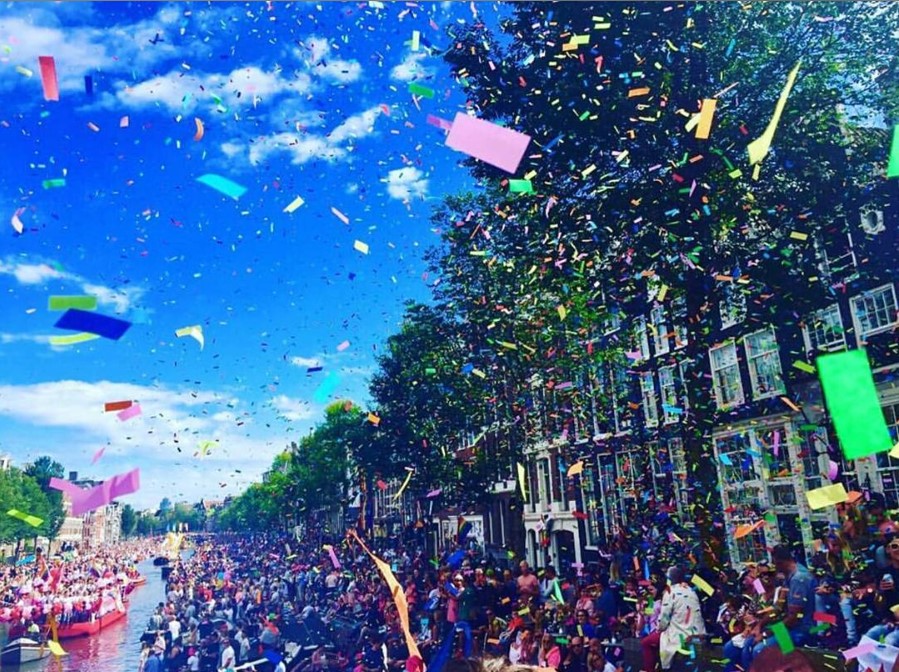
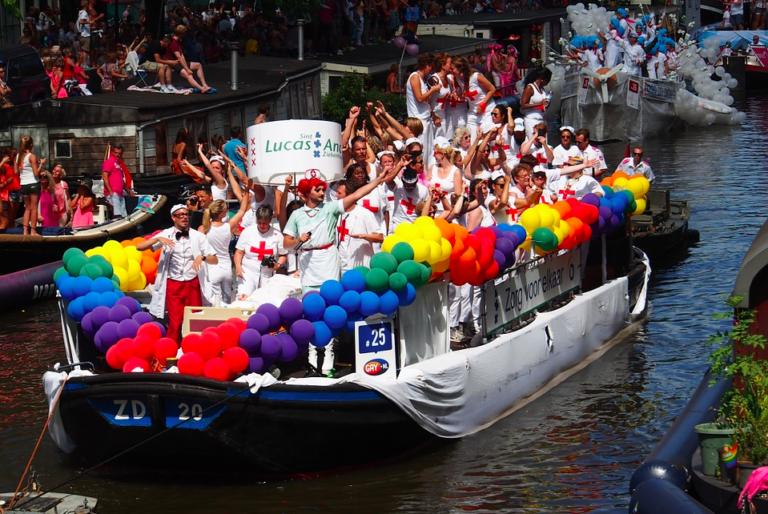
One of the best free events in August is the ongoing gay pride festival in Amsterdam. Amsterdam Gay Pride is one of the most colourful and fun outdoor parties of the year! The most popular event, is of course Canal Pride, where more than 80 decorated boats sail on the Prinsengracht canal. Other than that, there are multiple festivities and celebrations going on in the streets. Amsterdam becomes one big party for all! So if you’re in the mood for a whole lot of fun, join Amsterdam Gay Pride and celebrate equality in the Netherlands.

Pride Parade
Pride Parade

#2 Floating Flower Parade

When: 2nd August – 4th of August 2018

Where: South Holland

The Floating Flower Parade, also known as the Varend Corso, is one of Holland’s most loved summer events. During the parade, more than 50 boats are decorated with hundreds of flowers, plants, fruits, and vegetables. The boats are then boarded by music bands and performing artists, putting on a great show for everyone in sight. During the parade, the boats pass through the canals of different cities within the Netherlands. If you want to know more about the Floating Flower Parade and the program, you can read more about the event here.

#3 Uitmarkt

When: 23 – 25 August 2019

Where: Museumplein and Leidseplein in Amsterdam

This is one of the Netherlands most popular cultural events and attracts more than 400,000 visitors. Over this weekend, over 300 shows are performed ranging from Jazz to Hip Hop to kid-friendly shows – there is something for everyone to enjoy!

#4 Vondelpark Open-air Theater

When: 2 May – 31 August 2019

Where: Vondelpark, Amsterdam

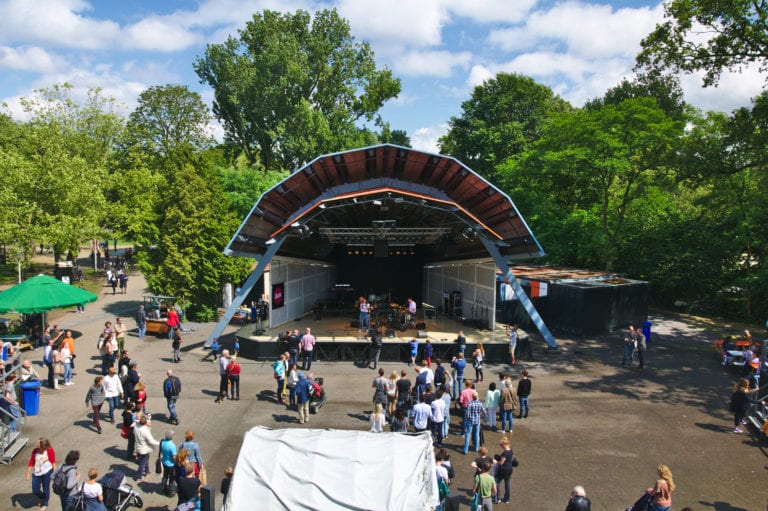
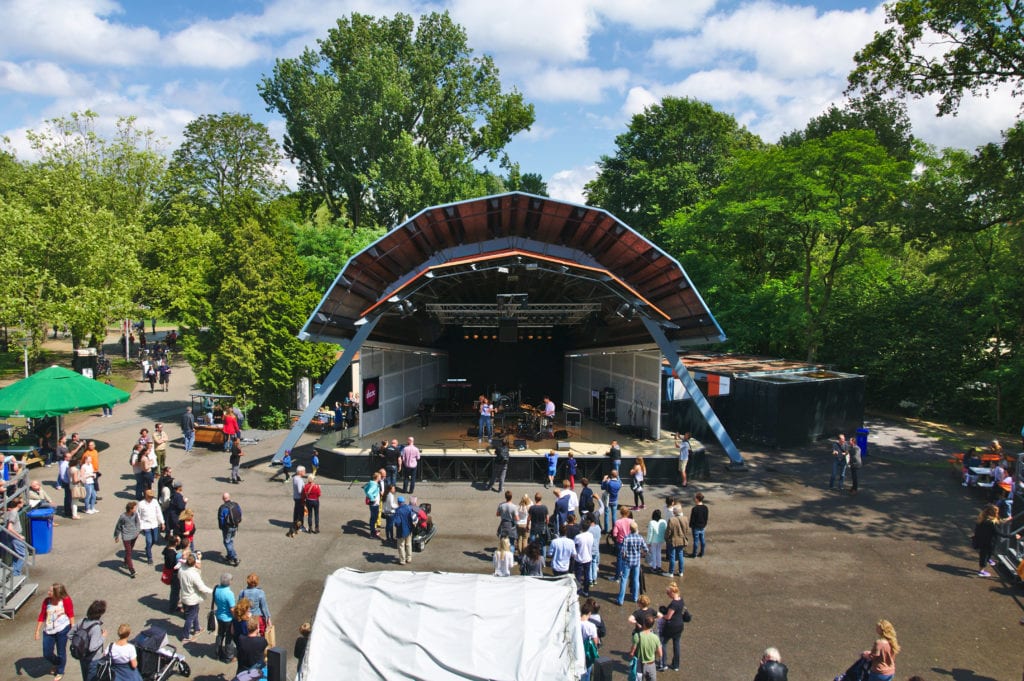
The Open-air theater in Vondelpark offers a diverse program throughout the warmer seasons. You can experience theatrical performances, music festivals, children’s shows, and cabaret performances. And all of this under the open sky, for free! All you have to do is head over to Vondelpark in Amsterdam, find a good spot to chill, and enjoy the show all summer long.

#5 Grachten Festival

When: 9 August – 18 August

Where: Amsterdam

The Grachten Festival takes place in 94 locations around Amsterdam. This unique festival allows anyone who stumbles upon it to enjoy both classical and modern music. Revel in performances by both Dutch and international performers who tell a story through the use of music. And because the festival takes place in so many unique locations, you can choose to visit the one that best suits your taste. But if you’re just casually walking through Amsterdam and happen to stumble upon this music festival, just be grateful for this moment of serendipity and enjoy some quality music.

#6 Haarlem Culinair

When: 1 August – 4 August 2019 

Where: Haarlem

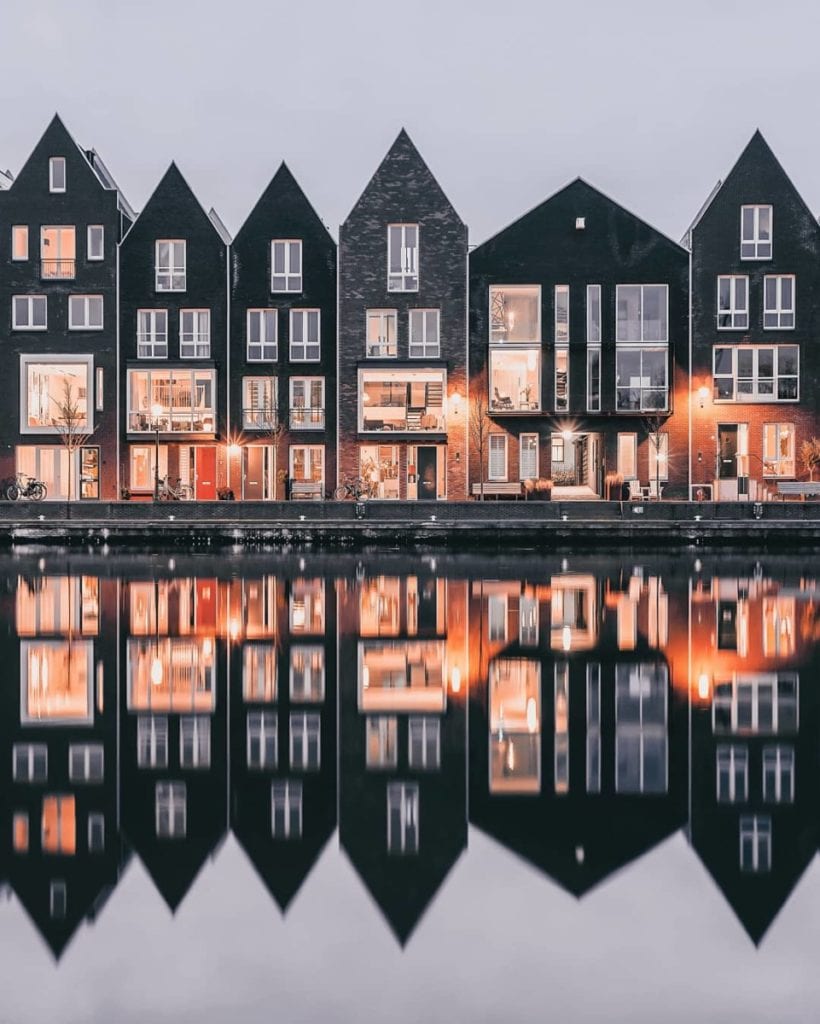
Enjoy food? Who doesn’t?! Restaurants in Haarlem band together and showcase their favourite dishes at affordable prices. This culinary festival that attracts over 70,000 visitors and is a great way to taste a myriad of different cuisines from different restaurants.

Image by Christina Kooiker

#7 Sneekweek

When:  – 

Where: Friesland

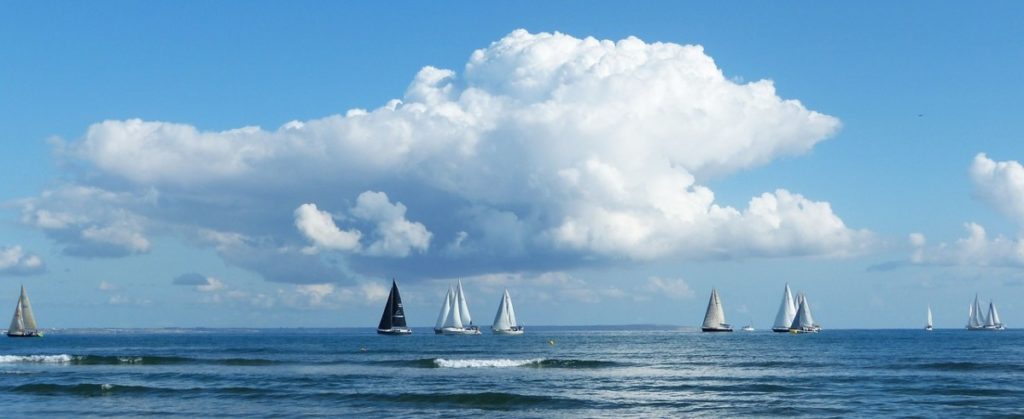
Sneekweek is the biggest sailing regatta on European inland waterways. It is an amazing display of competition but there are also other festivities such as a market that provide entertainment for all!

Source: Susanna_Sieg on Pixabay

So there you have it – 7 free things to do in August in the Netherlands! Which event are you most excited about? Let us know in the comments below!

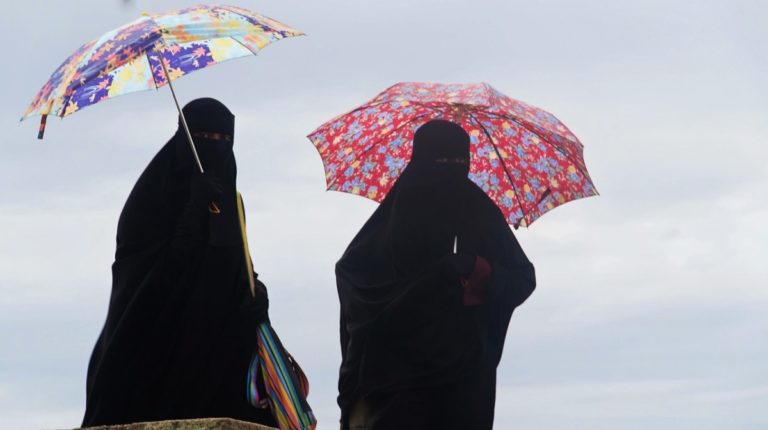
The ‘burka ban’ comes into effect from tomorrow – what will happen?

From tomorrow, August 1, the Partial Ban On Face Covering Clothing Act comes into effect. Can you go into the Rijksmuseum wearing a burka? What about attending a doctors appointment? Walk down the street? What does this law actually involve? 

The law prohibits any clothing which covers the face and makes someone unrecognisable. So although motorcycle helmets and ski masks are included in the legislation, the rights of people who wear burkas and niqabs are thought to be the most heavily infringed upon.

What constitutes a ‘public’ space?

A spokesperson for the Ministry of Internal Affairs told NOS “With a new law it is common that there are many questions.” The ban applies to any education, healthcare, public transport and government buildings. But importantly, this does not extend to the street.

So, does this mean someone wearing a burka cannot enter the Rijksmuseum because it is owned by the Government? But they could freely attend a private museum? That seems to be the case…

And in regard to public transport? Public transport conductors do not have authority to enforce the law. So although they can refuse entry to a person wearing a burka onto the transport carrier, they cannot hand out a fine.

The AD newspaper is suggesting people can perform a ‘citizen’s arrest’  while they wait for the police to arrive.

This isn’t a good idea as the police points out:

Academic hospitals are against the fine and tell NOS they will not make efforts to enforce the law. It is a concern that people may avoid hospital treatment and care if if they are not allowed to wear a burqa or nikab.

Penalty 

From August 1, any wearer of the restricted items will be asked to remove the offending piece, or leave the location. Police can be called to enforce the law and issue a €150 fine.

When the ban was first announced, Cemil Yilmaz, of the Islamic party NIDA, said the law amounts to bullying and declared NIDA would pay the fine for any woman punished for wearing a burka or niqab.  Home Affairs say NIDA have no authority to do that.

Review 

The law will be reviewed in three years which is shorter than the standard five-year review for new legislation.

The ban was initiated by Geert Wilders back in 2010 as he believed the burka prevented successful integration of women into the Netherlands. The Dutch government states there are only between 200 and 400 people who wear the burka or the niqab (a very slim minority out of a population of 17 million). The ban is not as rigid as other EU countries such as France, Belgium and Denmark.

The Dutch Population is Increasing!

1

More Dutchies? Hoorah! The Netherland’s population is increasing as more migrants inhabit this wonderful flat land and there are fewer deaths.

Migration

So far this year, nearly 46,000 people have been granted status in the Netherlands. This is a bigger intake than the first half of 2018.

population netherlands
Source: ezelsoordesign on Pixabay

The largest intake was from Eastern Europe, the United Kingdom (Brexit anyone?) and Turkey. Economist for CBS, Marjolijn Jaarsma, tells NOS “If you zoom in on this, you can see that the number of Poles in particular has increased…Poland is already the largest group of migrants, but also the biggest riser.”

In regard to the UK, prior to 2016 more Dutch people went to the United Kingdom. But then David Cameron came and screwed them us all and since 2016 more Brits have been coming to the Netherlands than the other way around.

CBS also says there is a spike in the number of Indians who are coming to the Netherlands, typically to work in the IT sector.

Mortality

There are 3700 less deaths this year in comparison to last year. Jaarsma told NOS she believes this is due to the exceptionally bad flu that went around in 2018 and caused many early deaths.

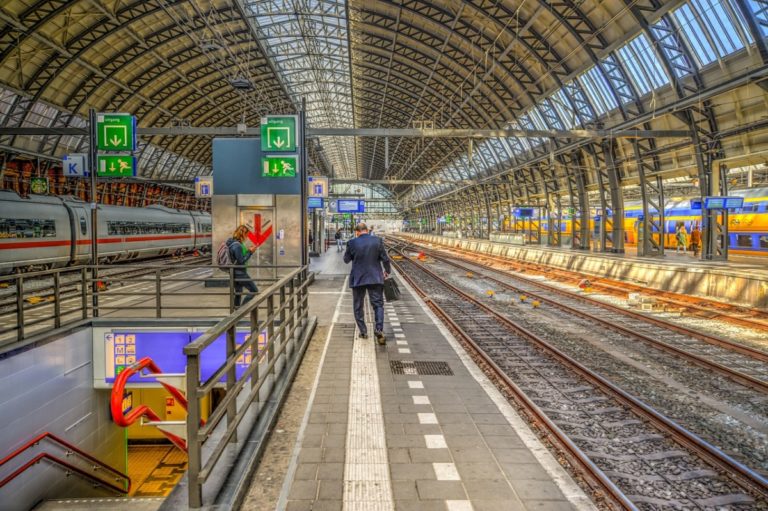
ProRail wants all rail stations smoke-free

2

Always wanted to snag a picture of yourself looking suave in a silk dress, perched on your leather suitcase while smoking a cigarette and waiting for your train? Well smoke up boujee traveller, because it won’t be possible in the future.

Yesterday we wrote that many restaurants in the Netherlands are banning smoking on their terraces and now ProRail have announced they want to make all train stations smoke-free.

The (obvious?) issue

A partial smoking ban has been effective since 2004 at all stations but apparently this does no go far enough to address the issue. The rail manager for ProRail* told NOS that they receive frequent complaints about smoking at the train stations and they want to be proactive and strive for change.

*Wait, not NS? Who are ProRail? They are the government organisation in charge of maintenance and extensions of railway infrastructure in the Netherlands.

smoking ban netherlands
Source: Skitterphoto on Pixabay

Competing freedoms?

It’s an issue of competing freedoms – the freedom to enjoy a cigarette versus the freedom to inhale smoke-free air. Despite enjoying the occasional cigarette myself, I have to side with the latter freedom on this occasion. The World Health Organization say nonsmokers who inhale secondhand smoke are still affected by the nasty chemicals and believe there are around 900,000 premature deaths each year which are secondhand smoke related.


When will it begin?

ProRail are in the process of trying to get the go-ahead from all relevant parties (train providers, trade unions, ticket companies, health organisations) but strongly believe this is what the majority of travellers support.

They predict the ban will take around two years to implement. All 400 stations must remove their smoking zones and smoke poles in order to begin the nationwide ban.

Do you support this ban? Let us know in the comments!