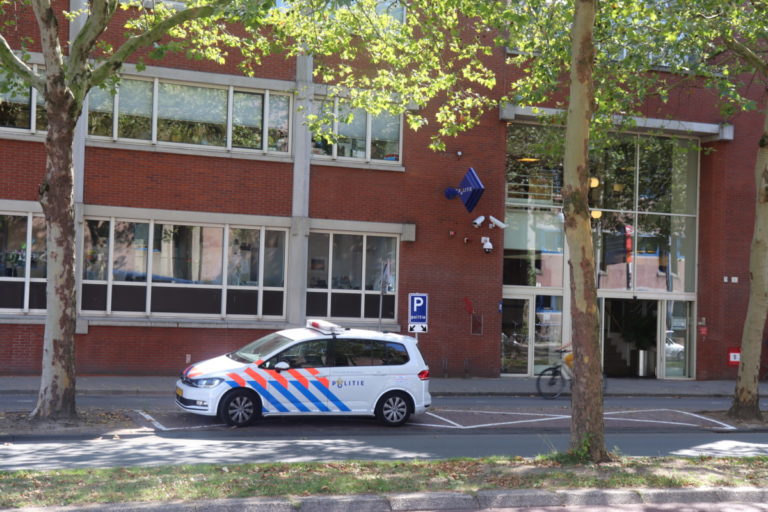
The Dutch police made a painful mistake this week when sending out a text message calling for witnesses of a house fire in Nieuwleusen to report to the police. Instead of a link to the police website, the message contained a link to a porn site.
This morning, the police sent a targeted SMS bomb, a message to all people who were in a certain area at a given time. In this case it concerned possible witnesses of a house fire on July 14 in Nieuwleusen in which a 22-year-old man died (no laughing matter there). His 16-year-old brother is suspected of lighting the fire.
The police regret linking to the website Chubby Parade
The police say they regret the mistake. “This error occurred because an SMS has a maximum number of characters,” a spokesperson explains to RTV Oost. “Because our SMS was apparently too long, a number of characters from the link have disappeared. Very unfortunate, because the new link will lead you to a porn website. Fortunately, you will first see a warning.”
But then, yes people, we’re getting there, the link takes you to something very naughty. The Chubby Parade! If you must, here’s the link: bit.ly/2Kncj
thanks warren76.
The police have now sent a new text message with the correct link. Two letters have been added to the URL.
Numbers don’t lie! Official Dutch statistics point to the fact that violence against women and girls is a disease that affects an estimated one in three women worldwide — more than a billion people.
According to the results of a research by the EU’s Fundamental Rights Agency, the percentage of women who have been victims of sexual, physical or psychological violence in the Netherlands is 45 percent. On average, 24 reports of rape are made in the Netherlands each week, while an estimated 80 percent are never reported.
Tragic, right? The aforementioned numbers are only talking about the plight of women in our relatively safe Netherlands. It is not talking about the millions of women in (war-torn) countries where they are victims of rape, female genital mutilation, married off as children, honour killings or simply beaten to death by their husbands.
Abuse against women generally means physical or mental violence against women by their (former) partners. This type of abuse is classified as domestic violence and is considered by experts as a way of exerting power. Abuse, when it happens at home, is called domestic abuse. It can also happen at work, in school, public transportation, in church, on the streets, etc.
Violence against women in the Netherlands. Picture – Unsplash.
Abuse against women can go very far and in a lot of cases, perpetrators make the victim’s life hell. This is something that can happen to anyone – locals in the Netherlands as well as expats. When going through such a thing, it is important to know that there are people out there who are willing to help. Violence against women can be very difficult to put an end to. It is seen as a structural problem arising from the unequal distribution of power between women and men and the deep-rooted ideas about their respective gender roles in the family and in society. The most common form of abuse against women in the Netherlands takes place at home – Domestic abuse.
Types of abuse perpetrated against women:
Light and occasional violence: hitting and kicking, where the injuries vary from scratches, cane or belt marks to all kinds of bruises.
Repeated and serious violence: slamming the head against the wall, brief squeezing of the throat, hard kicks and/or hitting and throwing objects. The injuries are often serious and sometimes have long-term effects such as internal organ damages, fractures, concussions, dislocations, etc.
Very serious violence: threat with firearms, hitting with hard objects, stabbing, acid attacks, inflicting burns and rape. This always involves injury, often permanent disfigure of the face and other body parts, psychological damage, loss of memory especially when hit on the head and in most cases, miscarriages.
Causes of violence against women:
There are many possible causes of violence against women in the Netherlands. It must be noted that none of it is the woman’s fault. Abuse of any kind is never the victim’s fault!
Discrimination: women are often seen as second-class citizens in many cultures, with both an economic and political disadvantage. This is due to the unequal distribution of power. In some countries, women are even discriminated against by law. When people from those countries emigrate to the Netherlands, they usually bring that way of life with them. The men treat women like property and in most cases physically and sexually abuse them.
Social factors: in many cultures, it is considered normal for men to beat their wives or for women to renounce their personal freedom when they get married. In such cultures, women have little or no freedom when it comes to choosing partners, as this is done by their parents. It is also considered a taboo and shame to the family name if they engage in sexual activities without getting married or become pregnant out of wedlock.
Family traditions: many families believe that violence within a relationship is a private matter, and should not be subject to outside interference. The perpetrators are hardly ever punished, and even when they are, the punishment is light. This isn’t just the case in African and Asian countries, it also happens in the Netherlands.
Drug abuse: in the Netherlands, most husbands who abuse their wives are struggling with addiction. They usually come home drunk or high on drugs and then physically abuse their wives, often leaving them with long-term injuries.
Apart from physical and sexual violence, there can also be psychological violence: such as constantly insulting, belittling, ignoring a woman. Psycological abuse can be very hard for lots of women to recover from.
Characteristics of Abuse Against Women
Abuse against women occurs in all walks of life. It often manifests as a combination of mental and physical violence. In addition, the perpetrator’s intention, consciously or unconsciously, is always to frighten the woman, to instill fear in her and always make her feel small and vulnerable. The constant intimidation and violence gnaws at the self-esteem of the woman till she’s nothing but a shell of herself.
Effects of Abuse Against Women
Abused women often keep their mouths shut and in a lot of cases, even defend their abusers. This is usually out of fear and/or shame. Many women also feel that they are to blame for the abuse and as a result, fail to report it or seek help. Most of them feel that they have failed in achieving the ideal image of a happy family and as such, being abused is punishment for that failure. Often women come up with excuses for the violent behaviours of their husbands and even stay hopeful that everything will turn out fine in the end. Unfortunately, that isn’t always the case.
Why Don’t Abused Women Always Speak Up?
In a lot of cases, abused women are terrified of their abusers. Most of them feel that if they talk to someone about their ordeal, their abusers might find out and things will become worse as a result. In most cultures, these women are also filled with shame and are afraid to speak evil of their husbands (who is usually the abuser). Unfortunately, many of them are encouraged by their families to endure and keep being positive and hopeful that the perpetrator will someday stop hurting them. Most of these women never live long enough to see the abuse end!
In addition to (serious) physical injuries, abuse against women can lead to:
Psychosomatic complaints (physical complaints that originate in psychological problems)
Loneliness
Depression
Suicide
Anxiety disorders
Causes of Abuse or Violence Against Women in the Netherlands
It is difficult to say exactly how violence starts within a relationship. Experts believe that it often starts gradually. In the first instance, the abusive partner may behave jealously and try to control his wife or girlfriend. Most women may find it cute and take it as a sign that their partners love them. The abusive partner usually has difficulty with the autonomy and independence of his partner. Rape is also a form of domestic abuse and most women who are victims have spoken about how they were repeatedly raped by their partners. In the Netherlands, lots of men find it difficult to understand that rape can occur in a marriage. To them, rape isn’t possible in a marriage because a husband has the right to have sex with his wife — any time he wants!
Sexual Violence or Abuse in the Netherlands
Although the Netherlands strives to build and maintain an egalitarian society, many women are still sexually abused by the men in their lives. While men who are sexual predators make life unbearable for women in the workplace, husbands make life a living hell for their wives at home. Lots of men in the Netherlands believe that it is the husband’s right to have sex with his wife — even against her will. When a married woman is forced by her husband to have sex against her will, she is a victim of rape, which is a form of sexual abuse. Sexual violence doesn’t just involve sexual assault and rape, but also, for example, the forced viewing of pornographic images, etc.
Characteristics of Sexual Abuse
Perpetrators of sexual abuse are usually the spouses or someone the woman knows. Most women feel guilty, ashamed and dare not to talk about it. But they are also angry and hurt. It is not easy to accommodate all those conflicting feelings while having to deal with the fact that the person who did such a vile thing to you is either under the same roof as you or shares the same space with you every day.
Effects of Sexual Abuse
Sexual violence or abuse can have major effects on the victims. For instance:
Anxiety, depression, post-traumatic stress disorder, and suicide.
Eating disorders such as anorexia nervosa or bulimia nervosa.
Alcohol or hard drug addiction.
Sexual pain problems and problems with sexual desire.
In children, sexual violence can lead to developmental disorders, trauma and psychological problems.
Why Don’t Abused Women Leave Their Abusive Partners?
The secret of being abused isn’t the abused’s – it is the abuser’s. Photo – Unsplash.
Although domestic abuse can be a terrible thing for a woman to experience, most women find it extremely difficult to just leave their abusers. An important reason for this is that they are usually terrified of their abusers. Abusers work hard at instilling fear into their victims and once they succeed, leaving becomes almost impossible. In the Netherlands, abused women find it difficult to leave their abusive partners because they are scared that their partners will find them, no matter where they take refuge.
Below are some other reasons why abused women stay with their abusive partners:
They blame themselves. They somehow convince themselves that they deserve or that they are the problem in the relationship.
Most women find it very difficult to admit that they made the wrong choice is a partner.
Often, the men changed during the course of the relationship. Manipulative abusers who sometimes act loving and caring make it very difficult for women to leave abusive relationships.
Most women do not want to deprive their children of the presence of their fathers.
Women who grew up in a home where their fathers beat their mothers may consider it normal behaviour to be physically abused by their husbands.
Here in the Netherlands, there are women who are forced by their husbands to become housewives and as a result, have no source of income. These women are financially dependent on their partners and know that if they leave, they lose their income, their houses, etc. Most of them stay in abusive relationships because they don’t want to give up all of that.
Victims of abuse are usually told by their abusers that they are worthless and can never amount to anything on their own. Unfortunately, most of these women eventually believe their abusers. They find it difficult to leave because they no longer believe in themselves and think that they cannot live or survive without their husbands.
In most cases, after violent outbursts or acts of physical abuse, the man often acts sweet and nice and says he is sorry. In such a case, most women genuinely believe that their abusers will change and this makes it harder to leave.
Most women never leave because they are afraid of what people would say. They are afraid of being blamed and not being believed.
Lots of women in the Netherlands who are from ethnic minorities are afraid of losing their right of residence if they leave their husbands. Most of them suffer abuse in silence because they don’t want to be sent back to their countries of origin.
As a result of abusive partners, lots of women either have very few friends or no friends at all. They are entirely on their own and have no one to talk to. Controlling husbands make it difficult for them to make friends and in most cases, when their husbands see them talking to someone, they come back home to more physical abuse. In such a situation, finding the strength to leave an abusive husband can be very difficult.
Thankfully, there are organisations where women who make the difficult decision to leave an abusive home are received with open arms. The Arosa Foundation is one of such an organisation.
Arosa provides shelter for women, men and children who are victims of domestic and sexual violence, honour-related violence, exploitation and human trafficking.
They are available from Monday to Friday on 010 – 820 08 40. For a listening ear, you can call 0800 – 32 000 32 and there’s always someone there to listen to you and give you advice.
Arosa Contact Details
Office and mailing address:
Arosa Foundation
Vulcanusweg 279
2624 AV Delft
010 – 4769044 info@arosa-zhz.nl
Help you can expect from the Arosa Foundation:
Crisis relief in the event of a severe emergency. Victims are offered a safe place to relax and to consider their next steps.
A 24-hour shelter where guidance is always available, especially for women who need it.
Shelters where victims can live as independently as possible.
Shelters where victims can live in groups living, independently and/or under supervision.
In addition, Arosa offers various forms of guidance: individual interviews, family discussions, courses and group activities.
The Outside World
It is very unfortunate that the outside world often doesn’t notice much of the abuse that women suffer. In the wake of the MeToo movement, we saw situations where the outside world denied that women were (sexually) abused or even defended the abusers, making it difficult for lots of other women to come forward and tell their stories. It is also difficult to see whether a woman is actually being abused because most victims deny it themselves or become very good at hiding their scars. The outside world can definitely help. We need to change the way we react to women coming forward with their stories of abuse. We need to listen more, show understanding, help them find the help they need, see to it that perpetrators are rightly punished, etc. And most importantly, we as a society need to do a better job of raising our boys to become better men, the kind who don’t hurt women.
How Often Does Domestic Abuse Occur in the Netherlands?
According to BlijfGroep, the Netherlands has around 200,000 victims of serious domestic violence every year. This makes it the most extensive form of violence in the Netherlands. Of the total Dutch population between the ages of 18 and 70, 45 percent have been the victim of some kind of domestic abuse, whether physical, sexual or psychological. More than 63,000 cases are reported to the police every year. That is approximately one-third of the total number of victims. Because of fear, shame and feelings of guilt, only a small part of these cases come to light.
Are Women the Only Victims of Domestic Abuse in the Netherlands?
No, men are victims too. According to the Dutch Statistics Agency (CBS), in 2017, 1.7 percent of women aged 15 or older reported being the victim of one or more forms of domestic abuse. For the men, the number was 2.5 percent. CBS also reports that the numbers increased in 2018. More women reported being the victims of a sexual offence more than twice as often as their male peers. CBS also reported that in the case of women, their abusers were mostly people close to them — partners, family and friends. Both women and men most often cite someone they are familiar with as the abuser.
How Many Women Who Are Victims of Domestic Violence Seek Help Every Year?
Every year around 13,000 women in the Netherlands seek help in women’s shelters all over the country. Abusers often have a number of factors in common:
Limited aggression control.
Difficulty communicating in a relationship; can only express themselves with their fists.
Jealousy – in cases where the woman earns more than the man, etc.
The need to have control over others.
Use of alcohol or hard drugs: men abuse people more when they are under the influence of alcohol or hard drugs.
Experts claim that the chance of women being abused is greater if there are problems such as unemployment or work-related stress. A large part of abusive men grows up in a family where women were constantly abused.
Helping Women Who Are Victims of Domestic Violence in the Netherlands
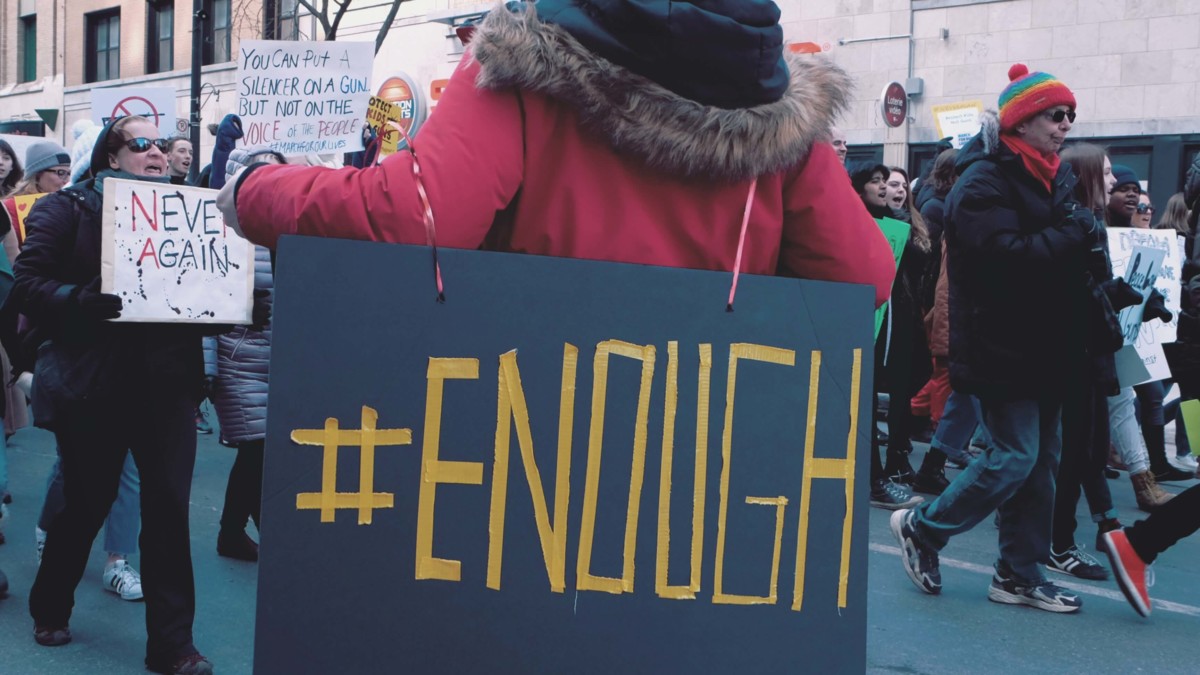
Enough of the domestic violence against women. Photo – Unsplash.
Violence against women is a very worrying issue in the Netherlands. It’s usually one of the main reasons why a lot of women are homeless. Fortunately, there are lots of organisations where abused women can seek help in the Netherlands. If you’re a victim of domestic violence and are homeless because of it, please go on OpvangAtlas to find the nearest shelter to you. It is a good thing that it isn’t just the abused women who can get help and guidance, but also their abusers. MIND Korrelatie and The Arosa Foundation are also organisations that offer help and referral to victims of abuse.
Men can also fall victim to all kinds of physical, psychological and sexual violence. In the Netherlands, there are situations where men are abused by other men. But there are also women who abuse their male partners. It is a problem that is often not talked about. On one hand because of the prejudice that men can never be victims of abuse, and on the other because men find it difficult to ask for help if it happens to them. This causes a lot of silent suffering.
If you are a man and have been the victim of abuse, it can be very difficult to talk about. Most men feel shame and fear. Talking about it is very important: it is the first step in stopping the abuse and dealing with it. Feel free to contact MIND Korrelatie and The Arosa Foundation. They have a lot of experience in providing assistance for domestic abuse victims.
Helping Victims of Sexual Abuse in the Netherlands
Victims of sexual violence often find it difficult to ask for help. Fear of the perpetrator and feelings of shame and guilt often play a huge role in their silence. Speaking up is of paramount importance in finding healing after sexual violence. In most cases, while victims are getting help, the violence may still be ongoing and has to be stopped. Perpetrators also have to be prosecuted and are mostly ordered by the courts to seek medical and/or psychological help. Organisations like MIND Korrelatie and Slachtoffer Hulp Nederland have been helping victims of domestic abuse for many years. There are cases where they also offer psychological help to the perpetrators.
If you’re a victim of domestic abuse, please seek help. Talk to the people around you and if you happen to know someone who is a victim, please assist them in seeking help. The main goal of organisations like MIND Korrelatie and Slachtoffer Hulp Nederland is to put a stop to domestic violence.
MIND Korrelatie
MIND Korrelatie is an organisation that offers anonymous, professional, psychological and psychosocial assistance to victims of domestic abuse. They provide individual advice and assistance to anyone who requests it. This can be done by telephone and online. Psychologists and social workers at MIND Korrelatie listen, advise and, if necessary, refer victims to other professionals who can help them further.
Contact
Helpline MIND Korrelatie Telephone: 0900-1450 (€ 0.15 / min) on working days from 9 a.m. to 6 p.m. Email: vraag@korrelatie.nl Chat: www.mindkorrelatie.nl on workdays from 9 a.m. to 5.30 p.m. WhatsApp: 06-13 86 38 03 on workdays from 9 a.m. to 5.30 p.m. Address:
Stationsplein 125
3818 LE Amersfoort 033 422 01 00
Slachtoffer Hulp Nederland
Slachtoffer Hulp Nederland has dozens of branches in the Netherlands. They work from 80 locations throughout the Netherlands with the head office in Utrecht. Slachtoffer Hulp Nederland doesn’t just offer help to victims of domestic violence, they also help victims of other types of crime, traffic accidents, disasters and calamities. Think about someone who has been robbed or attacked by armed assailants and is struggling psychologically as a result. They provide psychological help to these victims. You can go to them for emotional support and they also offer legal support in the event of domestic violence.
Are you a victim of domestic abuse and need help but don’t know who to run to? Or are you finding it difficult to ask for help from family, friends or acquaintances? If you want more information, please contact them. It is important to know that you can only visit their locations by appointment. Do you want a face-to-face conversation with one of their employees? Then contact them via telephone, mail, chat or social media to make an appointment. You can reach them from Monday till Friday between 08.00 and 20.00 and on Saturday between 10.00 and 17.00.
Every woman who regularly experiences violence or abuse within her marriage or relationship must know that: love isn’t supposed to hurt. Love is not abusive. Love is supposed to be kind, understanding and forgiving. A partner who abuses you doesn’t love you and most likely will never stop or change! Often, out of sheer embarrassment or shame, these women say nothing about the violence or the abuse they experience on a daily basis. But it is very important to speak to someone. You have to let the outside world know that you need help, that you and your children have to leave your abusive partner. Not tomorrow, not next week, but preferably NOW! Speak to your doctor if your partner doesn’t allow you to contact family and friends. Your doctor is your best bet because your husband isn’t allowed to follow you to your doctor’s appointment.
Leaving an abusive partner is very difficult. Talking about it can feel like a huge step, but it is one that must be taken. It is very normal for abused women to keep everything to themselves or even defend their abusers. But if you don’t leave, your abuser could kill you! For your safety, please seek help! You need to reach out because you people who can support you emotionally. They have to be:
genuinely interested in your story,
able to show compassion, also in the weeks and months that follow after you’ve left your abuser,
able to help you find concrete solutions to the problems you’re facing,
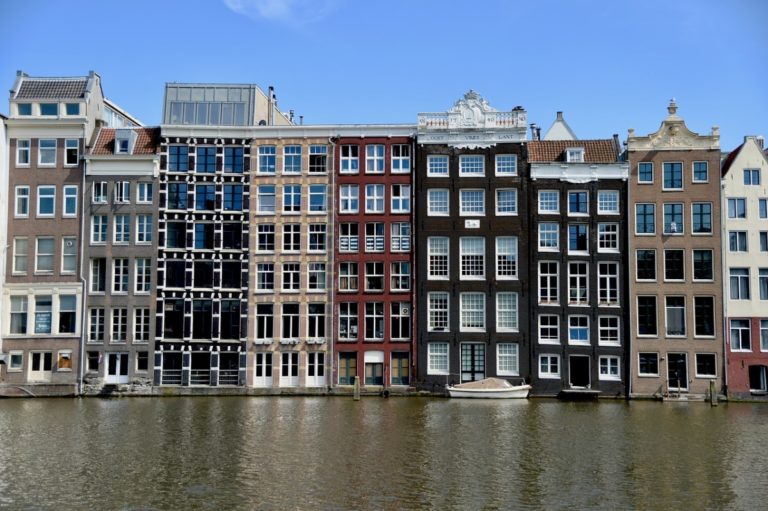
House-owners in Amsterdam hoping to make a quick buck over the summer have been slapped with a fine instead. The municipality has snapped up €387,000 in fines for illegal holiday rentals.
The municipality’s enforcement officials have hit the streets and the web, responding to reports from neighbours and checking online listings to find homes that are being illegally rented.
What are the rules for holiday rentals in Amsterdam?
Rules in Amsterdam prevent homeowners from renting their house for more than 30 days in a one year period, and limit the maximum of guests to four people.
However, the homeowner has to notify the municipality and have permission from the the homeowners association for their building or area (VvE).
“The nuisance is particularly high during the busy holiday periods, because homes are too often rented out to too many people,” the Amsterdam municipality said.
Te huur Open Air B&B, centrum Amsterdam, veilige buurt. Compleet met tafel & stoelen, Led-TV en magnetron-oven. Eigen beddengoed meenemen. Koffiezetapparaat niet op foto. € 75.- per nacht minimaal 3 nachten. Geen schoonmaakkosten. Eigen opgang. Roken toegestaan.#airbnb Boek Nu! pic.twitter.com/7b4fCVDuMs
If a homeowner fails to inform the municipality and are caught out they face a fine of €6000. That’s preferable to a fine for an illegal holiday rental, however, which can run the homeowner up to €20,500. That’s a pretty expensive Airbnb!
But it’s not empty threats: the munipality slapped three people with the first fine in one month – and eighteen homeowners with the second. Ouch!
It comes with after it was revealed that at least 821 of Amsterdams social housing homes were being rented out on Airbnb, with the municipality talking about making illegal subletting a criminal offence.
Have you seen any tight Airbnb restrictions? Know someone slapped with a fine? Let us know in the comments below!
“It’s too hot! It’s too cold! It’s too rainy!” Sound familiar? Yeah, we know we complain about the weather a lot, but come on Netherlands, this is getting ridiculous! Just a few weeks ago we had skyrocketing temperatures, then a mish-mash of rain, sun, wind, and cloud, and this weekend? Boy, ya’ll better get your umbrellas out.
Let’s hope you’re not relying on sunshine-drenched weather for all your weekend plans, because ch-ch-ch-changes are a-coming.
This afternoon we’re looking a little cloudy, but the rain should hold off for most of the country. Cherish this time, because tomorrow it gets wild.
Tomorrow the weather will be heated at around 22-27°C, it will also be cloudy, with heavy rain predicted. Lucky us, because heavy rain will also bring a friend: strong winds.
The morning is forecast to be more mild, but rain will occur throughout the country in the afternoon. Thunder is likely, but the sun may break through on occasion. Gusts of up to 70-80 kilometres an hour are expected, and the coastal regions may see even harder winds.
On Sunday, the weather will be a bit more mild, although light showers will still make an appearance. The wind will remain moderate.
Next week will hopefully bring a short reprieve. It will be cooler in general, with 17-19 degrees near the beach and 18-21 degrees in the center part of the country. Showers will be around, but less so than on the weekend.
What do you think about the Dutch weather? Prefer to go back to the heatwave, or can you deal with ever-changing forecasts more? Let us know in the comments below!
Do you know your way around video-making and wanna do an internship? Perfect! Because we are looking for a Video Creator intern!
Let’s get to the important things first!
When?
Straight away! Or at the start of a semester. We’re looking for someone for 3 or4 days per week, of which 2 or 3 days will be at our DutchReview office. For a minimum of at least 12 weeks, but longer would be better!
(Got a different time-schedule in your head? Contact us and we’ll see if we can work it out!)
As our Video Creator intern, you will work together with the team for ideas for our Youtube channel and how to support our articles with awesome videos. After a short while you will be in command of our Youtube channel and will be entrusted to make it epic!
You’ll also be working with the team on anything from shooting new videos to editing weekly vlogs and will be in charge of production, shooting and editing. You must want to experience that international start-up experience with DutchReview and put your video-knowledge and skills into practice (and pure cinematized awesomeness!)
What will you be doing for me, DutchReview?
We’ll be helping you in the process to become a true bi-lingual content creator hero! We’ll take you along on the awesome journey of coming up with a weird idea to making a successful video. Your videos will be shown to our huge audience, with several of them getting more than 100K views the first time around. We’ll also teach you all you need to know about online publishing, SEO and pulling off actually funny Dutch-English jokes. (Oh and the best bit? We’re also paying you for all of it!)
Do you have the following qualifications?
You’re absolutely, positively great and have a excellent command of English
You can film with different types of cameras and preferably have your own camera to film with as well
You follow a relevant HBO or WO study (for example in the field of communication, media or journalism)
You are skilled at Adobe Premiere Pro and/or Final Cut Pro. Preferably, you also possess Indesign, Photoshop and After Effects knowledge
You are creative and full of ideas – we mean it when we say we really like independent thinkers!
You can work independently and deal with deadlines
You are a social media addict and are interested in Youtube and everything that comes with it. But also familiar with Facebook, Twitter and Instagram
You have your own laptop to work on
Just take our money!
Do I get paid?
It is a paid employment internship. The remuneration is €300/month for four days work a week and travel costs to and from the office. There are also free events, hotspots and free cheese to review every now and then!
You got me, how do I apply?
Before you apply, please send a quick email to abuzer[at]dutchreview.com asking if the position is still open. We get a lot of requests and although we love hearing from you, the positions are often filled quickly. Nonetheless, we are often looking for new talent so please inquire if you are interested!
Send your resumé and a short motivation letter (you can choose between English or Dutch) and possible links to your portfolio to abuzer[at]dutchreview.com.
Stern conversations are going to replace cell time as the police are no longer sending youths to jail for first time minor offences.
This new approach was trialled by the Eastern Netherlands Police in 2018 and they said they achieved good results. Instead of throwing kids in jail, the police sat down with the offender and their parents and had a stern talking to about their crime and the repercussions of entering the criminal system. Out of 120 children who were trialled in this new approach, none have reoffended, police tell AD.
Jail time can be a scarring experience
Currently, juvenile criminals undergo the same process as adults when caught for a crime. They are caught and handcuffed by the police, taken to processing centre, searched and then detained in a cell. They must remain in the cell until they have legal representation to accompany them to questioning, which can take hours. Understandably, this can be a traumatic experience for many youths and each year the police question over 30 thousand minors in the Netherlands.
Source: Ichigo121212 on Pixabay
Experts support the change
Marije Jeltes, a lecturer in juvenile law at the University of Leiden tells AD thinks the new approach is a step in the right direction and queries whether any juvenile lawyer would find this step “unwise”.
Jeannette de Vries, the police project leader, say police officers “have trouble keeping children in the cell crying for hours because they have stolen a can of coke or something. That just isn’t right” AD reports.
The new approach will be launch next month in Overijssel and Gelderland and roll out in the rest of the Netherlands after that.
ABN Amro will start monitoring all its private customers, so yeah, that means you too. This move is ordered by the central Dutch bank (De Nederlandsche Bank aka DNB) reports the NOS.
The regulator wants the bank to detect financial crime, fraud and money laundering among it’s customers. It is unclear whether there are shortcomings in the audit of customers and whether a fine is imminent for ABN Amro.
ABN Amro is one of the most popular banks among expats and internationals in the Netherlands. It’s also unclear what’s exactly happening and how they are going to check your personal stuff (can they even, legally, do all that?).
Extra checks by ABN Amro already in place
Since the end of last year, there have been many new and additional checks on the payments and transactions of private bank customers of ABN Amro. ABN Amro has reserved 114 million euros to carry out the additional controls that have now been imposed in the coming period.
Competitor and other big Dutch bank ING reached a record settlement of 775 million euros with the Public Prosecutor office last year, due to shortcomings in checking shady customers and suspicious cash flows.
You’ve been training robots (probably unwittingly) for years. Recall all the times you have been asked to click the pictures which show a green traffic light before you get access to a website. A bunch of randomly generated images will appear and only if you select the images containing a green traffic light will you gain entry. Do you know what the purpose of this is? To train driverless cars (aka AI) to identify traffic rules.
This is just one of many examples which demonstrate how ubiquitous AI is in our society. But thanks to Queen Maxima, your children might grow up with more AI awareness than most of us have. As of next month, the Netherlands’ first AI course for children will begin. The course aims to encourage awareness around AI technology and improve technology skills. “In this way they can function optimally in a world in which technology plays an increasingly important role”, the government said to NL times.
Source: geralt on Pixabay
The course, developed by the National AI, FurutreNL, and UpgradeNL, will launch in De Rank primary school in Toldijk but will soon be available in many other schools throughout the Netherlands.
Why do the kids have all the fun?
Don’t worry, a free course for Dutchies has been launched! Earlier this year the ‘Nationale AI-cursus’ began. This is a free (good for us cheap dutchies) online course for all Dutch people which covers the basics about AI like what it is, the rules surrounding AI and the future of work with AI. The course was modelled on a similar initiative created by University of Helsinki.
Jim Stolze, the founder, told the University of Amsterdam that “Artificial intelligence is no longer something of the future. It is intertwined in all aspects of daily life. From (almost) self-driving cars to the newsfeed of Facebook. Everything that has an electrical plug can eventually become a self-learning system.”
Don’t have the time for a course but curious to know more? Brush up your knowledge with this quick YouTube video instead:
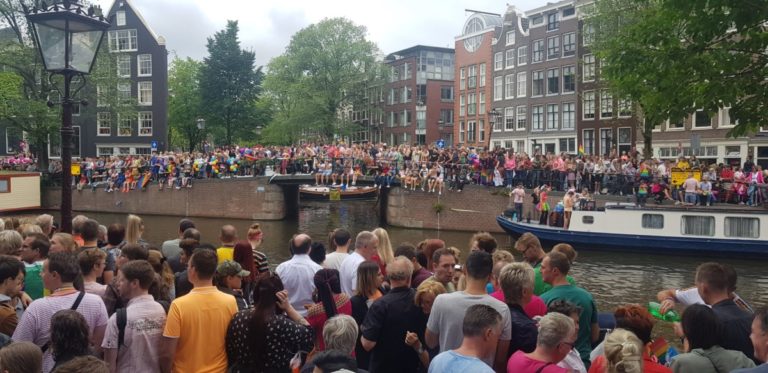
Amsterdam Pride was on the weekend, and while the event preached inclusivity, acceptance, and self-identity, it wasn’t all rainbows and sunshine. Multiple people have come out since the weekend event detailing attacks and verbal abuse.
For many, Pride weekend was all confetti, glitter, and stacks of colour. But for 29-year-old Katya Sazanova and Ana Camboim the day is associated with fear. The lesbian expat couple were holding hands at 5:00am while walking down Zandstraat, a narrow alley near Zuiderkerk, Het Parool reports.
“Can we join you?”
“Oh, you are so hot, can we join you?” shouted one of two men on a black scooter. “Go on, just drive on,” Camboin replied. But the men attacked instead.
Camboin received a blow to her face, sending her to the ground, while Sazanova was also hit in the face. The women were traumatised by the assault, walking away with bruises, a broken lip and a swollen nose.
Dit is dieptriest ?‼️ Hopelijk heeft iemand iets gezien en worden de daders (meestal weet de politie waar zij moet zoeken) toch nog gepakt. Dit mag nooit weer gebeuren
“It was so frightening. At home we only cried. People sometimes look up when we hold hands, but people have never been physical”, Sazanova told Het Parool.
“My girlfriend is from Brazil and I from Kazakhstan. We might expect something like this in our own countries, but not in Amsterdam. And then it also happened during Pride.”
The women reported the crime to Pink in Blue, the anti-gay violence police department. However, it is unlikely their perpetrators will be caught.
Spat on by an Uber driver
For Luke and his boyfriend, taking an Uber after Pride led to their own trauma. The couple entered the Uber around 8:30pm on the Saturday night, held each others hands in the backseat, and gave each other a kiss, writes NH Nieuws.
“Like any normal couple would do. This is Amsterdam, that’s no problem, we thought,” said Luke. But the driver lashed out, calling them “kankerhomos” (cancer-homo’s) and told them to opkankeren (piss-off).
Uber said in a statement that they regret the incident. “We … take this complaint extremely seriously and are investigating this incident so that we can take appropriate action. “
However, Luke says Uber still hasn’t been in direct contact. “They say they take the matter extremely seriously, but they never called back. I can’t believe they take this seriously as long as this driver drives around before them.”
NS will trial selling advertising space on the notification screens in each train. Now, instead of knowing which stop is next, you may be tempted to purchase chewing gum instead.
The advertising will be shown on the information screens in each train carriage. According to NOS, the screens have proven highly desirable for advertisers.
“The screens in the train are a sought-after place, but the advertising must fit in with our policy and with the travel experience,” said an NS spokesperson.
NS has cautioned that only advertising that fits their “brand” will be shown. “No ads about explicit things, but ads that appeal to a large group of people,” continued the spokesperson.
Gotta be frank, ads that appear on trains that appeal to us are, well, no ads at all.
However, NS assures that travel information will always be the priority for their passengers.
What can we expect?
The trial will begin next month in 137 of more than 400 intercity trains. At the end of the year, Dutch Railways will investigate how travellers have been affected by the new advertising.
It’s the latest in an increasing encroachment of advertising into the public space. Given the price of train tickets, we were hoping this area could remain advertising free. Let’s hope a Ryan Airways approach isn’t next.
Could this be the future of NS? Image: Ruthann from Western Ireland on Wikimedia. CC 2.0.
NS has remained quiet so far on what the extra money will go towards. Here at DutchReview we have our fingers crossed for some more timely trains, better air-conditioning, or, god bless, cheaper tickets! Ah, a website can dream, right?
What do you think about the new advertising on trains? Should NS pocket the money, or pass on the cash? Let us know in the comments below!