

So you’ve just arrived on Dutch soil, suitcase in hand, ready to study in the Netherlands. You may have some questions about what to do first — but fear not! Here are seven main things you need to set up once you arrive.
“Should I buy a Dutch SIM card? How do I get health insurance? How do I even go about paying rent, for that matter?” — I’ve been through it all; let’s walk through it.
This post might have affiliate links that help us write the articles you love, at no extra cost to you. Read our statement.
1. Utilities for your apartment
One thing we know for certain is that at some point, you’ll come home after a long day of lectures and want a relaxing, steaming hot shower.
You’re also probably going to crave a warm mug full of something or other. ☕️

But imagine if the shower head’s water was freezing cold and the kettle refused to switch on because you forgot to arrange heating and electricity? 😱
READ MORE | Utilities in the Netherlands: the ultimate guide to gas, electricity, and water
This can be an issue that you’ll face if you have an exclusive rental contract (utilities not included in your rent) or have bought your own home.
If so, you’d better sort out those utilities the second you arrive in your new home!
2. A Dutch bank account
Once in the Netherlands, you’re going to want some basic amenities. You know, food? A roof over your head? Clothes and IKEA furniture? You might even want to get a job upon your arrival.
However, you may quickly realise that your foreign card doesn’t work for many transactions. That’s why opening a Dutch bank account pronto makes your life and daily interactions much smoother.
To set up a Dutch bank account, you can either make an appointment online or simply rock up to a bank with the following items in your possession:
- A BSN
- Proof of address (such as a signed tenancy contract)
- A residence permit if you’re not from the EU
- A valid ID
The Netherlands has many international-friendly banks and financial platforms like Trade Republic. We find the latter especially handy if you want a Dutch IBAN, but would like access to high interest rates and stress-free savings options.
Once that is done, the bank will send you a shiny new pinpas (bank card) that’s ready for you to start swiping. 💳✨
3. Internet and television
There will be times when, after a long day of classes, studying, and socialising, all you want to do is kick back your feet, turn on the telly (or Netflix), and chill.
READ MORE | Video streaming services in the Netherlands: the complete guide
What do you need to do so? You guessed it, a good internet and television connection! Just like with your utilities, you will usually have to find providers of your own accord.

The good news is that these two services are often offered as part of a package deal, meaning you pay a flat monthly fee, and in return, you get both working WiFi and television.
Don’t need a TV connection? Geen probleem, you can also opt for an internet-only subscription.
READ MORE | Fibre optics in the Netherlands: Getting the fastest internet in Amsterdam and beyond
From Ziggo to Odido to KPN, there are countless great providers out there, as well as various tools that let you compare prices, internet speed, and available television channels. Happy deal-hunting!
4. All the important insurances
Sh*t happens, even in the magical country of windmills, canals, and stroopwafels.
The best way to be prepared for bad scenarios is by setting up essential insurances as soon as you arrive in the Netherlands.
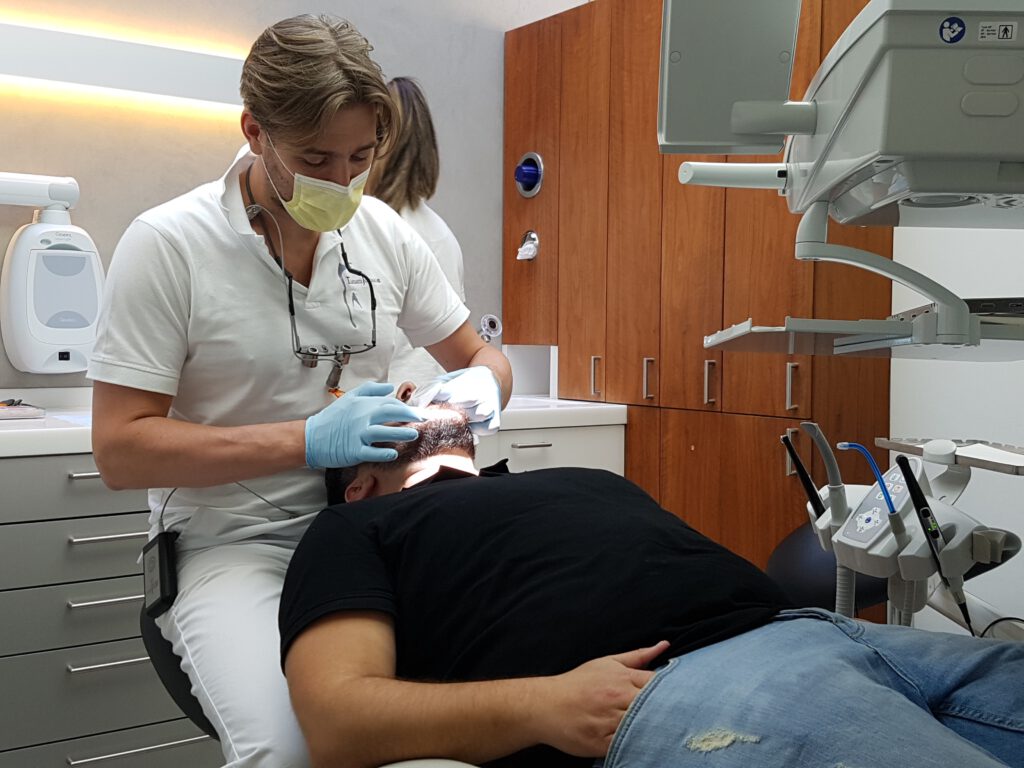
Most importantly, you should consider getting health insurance, liability insurance, and home contents insurance.
- Health insurance ensures that you have access to necessary healthcare services and provides financial coverage for your medical expenses in the Netherlands.
- Liability insurance protects you in situations where you could be held responsible for injury or property damage.
- Home contents insurance is vital for your personal belongings and valuables. It provides coverage against theft, fire, or other unexpected events.
Good to know: While health insurance is mandatory in the Netherlands, only some international students will be required to take out Dutch health insurance. EU students, for example, will usually be fine with their European health insurance cards.
READ MORE | 9 things you need to know about Dutch health insurance as an international
According to Dutch law, you must take out Dutch health insurance if:
- You are a permanent resident of the Netherlands (students are generally considered “temporary residents”)
- You are working alongside your studies (this includes paid internships and volunteer work!)
5. A Dutch phone plan
First things first, we would recommend getting your hands on a local phone number by purchasing a SIM card at one of the many Dutch stores available — Albert Heijn is one of them!
READ MORE | Mobile phones and SIM cards in the Netherlands: the ultimate guide
Depending on how often you call and use mobile data, you can pick and choose which Dutch phone subscription best suits you.

The options are endless, but here are some of the more popular providers in the Netherlands:
- Simyo for sheer affordability and great customer service
- KPN for an expansive, reliable network and unlimited data
- Odido for some of the fastest mobile internet speeds in the Netherlands
- Vodafone for excellent coverage, even in rural areas
6. A social life
Take it from me: moving to a new country as an international student can be tough. You have no family around you, no friends, and often you don’t even speak the local language.
That’s why one of the most important things to set up as an international student in the Netherlands is a supportive social circle.

Making friends isn’t always easy, but these are some of my top tips for making friends as an international student:
- Sign up for your university’s orientation week (I met some of my best friends there!)
- Take a class — be it in a sport, pottery, painting, or cooking
- Join Facebook groups for international students
- Attend events planned by your university or student associations, such as ESN
- Interact with your neighbours and the people in your course
7. Your Burgerservicenummer (BSN)
To set up all of the most important services and utilities listed above, you’ll usually be asked to provide your Burgerservicenummer (BSN).
A BSN, which translates to “citizen service number” in English, is a number that helps the government process your personal data.

Without this unique, personal sequence of numbers, identifying yourself for your healthcare provider, educational institution, bank, and employer is damn near impossible.
To get yours, you must book an in-person appointment to register at the municipality where you will be living for the next four or more months.
8. Your DigiD
Next up, to log in and out of all the various bureaucratic databases, you’ll need to set up your own DigiD.
In short, DigiD helps you verify your identity when you log in to online portals. Think of it as the ID card that you virtually flash at a virtual bouncer — you’ll be needing it a lot.
READ MORE | The ultimate guide to setting up your DigiD in the Netherlands 2026
Want to log in to your healthcare website? DigiD required. Got to pay your taxes? DigiD alert. Need to access literally anything government-related? Bam! DigiD.
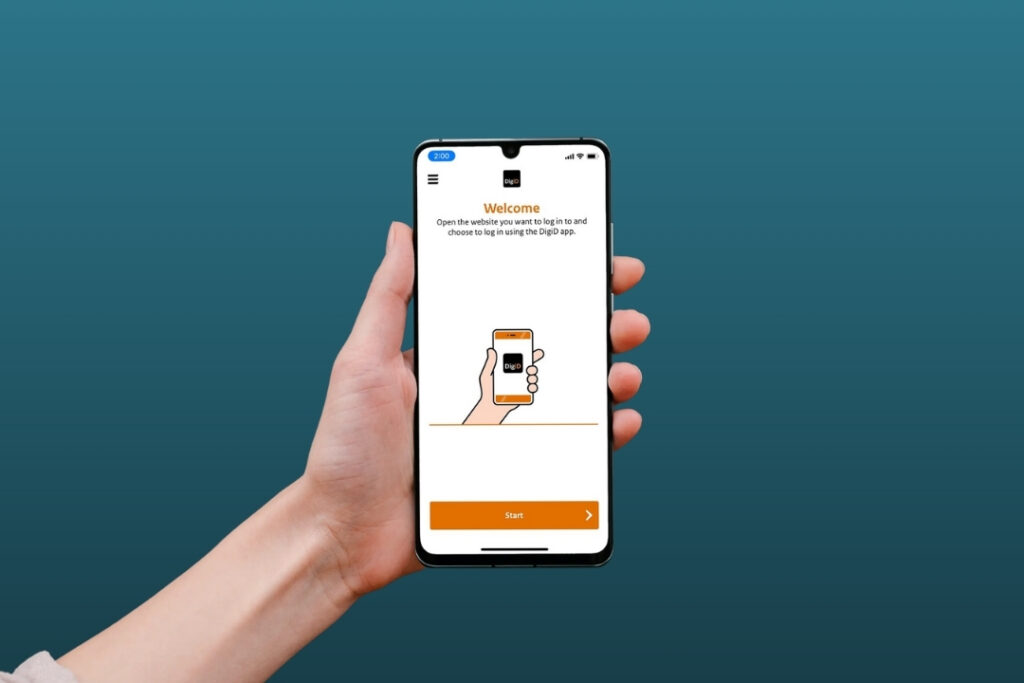
You can register for a DigiD using the online DigiD application form. You must provide your BSN, the address you’re formally registered at, as well as your phone number.
Once you’ve submitted the form, you should receive a letter at your address containing an activation code within three business days. Once you have input this code, your DigiD should be up and running!
9. Any government allowances you’re eligible for
In the Netherlands, international students are actually eligible for several different Dutch allowances (called toeslagen).
If you’re eligible, the government will help you pay for some of your most vital monthly expenses, such as healthcare, rent, and child-related expenses.
Benefits you can claim from the Dutch government as an international student include:
- Huurtoeslag (rental allowance)
- Zorgtoeslag (healthcare allowance)
- Kinderopvangtoeslag (childcare allowance)
- Kindgebonden budget (child-related budget)
Depending on your situation, you may also be able to claim Dutch student finance, which gets you free public transport and makes you eligible to borrow money from the government.
To access these benefits, be sure to log on to the Mijntoeslagen portal using — you guessed it — that DigiD of yours!
While moving to the Netherlands to study can be both exciting and nerve-wracking, there are plenty of people and services ready to help out as you traverse these cheese-filled lands. Go forth and conquer!
Do you have any other advice for students who have just arrived in the Netherlands? Share your tips in the comments below!