
If you own a car in the Netherlands, the APK is one Dutch acronym you absolutely cannot afford to ignore (and not just because forgetting it could cost you hundreds of euros).
The APK, short for Algemene Periodieke Keuring (Periodic Motor Vehicle Test), is the Netherlands’ mandatory vehicle roadworthiness inspection.
You can think of it as the Dutch equivalent of the UK’s MOT or Germany’s TÜV, a regular check to make sure your car is safe to be on the road.
If you’ve just bought a car here or you’re new to driving in the Netherlands, here’s everything you need to know.
Note: The APK is also sometimes referred to as the PTI (Periodic Technical Inspection), these are the same test.
1. It’s compulsory
Every car on Dutch roads must have a current APK. A trained inspector checks that your motor is safe to drive, environmentally compliant, and correctly registered.


No certificate? No driving. It’s as simple as that. There are no exceptions and no extensions. If your APK has lapsed, your car should not be moving.
2. When you need to do it depends on your car
When exactly you should bring your car for the APK depends on your vehicle’s fuel type and age. According to the RDW (the Netherlands Vehicle Authority):
- Petrol, electric, or alcohol-fuelled cars (registered from 1995) should have their first inspection four years after registration, then every two years, then annually.
- Diesel or LPG cars should have their first inspection three years after registration, then every year.
- Vehicles aged 30 to 49 years should undergo an inspection every two years.
- Vehicles over 50 years old are exempt, unless they’re used for public transport or transporting dangerous goods.
The schedule is based on the vehicle’s first registration date, not when you bought it. Always check this before purchasing a second-hand car.
Still not sure when exactly you need to bring your car in for a test? Geen probleem, the RDW will send you a reminder six weeks before your APK expires.
3. The inspection covers more than you might think
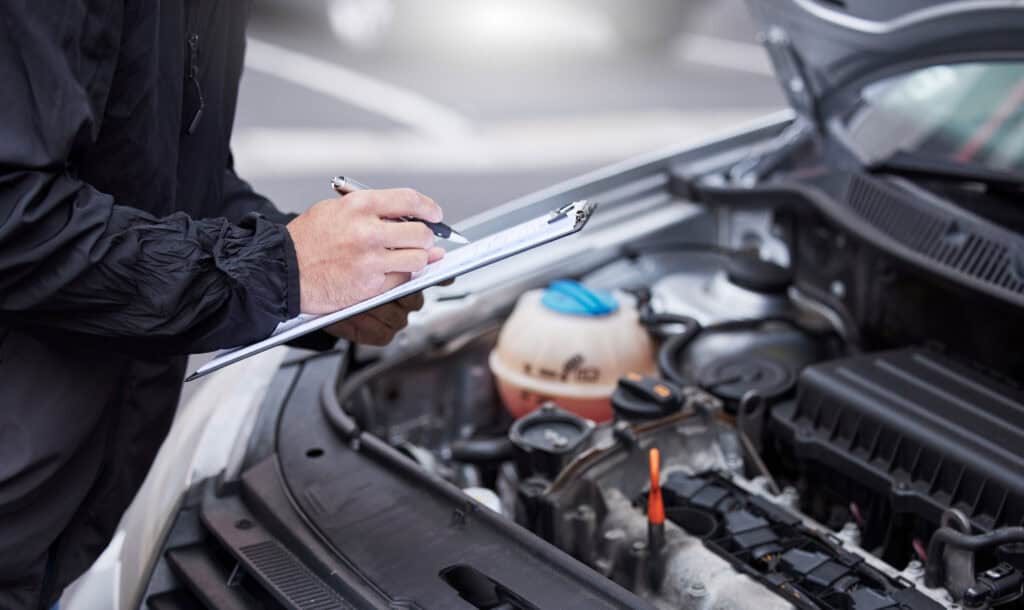
It’s not a quick once-over. An APK inspector works through a detailed checklist covering brakes, tyres, steering, suspension, shock absorbers, lights, and bodywork.

In other words, they look at all the things that could get someone hurt if they fail on the road.
Your exhaust emissions are tested too, to make sure the car meets environmental standards. From January 2023, all diesel cars fitted with a particulate filter also have to pass a dedicated particulate filter test.
4. Only RDW-approved garages can do it
You can’t just rock up to any mechanic and tick a box.
The inspection has to be carried out at a garage or testing station that holds official RDW approval. Look for the RDW erkend sign and an APK sticker on the premises.
You can find your nearest approved station via the RDW website. Most offer online booking, and availability is generally good.
5. You can book it early without losing time
Here’s an insider’s tip. If you bring your car in up to two months before the expiry date, your new expiry date is calculated from the original deadline, not from the date you walked into the garage.
For example, if your APK expires on October 1, and you get it done early on August 1, your new expiry date will still be set from October 1 — not from August 1.

In other words, you won’t lose any time on your certificate by being organised. Booking ahead is especially smart if your car is older and might need repairs before it passes.
6. Failing isn’t the end of the world (but act fast)
If your car doesn’t pass, you’ll receive a rejection report listing every failure. You then have four weeks to get the issues fixed and return to the same station for a free re-inspection.
Miss that window, and you’ll need to pay for an entirely new inspection.
A partial failure (kleine gebreken) means minor defects that must be fixed but don’t immediately prohibit driving.
A full failure (afkeuring) flags serious safety issues, meaning the car cannot go on public roads.
If you think the inspector got it wrong, you can challenge the result. The inspector contacts the RDW, who sends someone for a second opinion, but you cannot move or repair the car in the meantime.
Curious to know what the main problem areas are for brands? Here are some examples.
| Brand | Performs well on | Scores less well on |
|---|---|---|
| Lexus | Steering | Bodywork |
| Porsche | Rust, cracks, damage to frame | Battery/wiring |
| Skoda | Battery/wiring | Shock absorbers |
| Land Rover | Suspension | Rust, cracks, damage to frame |
| Kia | Steering | Tyres |
| Toyota | Gearbox/drivetrain | Suspension |
| Dacia | Battery and wiring | Bodywork |
| Mazda | Suspension | Rust, cracks, damage to frame |
| Audi | Suspension | Gearbox/drivetrain |
| Subaru | Tyres | Rust, cracks, damage to frame |
7. Driving without a valid APK is a serious and expensive mistake
This is where things get very real, very quickly. Fines for an expired APK can land anywhere between €180 and €500, and that’s before any additional police fines if you’re pulled over.

Even worse: if you’re involved in an accident in a car that’s failed or lapsed its APK, your insurer can legally refuse to pay out. So it’s not just a bureaucratic headache, but also a huge financial risk.
The only time you’re permitted to drive without a current certificate is on your way directly to your inspection appointment, with proof of booking on you.
8. You don’t need to carry the report while driving (except abroad)
You don’t need to bring any paperwork to the inspection itself, and once your car passes, you don’t need to keep the report in the car for day-to-day driving in the Netherlands.
That changes the moment you cross the border. If you’re taking your car abroad, make sure it has a valid APK for the duration of the trip and carry the inspection report with you in case you’re stopped by the police.
You can also have a Dutch-registered car tested at approved centres in Belgium and Spain if you’re already abroad when it comes due.
Have you had a nightmare APK experience, or breezed through without a hitch? Let us know in the comments below!