

Love shopping at Shein, Temu, or AliExpress? Starting in January, these packages from China will cost you an average of €6 more, thanks to a new “handling fee” the Dutch government is slapping on every parcel from outside the EU.
About one million packages arrive from outside the EU every day, with an overwhelming majority coming from the not-so-holy trinity of Chinese webshops: AliExpress, Temu, and Shein.
The result? The Dutch customs office is drowning in so many parcels that they can’t properly do job anymore — a.k.a. checking for safety issues and collecting import duties.
Now, the Netherlands is introducing what it’s officially calling a “handling fee” (though let’s be honest, it’s a tax) on packages from outside the EU, hoping that people will think twice before ordering that €2 hair clip.
How the new fee works
This new Dutch tax will slap an extra €2 fee per product on every order you place from outside the EU. Since the average package contains three different items, NOS reports that most orders will cost an extra €6.
The fee applies to packages worth up to €150, which are currently exempt from customs charges. At the current volume of deliveries, this could generate a whopping €2 billion per year.

The real hope is that people will order less from Chinese shops, giving not only customs workers room to breathe, but also protecting Dutch retailers and online shops, who’ve been struggling to compete with ultra-cheap competitors.
Why the Netherlands can’t wait for Europe
The EU is working on a similar fee, but it won’t kick in until November 2026 at the earliest, possibly not until 2028. France, Belgium, and Luxembourg also think that’s far too long to wait and plan to introduce their own €2-per-product charge as early as next month.
If the Netherlands does nothing, this could create an interesting problem, since the Netherlands is already Europe’s main gateway for packages from outside the EU.
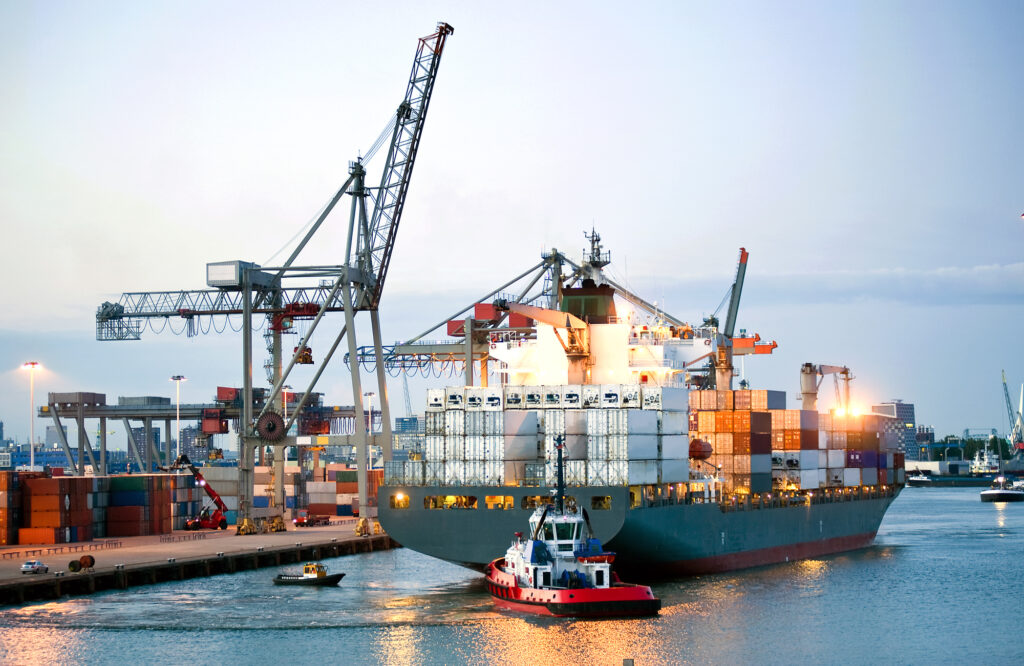
If neighbouring countries start charging fees whilst we don’t, logistics companies will simply reroute everything through Dutch entry points. The government estimates this could triple the current volume to over three million packages per day.
The draft legislation warns this would create “a tsunami of e-commerce shipments” that could paralyse Rotterdam’s port and bring Schiphol’s cargo operations to a standstill.
It’s the bureaucratic equivalent of “if you think it’s bad now, just wait” — and the reason why the Dutch government is coordinating with its neighbours to launch the fee simultaneously.

Who actually pays?
Officially, shipping companies like PostNL, DHL, and FedEx will pay the handling fee. But let’s not kid ourselves: they’ll pass those costs straight to consumers. The courier companies have already complained about having too little time to prepare if the fee launches in January.
The draft law is currently with the Council of State for review. Once approved, it will go to the cabinet for final sign-off, where insiders expect little resistance.
The Tweede Kamer already passed a motion last week from the ChristenUnie calling for the fee to be introduced as quickly as possible.
Will this change your online shopping habits, or are you already bracing for higher costs? Let us know in the comments below.