

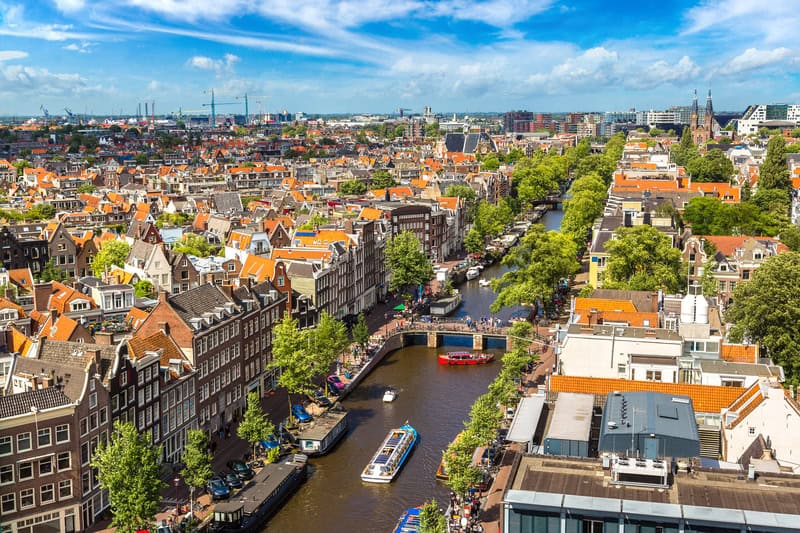
We’ve blown past a gusty Prinsjesdag (Budget day), which means it’s time to reveal the Dutch cabinet’s plans for you and your money.
In their summary, the Dutch government has highlighted a series of changes that will come into effect in 2026. Let’s dive in!
Rising purchasing power
With wages rising faster than inflation, the Dutch government has predicted that you’ll receive a slight increase in purchasing power: on average, around 1.3%.
While that may not sound particularly exciting, the silver lining will be lower taxes. If you’re in the first tax bracket, you’ll see both a lower tax rate and an increase in your earned tax credits (i.e. deductions from your calculated income tax).
More affordable housing and rental benefits
If you’re sick and tired of the Dutch housing shortage, there’s some good news coming your way!
Thanks to the government’s Realisation Incentive Scheme, a whopping €330 million has now been allocated for the construction of more affordable housing in 2026. This will include both owner-occupied and rental housing.

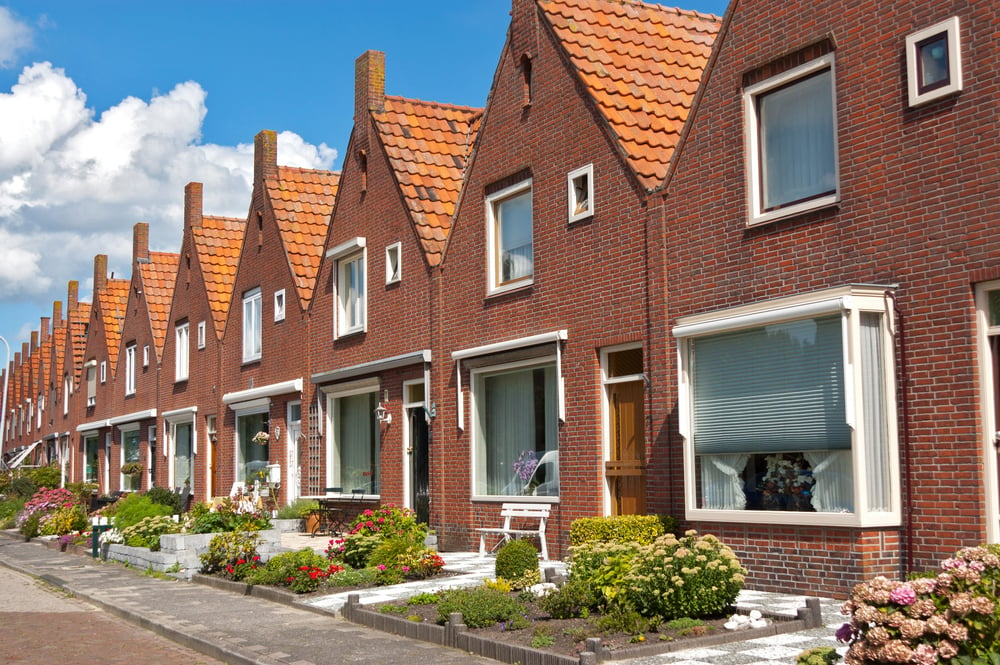
In addition to this, lower-income households with rent exceeding €900.07 per month will be eligible for housing benefits from 2026 onwards.
More expensive long-haul flights
Let op: your flight tickets could get even pricier, with the cabinet planning to adjust flight tax by January 1, 2027.
In particular, the government is planning to increase taxes for flights over longer distances.
At present, the current flight tax sits at €29.40 per passenger, irrespective of the flight’s distance. However, from 2027 onwards, the proposed rates may increase to:
- €29.40 for short flights
- €47.24 for medium-haul flights
- €70.86 for long-haul flights
What are short, medium-haul, and long-haul flights?
The government defines short flights as those within the EU and “up to approximately 2,000 kilometres from Amsterdam.”

A medium-haul flight, on the other hand, is approximately 2,000 to 5,500 kilometres. Meanwhile, a long-haul flight is any flight that exceeds 5,500 kilometres from Amsterdam.

However, this proposed tax hike won’t apply to the Caribbean Netherlands (Aruba, Curaçao, Sint Maarten, Bonaire, Saba, and Sint Eustatius) or countries to which the Netherlands has special ties. The full list is available in Dutch here.
Higher health insurance premiums
With total healthcare expenditure predicted to hit €114.1 billion in 2026, it looks like our healthcare isn’t going to get any cheaper.
Here’s a brief rundown of the cabinet’s plans:
- Health insurance premiums will rise by €3, to an average of €159 per month
- Healthcare allowance will be capped at €131 per month
- Meanwhile, your deductible or eigen risico will remain €385
Higher tax discount on your energy bill
In their Budget Memorandum, the government notes that they want to “ensure that the transition to sustainable energy remains affordable for households.”
As such, they plan to introduce a larger discount on your energy bill from 2026, to the tune of €529.10 (excluding VAT).
This amount will be automatically deducted from your energy bill, and isn’t dependent on the amount of gas or electricity you use.
More accessible childcare for working parents
The cabinet is taking several bold new steps towards “almost free childcare” for working parents.
If you’re a pair of working parents with a combined yearly income of up to approximately €55,000, you could be looking at a reimbursement rate of 96% on your childcare allowance.
Do you have a combined income higher than €55,000? You’ll likely receive an even higher reimbursement rate.

Further, come 2027, the government will look into increasing the childcare allowance even further, with the end goal of “making childcare almost free for middle-income earners with a combined income of almost twice the modal income.”
These changes will be implemented to offset the rise in childcare expenses, with increases in the maximum hourly rate for daycare, after-school care, and childcare costs:
| Type of care | 2025 rates | 2026 rates |
|---|---|---|
| Daycare | €10.71 | €11.23 |
| After-school care | €9.52 | €9.98 |
| Childcare | €8.10 | €8.49 |
More funding for women’s shelters
With increasing incidents of violence against women in the Netherlands, women’s shelters are a non-negotiable. At present, there are often insufficient places in these shelters — an issue the Dutch government plans to remedy.
Starting from 2026, €12 million will be allocated annually for the creation of additional women’s shelters.
Want the latest Dutch news to come zooming through the internet to your inbox? Dat kan! Subscribe to DutchReview’s weekly roundup 📮


Sounds like money well spent.. I am from the States, my health insurance is 1,500 per month..Childcare help..forget that! Trump killed helping people in need. Energy bills went up, and groceries are off the top!
Groceries aren’t off the top yet. Just wait.