
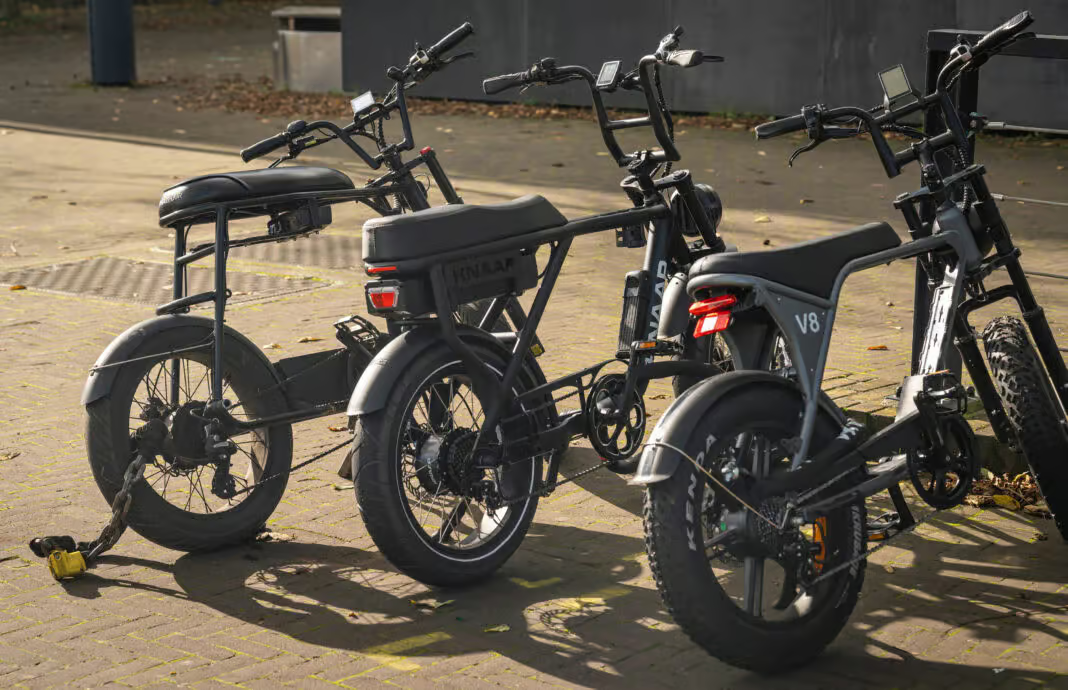
Great news, fatbike-haters! These bulky, turbo-charged e-bikes could soon be wheeled out of Enschede’s city centre for good. 🥳
Four political parties have joined forces to kick off a local ban, arguing these bikes are more of a menace than a mode of transport.
According to RTL Nieuws, VVD group leader Rachel Denneboom didn’t hold back, calling fatbikes “a kind of scooter” and even dubbing them “tanks on wheels.”
(If you’ve ever been nearly mowed down by one on your stroll to Albert Heijn, you probably agree. 👀)
Speed, size, and teenage chaos
The concerns? Think size, speed, and attitude. But it’s not just the bikes you have to worry about, as teen fatbike riders often treat pedestrian zones like Formula 1 circuits.
Now, Enschede locals have had enough, and the city council is officially pumping the brakes on these turbo-charged tread machines.

READ MORE | Cycling like a Dutchie? First, you have to pass their bike exam!
But here’s the speed bump: fatbikes are technically classified as electric bicycles under national law.
That means they’re legally indistinguishable from their slimmer, better-behaved cousins. So banning them isn’t as easy as slapping on a “No Chubbies Allowed” sign.
To get around this, Enschede is turning to the city’s rulebook, its APV (Algemene Plaatselijke Verordening, or local ordinance), to push through the ban.
But whether that will hold up in court is another question. 👇
Not all e-bikes are created equal
While fatbike-dodgers cheer, legal experts are less enthusiastic.

Professor of constitutional and administrative law at Leiden University, Geerten Boogaard, wonders if judges will buy the “fatbike vs. e-bike” distinction.
Meanwhile, Professor of administrative law Herman Bröring says the case doesn’t have enough weight (yes, pun intended) to prove these bikes are a genuine threat under national policy.
In his view, enforcing the existing rules might be a better route than reinventing the wheel.
@letsdoubledutch normal people 🚲 #dutchbike #bike #amsterdam #dutchies #expatlife #britsabroad #expatsinthenetherlands ♬ original sound – Double Dutch
Still, Denneboom is sticking to her gears. She says banning all e-bikes would be easier legally, but would unfairly hit vulnerable riders like the elderly or people with mobility issues, not exactly the target audience here.
With four parties backing the motion, it’s expected to roll through the council with ease. The final lap? That’s up to the city officials, who now have the tricky job of making this fatbike ban a legal reality.
So enjoy your last wheelies while you can, Enschede, because the fatbike free-for-all might soon be deflated. 🚲💨

What do you think: are fatbikes a menace or just misunderstood? Let us know in the comments!

outside of the popularity hype for(pre) teens their popularity is due to no regulation i.e. age/license/insurance . Just initiate the difference with ebike by WEIGHT. ( same as with transport vans requiring a C drivers license) …. should be doable IMHO
I love traditions and this idea to ban E bikes. Tradition is important to the Dutch. Some e bikes look more like bulky motor scooters. Keep traditional ways and stay healthier.
I visited Enschede last month and was sat in the open space area where the market is held whilst my wife and daughter bought shares in Primark. The amount of times people were nearly knocked over by these fat bikes was unreal. They seem a genuine danger and is certainly not going to encourage footfall to the area. I am glad that my favourite city of Enschede is taking a stand on this. Good luck and I hope it goes through
Fatbikes are legally classified as regular e-bikes under national law, making local bans constitutionally vulnerable.
Successful approaches avoid this issue by targeting technical violations rather than vehicle type. Singapore requires registration for all e-bikes. The Netherlands uses roadside testing to catch illegal modifications. California’s 2025 law prohibits modification capability entirely.
The real solution is to update national vehicle classification laws to create separate categories for different e-bike types (like the US Class 1-3 system). Until then, focus on supply chain control and technical standards rather than appearance-based bans that courts will likely overturn.
Municipal authorities can’t solve what Dutch national legislation hasn’t properly defined. Enschede is trying to do this, but we will see how it works out.