


Let’s be honest: every Dutch oma’s house is like a time capsule wrapped in lace doilies and the faint scent of jenever.
Yes, their homes are filled with nostalgia, but also some of the most quintessentially Dutch items you’ll find in this country.
Visiting a Dutchie’s oma? Here’s what you’ll find.
1. Indonesian puppets collecting dust on the mantelpiece
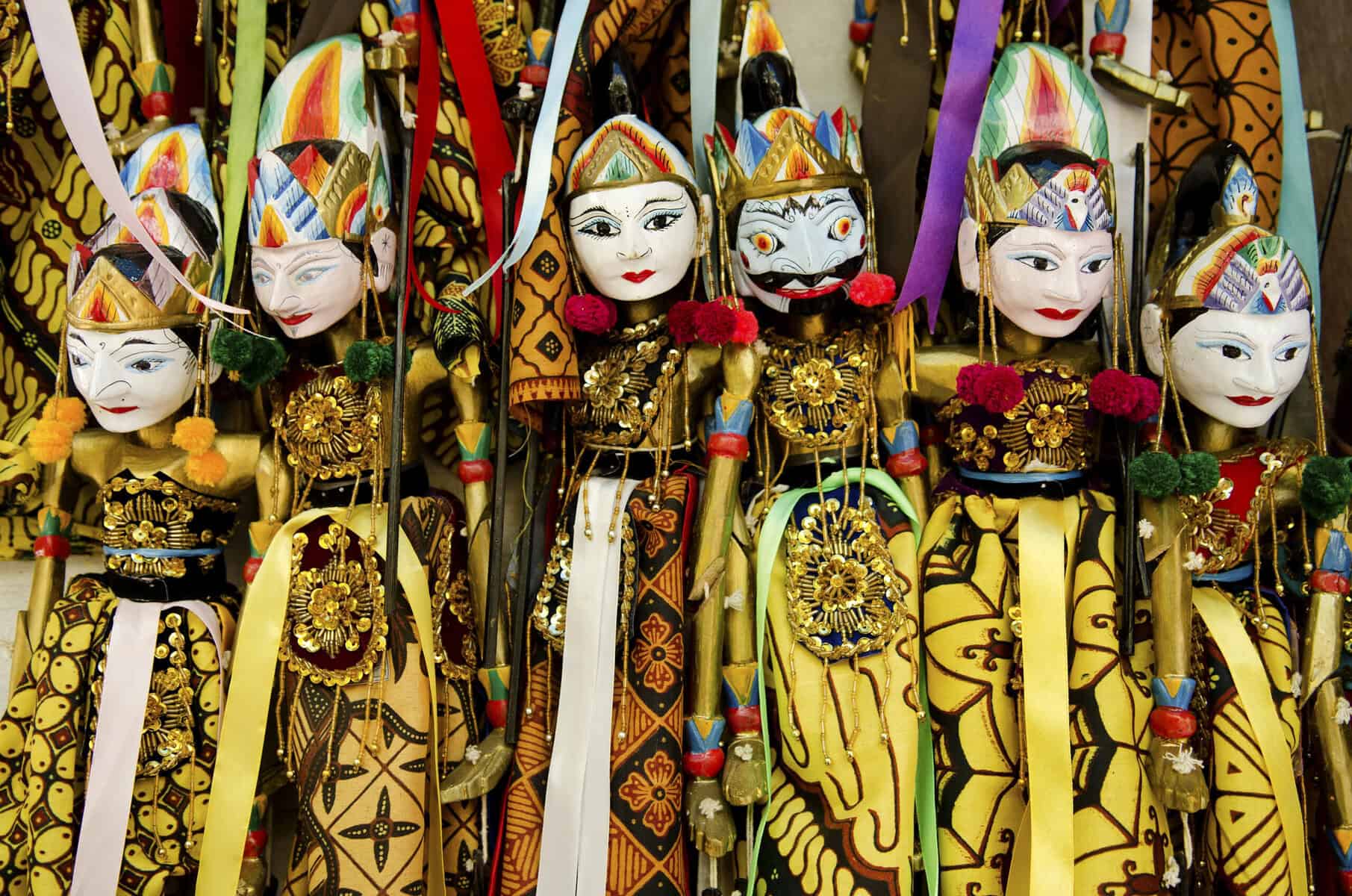
Ah yes, the Wayang-Golek puppets that have been staring at houseguests judgmentally since 1987.
These intricate figures are the crown jewels of every Dutch oma’s “exotic” collection, usually displayed with the pride of someone who definitely knows their cultural significance (spoiler: they don’t).
She probably picked these up during that one trip to Indonesia in the ’80s, or perhaps her husband brought them back after his ehm, service, out there.

They’re a reminder of the Netherlands’ complex colonial history that somehow ended up as living room décor. They’ve witnessed countless family gatherings and circle of death birthday parties.
2. A toilet calendar from the 1980s
Nothing says “Dutch practicality” quite like a toilet calendar from Reagan’s presidency that’s somehow still relevant.
It’s not just any calendar, but a carefully curated collection of every member of her family’s birthdays. From her son to her grandniece’s husband.
READ MORE | Dutch Quirk #43: Hang a birthday calendar in their bathrooms
The fact that it’s hanging in the toilet is actually quite efficient. Where else would you have uninterrupted time to memorise birthdays?
3. A pannenlikker that’s seen more action than a war hero
Every Dutch oma owns a pannenlikker (that flat, flexible spatula for scraping every last bit from the pan), and it’s probably older than you are.

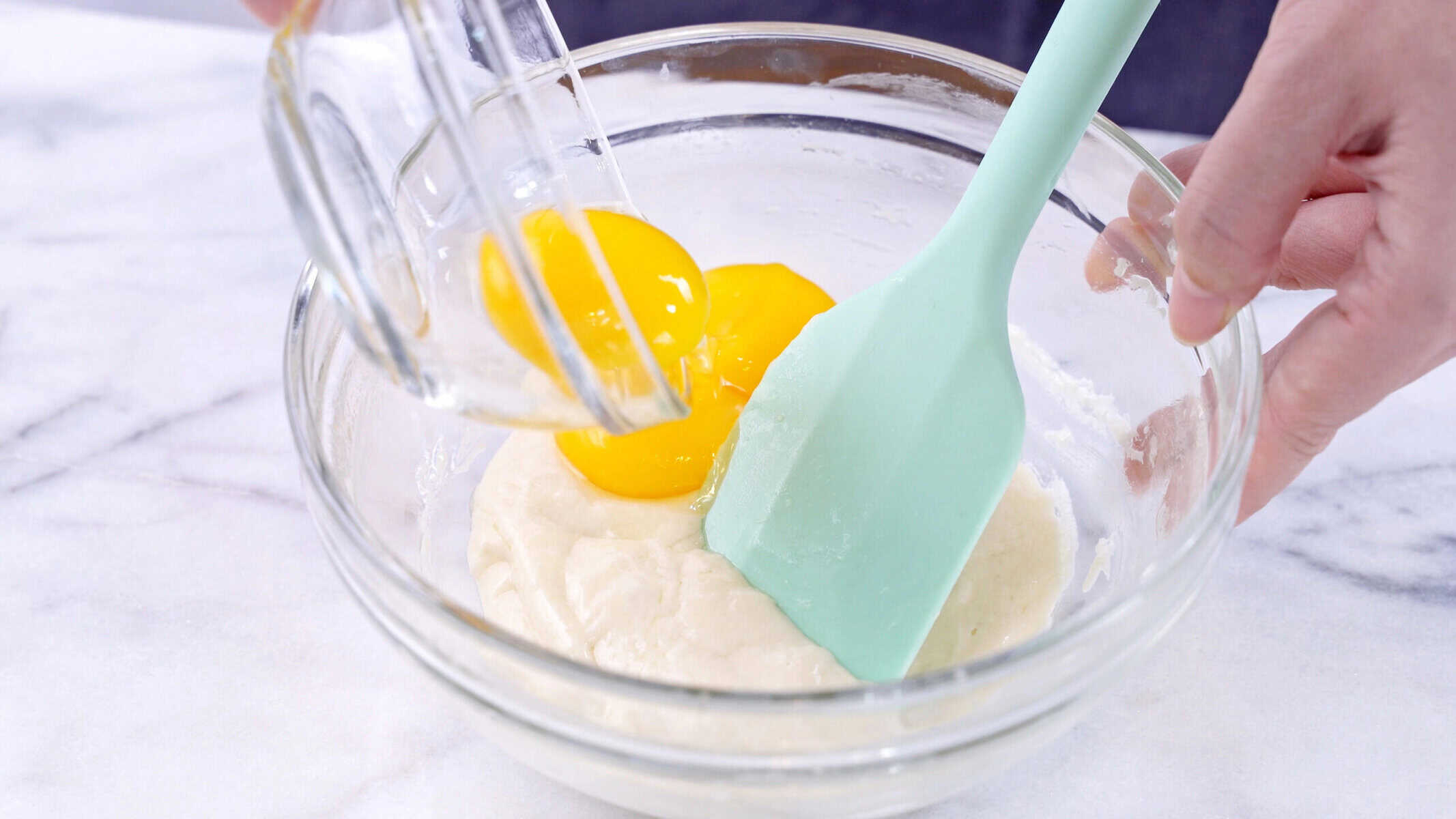
This kitchen tool is a symbol of the Dutch war against food waste and a testament to the fact that nothing, absolutely nothing, gets left behind in oma’s kitchen. It’s pure Dutch frugality in action.
The pannenlikker has scraped clean thousands of pans, witnessed countless family recipes, and probably has more stories than your average history textbook. It’s been flexed, bent, and somehow never broken, much like your oma’s spirit.
When she inevitably passes it down to you, you’ll understand that you’re not just inheriting a kitchen utensil, you’re becoming the keeper of the sacred Dutch tradition of “waste nothing, want nothing.”
4. A TV so small you wonder how she sees anything
While the rest of the world has moved on to 65-inch smart TVs, your oma is still faithfully watching the 8 PM news on a television that could fit in your handbag.
This ancient box has been broadcasting Dutch programming since the Clinton administration, and somehow, it still works perfectly.
The TV sits on a doily-covered side table, surrounded by TV guides dating back to 2003 and a remote control that’s been wrapped in plastic since purchase.

Your oma knows exactly which button to press to make it work, while you struggle for twenty minutes just to change the channel.
5. Windows without curtains because privacy is overrated
Dutch omas have a revolutionary approach to curtains: why bother?
Those massive windows that would make any interior designer weep with joy remain gloriously naked, offering the entire neighbourhood a full view of domestic life.
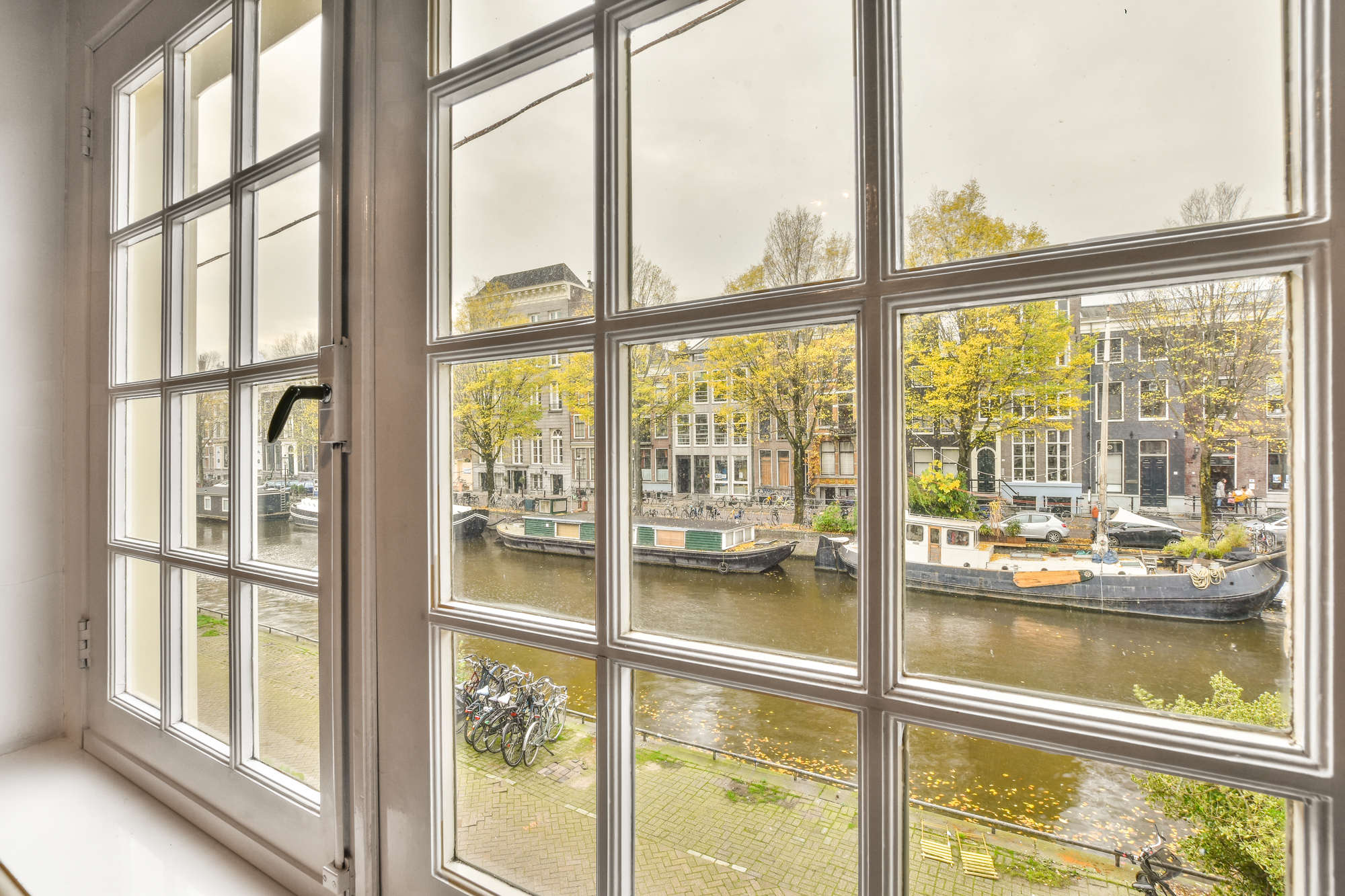
This isn’t an oversight, it’s actually a lifestyle choice rooted in Calvinism. Your oma wants everyone to see that she’s got nothing to hide, except maybe the fact that she’s been wearing the same housedress for three days straight.
READ MORE | Dutch Quirk #46: Never close their curtains
How else would she keep tabs on who’s coming and going? The bare windows are essentially a community surveillance system disguised as interior design.
6. Wooden clogs that haven’t touched grass since 1975
Every Dutch oma owns at least one pair of wooden clogs, and they haven’t been worn outside since her daughter was 15.
Nowadays, they serve as decorative artefacts that prove the family’s Dutch credentials. They sit by the door like faithful guards, polished and pristine, ready for a duty that will never come again.
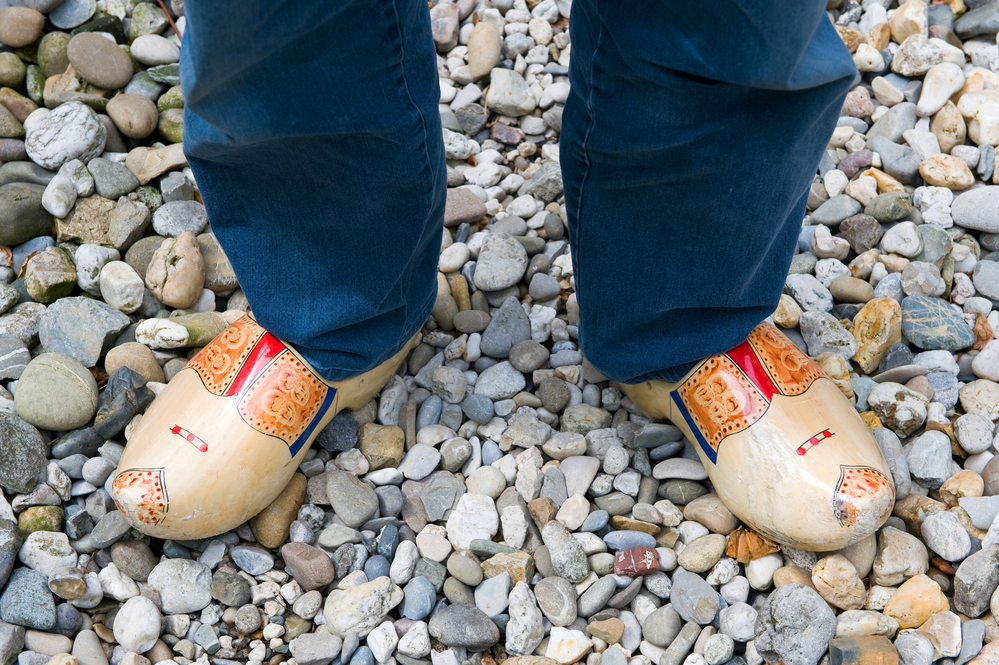
The clogs serve as conversation starters, tourist attractions, and proof that your oma is “authentically Dutch,” even though she’s been wearing sensible sneakers for the past thirty years.
7. A Senseo coffee maker from the 1990s
Long before hipsters discovered pour-over coffee and artisanal beans, your oma was brewing the perfect cup with her trusty Senseo machine.
This prehistoric coffee maker has been faithfully producing the same medium-strength coffee for decades, and it’s not about to stop now.
The Senseo represents everything beautiful about Dutch pragmatism: it’s simple, reliable, and makes coffee that tastes exactly the same every single time.
She has probably gone through seventeen different models of phones, but this coffee maker? It’s eternal. It perfectly embodies Dutch coffee culture in all its no-nonsense glory.
This machine has witnessed more family drama than a soap opera, powered through countless early mornings, and somehow still produces that perfect cup of joe that makes everything better.
8. Delft blue everything (and we mean everything)
If it exists, a Dutch oma probably owns a Delft blue version of it. Plates, vases, tiny shoes, decorative tiles, miniature houses — her collection reads like a catalogue of “Things You Didn’t Know Could Be Blue and White.”
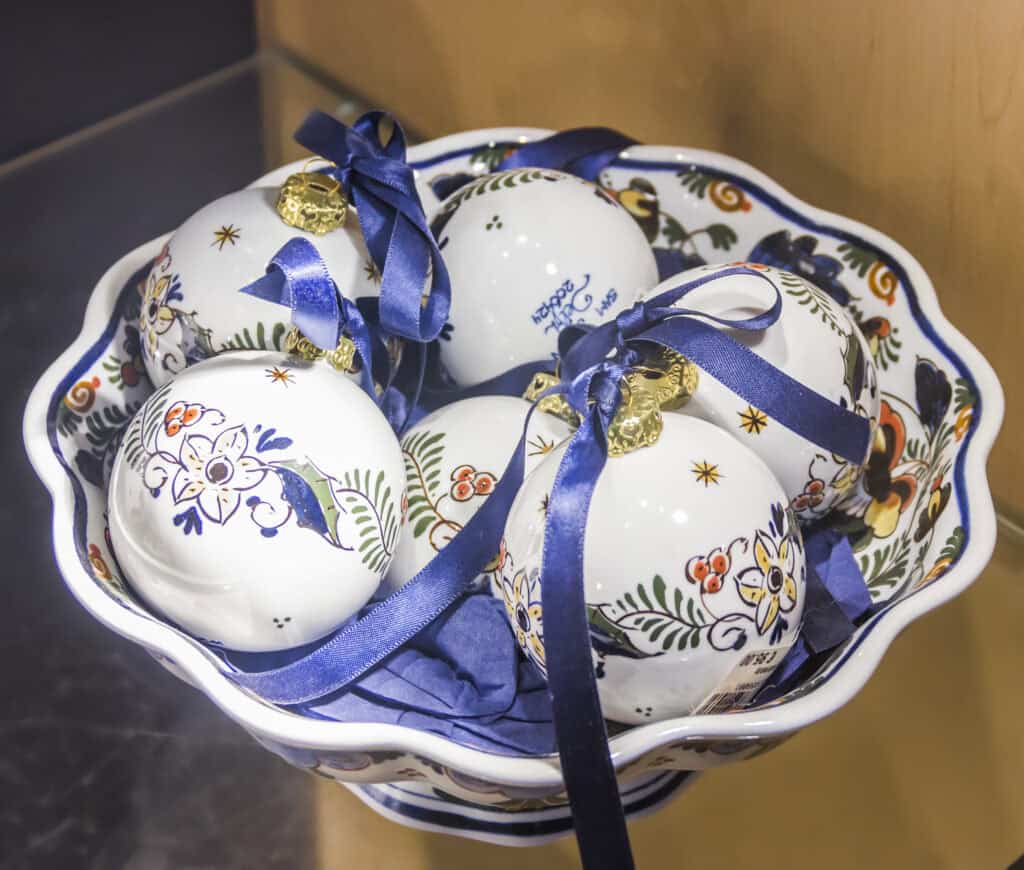
The Delft blue collection has been growing steadily for fifty years, with new additions from every birthday, holiday, and “I saw this and thought of you” moment.
READ MORE | 14 things you’ll find in Dutch houses that make internationals go: “Wait, what?”
Each piece has a story, a specific place in the display cabinet, and probably costs more than your monthly rent.
She can tell you exactly when and where she acquired each item, turning her living room into a museum of Dutch pottery with herself as the enthusiastic curator.
Every Dutch oma’s house is a carefully curated museum of practicality, nostalgia, and cultural pride. So explore it all, take it in, just make sure not to knock over any Delft blue.
What else have you found in a Dutch oma’s home? Tell us in the comments below!


No they don’t. The Indonesian/Chinese items in my grandmother’s home (including paintings, wooden busts, a ceramic Budai, a stuffed tortoise and several smaller items) were way older than 1970s, far less garish, and not on the mantle piece since she came from the pot-stove classes like most grandmothers in the Netherlands, not from fancy-merchant-house-with-oversized-fireplace dwellers.
The birthday calender isn’t necessarily in the smallest room. Mine is in the kitchen, my mother’s is next to the living-room door. I don’t remember my grandmother having any, but she kept meticulous record. They’re only on the toilet if you have a dedicated toilet that you actually use.
Getting on the calender is a badge of honour if the item is on display. It is constantly updated. Adding names is easy. When someone dies you add a cross behind the name. If someone falls from your good graces, you don’t cross out their names, unless you want to send a really peculiar message, you buy a new calender. If you move, you buy a new calender. If you redecorate the toilet, you buy a new one. If you get bored of the picture, you buy a new one. They’re not meant to last forever.
Names will be retained (the deceased only if they were close family members who are commemorated). You may find a decades old calender in your grandmother’s attic/storage in the people-that-I-used-to-know-box, but not on the wall. Memories are important for older people, to fight memory loss. Regularly getting a new calender and going through the list of names again is considered healthy exercise.
War heroes haven’t seen that much action. A ‘pannenlikker’ is still a common kitchen utensil all over the world, although they take different shapes, like wooden spatulas or even spoons with a rounded straight corner. I have a soup-ladle with a ‘tuit’ at 90°, allowing me to get every last string of vermicelli clinging to the bottom/side. A ‘pottenlikker’ and certainly a ‘flessenlikker’ is more of a heritage item because they don’t make them anymore, except for a small batch now and then as memorabilia.
Grandmothers usually have television sets that are more modern than those of their children and grandchildren. It’s what they spend their old age pension on, because they don’t go out as much anymore. For the same reason their living space is primarily set up for receiving guests, not for watching the news and as their accomodations shrink, so does their entertainment.
Your grandmother will have vitrages, she will have over-curtains, she will wash the vitrage regularly and if there are curtains missing, they’re off to the dry-cleaner’s. Grandmothers may have double or triple glazing, they still get cold when it get dark outside. They may also want to keep the sun out during heat waves.
The clogs will be at the back door and will be used everytime she gets into the garden. They will usually be modern, because traditional clogs are made from light wood (poplar) that wears down quickly. Painted clogs are souvenirs for tourist and if your grandmother has a pair of those at the door, she’s pulling your leg. (Old people often make jokes in their interior decoration. I keep the Big Book of Poisons (the flashy edition with gold print) between the cocktail guides in the bar.)
Who uses senseo? Big ugly sta-in-de-wegs taking up space in your pensioner’s kitchen. My mother has a neat little flat sided coffee maker that tugs in between de broodtrommel and the fruit basket. The kind that uses the smallest cups. If at any time in her life she had the money for it, she will have a silver koffiekan and theekan, or at least a matching fine porcelain koffie/thee servies. If she’s ‘hip’, she’ll have an enamel pour-on dripper set.
Grandmothers don’t have Delfts Blauw unless they’re either immigrants or collectors. In the latter case, their Delfts Blauw will be centuries old. My grandmother had authentic Chinese porcelain (including the Chinese Blue that Delfts Blauw was inspired on). My father’s family would have had colourful ceramics from Tichelaar.
What you will find in (almost) every grandmother’s kitchen is a Keulse pot -> grey earthenware lidded pot with blue adornments from Cologne, originally for storing lard or suet, but since most grandmothers today will have inhereted them, used for storing bulk goods like rice or macaroni.
ridiculous. I am a Dutch Oma.Have only a few Delft blue things because I live in Australia.