

Smaller, temporary housing may offer quick relief for the Netherlands’ crushing housing crisis, but experts worry about certain long-term implications of this solution. 🏘️
These so-called “flex homes” are small, 20-30 square metre housing units that are intended to accommodate one to two-person households — such as young workers or students.
As NU.nl reports, the Dutch Ministry of Housing sees these units as a vital stopgap in battling the current crisis, with 5,000 flex homes built last year and a further 8,000 to be added in 2024.
However, experts at the Dutch Environmental Assessment Agency (PBL) have noted several negative, long-term impacts of such housing. 👇
High turnover of cramped and inaccessible homes
According to PBL’s Jolien Groot, “Large-scale complexes with very small homes in less popular places can lead to a lot of traffic and dissatisfied residents.”
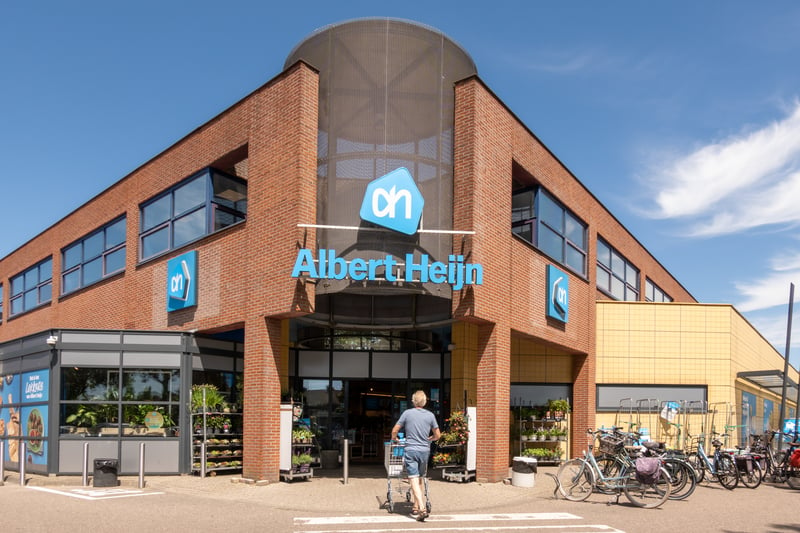
This is due to the fact that these housing units tend to be cramped, located further away from basic amenities (such as supermarkets), and not particularly accessible.

Further, PBL notes that the tiny size of most flex homes encourages its inhabitants to quickly find and move to more spacious accommodation — resulting in socially isolated neighbourhoods and housing complexes.
READ MORE | Why is there a housing shortage in the Netherlands? The Dutch housing crisis explained
This entails that the construction of flex homes is often “at the expense of other public interests, such as the quality of life, health and safety of the living environment”.
What solutions does PBL propose instead?
“Don’t build too small,” Groot stresses. “We see that at least 50 square meters is often preferred.”
In this way, “more permanent homes that meet long-term housing needs” can be created, fostering communities “where neighbours look out for each other”.
READ MORE | 11 creative solutions to the Dutch student housing crisis that makes us say “Why didn’t we think of that?”

Moreover, PBL states that policymakers ought to make strategic assessments as to when and where flex homes are the best solution, taking into account the needs of a city’s residents and its long-term development plans.
What do you think of flex homes as a solution to the housing crisis? Tell us your thoughts in the comments below!