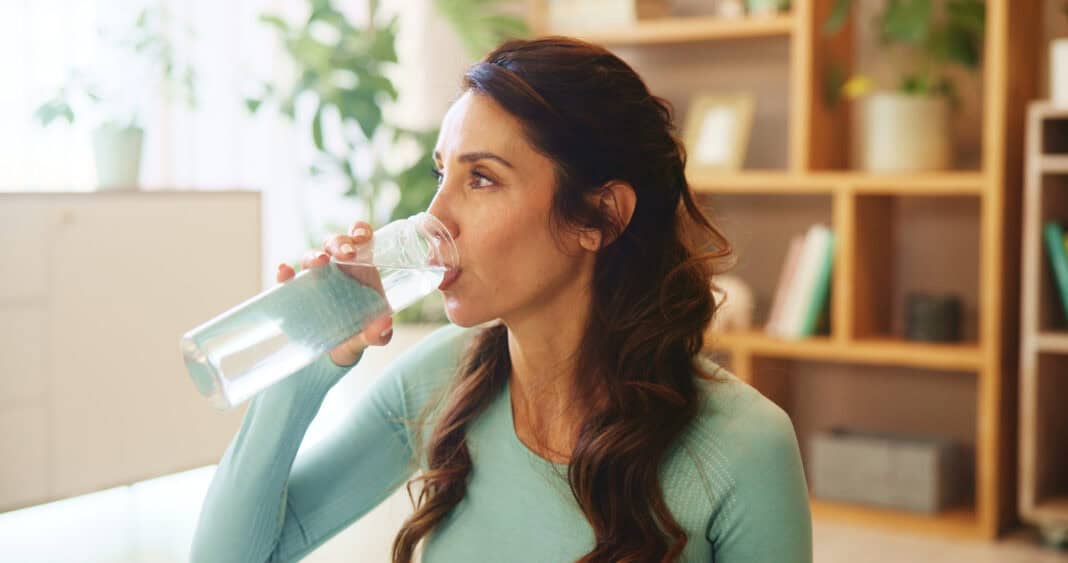

The Dutch may be famous for keeping water out, but Vitens — the country’s largest drinking water provider — is now warning that it’s struggling to keep enough water in.
While businesses and households across the Netherlands grow more water-conscious, Vitens warns that total demand is still climbing, driven by a growing population and growing economy.
The company sounded the alarm in a new report, in which they anticipate “shortages in the drinking water supply.”
What does this mean for you?
Helaas, this isn’t just an isolated issue, like Utrecht’s electricity freeze.
Vitens supplies drinking water to around six million people across Flevoland, Friesland, Gelderland, Utrecht, Overijssel, and parts of Drenthe and Noord-Holland. If you live in any of those provinces, you’ll be affected.
According to NOS, the company has already begun telling some businesses they can’t guarantee a new water connection or an expanded supply.

New build homes could also face supply issues and delayed connections, adding yet another hurdle in the Dutch housing market.
Climate change is just making things worse
If the core issue isn’t irresponsible water usage, then who’s to blame? Given that Vitens is owned entirely by Dutch municipalities and provinces, there’s no private operator to point the finger at here.
Instead, experts point to climate change, particularly long dry spells hitting the areas where groundwater is extracted. Water contamination is also adding pressure, making it harder and more expensive to process what’s available.
Vitens CEO Tjeerd Roozendaal didn’t mince words.
In the company’s annual report, he highlighted that a “water transition” is needed, and it requires governments, water managers, and the company to work together.
At present, Vitens is exploring a multi-source approach — purifying water from several different sources at a single location — to reduce dependence on any one supply.
This shortage warning comes as water bills across the Netherlands have already been rising in 2026. If you’re not already paying close attention to your water use, now is a good time to start.
Are you actively trying to cut down on your water use in the Netherlands? Let us know in the comments below.