

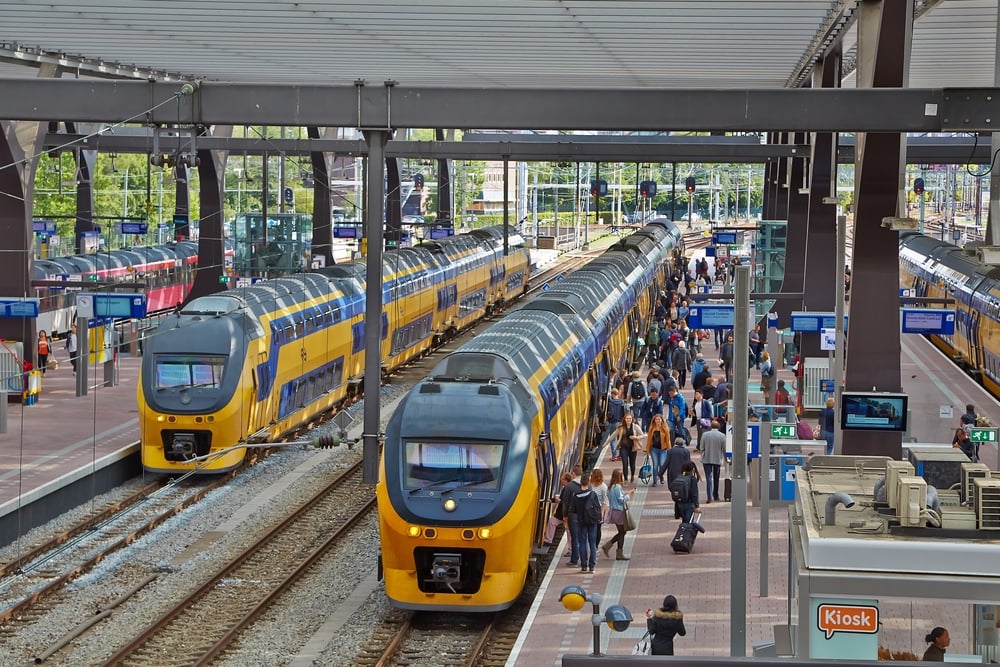

The NS is launching a pilot programme that will let low-income residents of Amersfoort ride the train for free, and if it works, the scheme could eventually roll out across the country.
Starting July 1, residents who qualify can apply to the municipality for the Vooruitpas Amersfoort. This special pass covers all NS train travel at no cost until December 31, 2026.
Who can get it, and how?
The municipality of Amersfoort will contact eligible families directly. In total, 1,000 passes are available. If demand is high, the gemeente will organise a lottery.
This is a pilot, not a permanent scheme. After six months, the NS plans to study how participants used the pass and what they needed from it.
Those findings will inform whether a lasting version can be developed, and whether other municipalities could eventually join.
Why is the NS doing this?
In a press release, NS board member Daan Schut put it plainly: “Travel is freedom. If you can’t afford a train ticket, you’re constantly having to weigh up whether it’s even worth going out and what you’d have to sacrifice to do it.”

It’s a timely move. Dutch train fares rose by 6.5% at the start of 2026, pushing the mode of transport increasingly out of reach for people on tight incomes.
It’s not the first initiative of this kind in the Netherlands. Amsterdam previously trialled free public transport tickets for low-income households, though that scheme covered buses, trams, and metros rather than NS trains.
Let’s hope this trial proves a success.
Do you think free train travel for low-income households should become a permanent, nationwide scheme? Let us know in the comments below.


A lottery? Is this country really trying to solve every problem with lotteries—rental lotteries and now NS train lotteries?
It doesn’t feel legitimate to use a lottery to decide who gets access when everyone involved already qualifies. Either the underlying problem needs to be fixed, or it isn’t actually being fixed at all.
This is very important for people seeking work across the Netherlands, as it would give many people the opportunity to find jobs in larger cities without having to change their address. It would also contribute to economic growth and increase employment opportunities.