

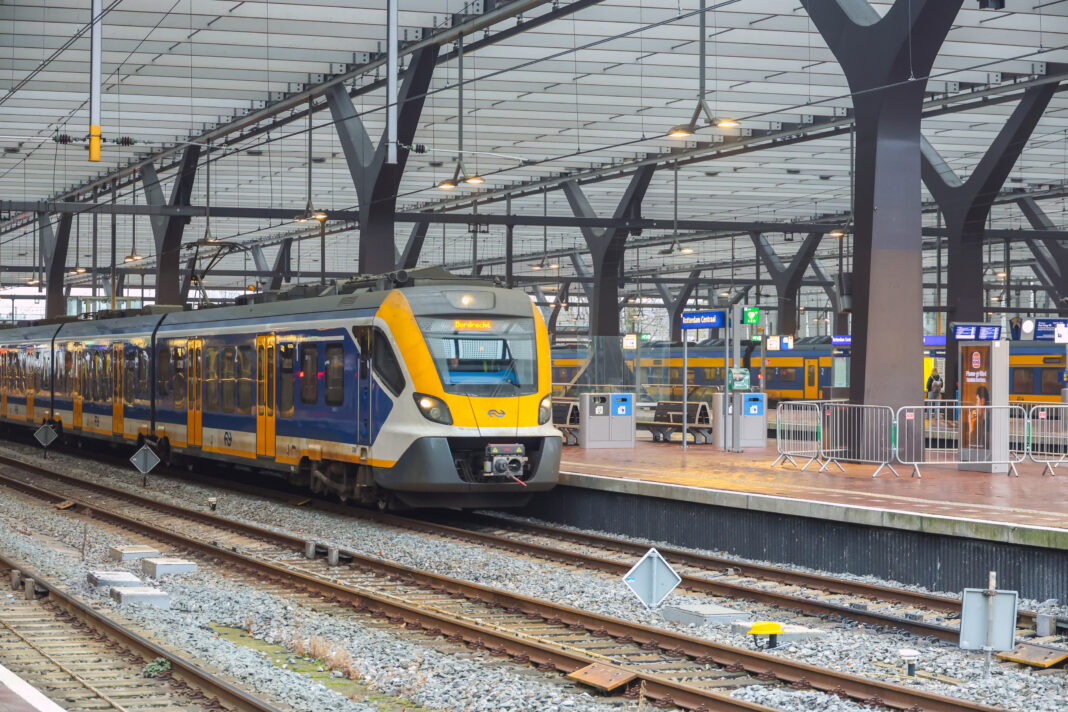

A cable fire near Rotterdam Stadion has kept all southbound trains out of action since June 29, and the reopening has now been pushed back to this Tuesday (July 7) at the earliest.
If you live near Rotterdam and you’ve been refreshing the NS app waiting for good news… helaas, you’re out of luck.
The repair deadline has slipped yet again, and the reason behind the latest delay is almost comically unlucky.
So what’s the new timeline?
No trains will run on the affected route until at least Tuesday, July 7, at 5 AM, according to rail manager ProRail. (Yep, that’s the third revision, after earlier forecasts pointed to Saturday, then Sunday.)
The fire started early on June 29 in a cable duct near the station, wiping out around 200 cables. Those cables control the signals and switches that trains need to run safely, which is why the whole line ground to a halt.
What does this mean for your journey?
If you’re travelling south of Rotterdam, you’ll definitely need a backup plan. Replacement buses are currently running for passengers between:

- Rotterdam Centraal,
- Rotterdam Blaak,
- Rotterdam Zuid,
- Rotterdam Lombardijen,
- Barendrecht,
- and Zwijndrecht.
They follow roughly the same stations the trains would normally stop at, so your regular routes shan’t be too badly affected.
READ MORE | Southbound trains from Rotterdam delayed: here’s how to still make your journey
Heading towards Dordrecht, Breda, or beyond? Factor in extra time and check your route before you leave. In most cases, you should be able to take the bus as far as Zwijndrecht, then pick up a regular train from there.
Since the forecast keeps moving, your safest bet is to check the NS journey planner right before you set off. This disruption is also part of a wider year of Dutch rail chaos that ProRail flagged back in December.
Why are repairs taking this long?
Most of the welding is now done, but the final stretch has hit a very specific snag. The fire scorched the labels off many of the cables, so workers can’t always tell which pieces are meant to connect to which.
That means a lot of slow, careful detective work to match everything up before the last welds can happen. There’s simply no way to rush it.

On top of that, every repaired cable now has to be measured and tested one by one. When a test flags a cable that still isn’t working, the crew has to head back into the duct and fix it all over again.
Want to make sure DutchReview pops up on your news feed more often? Just add us as a preferred news provider, and we’ll handle the rest.

Tuesday is not July 8th. It is July 7th. Check your calendar.