


If you’ve got a summer trip booked from the Netherlands, it’s worth checking the fine print, as rising fuel costs are starting to hit travellers in the pocket.
As many European airlines and travel services are locked into fuel contracts, it’s uncertain whether current high fuel prices will be passed on to consumers.
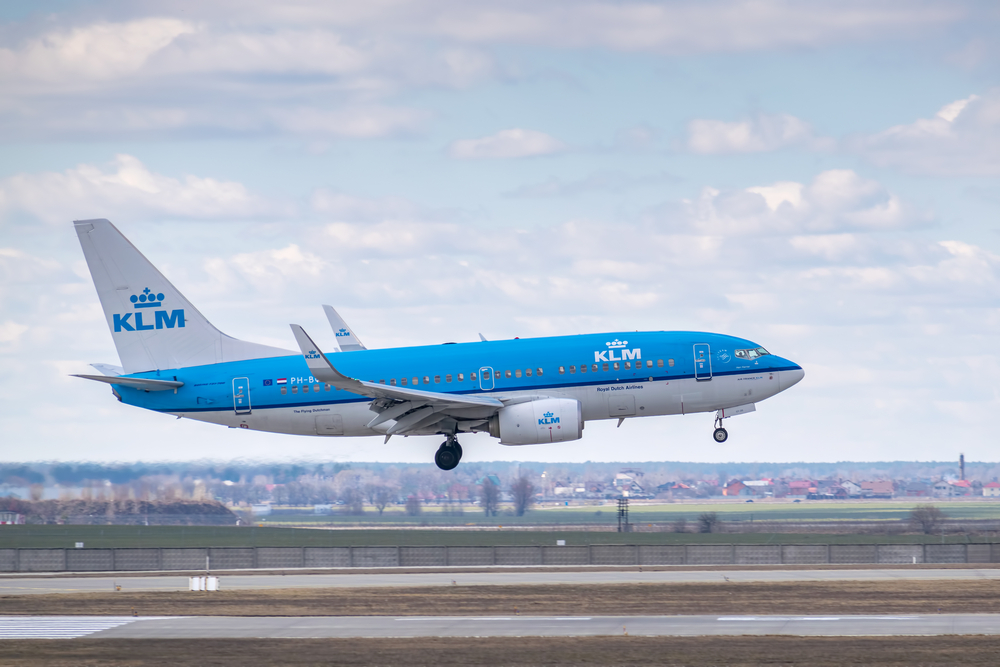
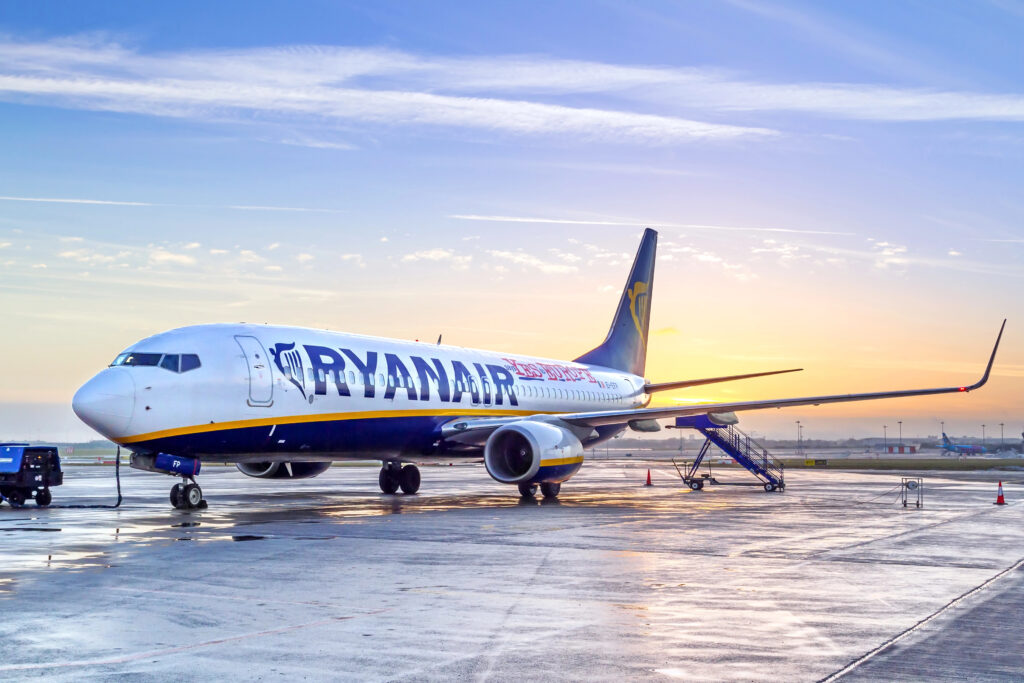
KLM has already raised ticket prices, P&O Ferries has added a fuel surcharge, and even Ryanair is eyeing summer cancellations.
With the holiday season approaching, RTL Nieuws looked at what travellers can realistically expect.
Did you book a package holiday? You’ve got more protection
If you’ve arranged your holidays through a tour operator, rather than booking flights and hotels separately, EU rules are on your side — to a point.
According to the Dutch travel industry association ANVR, tour operators are allowed to raise prices up to 20 days before departure. This, however, only applies if a possible price increase was explicitly stated in the terms and conditions at the time of booking.

Has your package price increased by more than 8%? You may be entitled to a cancellation, completely free of charge.
Meanwhile, if you’ve booked with one of the many operators affiliated with travel industry association ANVR, the protections are even stronger. No surcharges can be added once you’ve made your final payment, which is typically around six weeks before departure.
Did you buy your tickets separately? Things are more complicated
If you’ve bought individual flight, ferry, or bus tickets, these fall into much greyer territory.
There’s no standard rule on fuel surcharges, so the allocation of additional costs comes down to each carrier’s terms and conditions.
That said, airlines have the option to cancel flights outright. Depending on your situation, you may be entitled to more assistance.
In conversation with RTL Nieuws, EUclaim’s flight analyst Paul Vaneker said, “If you are flying with a European airline or with a non-European airline that departs from Europe, you are entitled to a replacement flight in the event of such a cancellation.”
But what if no replacement flight is available? Vaneker stresses that you’ll “get your money back.”
Meanwhile, if your flight cancellation comes within 14 days of departure, additional compensation may also apply.
Maar, let op: If you want to postpone your travel to the winter holidays (or even next year), you’ll need to book a new ticket yourself — at whatever the current price happens to be.
Not a great look, given the Netherlands is already the EU’s most expensive country to fly from, on top of record petrol prices hitting drivers at home.
Could things get even worse in the summer?
As yet, the situation is uncertain.
Interviewed by BNR, ANVR director Frank Radstake remains hopeful on ticket prices: “For individual flight tickets, airlines can pass on higher fuel costs. But that does not apply to all airlines. For instance, there are a number that work with forward contracts and are therefore still purchasing their kerosene at the agreed price for the coming months.”

If you’re eyeing a summer flight, these forward contracts could keep the cost of flight tickets from skyrocketing astronomically.
However, trade association BARIN has warned that if the Strait of Hormuz remains closed, carriers could face pressure to cancel flights within six weeks. This warning primarily applies to routes to and from Southeast Asia.
READ MORE | Dutch aid in the Strait of Hormuz? Only after a ceasefire, says PM Jetten
KLM CEO Ben Smith has also flagged the risk of disruption on return flights from that region.
Are rising travel costs changing your summer plans? Will you still fly, or are you rethinking the destination entirely? Let us know in the comments.


Better headline: “Here’s what skyrocketing KLM executive bonuses mean for your Dutch summer holidays”