Home Blog Page 569

Attacks on four Polish supermarkets in the Netherlands a coordinated effort, say police

0

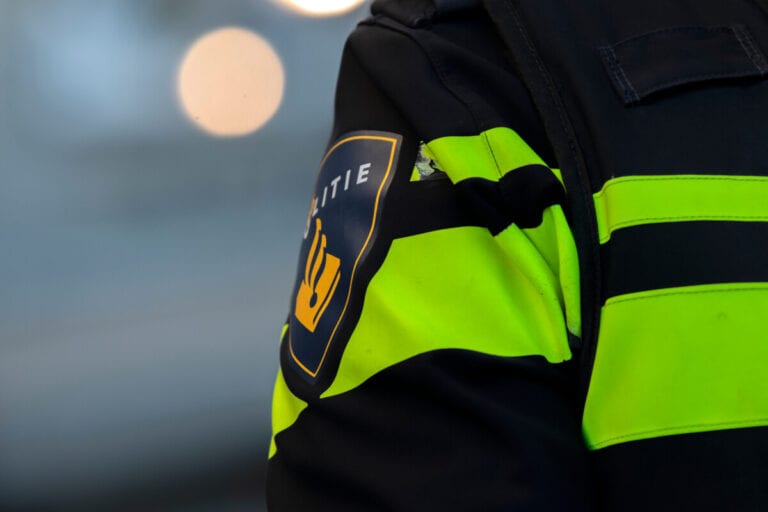
Last week, there were four attacks on Polish supermarkets belonging to the Biedronka name, with Iraqi-Kurdish owners. Police are now assuming a coordinated effort among the crimes, which all used improvised explosives.

The first attack took place on Monday night in Aalsmeer, the second on Tuesday in Heeswijk-Dither, followed by another on Wednesday in Beverwijk. The Beverwijk supermarket was again the target in the fourth attack on Friday night.

A large investigative team of police are looking for witness and photos of the attacks, and have set up surveillance cameras at the buildings, according to NOS.

Biedronka

Biedronka is a major supermarket chain in Poland. However, the Biedronkas located in the Netherlands are not officially tied to it, as “there is no patent on it,” according to one supermarket owner.

Store owners say there is fierce competition in the sector. New business owners will open large stores close to existing supermarkets to intentionally push them out.

The mainly Iraqi-Kurdish owners who spoke to the NOS did not want to share their names for fear of possible consequences.

For more of the latest news in the Netherlands, follow DutchReview on Facebook.

Feature Image: Dutchmen Photography/Shutterstock.com

“Anderhalvemetersamenleving”, meaning “1.5-meter society” wins Dutch word of the year

0

The jury is in — what jury exactly, we’re not sure, but we imagine it’s a group of people with a lot of time on their hands. The word “anderhalvemetersamenleving” meaning “1.5-meter society”, has been awarded Dutch word of the year. 

The winner and its runners up were all coronavirus related this year, unfortunately this makes complete sense given that 2020 seems to have borrowed its plotline from some extremely boring, apocalyptic plague-themed dystopian novel.

Runners up

Runners up for this prestigious award included the words Fabeltjesfuik and viruswappie, RTL Nieuws reports. These are very worthy nominations when you consider their meanings.

Fabeltjesfuik

A fabeltjesfuik is someone who can be described as easily believing conspiracy theories. While I’m sure many of wish that this was a word with little relevance to Dutch society, unfortunately, this year has taught us that it is very much relevant.

Viruswappie

This in another word that needed to exist, sadly. A viruswappie is a swear word that you would use to describe someone who denies how serious the coronavirus pandemic really is — *slap of palm hitting face.*

The Dutch love their distance

However, while the Dutch enjoy their words to be nicely squished together — as demonstrated by the above vocab — they do love their distance. This is especially obvious when you compare them to the Belgians.

While the Dutch word of the year means “1.5-meter society”, Belgium’s word of the year was the word knuffelcontact, meaning hug contact. Are we surprised? Not really.

What do you think of the Netherlands’ word of the year? Let us know your thoughts in the comments below! 

Feature Image: Gustavo Fring/Pexels

Coronavirus update: grave new numbers re-emphasise need for lockdown and quiet Christmas

0

The RIVM has released another round of concerning coronavirus figures for the past week. Today, as we settle into the first day of a five-week national lockdown, there’s no mistaking the necessity for stricter measures.

Over the past week, there have been 58,412 new cases of coronavirus in the Netherlands. The previous week, there were 43,103.

In nursing wards, this past week saw 1,480 new coronavirus patients, up from 1,229 the week before.

ICUs also saw an increase in patients over the last seven days, with 222 admissions in the last week, up from 179.

The number of COVID-19 related deaths has also risen. The RIVM confirmed 398 deaths over the past week, compared to 338 the week prior.

The recent surge in positive coronavirus tests has been alarming. So much so, that drastic measures have finally been put into place to combat the spread.

Monday night’s press conference

In case you’ve managed to completely tune out the news for the past 24 hours, the Dutch government has released a series of new emergency measures to grapple with the unrelenting coronavirus. These were announced in a Monday night press conference by Prime Minister Mark Rutte.

The press conference held a sombre tone, as Rutte delivered the message that “the Netherlands will be closed.”

A record-breaking 34 million viewers tuned in to watch the prime minister’s speech, as he urged the public to consider the losses that businesses, individuals, and families have suffered during the pandemic. “Many people have lost their loved ones, businesses are in peril, people need contact around Christmas. But that’s why we need to make sure to follow the rules and take care of each other.”

Lockdown protestors

Throughout the prime minister’s speech, loud whistles and jeering could be heard from a small but raucous group of protestors outside.

Rutte diverted from his script momentarily to address the noise that could be clearly overheard. “It’s not the flu, or something like that like the people outside are perhaps thinking,” the prime minister said as he pointed out the window.

Eventually, police broke up the demonstration and arrested two of the unruly protestors.

The five-week lockdown

Rutte listed seven new measures to be in effect until January 19:

  1. Education
    • Primary and secondary schools will close and switch back to online learning (from December 16).
    • Daycare is also closed.
  2. Business
    • All non-essential stores are closed. These include clothing shops, craft stores, and garden centres, for example. (You can still buy a Christmas tree from a street vendor.)
    • Essential stores that may remain open include grocery stores, banks, petrol stations, etc.
    • Contact professionals like hairdressers and sex workers must take a hiatus.
    • Medical professions such as therapists and dentists may continue to work.
  3. Public locations
    • Public spaces such as theatres, museums, and zoos are closed.
    • Hotels remain open but can no longer serve food and drinks to guests.
    • Libraries remain open only for borrowing and returning books.
    • Community centres stay open to provide services to vulnerable people.
  4. Groups of people
    • The maximum number of guests in the home is now two. An exception is made for Christmas, when up to three people may visit the home on December 24, 25, and 26.
    • Outside, no more than two people may be together.
  5. Sports and outdoor activities
    • Gyms, saunas, and swimming pools will close.
    • You may still go outside for fresh air and exercise. Outdoor exercise must be performed alone or in pairs.
    • Children up to and including the age of 17 are allowed to play outside in larger teams or play outside matches with teams from their own club.
    • Top athletes may continue to train and perform. No audience is allowed to come and watch.
  6. Travel
    • Only travel by public transport if absolutely necessary.
    • Do not travel abroad. Do not book international travel until at least March 15.
    • Domestic travel is still possible for those who wish to go to a cabin or bungalow.
    • Travellers to the Netherlands from outside the EU are required to show a negative test result and signed statement. (This takes effect from 6 PM on Tuesday, December 15.)
  7. Work
    • The government has issued very firm advice to “work from home at all times.”

Schools and daycares close so parents will work from home

According to Minister of Health Hugo de Jonge, one of the intentions behind closing schools and daycares is to nudge parents into working more from home.

This controversial plan has been met with some questioning. “Young children contribute little to the spread of the virus, so the direct effect of those measures will be small,” says Marc Bonten, a member of the Outbreak Management Team (OMT).

“You do this mainly so that parents have to stay at home and therefore travel less,” Bonten explains.

Vaccines in the Netherlands

Fortunately, there is a light at the end of the tunnel. The Dutch cabinet expects nearly 22 million vaccines to be available in the first half of 2021.

The vaccines are coming from a variety of drug companies, provided they receive the green light from the European Medicines Authority (EMA).

To stay up-to-date with coronavirus in the Netherlands, follow DutchReview on Facebook.

Feature Image: ©Gpoint Studio/Canva.com

All is not lost for Dutchies: HEMA remains open for sausage and cake

0

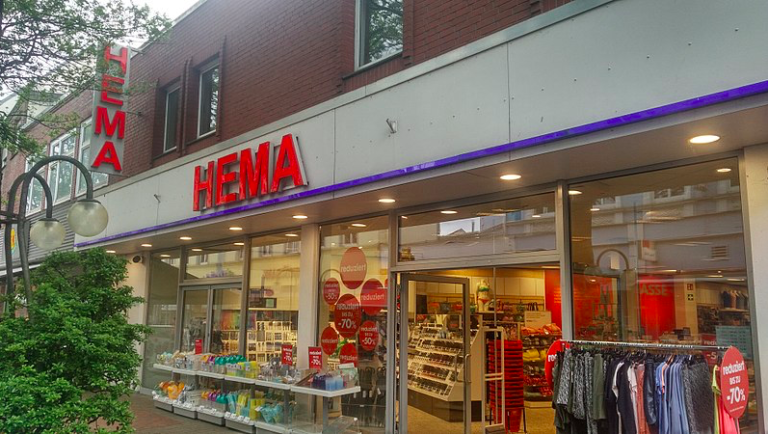
Even though department stores have been classified as non-essential businesses, HEMA is staying open, much to the joy of Dutchies.

The chain sells everything under the sun, from clothing to Christmas ornaments, cake to sausage — and it’s in the cake and sausage that they have found their precious loophole. “We are the largest pastry shop in the Netherlands,” says a spokesperson for the company.

The popular chain store usually buys wholesale cakes and sells them on. With this popular service, the shop would normally be delivering over 1,500 cakes across the Netherlands today, the NOS reports.

Bakery items and other products

HEMA will continue to sell personal care products, food, coffee, and wine, along with their bakery items. The department store is still in consultation with the government to determine exactly which products can and can’t be sold.

“We think in this way we can relieve supermarkets and spread the crowds more,” the spokesperson said. “We don’t want queues or crowds in the shops. In multi-storey stores, only the ground floor remains open.” He explains that some shelves have been cordoned off with ribbons.

Will you be paying a visit to HEMA during the lockdown? Tell us in the comments below!

Feature Image: Donald Trung/Wikimedia Commons/CC4.0

De Jonge: schools and daycare closed to make parents stay and work from home

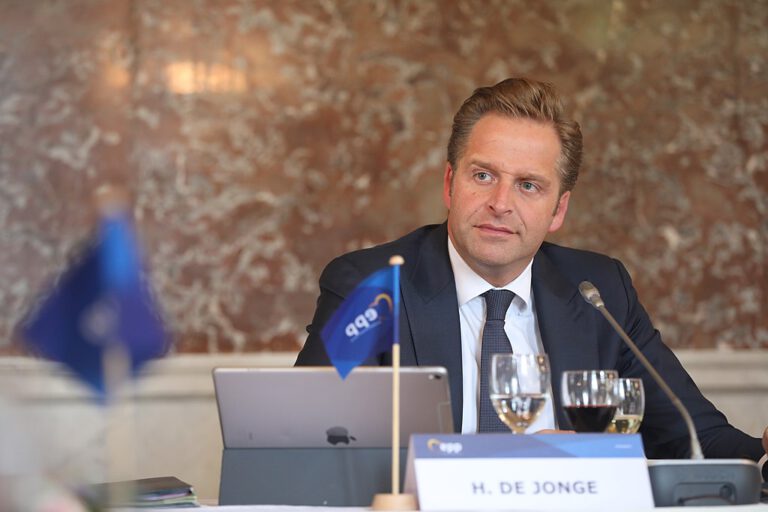
Minister for Health and security, Hugo De Jonge, made an appearance on the TV show “The coronavirus, facts and fables”, last night. He explained to the presenter that the cabinet hopes that by closing schools, parents will be more likely to work from home. 

He explained that the risk of infection was also becoming too great in schools. By closing both primary and secondary schools under the new strict measures, the cabinet hopes to bring down the rate of infection and encourage more parents to work from home.

OMT surprised by closure of primary schools and daycare

A member of the Outbreak Management Team (OMT), Marc Bonten, has told the NOS that he is surprised by the government’s decision to close primary education and daycare.

“Young children contribute little to the spread of the virus, so the direct effect of those measures will be small.”

He believes that the government’s motivation behind this was to make parents more likely to stay at home, a suspicion that was confirmed by De Jonge last night. “You do this mainly so that parents have to stay at home and therefore travel less”, Bonten says.

Spread of virus within secondary schools

While younger children play a very small role in the spread of coronavirus, the spread of the virus amongst adolescents and teenagers has become worrying in recent weeks.

Last month, experts warned that stricter measures were needed in secondary school education in order to prevent the continued spread of coronavirus throughout secondary schools.

Children and teenagers played a larger role in the spread of the virus during the second wave of coronavirus, figures from the RIVM show. RTL Nieuws reports that since August, 8.2% of coronavirus infections were found in people between the ages of 13 and 17.

Schools are expected to stay closed for most students until at least the 19th of January.

Exceptions

There are exceptions to these closures, however. Vulnerable children or children with parents in essential professions that require them to continue to work out of the home, may still attend day care or school.

The government has provided an extensive list of contact professions that may continue to work. Amongst the list of crucial staff who may continue to work in contact environments are teachers and daycare workers.

What do you think of the government’s decision to close schools? Tell us your thoughts in the comments below!

Feature Image: European People’s Party/Wikimedia Commons/CC2.0

Protesters arrested following disruption of Rutte’s speech

1

Last night, Prime Minister Rutte gave a sobering announcement about the new coronavirus measures in the Netherlands over Christmas. Noises could be heard during the speech, and this was the protest going on outside the Torentje, during which arrests were made.

Demonstrators banged pots, blew on whistles and yelled, expressing their disapproval for the hard lockdown that the Netherlands went into today, reports NOS.

The speech was watched on TV by almost 8.4 million people. This is the highest rating ever for a non-sports programme in the Netherlands. Viewers found the noises distracting, and commented about the protest on Twitter.

During his speech, Rutte addressed the protestors outside, saying, “It is not a harmless flu, as some people outside here think.”

Illegal demonstration

The protest had not been announced to the municipality of the Hague and was therefore illegal. Shortly after the speech, around 7 PM, police broke up the demonstration. Around 7:45 PM, all of the protesters had returned home.

Demonstrators arrested

One protester, guilty of insulting police, was arrested near the Korte Vijverberg. A second person was later arrested after refusing to leave the demonstration.

What do you make of the protestor’s disrupting Rutte’s speech? Tell us your thoughts in the comments below.

Feature Image: AVC Photo Studio/Pexels

Dutch Lockdown: these are the measures now in effect

0

The Dutch cabinet has issued a new set of emergency coronavirus guidelines to go into effect on December 15. The restrictions will last for five weeks, expiring Tuesday, January 19. This has been announced by Prime Minister Mark Rutte in a December 14 press conference.

Here’s everything you need to know about the seven new measures:

New measures

Education

  • Primary and secondary schools will close. They must revert back to online education as much as possible. A few exceptions will apply, such as for vulnerable students, students undergoing exams, or practical training. (These measures apply from Wednesday, December 16.)
  • Daycare must also close. Child care options will remain only for parents with essential professions.

Business

  • All non-essential stores will close. This means all clothing shops, craft stores, and garden centres, for example.
  • Essential stores that may remain open include supermarkets and other food shops, banks, and pharmacies. The full list also includes pet shops, petrol stations, parcel service points, government locations, mortgage lenders, and DIY shops (such as hardware stores) for pickup.
  • Contact professions must also take a hiatus. This includes sex workers, hairdressers, tattoo artists, etc.
  • Medical professionals such as dentists, dermatologists, and therapists may continue to work.

Public locations

  • So-called “transfer locations,” must close, these include public spaces such as theatres, museums, zoos, and amusement parks.
  • Hotels remain open, although they may no longer serve food and drinks to their guests.
  • Libraries may also remain open but only for borrowing and returning books.
  • Community centres will stay open to provide services to vulnerable people.

Groups of people

  • The maximum number of visitors in the home is two per day. This applies to people over the age of 12.
  • A small exception will be made for Christmas, allowing three guests in total on December 24, 25, and 26.
  • Outside, the maximum group size has been reduced from four to two people.

Sports and outdoor activities

  • Gyms, saunas, and swimming pools will close.
  • You may still go outside for fresh air and exercise. Outdoor exercise must be performed alone or in pairs.
  • Children up to and including the age of 17 are allowed to play outside in larger teams or play outside matches with teams from their own club.
  • Top athletes may continue to train and perform. No audience is allowed to come and watch.

Travel

  • Only travel by public transport if absolutely necessary.
  • Do not travel abroad. Do not book international travel until at least March 15.
  • Domestic travel is still possible for those who wish to go to a cabin or bungalow, provided the same measures apply as in the home.
  • Travellers to the Netherlands from outside the EU are required to show a negative test result and signed statement. (This takes effect from 6 PM on Tuesday, December 15.)

Work from home

  • The cabinet has issued very firm advice to “work from home at all times.”

A week before the measures are set to expire, the cabinet will determine the next course of action. Meanwhile, you can read up on coronavirus testing and vaccinations in the Netherlands, or travel restrictions to the country.

To stay up-to-date with coronavirus news in the Netherlands, follow DutchReview on Facebook.

Feature Image: DutchReview/Canva

Dutch Prime Minister Rutte addresses the nation: here’s what he had to say

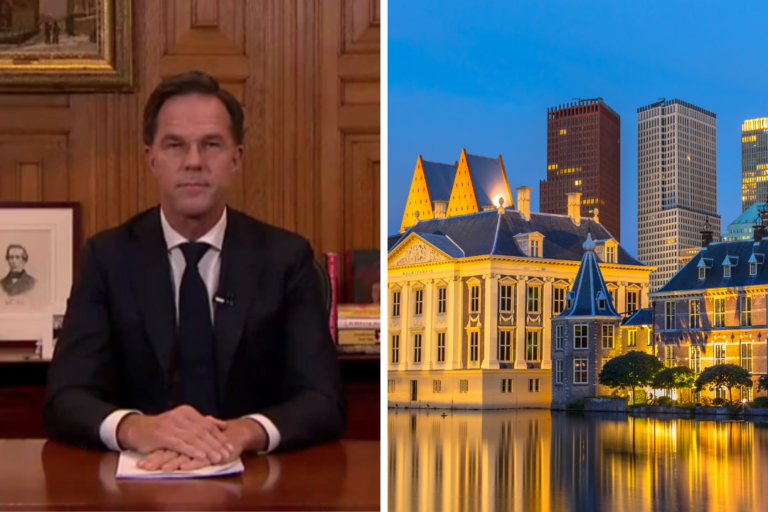
Today has been a whirlwind for the Netherlands. Following crisis talks on Sunday, further talks this morning and the unofficial announcement of some very strict new measures, the country was all ears as Prime Minister spoke to us from the Torentje. What did he have to say? 

The Prime Minister was looking solemn from behind his desk tonight, saying that his previous warnings have become a reality. While everything was looking prim and proper inside, whistling could be heard from the streets outside — these were the whistles of protestors.

“Good evening, sadly I have to address you again,” he began. “More than a week ago I told you that new measures were not unthinkable if numbers would rise. Numbers are rising, we’re going in lockdown for at least five weeks. The Netherlands will be closed.”

“The Netherlands will be closed”

Following reports from The Hague this morning, Rutte has confirmed the latest measures that will take effect. These will include the closing of schools from today on as well as the closing of all non-essential shops and many public buildings.

READ MORE | Dutch lockdown: these are the measures taking effect from December 15

“We must return to March”

Rutte pushed the seriousness with which these new measures have to be taken, urging listeners to throw their minds back to March and the scenes of empty streets. “This is where we have to go back to again,” he said.

He urged people to consider the hard losses that families and business owners alike have suffered, saying that in order for the Netherlands to reduce this harm these latest measures must be followed.

“Many people have lost their loved ones, businesses are in peril, people need contact around Christmas. But that’s why we need to make sure to follow the rules and take care of each other.”

Together against coronavirus

The Prime Minister appealed to what remains of Christmas spirit in the Netherlands by asking that the country unifies as one against the coronavirus.

This needs to happen

He urged that the Netherlands now needs to help its healthcare system, which is suffering under the latest numbers. He stressed that the coronavirus is not to be taken lightly and addressed the noise coming from outside his window.

Protestors

Whilst the speech was read from the teleprompter the Prime Minister’s speech did not run smoothly due to the loud whistling and jeering coming from outside. According to reports on social media, this noise came from a small but loud group standing outside the building.

He took a moment to go off script and address the noise that could be clearly overheard. “It’s not the flu, or something like that like the people outside are thinking perhaps,” Rutte said as he pointed out the window — clarifying our suspicion that those are not the whistles and jeers of avid fans.

Returning to the facts

The Prime Minister then turned to the facts. “Every day there are more than 60 deaths from coronavirus, 9,000 cases and many more bad figures.” He uses these numbers to stress how important healthcare is at this moment, saying that roughly 6,000 more people would have died in the Netherlands if it were not for the health support they received.

For healthcare

He stresses that the latest restrictions have to happen for the sake of healthcare and thanks its workers for their service during the pandemic.

“Many thanks and admiration again for those on the frontline of the health service. This is why we got to have this lockdown, which will come down to this.”

A “bitter pill” for businesses

Rutte acknowledges that these latest restrictions will be a “bitter pill.” He claimed that this is now a necessity and that further subsidies will be made available to help support entrepreneurs and their staff.

“A year of hope”

Rutte concluded his speech with a bit of hope. He asked listeners to look at 2021 as a nearby refuge from this crisis.

“There will be a moment when we leave coronavirus behind us, not next week but in 2021. That will be a year of hope.” He has asked that the nation power through this (hopefully) final stage of the crisis, saying “we need more perseverance, it’s hard, help each other, think about the heroes in healthcare and despite everything — have a good holiday.”

Indeed, this holiday period will be rough. What are your thoughts on the latest measures?

Feature Image: DutchReview

These are the COVID-19 numbers that are pushing the Netherlands into lockdown

0

The Netherlands is about to go into its strictest coronavirus lockdown yet. These new figures from the RIVM tell us why.

In spite of the cabinet’s ongoing efforts to verbally warn people that they must adhere to the current measures to prevent a strict lockdown, the warnings didn’t take. The number of positive cases has continued to rise, and the R number is holding fast at a dangerous 1.

Up to 10 AM this morning, 8,496 new coronavirus infections were reported to the RIVM. The average number of daily infections over the past week is 8,272.

Nursing wards staying packed, with 184 new hospital admissions today, according to the National Coordination Centre for Patient Distribution. This contributes to a total of 1,872 people currently being treated in nursing wards for coronavirus.

Of these patients, 503 are in the ICU. More patients are now being admitted than have been discharged or died.

In the past week, the RIVM has recorded an average of 55 COVID-19-related deaths per day. That’s compared to 47 deaths per day the week prior.

In nursing homes, the upward trend also continues. There are currently 602 nursing homes in the Netherlands that have had at least one confirmed coronavirus diagnosis in the past two weeks. The previous week that figure was 561.

New measures

As a result, the cabinet is expected to introduce new measures at midnight tonight. These include the closure of all non-essential shops, museums, theatres and schools. Prime Minister Mark Rutte will address the nation regarding these new measures tonight at 7PM.

To stay up-to-date with the latest coronavirus news in the Netherlands through our live blog or follow DutchReview on Facebook.

Feature Image: Vlada Karpovich/Pexels

LIVE BLOG: strictest lockdown yet will hit the Netherlands at midnight, PM Rutte tells more

Coronavirus in the Netherlands: today’s news

Not quite another day for coronavirus in the Netherlands. The live blog will load below.

The latest headlines:

Feature Image: DutchReview