Ahhh yes, the dreadful work week is finally nearly over. It is time for our beloved beer or wine. But the question is, go out or chill at home this weekend? What sort of debauchery shall we get up to? There will be a mix of rain and clouds with a hint of sunshine. Typical Dutch weather right? It is going to be around 8 degrees so make sure you wrap yourself up in a warm coat before you jump on your bike!
Cloudy and Rainy Dutch Weather. Source: Max Pixel
Friday
Friday will be mostly sunny with some clouds. Don’t eat your lunch inside your office! Take in the little sunlight that is left before the week ahead. The maximum temperature is predicted to be 9 degrees, and the minimum temperature is a low 4 degrees.
Saturday
You won’t be able to do much outside on Saturday. Get ready for a cold day with some showers. It would be best to whip up some hot chocolate and read a good book. Perhaps even Netflix and chill with your loved ones (or someone you met on Bumble). Temperatures are going to be between 3 to 9 degrees.
Sunday and the next week
Sunday will be mostly sunny with some clouds, so go cycling, hiking or the beach while you still can! The temperatures will range from 3 to 8 degrees. The upcoming cloudy week is filled with either showers or full on rain. The temperatures will remain frightfully chilly (between 1 to 9 degrees).
It seems that winter is coming! But at least there is Christmas to look forward to. I am sure you can’t wait for the delicious food!
What are your plans for this weekend? Have they been ruined or did you expect this all along? Let us know in the comments below!
Living in Amsterdam is all fun and games until you realise that no matter where in the world you live there are always those “adult responsibilities” that you “have to take care of”. We thought moving to Amsterdam was meant to be all sipping coffees next to canals, riding bikes with new Dutch friends through Vondelpark, and testing out all that cheap Dutch beer on offer.
But, it turns out that while moving to Amsterdam is great, all those adult responsibilities still have to be taken care of. There are ways to save time (a.k.a: your most valuable asset) since the advantages of living in a major capital city like Amsterdam are endless: all the latest concerts on your doorstep, the best brands on every corner, cultural activities galore, and all the services you need.
Just want to get your laundry done in Amsterdam ASAP? Want a sweet korting along the way? We’ve got ya as we teamed up with Laundryheap to bring you this article. REVIEW7 is the code for getting that discount (you’re welcome) – now go!
How to save time when living in Amsterdam:
One of the easiest ways to save time is to forget about those piles of laundry sitting on your bedroom floor. We don’t have a sassy magic genie to offer you that will snap his fingers and make your clothes appear washed, dried, and folded, but we do have the next best thing: Laundryheap.
Forget the old days of slaving over the washing machine, squinting at product care labels or forgetting about that load you put on yesterday until its wrinkled and musty. Instead, a few taps of an app brings a courteous driver direct to you, your dirty clothes disappear, and magically materialise the next day washed, dried, folded and smelling delightfully fresh. That’s Laundryheap.
What is Laundryheap?
Laundryheap began after the founder was delayed on his way to his local dry-cleaner. His suit, hanging just metres from him, was locked behind the dry-cleaners door, rendering him suitless for an important event the following day. Brainflash: what if instead of going to get laundry, your laundry could come to you?
Laundryheap’s service is perfect for time-strapped people who wear clothes and need them washed (wait, does that sound like you?!). A swish-swash of an app and your clothes are whisked away, returned clean and fresh the next day – that’s some Mary Poppins level magic!
How does it work?
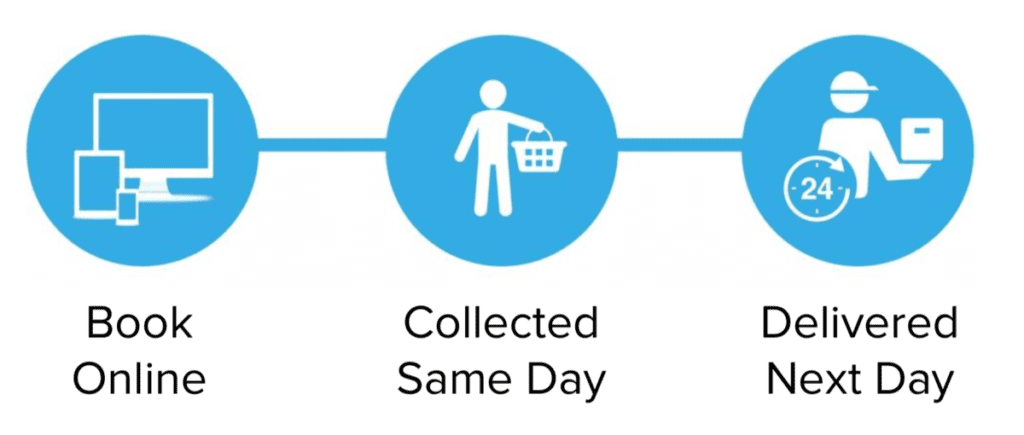
After a lightning-fast signup process, you book online to have your laundry collected (we’ll tell you how to save 7 euros below!) The same day as booking, a friendly driver will arrive at your collection point, depart with your prized clothing, and take them to be professionally washed and cleaned.
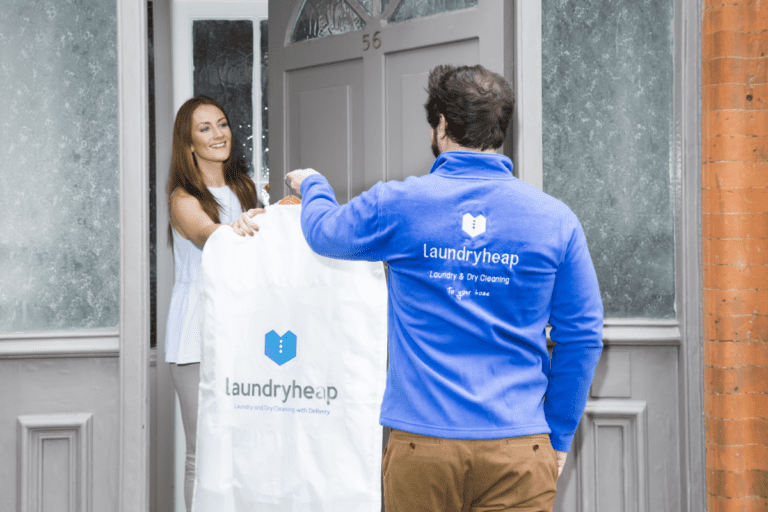
Do Laundry: Tick! Image: Laundryheap
The following day you can track your order online before it’s promptly delivered to you at your preferred location. Total time? Less than 24-hours as standard. The best thing is that Laundryheap isn’t just a 9-5 company: you can arrange a pick-up or drop-off as late as midnight, so if you forgot about that pesky outfit for the weekend until Thursday evening that’s fine too.
What can Laundryheap do?
Whether it’s your stock-standard laundry items washed at 30 degrees, dried, and folded, an additional ironing service, or some favourite items dry-cleaned, Laundryheap will make your dreams of never having to do laundry again come true!
Doing your own laundry? Pffff. Image: Laundryheap/Supplied
Got some bigger items, like pillows or bedding! Not a problem for this Laundryheap, they can do them too (ever had the experience of snuggling up under a freshly washed blanket? Luxurious!)
And if you’ve got some pesky little repairs, like a broken zipper or a button dangling by a thread they’re all over that too. Like we said – magic!
Is Laundryheap worth it?
Worried about sending off your fave t-shirt to be washed by strangers? Laundryheap will take care of your clothing like it’s their own. In fact, they’ve cleaned over 4.5 million pieces of clothing to date, so it’s safe to say they know what they’re doing.
We’re sure we’ve got your attention, so let’s drop the big one: we’ve partnered up with LaundryHeap to get our loyal DutchReviewers 7 euros off your first order. That means ultra-fresh washed clothes magically delivered to your door with some sweet savings attached! Just enter REVIEW7 at the checkout to cash in.
What’s the worst adult responsibility that messes up your day? Let us know in the comments below!
Special Offer Terms and Conditions: Cannot be combined with any other promotion and requires a minimum order value of €25.
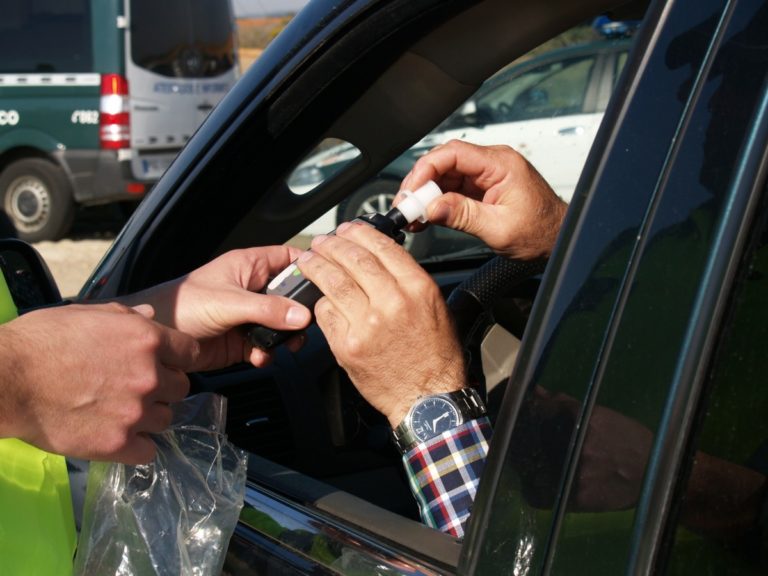
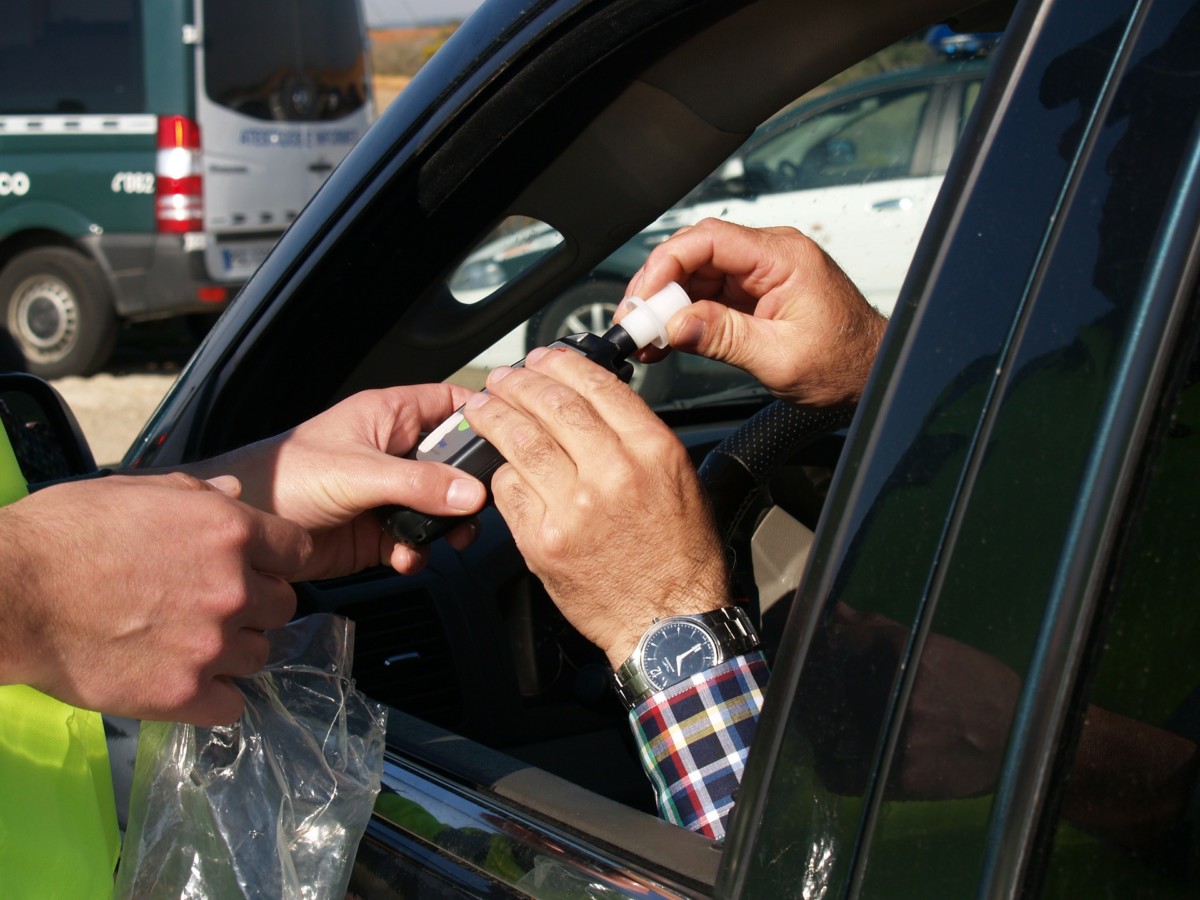
The maximum penalty for those caught driving under the influence will increase from three months to one year, after a new bill was passed in parliament, reports NOS. Those who are caught drink driving will also loose their licences a lot faster.
These new regulations come after the Senate passed a bill which has introduced changes to the existing policies. This bill, which comes into force next year, will give judges more powers to really crackdown on people driving under the influence.
Accidents on road involving alcohol have doubled
According to the Council for the Judiciary, accidents caused by drugs and alcohol has doubled in the last two years. There has also been a rise in the number of convicted people for driving under the influence. According to Grapperhaus, this might also be because they have been working towards minimising this problem. He said to NOS, “there may be fewer trap controls, but we are now checking in a much more focused way, with inconspicuous cars.”
The new changes will come into effect starting from next year. One of the changes will be to give judges the power to immediately take away a person’s license after a decision has been passed, even if they want an appeal. Right now, the driver is allowed on the road if such an appeal is in process. They are also allowed to give a maximum penalty of a one-year prison sentence.
Judges can also now issue a driving ban of up to five years, and if found in violation of that, the person will be sent to jail. If the judge imposes a ban of more than two years, then the person will lose their license and will have to retake the driving test. If anyone is found in violation of the ban, they will be sent to prison for up to one year.
New and more strict regulations will also apply to motorists. Motorists who are found to have alcohol in their system can receive a prison sentence of up to one year. Right now, it is only for three months. They will also have to retake the test if they are a frequent offender, that is, if all of the decisions from these offenses total up to two years.
Drinking and driving is a very irresponsible thing to do, and anyone who does should have their licenses revoked. Do you agree with these new regulations? Let us know in the comments below!
Yup, it’s that time of year again. Throughout the whole of December, up until the last day of 2019, you can start comparing Dutch health insurance and then choose whether you want to switch. This will be the only time that you can change it for a whole year, so make sure that you take a look at what’s out there when it comes to health insurance in the Netherlands. If you haven’t a damn clue what we’re going on about, then check our health insurance guide first.
We bring you this article together with Zorgwijzer, to give you all the information you need when comparing health insurance companies in the Netherlands (and because they know more than we do 😉 )
Here are 7 things to know when comparing Dutch health insurance in 2019
1. Check your hospital coverage (this is really important!)
The cheaper the insurer, the less hospital coverage usually. What does this mean though? This means that only some hospitals will accept you for your treatments and if you go to a hospital not on the list, then you will have to pay for that treatment yourself. If your local hospital is on the list, then that’s great, but if you were outside of your area and needed the treatment, then you’d have to ensure that you can easily get to a hospital that is on the list.
For this reason, when comparing Dutch health insurance, make sure that you choose this option carefully. Sometimes it really doesn’t cost much more for full coverage, so it’s worth looking into.
2. You can change your deductible excess to suit your needs
The cheapest deductible here in the Netherlands is €385, but there is actually nothing stopping you from changing that deductible. You can actually get one as high as €885, which basically translates to your monthly health insurance cost sitting at around €20 cheaper. If you’re healthy and otherwise never go to the hospital, it may be worth checking out (providing you have that money just in case you get into an accident). Especially if you’re young, healthy and strapped for cash it’s worth thinking through.
You have a choice of a deductible at €385; €485; €585; €685; €785 and €885. Each of these will vary the cost of your monthly (or yearly) bill. Note: Make sure that you can afford the deductible that you pick! P.S. If you’re thinking about doing this because you’re struggling with money, then the Dutch government are here to help with healthcare allowances.
Your face when I was throwing all those numbers out about comparing Dutch health insurance
3. The cheapest insurer may not necessarily be the best one for you
It’s always tempting when using comparison sites to go for the cheapest thing out there and just buy now. I’m certainly guilty of the *cheapest first* option. 😉 However, this is not necessarily the best way to do it, especially when it comes to health insurance. Sometimes it may cost an extra few euros to be covered extensively or even cover abroad and that’s definitely worth it. Don’t just go for the cheapest automatically, look at which is the best deal and what will suit you best. Comparing Dutch health insurance companies also isn’t something you should do at the very latest moment on New Year’s Eve (guilty as well).
You will find that if you just pick without looking into it, then along the line it may actually end up costing you more if you fall ill.
4. Paying per year is cheaper than per month (overall)
You can opt to pay your health insurance yearly. Generally, people pay monthly to stagger the cost, but if you have the money sitting in your account, it may be worth just getting it over and done with and all paid for. This means that you won’t have to worry about any payments for a year and also it will save you a bit of money in the end too! (Yearly payments generally end up cheaper than monthly ones overall).
Not all insurers and sites over this option I’ve noticed, therefore if this is what you’re after, then Zorgwijzer offers this on their comparison site. When browsing for your next insurer, just look on the left-hand sidebar and you’ll find the option to pay yearly. Easy!
5. You can get cover that insures you outside of the Netherlands
If you are looking to go abroad or travel across the border often, it’s worth having this covered by your insurer in case something happens. You can opt-in for Europe cover or worldwide cover. Many insurers have Europe cover already in their plans (you receive an EHIC card or you order one for free through your insurer). This is why it’s worth looking into their policy to see if it is covered.
If you opt-in this means that if you have an accident abroad your insurance will cover the costs and so you won’t have to worry about the high bill (depending on where you are, some hospital bills would literally cripple you)! So if you’re a traveller, PLEASE for the love of god look into this. With Zorgwijzer this is made easy – in the left-hand sidebar, just select what medical cover you’re after (basic, Europe, world cover).
6. Make sure to check that you are covered for specific treatments (e.g. dentist)
When you search for a health insurer, initially what will show up is the compulsory basic cover. This covers you for emergency treatment (minus the deductible), basic mental healthcare, (sometimes) emergency dental care and so on. If you are pregnant, need regular dental check-ups or have a complex mental health condition, these are the sort of situations where you would need an ‘add-on.’
When you go on a comparison site, there will be an option to tick these options if you need more cover – make sure that you have done this! It also lets you know just HOW much is covered. So if you want to make it a bit cheaper, you can choose what percentage they pay for it. If you’re in poor health, it is definitely worth opting for them to pay most of your costs. Or for example, if you’re into fierljeppen in Friesland, you want to get some ‘aanvullende verzekering’ for those physiotherapy sessions you’re going to need because fierljeppen is hella crazy.
7. Zorgwijzer is the only comparison site in English
Oh, the daily struggles if your Dutch isn’t up to scratch. In normal day to day life, it’s okay, but when it comes to important stuff like your health insurance, you need to be sure that you’ve done it right. Google translate is not always your friend either, sometimes it just makes no sense. True story – I once received an important letter from the Gemeente with a sentence that translated badly to “you’re going to die.” That’s certainly not a translation you’d want when organising your health insurance in the Netherlands…
Well, this is where Zorgwijzer comes in. They understood the struggles and have an English comparison site for us (also because just pronouncing ‘zorgverzekering vergelijken’ is impossible for a non-native Dutch speaker). This means that you can sort your own health insurance out, without having to bug that Dutch friend with personal health matters. The site is easy to use and easy to understand too. It essentially makes everything that we’ve just covered 10 times easier.
So there you have it – 7 things to know before you hop on that comparison site and sort out your insurer.
Do you have any more tips when comparing Dutch health insurance? Let us know in the comments!
All hell broke loose in Schiphol last night as a pilot from Air Europa accidentally sounded the hijacking alarm. But for about half an hour, everyone thought it was a genuine emergency situation. As it was already triggered, safety protocols had to be followed through, leading to a number of disrupted flights, angry passengers, and one embarrassed pilot.
A part of Schiphol was evacuated and the full military was deployed. Even the Minister Grapperhaus (Justice and Security) praised them for following through on the protocol, despite it being a false alarm. The delayed flights were resumed after about an hour. The error was made on the Spanish airline Air Europa’s Airbus A330.
#AirEuropaInfo False Alarm. In the flight Amsterdam – Madrid, this afternoon was activated, by mistake, a warning that triggers protocols on hijackings at the airport. Nothing has happened, all passengers are safe and sound waiting to fly soon. We deeply apologize.
How was a false alarm for a hijacking triggered in Schiphol?
But is it as easy as pushing the wrong button? What actually happens when there is a hijacking taking place? According to what aviation experts told NOS, there are three ways. But this time, the pilot sounded a false alarm by sending in the wrong transponder code to air traffic control through the radio.
The code for a hijacking is 7500. It is entered into a “keyboard that is similar to that of a telephone” and is then sent to air traffic control at the airport. “If you select that 7500, all the bells and whistles will go off with air traffic control,” explains aviation expert Joris Melkert.
Nog even over het kapingsalarm op Schiphol. Zo ziet de transponder op de gemiddelde Airbus A330 eruit. Met de toetsen stel je de viercijferige transpondercode in. Bij een kaping 7500, bij een noodgeval 7700. De verkeersleiding kan deze code zien. pic.twitter.com/KwIqUFobEu
Translation: A quick note about the hijacking alarm at Schiphol. This is what the transponder looks like on the average Airbus A330. Use the keys to set the four-digit transponder code. With a hijack [it is] 7500, with an emergency 7700. The traffic control can see this code.
There are similar codes to the hijacking one: 7700 is for a general emergency and 7600 is if they have lost communication with air traffic control. So it was a matter of just one digit!
Schiphol has not yet said how much this mistake has cost to rectify. With all those flights delayed, that’s going to be a tall order to pay. Of course, when all of this was unfolding, it was a scary time. But now that everyone knows it was a false alarm, people can help taking a jab at the whole situation. I mean, can you blame them?
They say numbers are important, but this sure is a costly accident to make. Were you in Schiphol when this unraveled? Let us know in the comments below!
UPDATE 21:08: Air Europa have confirmed that a pilot mistakenly triggered the hijacking alarm and apologised for the incident on Twitter.
#AirEuropaInfo False Alarm. In the flight Amsterdam – Madrid, this afternoon was activated, by mistake, a warning that triggers protocols on hijackings at the airport. Nothing has happened, all passengers are safe and sound waiting to fly soon. We deeply apologize.
What a relief! Police and emergency services are still trying to figure out what went on when the pilot pressed the hijacking alarm button earlier this evening. The event took place while passengers were boarding, with 27 being on board at the time of the hijacking.
Passagiers en crew veilig van boord. Onderzoek ter plaatse duurt nog voort.
Emergency services have been rushed to Schiphol airport as a result of what the Marachuessee are calling a “suspicious situation”. According to sources within the military police, it is likely a plane hijacking.
UPDATE 21:08: Air Europa has confirmed that a pilot mistakenly triggered the hijacking alarm and apologised for the incident on Twitter.
#AirEuropaInfo False Alarm. In the flight Amsterdam – Madrid, this afternoon was activated, by mistake, a warning that triggers protocols on hijackings at the airport. Nothing has happened, all passengers are safe and sound waiting to fly soon. We deeply apologize.
UPDATE 20.45: Whatever the situation is, the Dutch military police at Schiphol have signalled that all passengers and crew are safe and not on board anymore.
Passengers and crew are safely off board. On-site research is still continuing. https://t.co/hZvl0Dq5ig
Authorities became aware of the situation during the boarding of the plane. The pilot of the aircraft would have pressed a hijack alarm button to raise the alarm. About 27 passengers had boarded the aircraft at that point.
NOS reports that Jos van Dongen, a reporter from Zembla, is at Schiphol. According to him, the D pier is cleared and cars with tinted windows drove towards gate D5. He was sent away by the Marechaussee, just like the other travellers.
The award-winning South African comedian will be gracing the Amsterdam stage in May of 2020. Noah is the host of The Daily Show on Comedy Central until 2022.
He will be coming to Amsterdam as part of his Loud And Clear tour on 27 May 2020. Tickets to the performance, which will be hosted at the Ziggo Dome, will go on sale this Friday (8th November). According to the TicketMaster page, they’ll range in price from 32.95 to 66.10 euros.
Aankondiging: Trevor Noah van de Daily Show komt – 27 mei 2020 – naar de Ziggo Dome Amsterdam! (verkoop vrijdag 8 november om 10:00) pic.twitter.com/IzBTyRl9dP
Noah has performed in the Ziggo Dome before, in 2018. His comedy usually focuses on his experiences growing up in South Africa, Trump, colonialism, racism, and his confusion about America (we’re all confused).
Are you going? Have you seen a Trevor Noah show before? Let us know in the comments below.
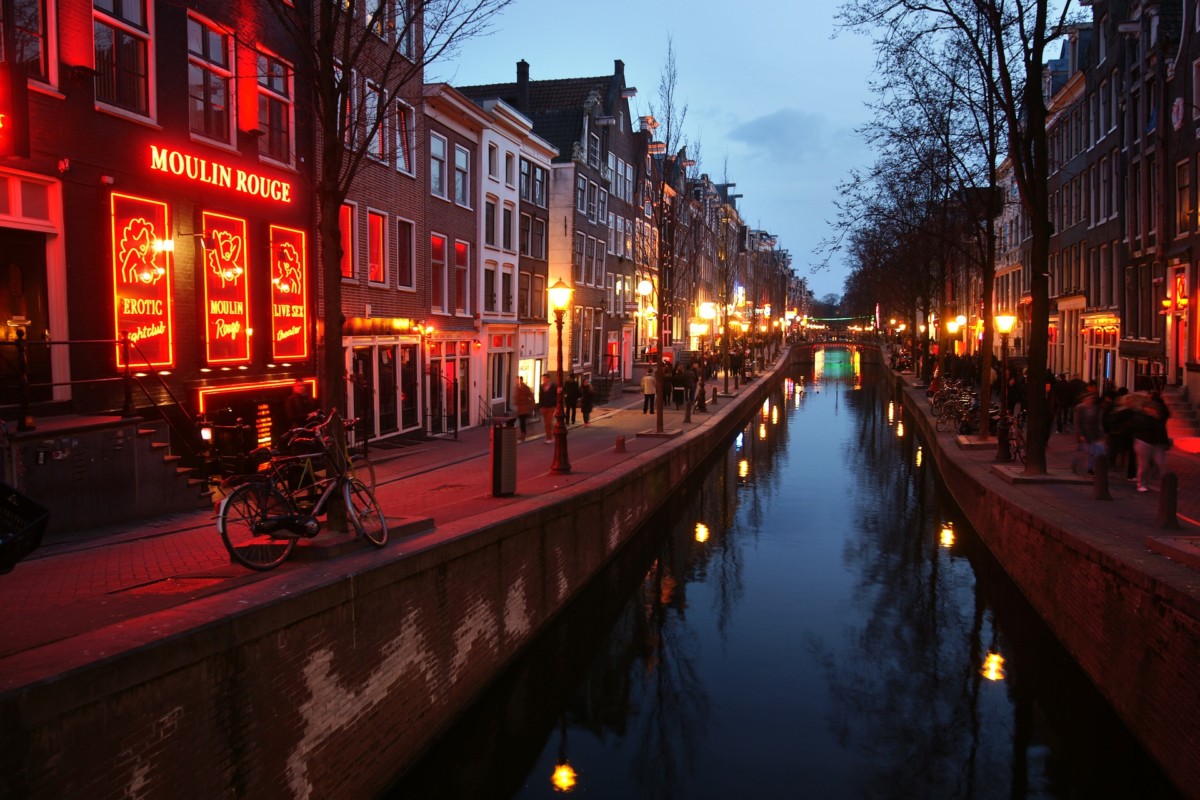
All of us would have heard of it, most of us would have walked by it and some of us might have strolled through it: we are talking about De Wallen in Amsterdam, one of the oldest neigbourhoods in the capital, more commonly known as the Red Light District in Amsterdam.
For those of us for whom it is not an everyday occurrence to see sex workers doing their jobs, the Red Light District in Amsterdam can seem like a daunting experience. But it doesn’t have to be: I kid you not, I was in De Wallen for nearly an hour before I even noticed a sex worker’s window brothel. Of course, I wasn’t exactly looking for them nor was I surprised by them. I only had an inkling of what to expect as the Red Light District’s reputation precedes itself. But any wise old cracker knows that you need to see it for yourself to know it.
So there I was, a young Indian girl pretending to be that wise old cracker, ready to explore the oldest part of Amsterdam. In this article, I touch upon Red Light District etiquette, if you can take tours here, and things you can see in De Wallen. What this article will not tell you, however, is how not to be a creep (although I do get some punches in), so I’m sorry evolution might’ve skipped you.
De Wallen is the main Red Light District in Amsterdam. Image: Erik Tanghe/Pixabay
Where is the Red Light District in Amsterdam?
The Red Light District has been around since the Middle Ages and is not restricted to just the one in the old city centre. In fact, Amsterdam’s Red Light District has three major neighbourhoods – De Wallen, the largest and oldest one near Oude Kerk; Singelgebied, part of the Singel canal that runs from IJ Bay to Muntplein Square; and Ruysdaelkade, a canal in De Pijp in Amsterdam-Zuid.
The most well-known and perhaps the most visited for tourist purposes would be at De Wallen. It is right in the middle of Amsterdam and is very close to the Oude Kerk, the oldest church in the city. Whenever you hear someone say the Red Light District in Amsterdam, they probably mean this one. It is right in the centre of Amsterdam and is probably the most crowded.
How do you get to the Red Light District in Amsterdam?
If you’re looking for De Wallen, it’s not that far away from Amsterdam Centraal. You can take a 10 to 15-minute stroll along the canals, walk through the narrow streets and take in the sights as you make your way to the most crowded part of the city. If you’re feeling particularly lazy, or if Dutch weather is not on your side (when is it ever?), it’s only a short 10-minute tram or metro ride away.
Do’s and Don’ts in the Red Light District in Amsterdam
Some of these etiquette rules might bore those of us who are decent people, but bear with us! There are points in there that you might not have been aware of. If you want to be a part of the solution and not the problem, then definitely read on.
DO go in with an open mind
When you’re walking through the Red Light District in Amsterdam, remember to go in there with an open mind. You will see things which you may not encounter in your daily life. Acknowledge that and move on.
DON’T be a damn creep
I don’t even know how to begin writing this section, but it has to be said. You would think that in this day and age, you wouldn’t have to emphasize how not to be a creep with people, regardless of their profession. But unfortunately, we’re far away from that.
Don’t whistle at them, don’t harass them, don’t antagonise them. They’re just trying to do their jobs and tolerating bullsh*t like that should not be a part of it.
DO treat sex workers with respect
Sex workers are people who are just trying to do their work in the Red Light District. They are people who deserve the same level of respect you do (unless you’re the type of creep I mentioned before).
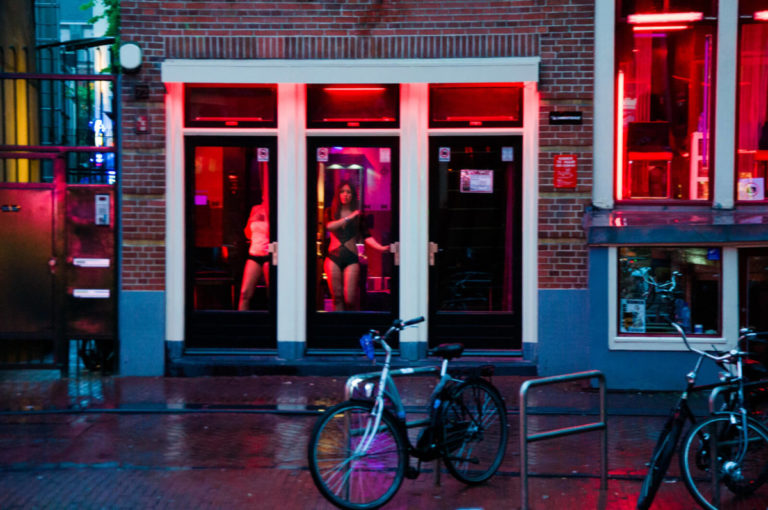
DON’T take photos of sex worker
Sex workers in the Netherlands come from diverse backgrounds. Some of them might need to have their identity protected in order to safely carry out their work. I hope you’re not the kind of person who is okay with being the reason why someone gets killed or assaulted.
Also, would you really want completely random people coming to take pictures of you while you’re at your workplace without your consent? Probably not. Sex workers probably don’t want that as well.
DO secure your bag
The Red Light District, despite the reputation that surrounds it, is safe during the day and the night. The biggest threat in the neighbourhood would be pickpockets. If you have decided to brave the hordes of tourists crowding around the area, be sure to put all your valuables into your bag, and have it safely tucked underneath your arm.
It is against the law in the Red Light District in Amsterdam to consume alcohol or smoke weed while you’re walking through the neighbourhood. Amsterdam has already been trying to curb the consumption of alcohol in the neighbourhood as it leads to sloppy drunks creating a public nuisance for everyone.
DO ignore street dealers and street prostitutes
Always, always, always avoid buying anything from anyone when you’re walking through the Red Light District in Amsterdam. Sex workers are legally required to work from behind their windows, so street prostitution is illegal. They are not allowed to offer or promote any of their services on the road or in any public buildings. If found out, a fine of 115 euros will be imposed on the sex worker and the customer.
Apart from that, you might also run into street dealers trying to sell you drugs. Never buy from them. You never know what they might be selling you so be vigilant! Remember, there are coffeeshops, and they are all trusted sources for your weed.
DON’T stare or stand in front of the windows for too long
Going back to my point of not being a creep – seriously, should I spell it out for you? If you have no intention of going in, don’t stop and stare at a sex worker while they’re trying to do their job. You’re probably blocking the way for potential customers, and really, who wants someone weird leering at them while they’re working? That’s not what they’re there for.
Things to do in the Red Light District in Amsterdam
Now that you’re all equipped with the Red Light District etiquette, you might be wondering what you can do there if you’re just looking to explore.
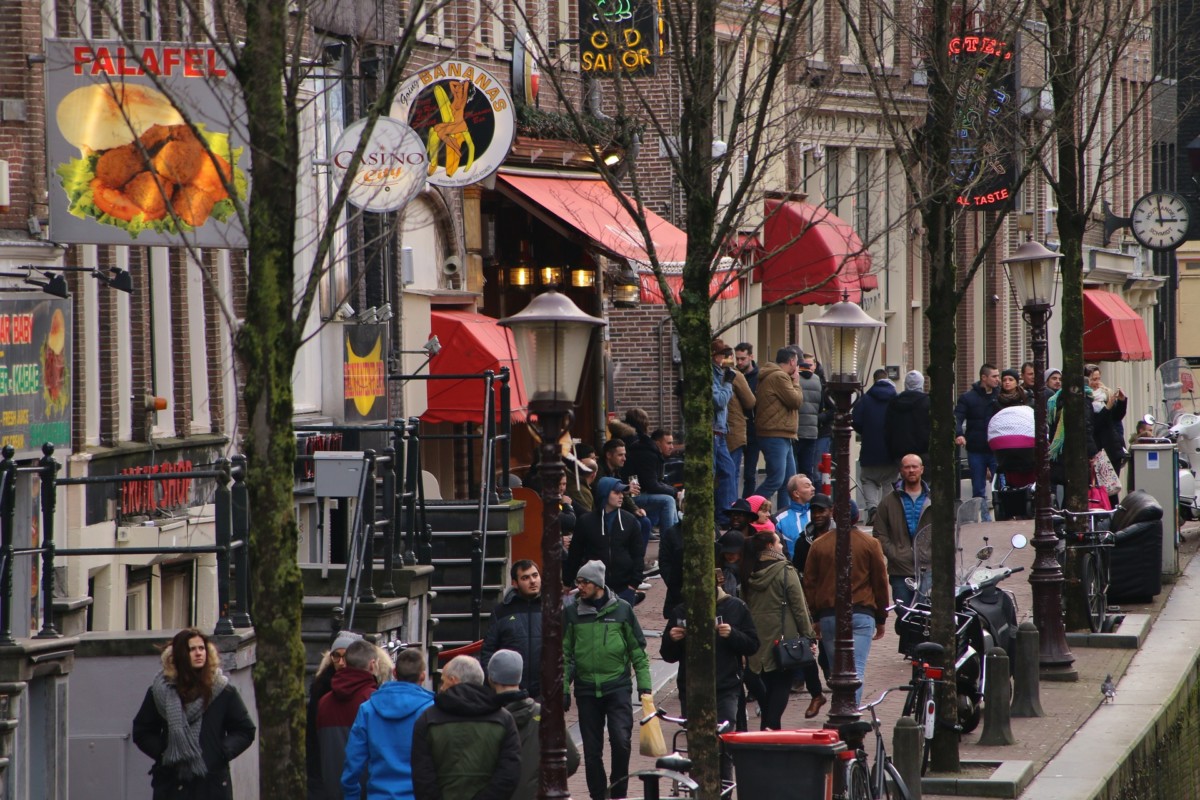
Obviously, the Red Light District is not just sex workers, prostitution, and drugs. It is a vibrant neighbourhood with people living and working there. The Red Light District and De Wallen has a lot of offer: there are plenty of bars, restaurants, and coffeeshops in the neighbourhood. All you have to do is walk around, and you will be able to find something you would enjoy.
Can you take tours in the Red Light District in Amsterdam?
If you’re someone who is genuinely interested in the history of sex work in Amsterdam, the sex industry, and learning more about the plight of sex workers, you might want to take tours of the Red Light District. You better hurry because Amsterdam has been clamping down on these tours in an effort to curb tourism and handle the hordes of people who crowd around the sex worker windows. Starting from January 2020, all tours through the Red Light District are banned.
Right now, tours are still happening, but they have been given time until the end of this year to wind down their businesses. Until then, the tour guides should have a permit, should not have groups larger than 20 people, and they need to take the group through the neighbourhood without blocking the windows. They also have to make sure that no one is taking pictures and they are behaving respectfully.
These rules are already in place, but apparently they don’t help solve the problem of leaving the sex workers vulnerable. They believe that these tours are a thing of the past, and think only people who want to treat sex workers as objects would attend them. They believe these tours only help facilitate these kinds of people and hence leave the sex workers vulnerable.
Tourists frequently crowd around window brothels in the Red Light District in Amsterdam. Image: Petr Kratochvil/publicdomainpictures
It is true that there are a lot (if not some) bad seeds out there, but are all of them the same?
Sex workers in the area are worried about what this would mean for their business. Groups like Red Light United and the Prostitution Information Centre are against it for obvious reasons: these tours gave sex workers the opportunity to dispel some of the stigma attached to prostitution.
Apart from banning these tours, Mayor Femke Halsema has other plans in store for them. She is exploring to implement one or more of the following four policies: making sex workers shut shop and move elsewhere, expanding the number of window brothels in the district, banning all window brothels, or allowing the window brothels to operate but behind closed curtains.
With the announcement of these rules, groups like Red Light United rallied against them. They claim that 93% of sex workers are against these policies. The New Yorker quotes them saying, “any measure aimed against tourism is a measure against sex workers in the Red Light District.” They do agree that some of the current rules are good and should be enforced, but they also want the government to work with sex workers to seed out the bad guides from the good ones. It would only seem logical to include their voices in these conversations. One can only wonder who the government is trying to please if their policies are not drafted by including sex workers in the process.
Hidden gems in the Red Light District in Amsterdam
If you don’t want to take any tours but are still in the area to explore, we have made a list just for you. It might skip a lot of people’s radar because they’re so overwhelmed (or perhaps underwhelmed?) with the reality of the Red Light District. So here are our picks so you don’t miss out!
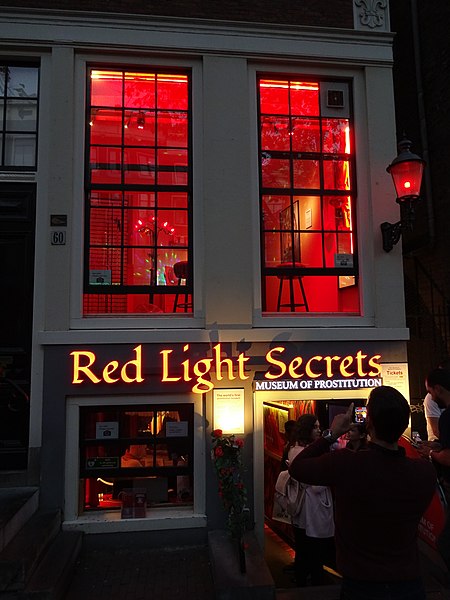
Red Light Secrets might be the only museum of prostitution in the world. Hear stories about the history of prostitution, intriguing exhibits about working as a sex worker and get an insight into the sex work industry in the Netherlands. This should be high on your list because you will be hearing from current or former sex workers. Who better to tell you all you need to know about sex work in the Netherlands?
Discover this special gem of a museum: a perfectly preserved canal house from the 17th century with a clandestine church in the attic. This remanent of Dutch history gives you a taste of how Catholics continued holding their services when they were not allowed to practice their religion in public spaces during the reformation.
Allard Pierson Museum
Where: Oude Turfmarkt 127-129, 1012 GC Amsterdam
Named after one of the leading and most progressive art historians in the Netherlands, the Allard Pierson Museum‘s vision is to make the University of Amsterdam’s heritage collection as accessible as possible for everyone. Take a peek into classical history, learn more about the history of the performing arts or even get an insight into the history of book trading! This museum is a must-see in the Red Light District in Amsterdam.
Oude Kerk
Where: Oudekerksplein 23, 1012 GX Amsterdam
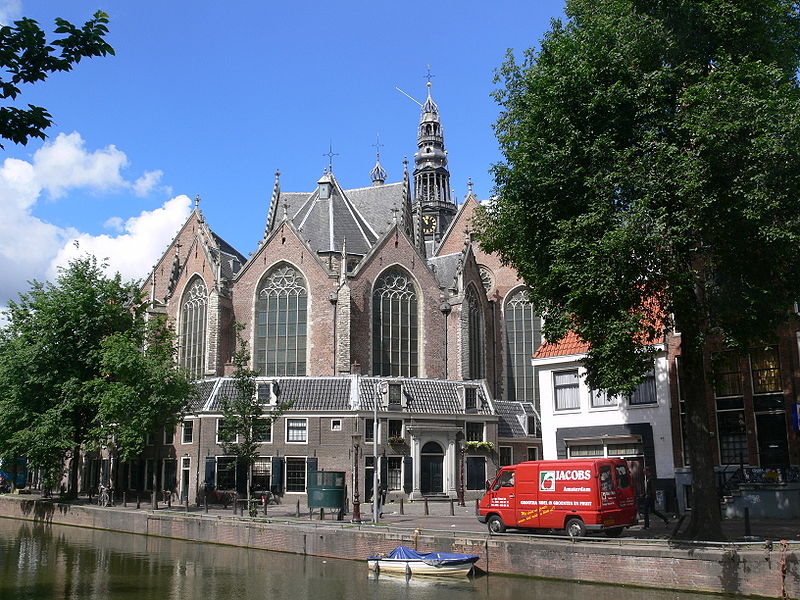
Visit the oldest building in Amsterdam: the Oude Kerk or the Old Church. Today, it is a Calvinist church but that wasn’t always the case. Before the Reformation, it was just a wooden chapel erected in 1213. This little wooden chapel was replaced by a stone church and was consecrated in 1306. A church that has evolved with time, it has undergone multiple renovations, survived the great fires in the 15th century, the Beeldenstorm of 1566, and is now a place that brings the old and new together. You can see permanent exhibitions about the history of the church and Amsterdam, and temporary exhibitions of contemporary art installations by famous artists.
The Prostitution Information Centre is the brainchild of Mariska Majoor, a former prostitute herself, wanted to have the opportunity to educate the public about sex work in Amsterdam. They organize walking tours (oftentimes conducted by someone from the sex work industry and they’re not the only ones), have an easily accessible area full of resources, and a very helpful and kind listening ear for sex workers who might need their assistance.
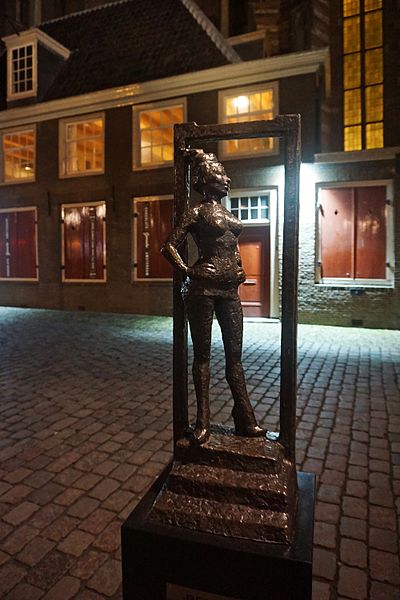
A statue to honour all sex workers around the world, “Belle” was erected in the Old Church’s square. It was unveiled in March 2007. Created by Els Rijerse, the plaque reads: “Respect sex workers all over the world”. It is hard to miss!
And with that message on the plaque, we are signing off and going to let you tell us your thoughts.
Did this article help to make it less daunting to venture into the Red Light District? Are there any more do’s and don’ts that we might’ve missed? Let us know in the comments below!
According to figures released by the Central Bureau for Statistics today, the number of jubilee celebrations among younger couples is decreasing, because more divorces are taking place.
Basically, the story is that younger couples are separating more often than previous generations. This means that the number of copper and silver anniversaries being reached is decreasing. The number of separations has steadily increased since the 70s. In 1971, only 12 percent of marriages ended in divorce. Just a decade later, that percentage had doubled.
2 out of 5 marriages end in separation
At the moment, about two out of five marriages end in separation: which, of course, explains why fewer and fewer copper and silver anniversaries are being celebrated. On the plus side, this figure has remained more or less the same one the past two decades. If you’re curious about what marriage is like in the Netherlands, apart from the propensity to divorce, then check out our article on wedding traditions in the Netherlands.
More gold and diamond anniversaries celebrated
On the other hand, the number of gold and diamond anniversaries is increasing. This is down to a combination of longer life expectancies (people are living long enough to reach fifty and sixty years of marriage) and generational differences (as we’ve already noted, divorce was far less common in the past than it is now in Dutch society).
Fewer and fewer marriages taking place in the Netherlands
Finally, the number of marriages taking place in the Netherlands has almost halved over the past fifty years. In 1968, about 123,000 marriages were taking place each year. In 2018, that was 65,000.
Have you ever been to a golden jubilee celebration? Let us know in the comments below.











.jpg)
