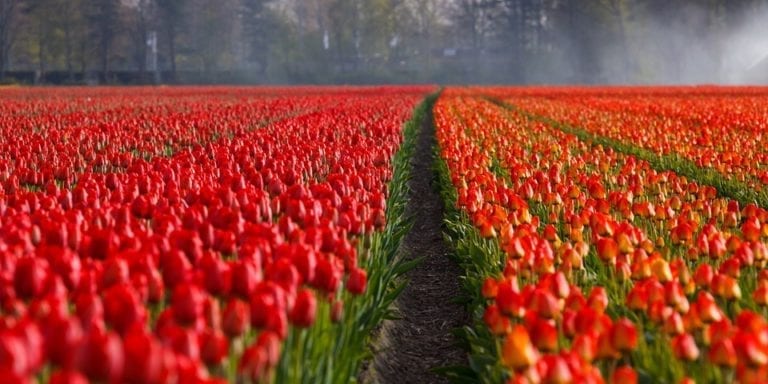
According to research commissioned by the municipality of Amsterdam and the Koninklijke Algemenee Vereeniging voor Bloembollencultuur (KAVB), the tulip bulbs at the Amsterdam flower market are mostly duds- they will never bloom.
The tulip bulbs are a popular souvenir for tourists who visit the Amsterdam flower market. Following complaints and observations by residents, entrepreneurs and the KAVB, Amsterdam decided this needed further investigation. Buyers were found to be deliberately misled both in the Amsterdam flower market and on the Bloembollenboulevard along the N208 in Lisse, another tulip-and-tourist hotspot, according to RTL Nieuws.
Only 1 percent of tulip bulbs bloomed
The research revealed some really surprising results. Firstly, only 1 percent of the bulbs bought by the researchers at the Amsterdam flower market bloomed; this was 2 percent with the market in Lisse. Furthermore, the tulips that did bloom were nothing like those advertised on the package.
?De gemeente #Amsterdam liet een extern onderzoeksbureau maar liefst 1.364 tulpenbollen kopen. Hoeveel daarvan kwamen daadwerkelijk tot bloei, denk je? Lees het antwoord hier. #opgelichthttps://t.co/lSTRRpb5XS
The chairman of the KAVB noted that this deceit could have lasting consequences for the image of the Netherlands. “Millions of tourists and day-trippers are the victims of this. The tulip is our national symbol and the bulb sector is an important sector for the Dutch economy. As an association, we find it very unfortunate that scammers structurally mislead consumers and damage the image of the bulb sector.”
Okay, opdoeken die malafide handel en er een leuke wandelpromenade van maken. Misleiding op Amsterdamse bloemenmarkt: tulpenbollen komen bijna nooit uithttps://t.co/FRDPOqtq45
The municipality of Amsterdam, the KAVB and the municipality of Lisse sent a letter to the Netherlands Authority for Consumers and Markets (ACM) on Monday, requesting them to further investigate and deal with the deceit.
Have you ever bought any of these bulbs? Have they bloomed? Let us know in the comments below.
The Netherlands and the United States have enjoyed long-standing history together, but could it be on its way to simmering down? That’s the feeling some diplomats, diplomatic experts, and Henne Schuwer, the recently retired Dutch ambassador to the US, are sensing. Now Schuwer has told all in a recent interview with NRC, revealing what it was like working as a diplomat in the Trump era.
Earlier this year, his British colleague, former ambassador Kim Darroch was forced to leave his job when it came to light that he thought the Trump administration was “clumsy and inept”. You see, being a diplomat is all about being…well, diplomatic.
Schuwer, therefore, had to keep his head down and his opinions to himself – not just to keep his job but to also fulfil his duties as the Dutch ambassador to the US.
But now that he is retired, he’s spoken out about the inner workings of the Trump administration.
De toekomst, zei #Trump, was aan het volk. (…) Schuwer schrok: „Ik hoorde hoe hij over de instituties heen stapte. Vooral mijn Duitse collega was er kapot van. Die zei: ‘Dit hebben we al eens meegemaakt.’” https://t.co/YMa0PCptL2
Schuwer on the Trump government: Trump is driving the country apart
In the first two years of the Trump administration, things appeared chaotic as Trump’s unpredictability meant the work of diplomats changed drastically.
In the pre-Trump era, diplomats would work with the State Department officials to get their messages and work through. However, during the Trump administration, that channel dried up. Instead, they had to change the way they received information about the White House: by waking up at half-past six to check what the president had been tweeting.
Schuwer said that the “influence and importance of Washington” combined with a president who frequently vocalises/tweets polarising opinions, is reducing. “Not just the federal government is strong, but also the states,” he explained. With the states breaking away from under Washington’s thumb, his shrewd comment where he made a comparison between Trump in the US and Boris Johnson in the UK in respect to driving their respective countries apart seems justified.
“So we started to concentrate more on that,” he said. When their visions started shifting on to the individual states, they started looking at America “differently”. Schuwer admitted that too much attention was being given to Washington initially. “Our idea was that it would be better to send small clubs into the country, especially to states where we don’t normally go, like New Mexico and Alabama.”
Schuwer on the Trump government: Rutte did not let Trump walk all over him
The former ambassador also asserted that Rutte held his ground against Trump. We all remember when Rutte visited the US and the infamous moment of Dutch directness stealing the spotlight, don’t we? If you don’t, let’s refresh your memory.
Prime Minister Mark Rutte has made two visits to the US – one in July 2018, and one in July 2019. In the first meeting, they discussed a lot of things, including trade disputes which have arisen.
But more importantly (in some ways), it was in this first meeting that Rutte’s famous “no” moment came. Trump made a statement about how the upcoming EU-US trade talks would be positive regardless of whether there is a substantial deal. Rutte’s resounding “no” to this statement made global headlines at the time.
“You don’t have to put salt on all slugs, but if something is wrong, you have to contradict him,” Schuwer remarks. “It worked out well, Trump saw that he was not sitting at the table with a yes-man, but with someone with whom he could do business.”
Schuwer on the Trump government: we have a powerful economic position in the US, and that’s what we use
So what do you do when you’re working with a (not so successful) businessman? You talk economics, jobs and investments to get him to like you. “We do not play a role in geopolitics as we are not a superpower. We do have an important economic position in America and you can use that,” Schuwer said. “For that, you need a visit from the prime minister who says: “Donald, can I show you something?”
So what did Rutte show the president of America? An A4-sized infographic on a plastic card which highlights the main numbers of the trade relationship. “We had said to Rutte ‘just slide it over the table,” Schuwer explained. “And apparently he does not read his files before such a meeting, because some of those [figures on the card] seemed really new to him. ”
Schuwer on the Trump government: there are serious doubts about Trump being an “ally”
He did also touch upon Rutte’s speech from earlier this month when he had a lot of positive things to say about Trump and some not-so-positive things about Obama. But the ambassador says it served the purpose of staying on “good terms with America”. This speech was also before Turkey’s invasion of Syria following Trump’s withdrawal of US troops from the region.
Sad and devastating news came last week as Turkish troops advanced into Kurdish-controlled northeastern Syria. Having been a long-time ally of the Kurds at the border, Turkish troops were kept at bay. But, the world was shocked when Trump announced that the American troops will be withdrawn.
Like everyone might be wondering, the ambassador raised serious questions about how much the world can trust Trump. “This is a president with whom you can have serious doubts about the concept of “ally”: what does that mean for him?” he wondered. “The Syrian Kurds, now under attack by Turkey, have lost more than 10,000 people in the fight against IS, they have done the dirty work. But Trump abandons them. How can you ever get someone to do something for the Americans?”
What do you think about Schuwers insights into working alongside the Trump administration? Surprising, or expected? Let us know in the comments below!
Brrr! Last week was chilly for the Netherlands, but we’re sad to say there is more to come. If you’re looking to say sayonara to the sunshine though, tomorrow gives you one last chance with temperatures up to 23 degrees.
The south and east will get the warmer temperatures, although it’s still forecast to be cloudy with light rain across most of the country. The north will be pulling on more warm clothes than the rest with the mercury forecast to hit just 16 degrees. The middle of the country will only be two degrees higher.
That means a hearty goodbye to warm weather as the Netherlands begins its yearly descent into coats, gloves and scarves territory. “The chance is really very small that we will rise above 20 degrees in the coming weeks,” explained Maurice Middendorp from Buienradar to RTL Nieuws. “In October it will certainly not happen again.”
But, it’s not all bad news! While the nights at this time of year usually force you to burrow down in your blankets we’re experiencing a short reprieve with the first night frost not expected for another two weeks.
Wat zijn er vandaag grote verschillen in het land! In het zuidoosten is het zonnig bij 20 à 21 graden en in het noordoosten is het grijs en soms nat bij een graad of 13. Check de temperaturen hier: https://t.co/Z4eomnpxROpic.twitter.com/pdKnYYgAhX
The nighttime temperature at the moment is hovering around 14 degrees – double what it has been in previous years. “That is special,” said Middendorp. “It does not cool as much because there are a lot of clouds that work as a blanket.”
Are you looking forward to things cooling down, or are you begging Summer to make an unexpected return? Let us know in the comments below!
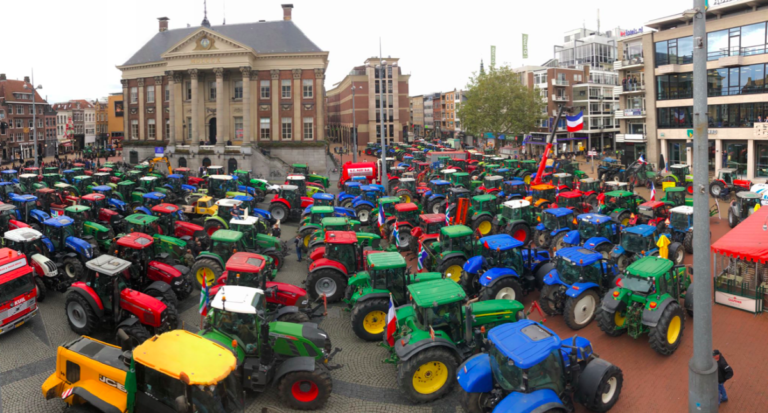
Update on the farmer protest: farmers have attempted to storm the provincial house in Groningen and are being beaten back by police with batons.
The atmosphere is grim in Groningen as farmers clash violently with police, reports NOS. Farmers used a tractor to break down the door to the provincial house and have hung a noose outside. Earlier in the day, they threatened to storm the building unless the deputy met with them to discuss their problem with the measures Groningen is proposing to take against the nitrogen crisis.
According to police, the farmers have hit a police horse with a tractor. A police officer was also wounded when the farmers broke down the doors to the provincial house.
In de omgeving van het provinciehuis is een van de demonstranten aangehouden die met een tractor zou zijn ingereden zou zijn op een van de politiepaarden.
There have been protest in other parts of the country, but most are coming to an end now. The farmers had success in Drenthe, Gelderland and Overijssel, where nitrogen rules were withdrawn by the provincial houses.
What do you think of these protests? Let us know in the comments below.
Today, farmers are protesting again, following a call from the agricultural organization, LTO Noord. They are gathering around provincial houses, which will ensure nice long traffic jams all day.
LTO Noord called on its 14,000 members to protest last week, aiming to get provincial policy rules on nitrogen production off the table. The farmers believe they are being unfairly blamed in the discussion about climate change and the nitrogen crisis. It seems that the farmers are already having some success in their campaign, as the province of Friesland has withdrawn its plans to combat nitrogen following a protest at a provincial house there last Friday, according to RTL Nieuws.
However, in Groningen, the atmosphere has turned sour, as farmers threaten to storm the provincial house. The deputy, Henk Staghouwer, has refused to meet the farmers, and to take the proposed measures against the nitrogen crisis off the table. More farmers are making their way to the provincial house to support their peers. The police have just announced that they will also be sending more officers, according to NOS.
Agriculture responsible for 40 percent of nitrogen production
The agricultural sector is responsible for 40 percent of the nitrogen production affecting Natura-2000 areas (areas of natural beauty). Due to nitrogen deposits in these areas, biodiversity disappears and plants become extinct. It could take over 50 years for these areas to recover from this pollution.
Researchers announce measures to combat nitrogen crisis
Researchers have therefore put forward a number of measures to tackle the nitrogen crisis, with most of them pertaining to the agricultural sector. Farms nearby Natura-2000 areas must be cleaned up, farmers must invest in techniques to lower nitrogen emissions, and the number of livestock in the country must shrink- GroenLinks proposes to cut it in half.
Have you been caught up in a traffic jam today? Let us know in the comments below.
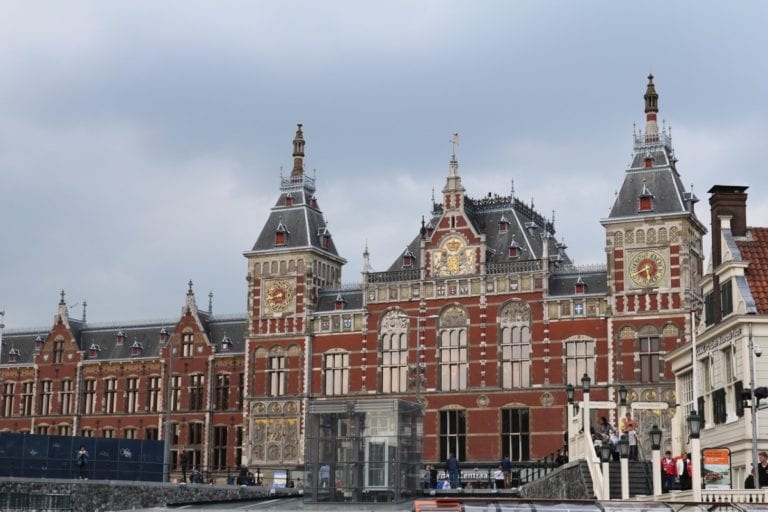
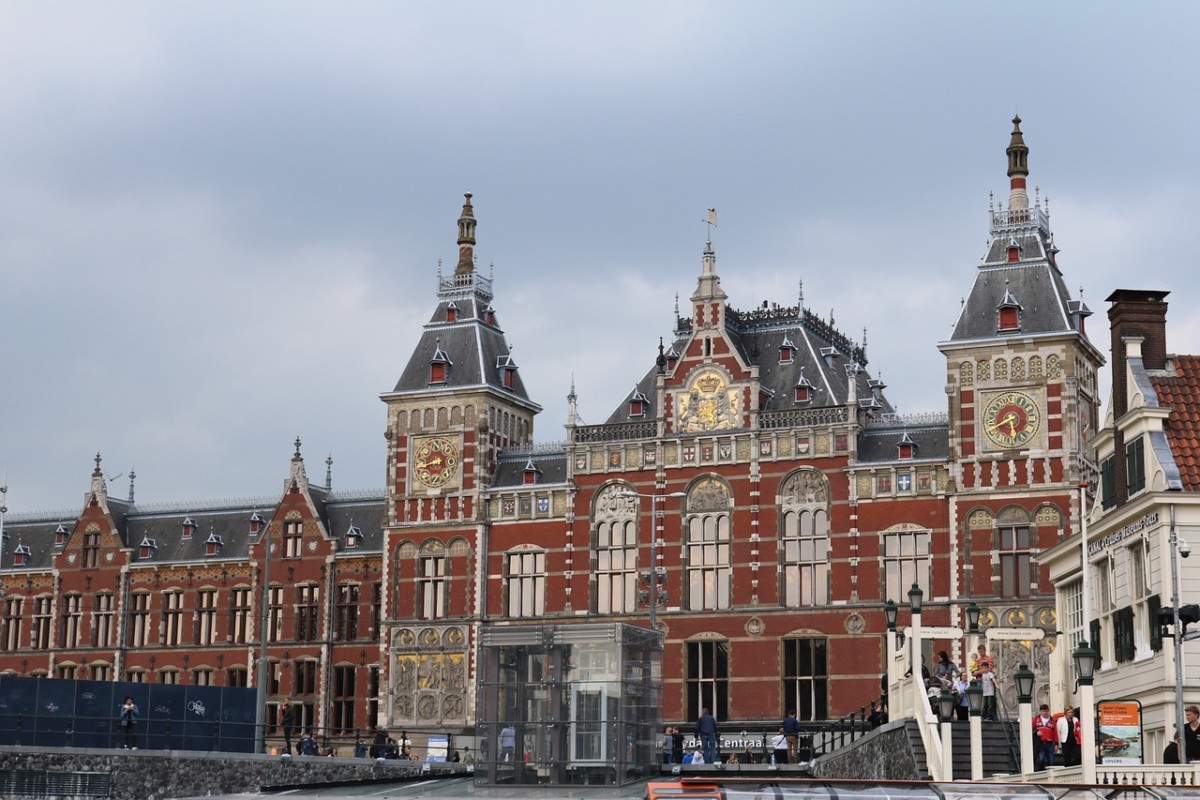
The court has sentenced Jawed S., an attacker who stabbed two American tourists at Amsterdam Central Station on August 31, 2018, to 26 years and eight months of prison time, report NU.nl.
The Amsterdam police and the court convicted him of two attempts of murder with a terrorist motive. He is also charged with threatening three officers as he advanced on them with his knife, before being shot in the leg and reprimanded.
The 20-year-old waited around 45 minutes at the station before he stabbed the victims while they were standing at the information desk. One of the victims was stabbed in the back and is now in a wheelchair. S. also lashed out at the other victim leading to the person to have permanent nerve damage.
However, he stated that he did not intend to attack tourists. His initial intention was to “scare the Dutch population”, said the judge. According to NU.nl, he does not regret doing it. He was also given a psychological evaluation but was found to not have any mental disorder. The judge believes him to be a “repeat risk,” RTL Nieuws reported.
He decided to travel from Germany to Amsterdam after right-wing, populist PVV leader Geert Wilders proposed a “cartoon competition” about prophet Mohammed in June 2018. S. felt that it was an insult against the prophet.
“I had come to the Netherlands to protect my prophet,” RTL Nieuws quotes S. “Why did you give that dirty pig the opportunity to insult the prophet? By you, I mean the Dutch state. You have many pigs here. One is the big one, that is Wilders. ”
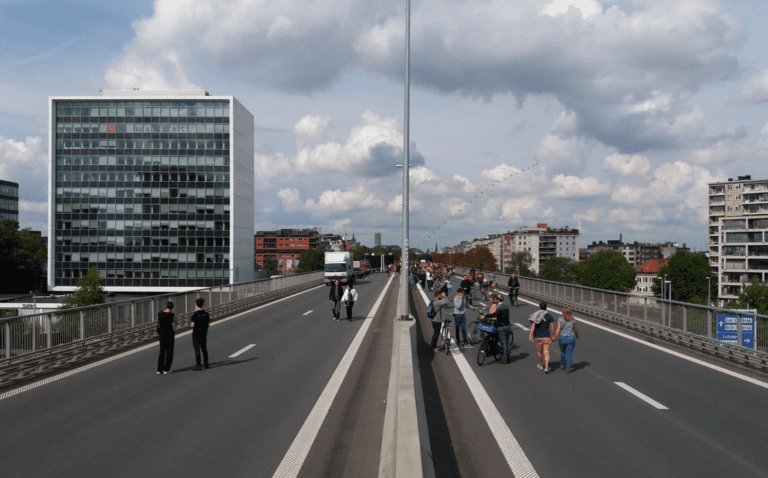
MPs from GroenLinks and ChristenUnie have voiced their support for an annual car free Sunday, reports NOS. Car-free days can draw attention to other ways of moving around the city, and increase the sense of community in each area.
Other European countries have trialed car-free Sundays in various cities, usually as part of European Mobility Week in September. This week aims to call attention to climate change and air pollution- both issues that have garnered a lot of attention recently in the Netherlands.
Car-free Sundays in the Netherlands today
Car-free Sundays have taken place in some places in the Netherlands- they are usually organised by municipalities. However, their organisation has not been structural and they are fairly rare. The MPs from ChristenUnie and GroenLinks are hoping to change that, by getting the support of the minister. The event would still be organised on a municipal level, but nationwide.
Car-free Sundays in the Netherlands in the past
This would actually not be the first time the Netherlands has had nationwide car-free Sundays- in the 1970s, during the oil crisis, cars were left at home due to the gasoline shortage. “Now there is no oil crisis, but we are dealing with a climate crisis, a nitrogen problem and poor air quality in the cities,” says Dik-Faber, MP for ChristenUnie.
Drawing attention to alternatives
The MPs are also enthusiastic about the other benefits a car-free day could bring to cities- community and a party atmosphere. GroenLinks MP Kröger says that a car-free Sunday would be a celebration of alternatives to cars. “[The car] takes up a lot of space, not only physically in our cities, but also in terms of environmental impact. It would be nice if we could leave the car one day a year, to draw attention to the alternatives: walking, cycling or using public transport.”
Community spirit
Dik-Faber recalls a car-free day in her hometown, Veenendaal. “The whole of Veenendaal ran out to meet each other that day. It was really a party.” With most cities in the Netherlands at least somewhat segregated according to class and background, such a day could be a small step towards more cohesive and integrated cities.
… and PVV’s thoughts
As usual, Geert Wilders’ PVV is not a fan, with PVV MP Van Aalst calling the plan “crazy” and advising MPs to “use a little less laughing gas before releasing these climate-neutral test balloons.”
What would you think of a car-free Sunday? Have you experienced one before? Let us know in the comments below.
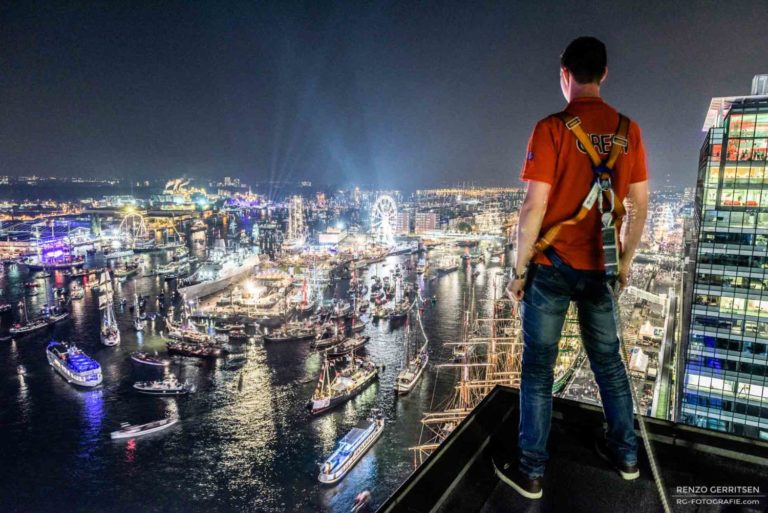
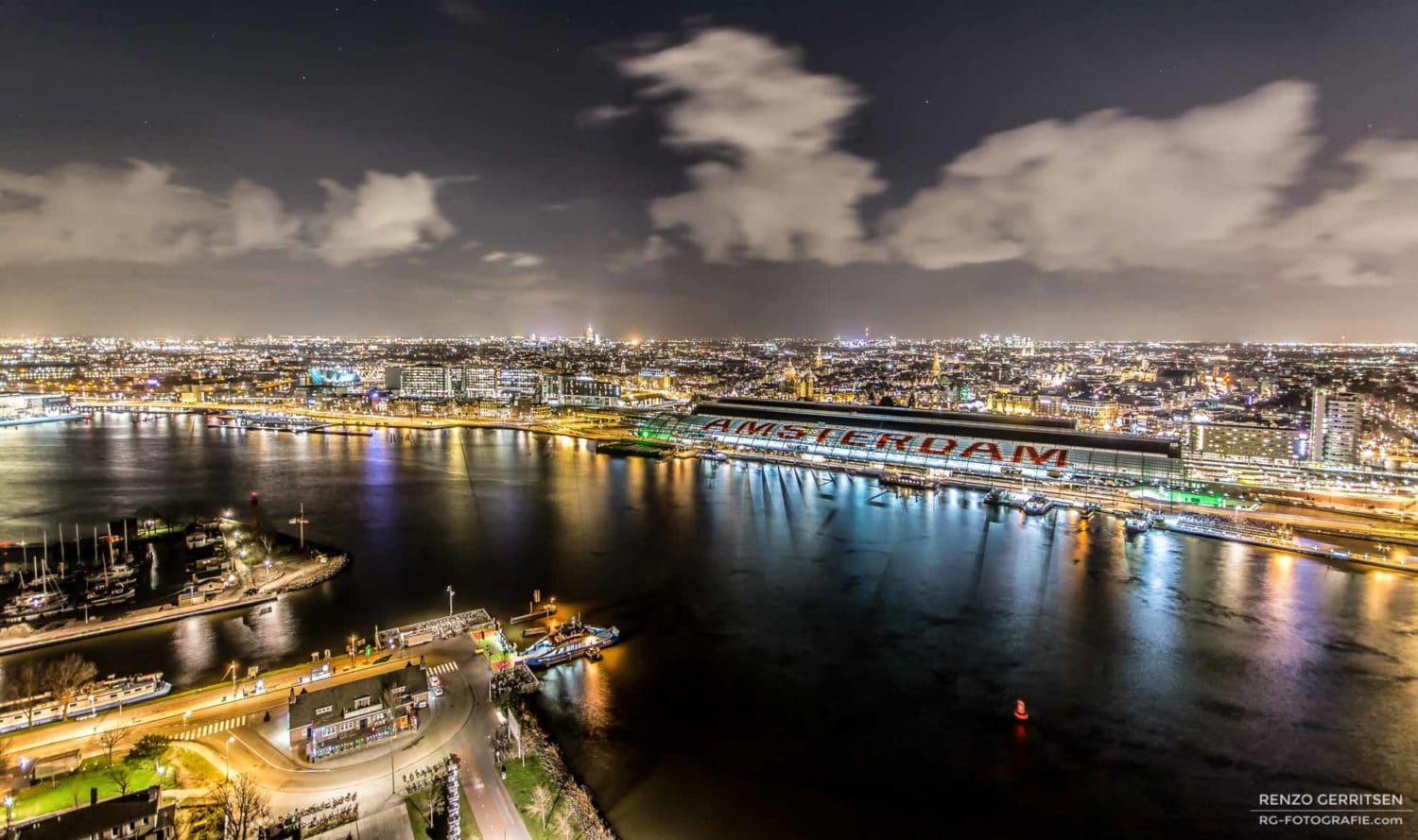
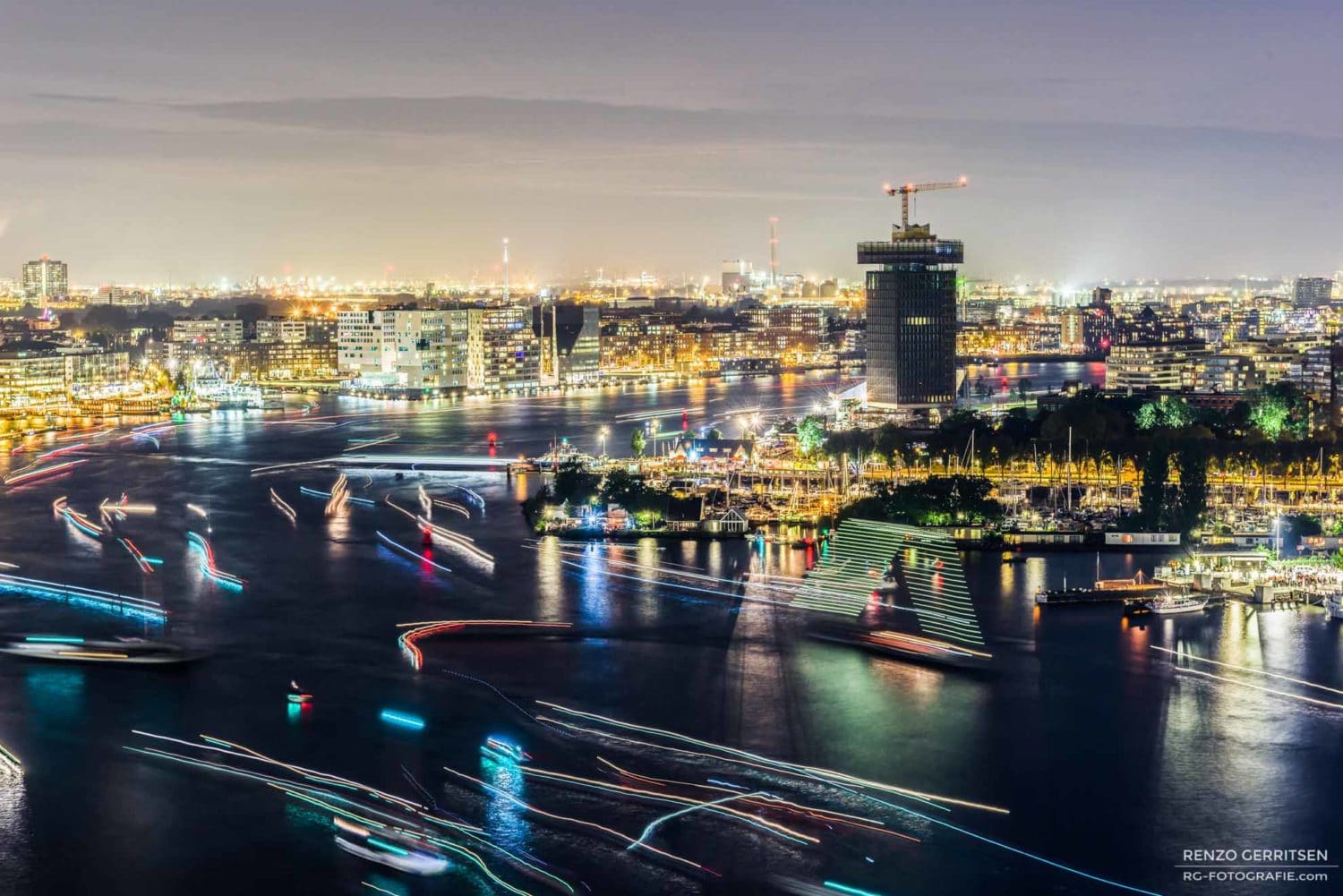
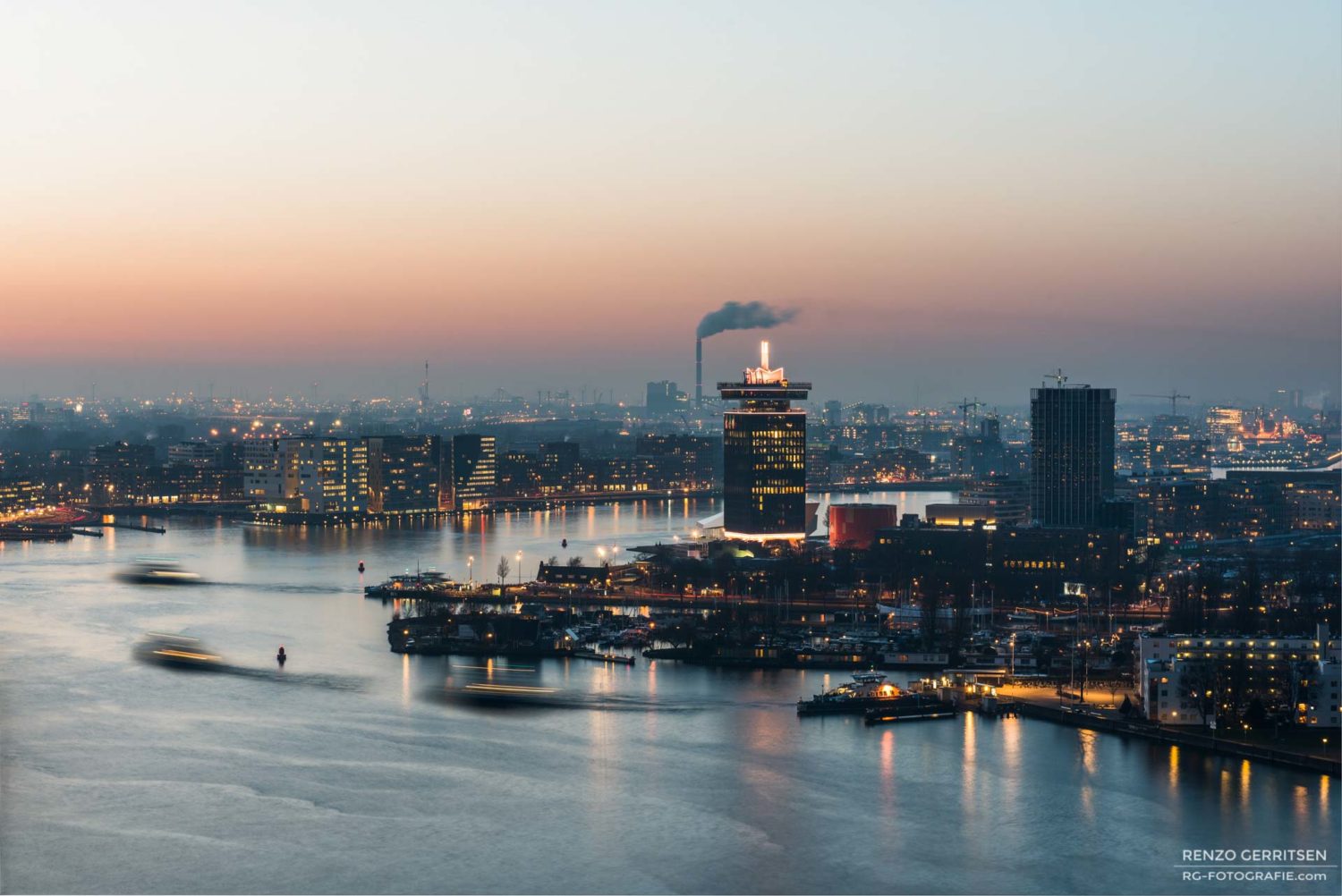
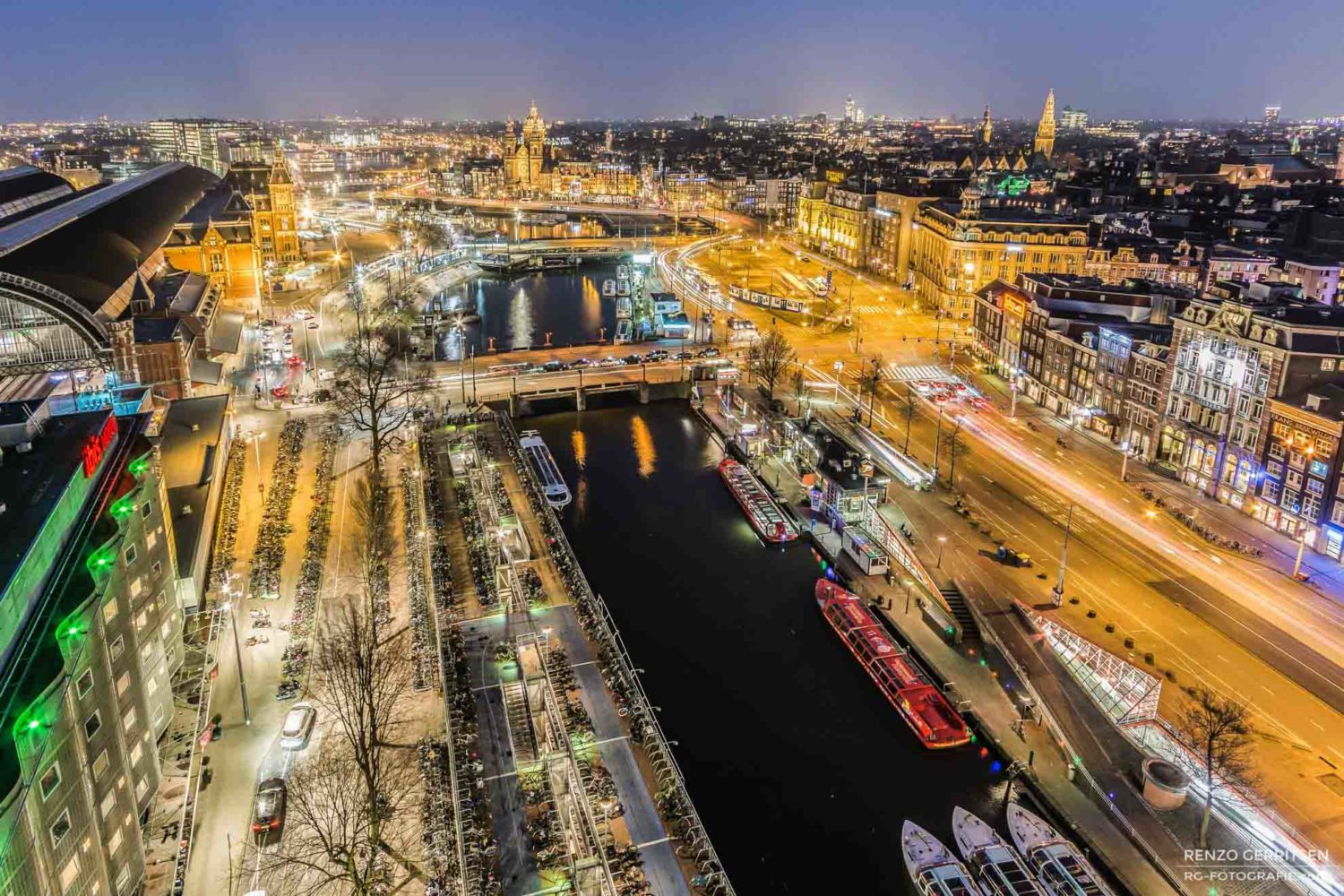
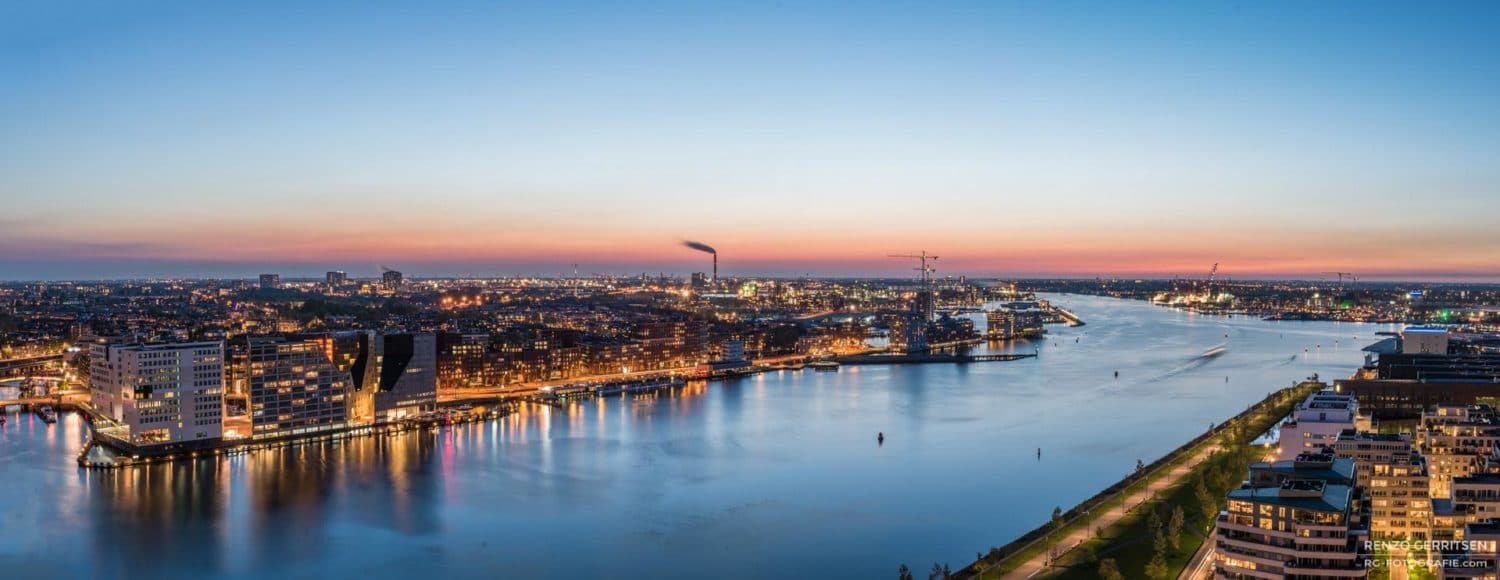
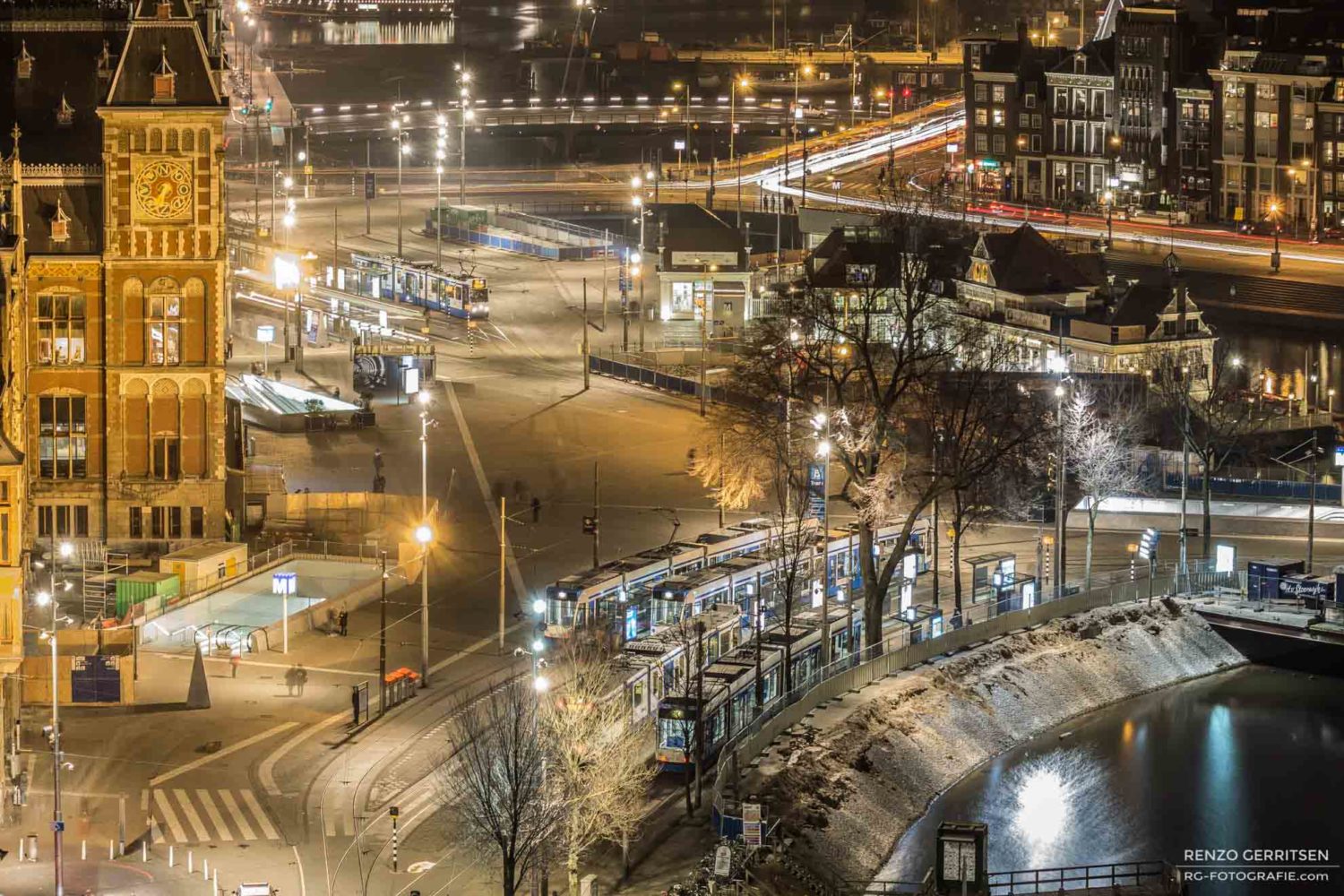
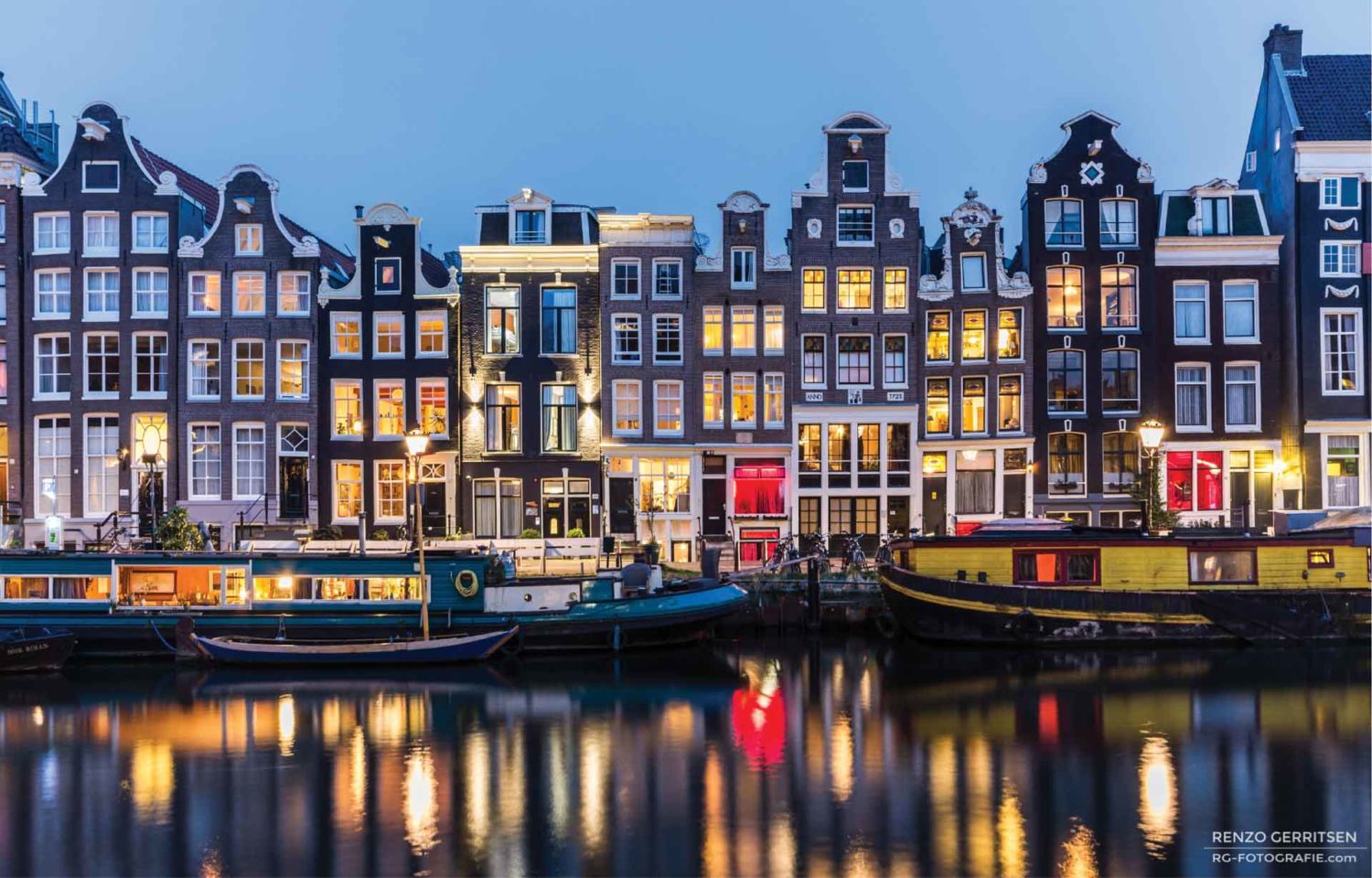
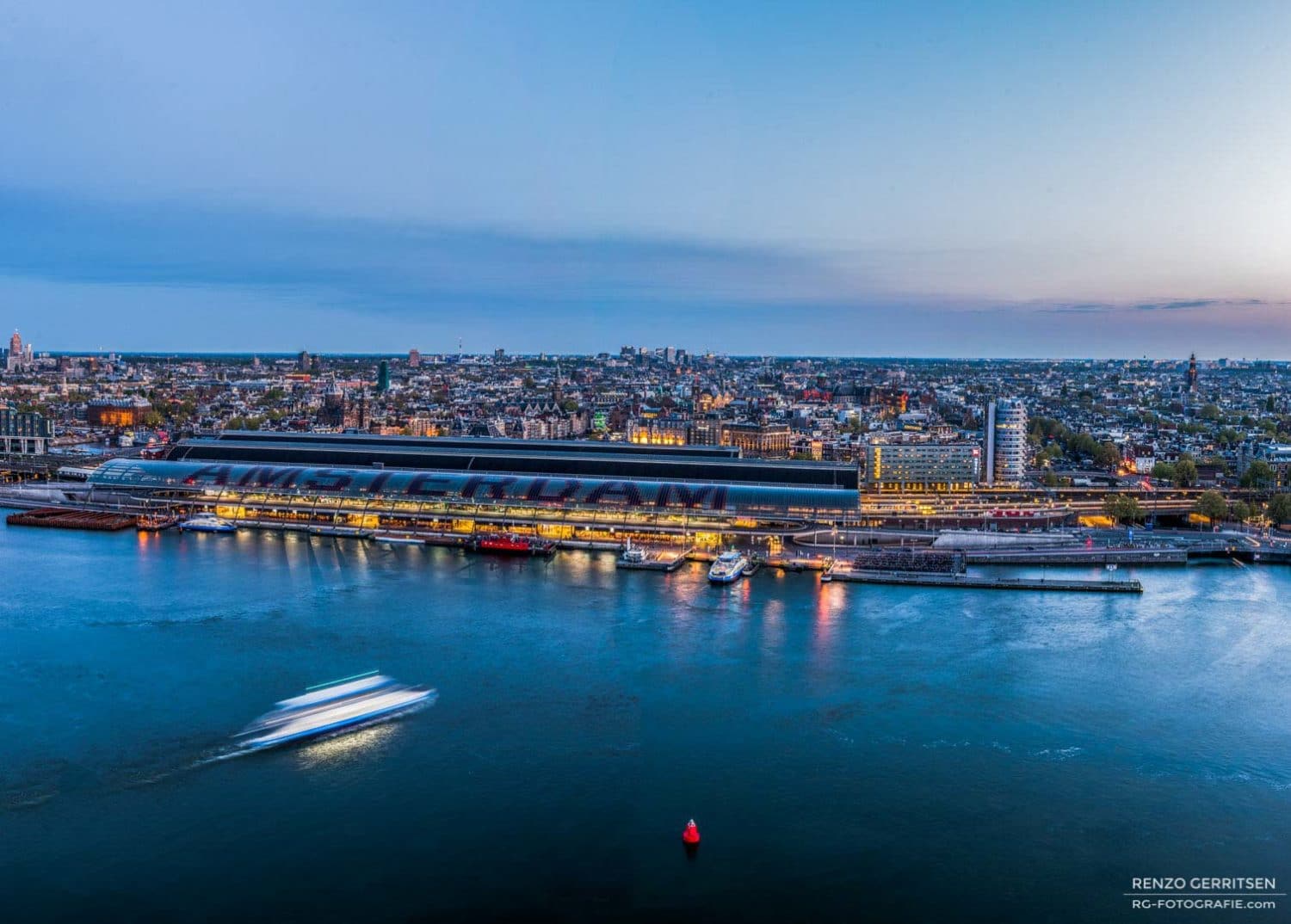
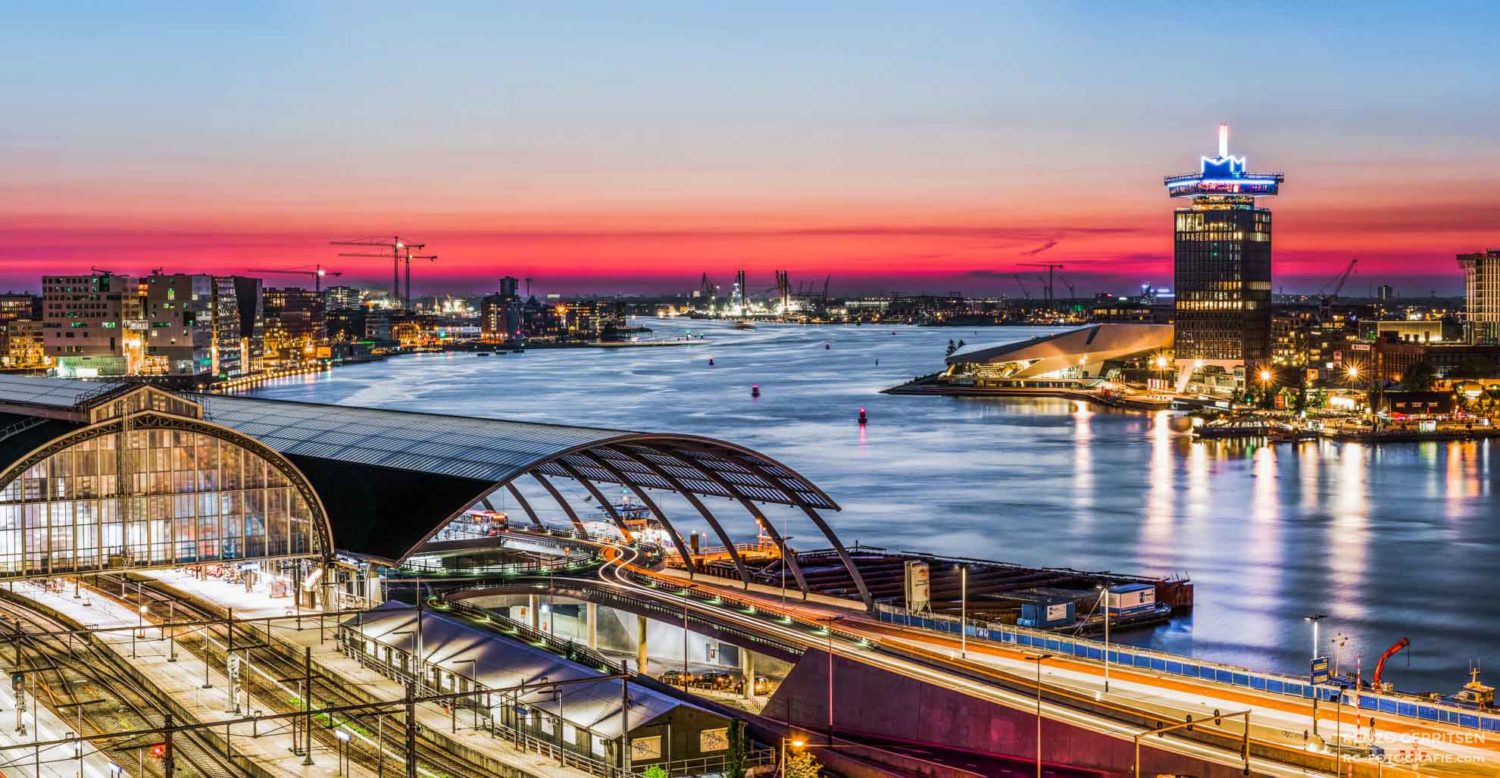
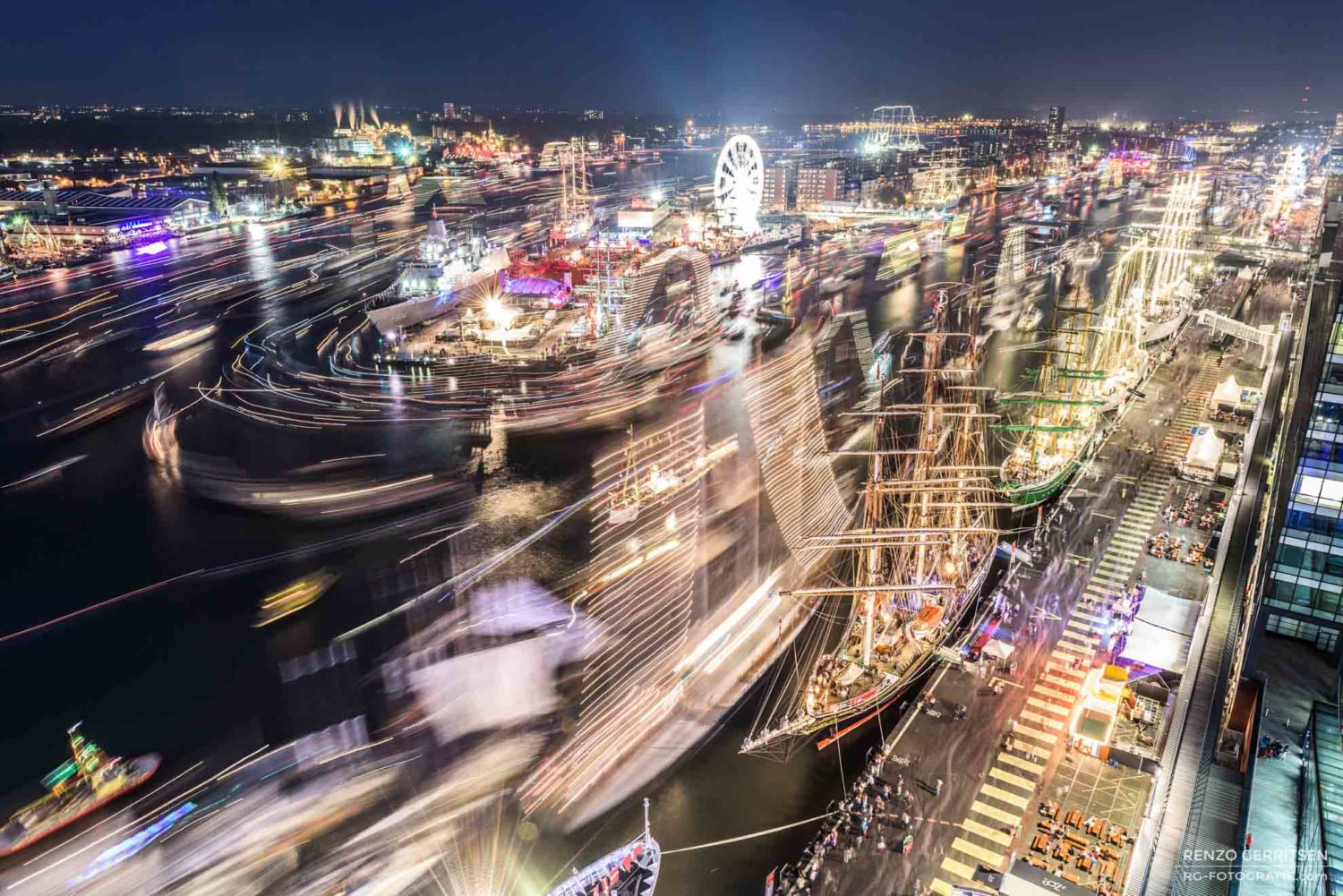
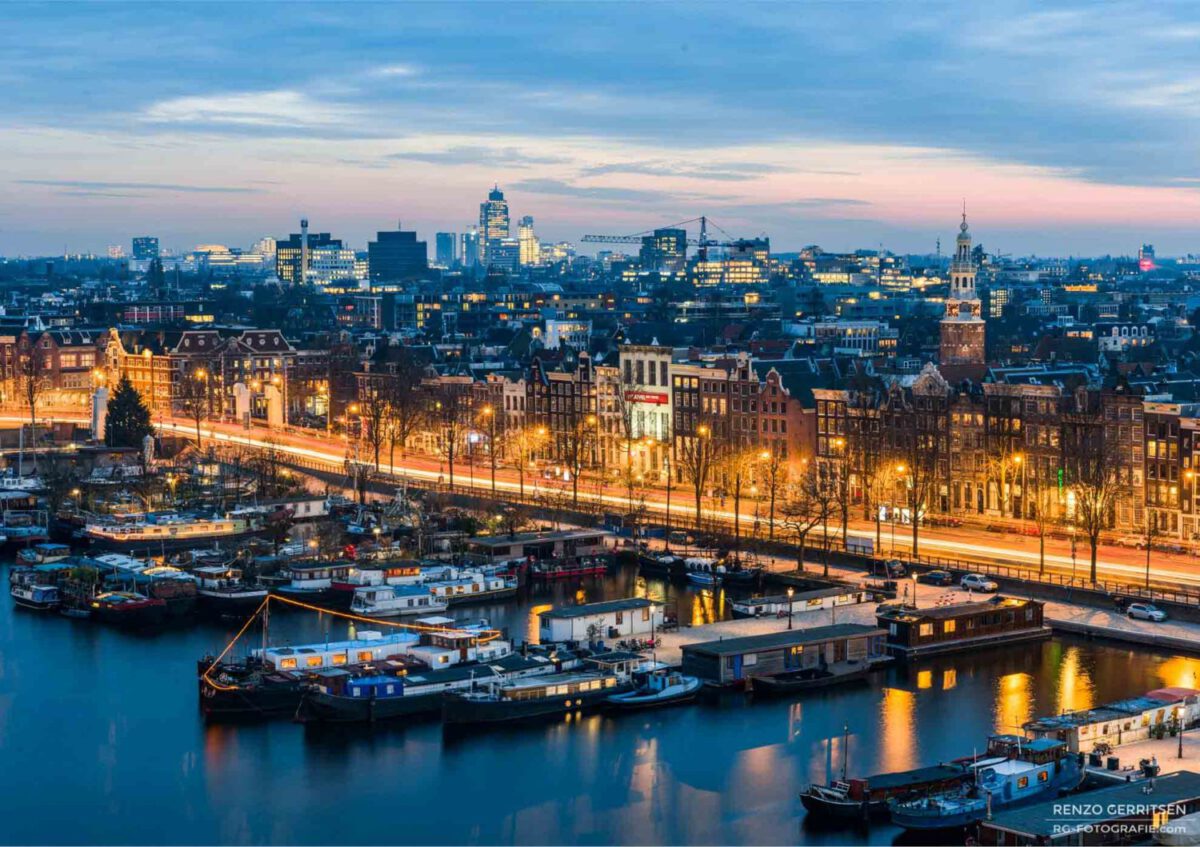
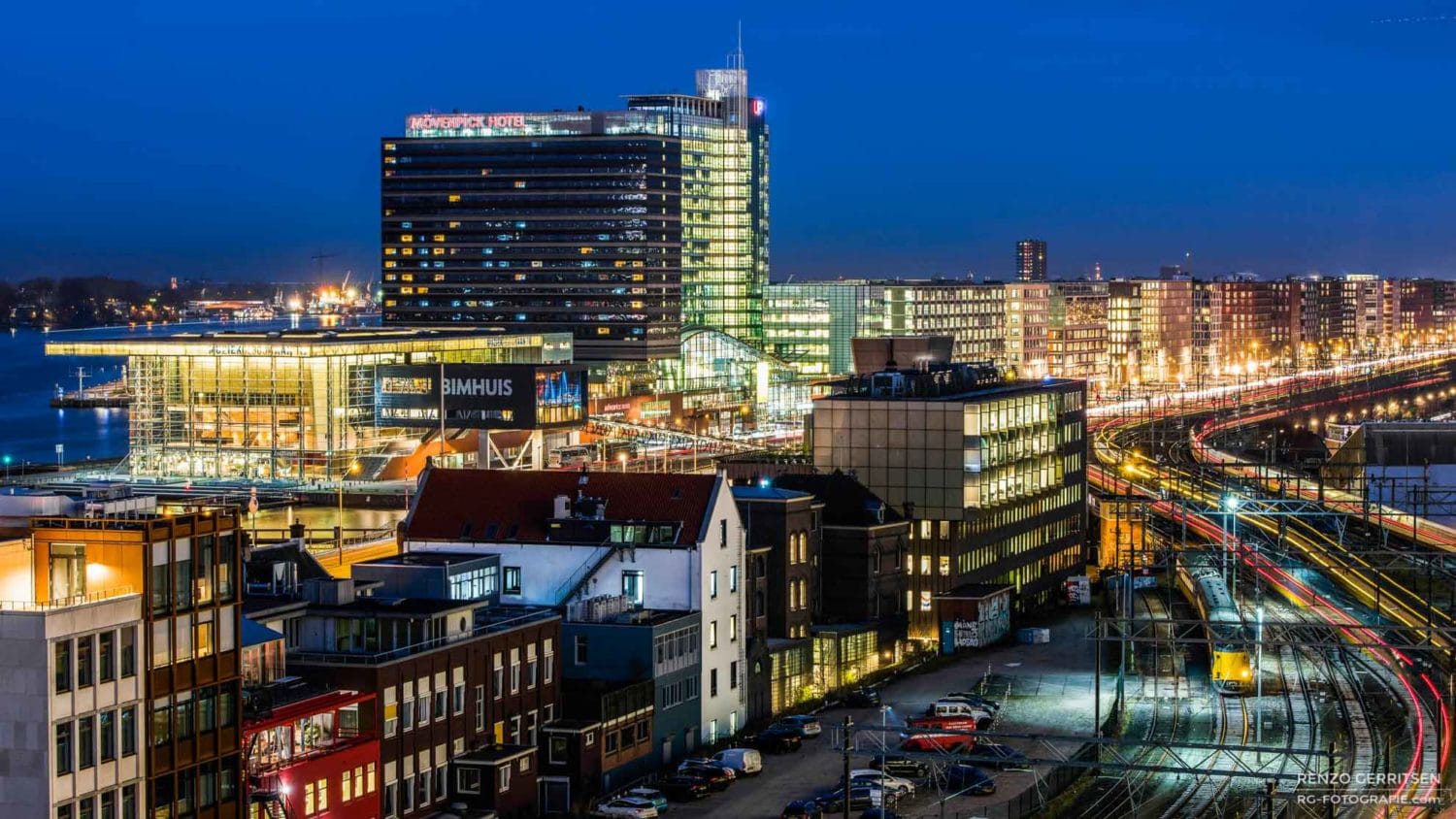
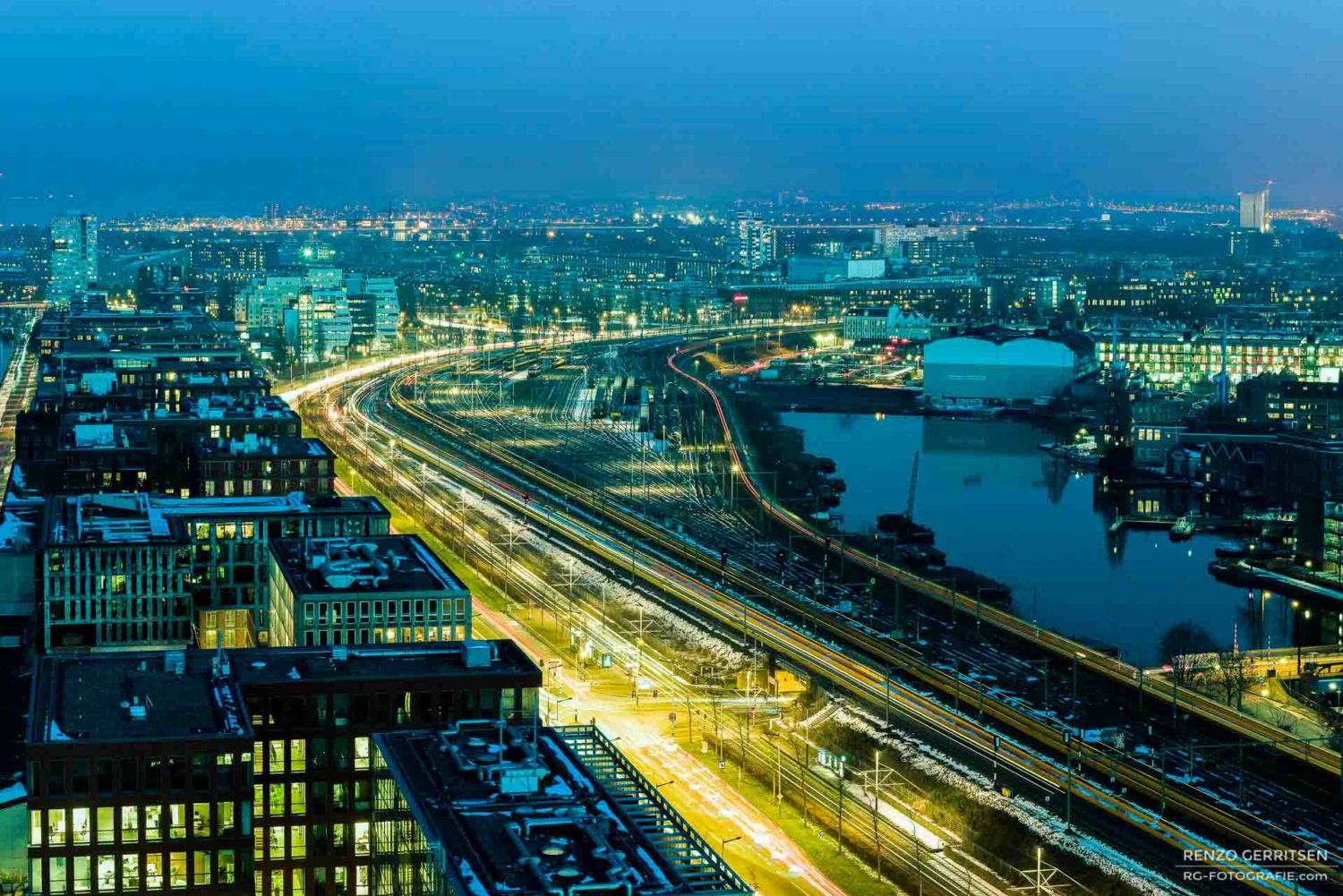
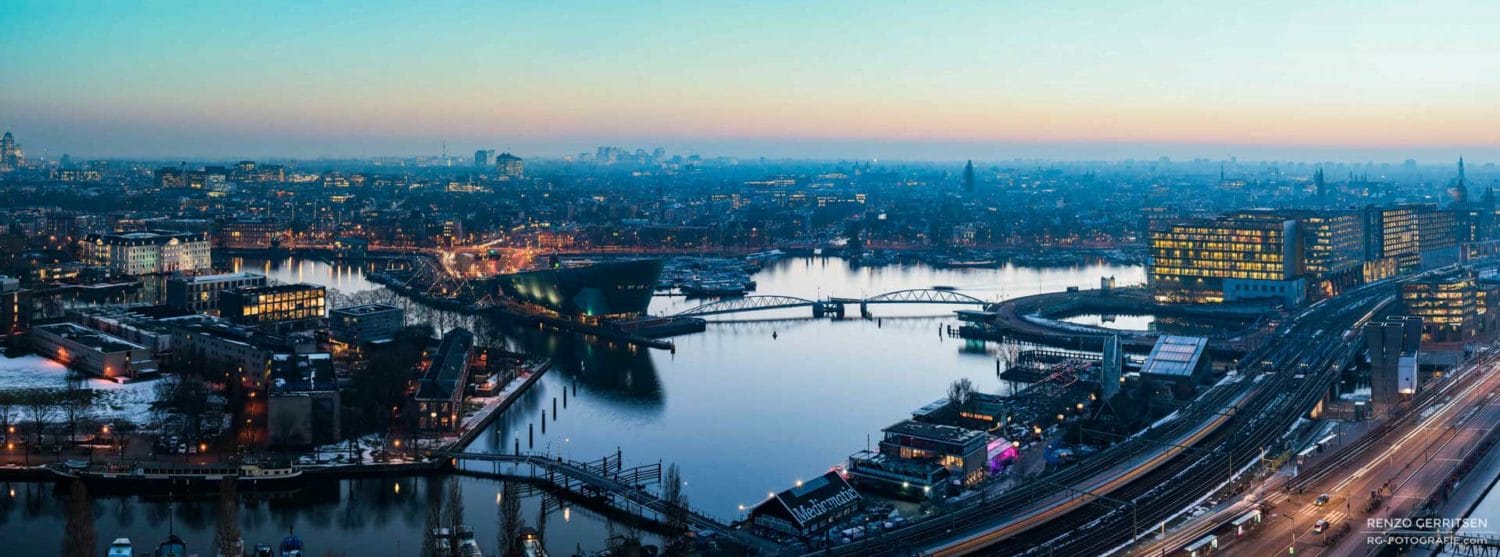
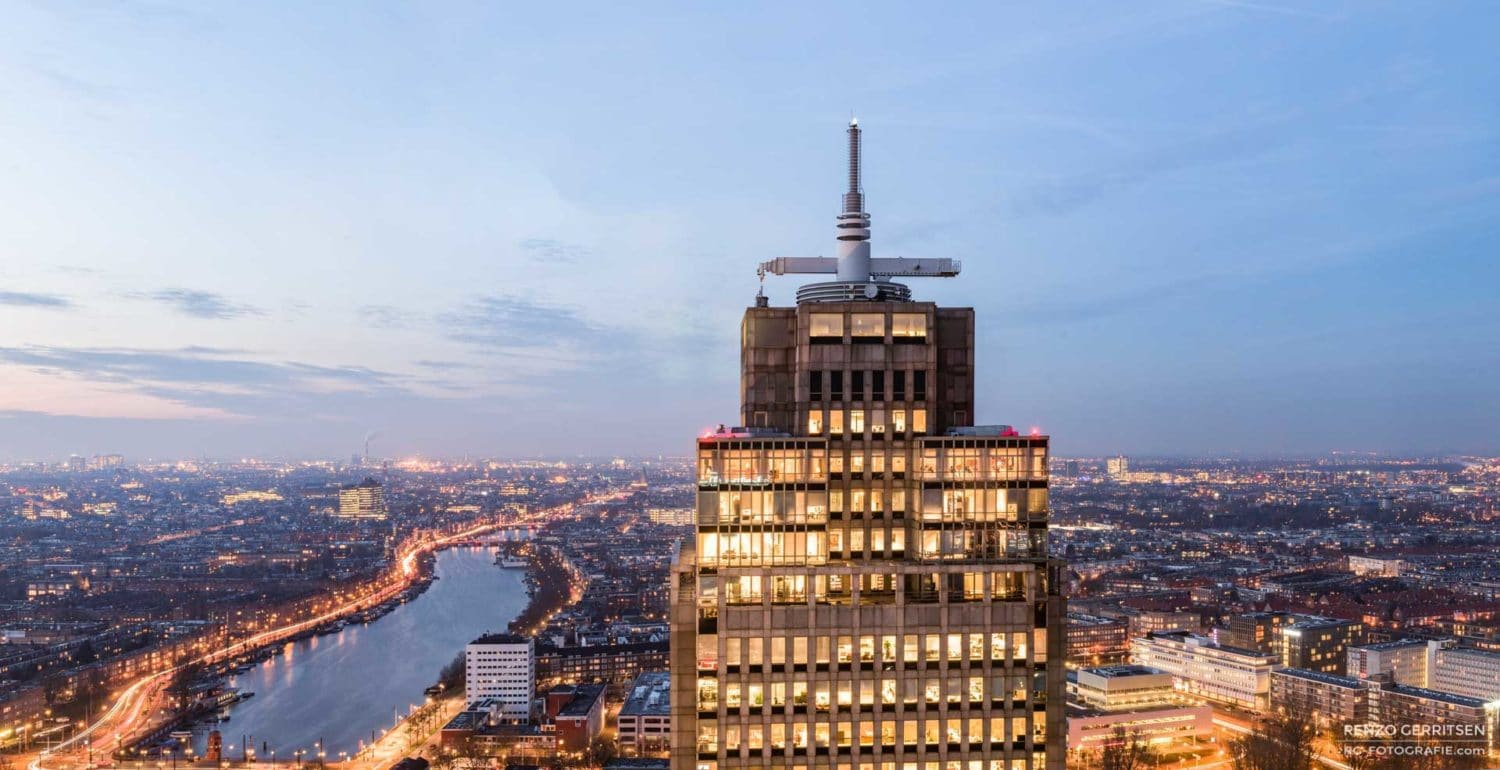
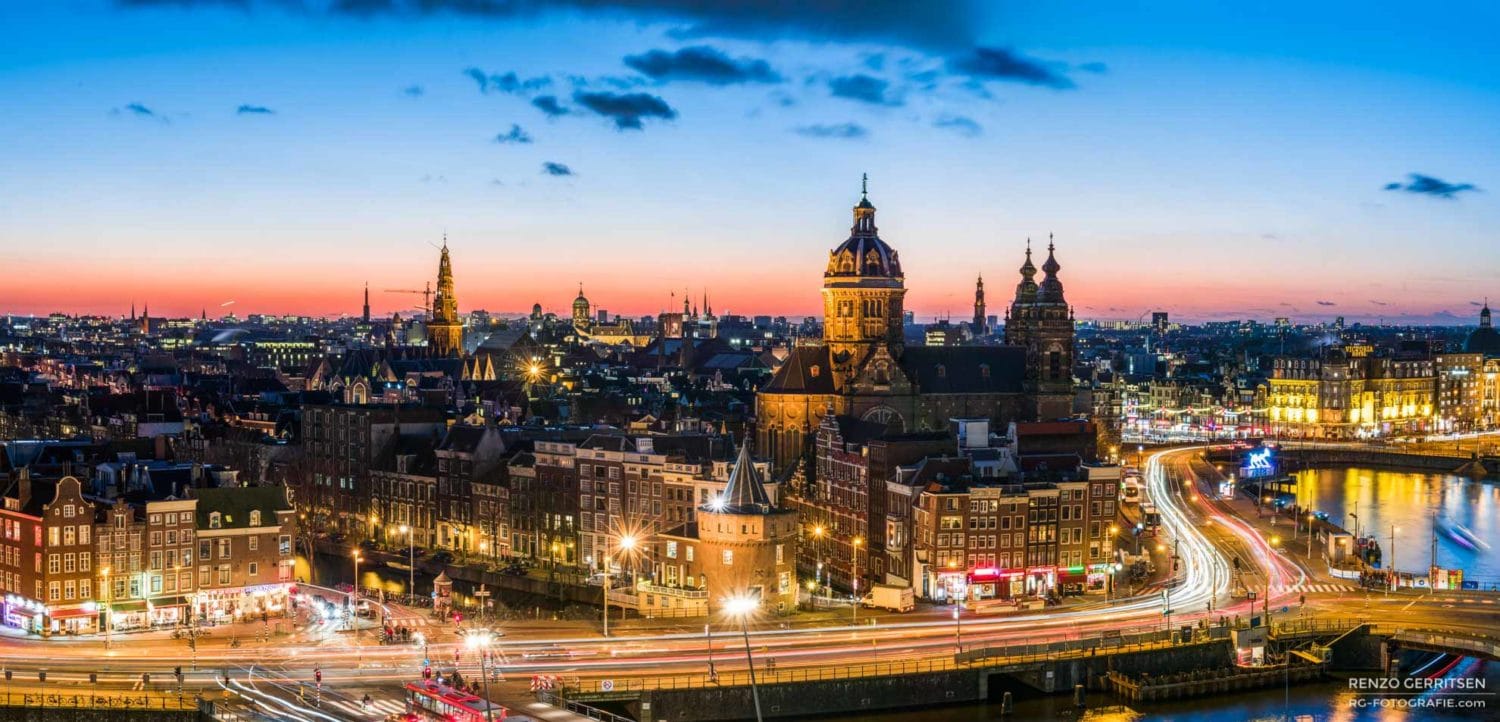
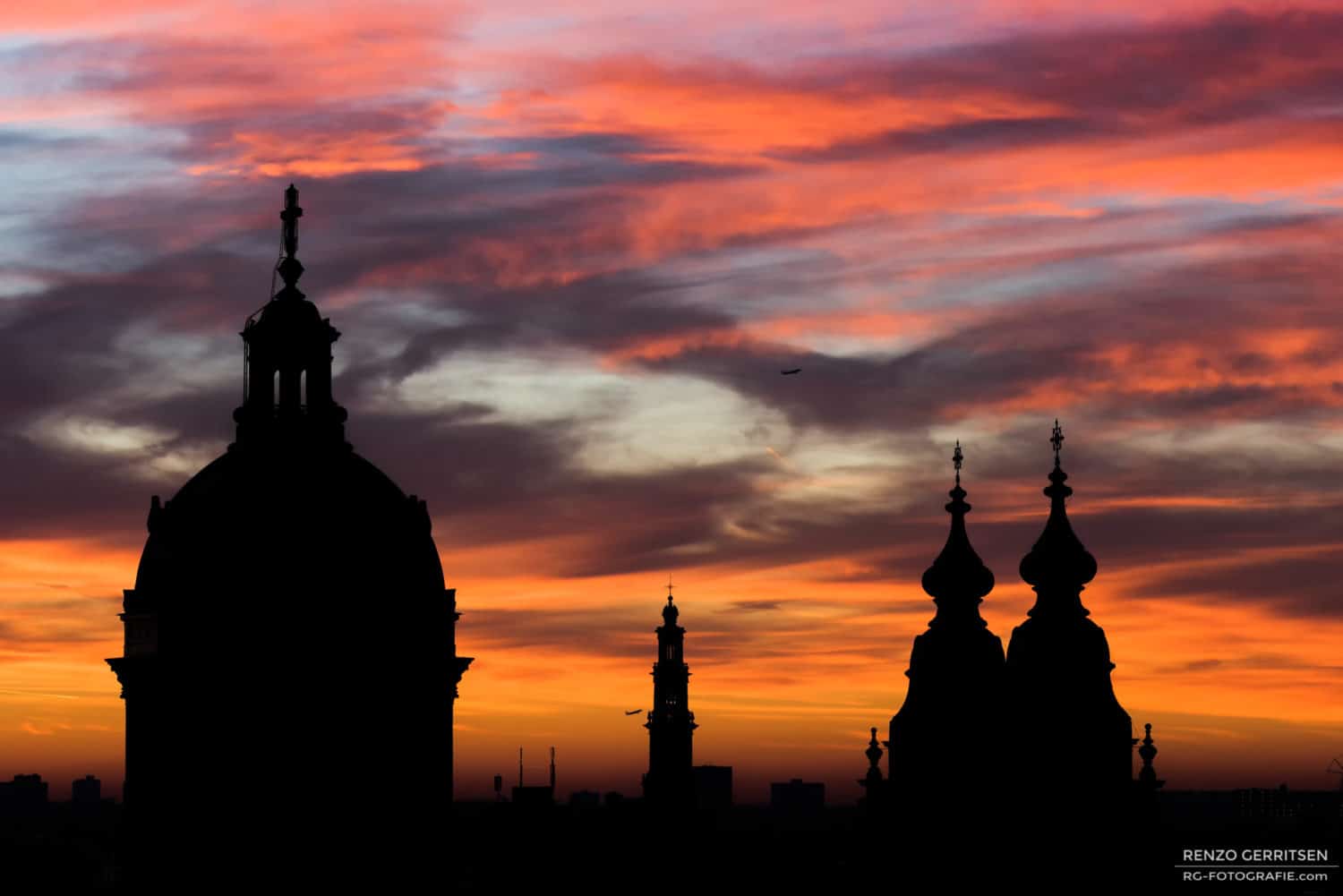
The world is filled with wondrously beautiful natural sites if you’re willing to go deep into forests, jungles and oceans. For those who are less stricken by the wanderlust required to see them however, there are a few cities in the world which can be equally striking with half the effort. Today we will take you on a tour of Amsterdam by Night, a city which has inspired many songs and artists throughout the years and which only grows prettier the darker it gets.
Enjoy the Amsterdam by Night ride:
So put on the below ode to Amsterdam by Dutch artists Acda and the Munnik, and enjoy these gorgeous pictures by Dutch photographer Renzo Gerritsen (check his wicked FB-page!)
Oh, before we forget – these photos may not be used without the written permission of Renzo Gerritsen. So no stealing people!
Amsterdam by Night: Old and New
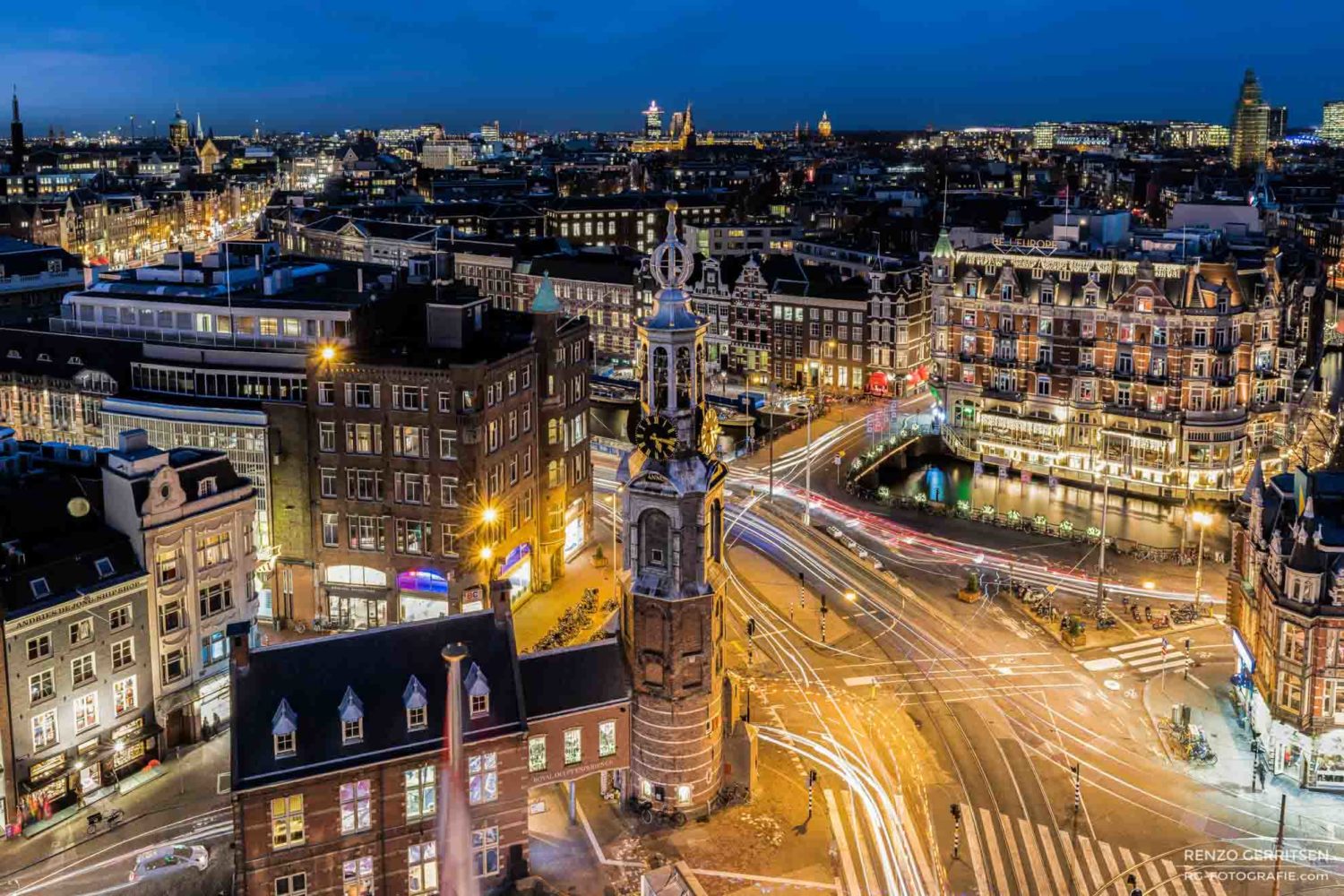
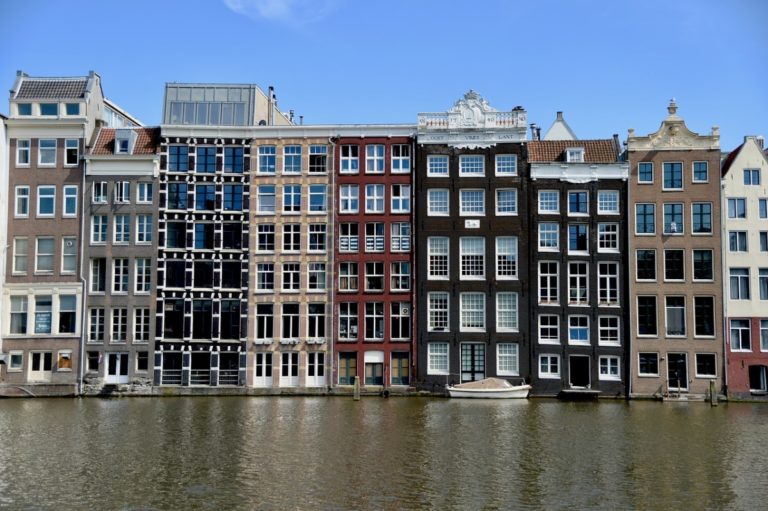
The combination of old and new is particularly striking in Amsterdam by night. Most of these houses were build during what the Dutch refer to as the “Golden Age”. They’re still some of the most sought after, and thus expensive, houses to live in in the Netherlands. In fact right wing populists have taken to referring to left wing politicians as “elites from the canal belt”. And who can really blame them? Looking at these photo’s we’re quite jealous too.
That’s is the Eye Filmmuseum, next to the ADAM lookout tower and right across the river from Amsterdam’s Central station, a mere ferry away! Currently there’s an ongoing exhibit on Martin Scorsese, which by all accounts is worthy of a visit for any film enthusiast! We were there for a showing of Tarantino’s Hateful 8, as this was one of the few theatres in Europe which showed it in 65mm!
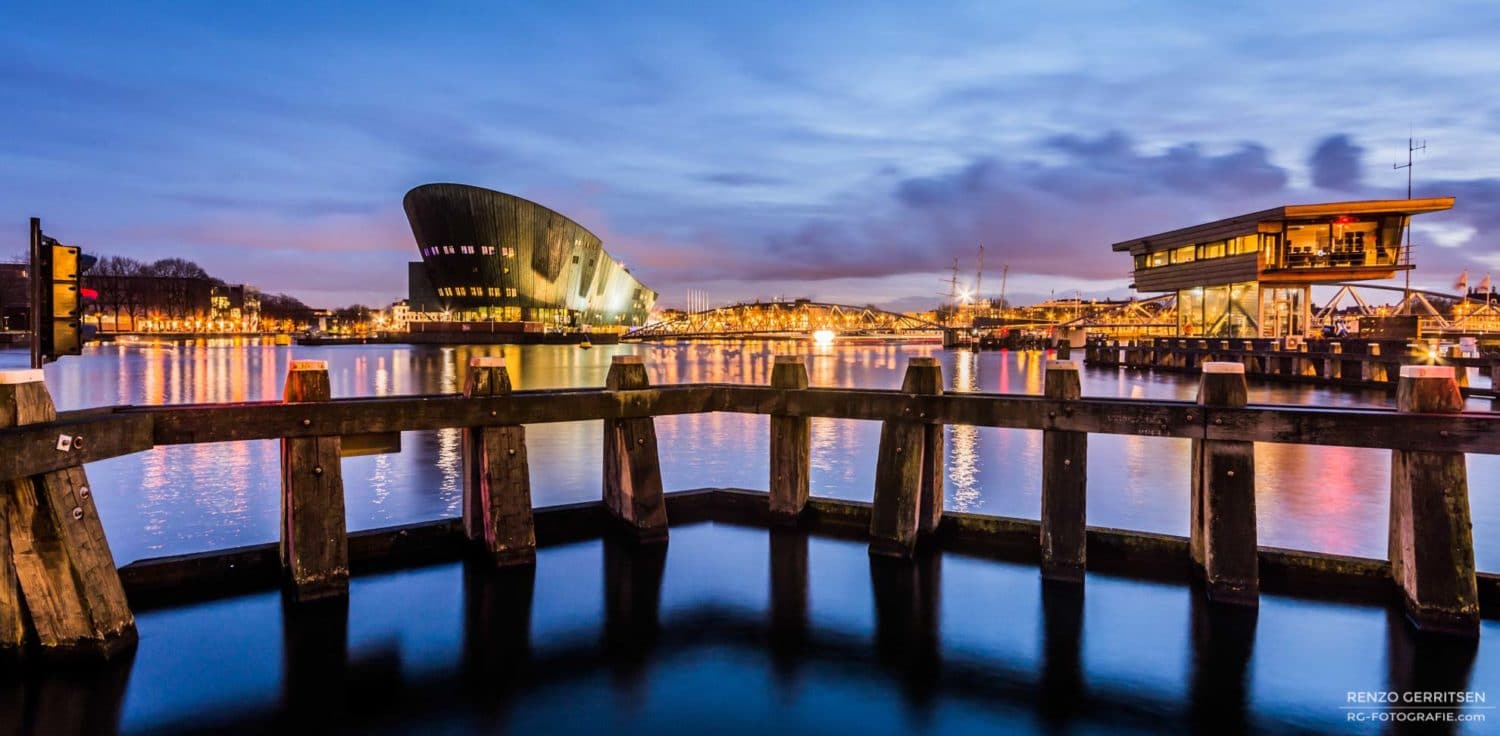
Nemo! Check out our report of this awesome science museum right here!
Train and tram rails run through most of the city, and while this may ruin some of the old aesthetic, it is quite practical. And if you know anything about the Dutch you should know; we’re practical before anything else!
If you’re interested in seeing more of Renzo Gerritsen’s work, and if you’re not interested by now we don’t know what’s wrong with you, check out the links below!
Een bericht gedeeld door DutchReview (@dutchreview) op
Liked this article? Be sure to follow DutchReview on Facebook in order to not miss out on any other good stuff! And let us know what you thought of these photos in the comments below!
Editor’s Note: This photo report was originally published on 08-09-2016 but updated for your reading pleasure on 11-10-19.
Interior Minister Kajsa Ollongren has announced that the Dutch government will not take measures to keep investors out of the housing market. However, she admitted that this was not “a future-proof solution”.
A study commissioned by the ministry, and carried out by the Land Registry and the University of Amsterdam, showed the effects of investors on the prices of houses in the Netherlands. One outcome of the study was that in certain regions- namely, Amsterdam, Groningen, The Hague, Utrecht, Rotterdam and Eindhoven, investors were paying less for homes than first-time buyers, or people moving house.
The effect of investors on house prices
In these regions, investors make up 20 percent of buyers. This is higher than the Dutch national average, which is 15 percent. And, critically, the influence of investors on house prices is visible when they make up only 10 percent of the total number of buyers.
What does that mean in practice? Well, if 10 percent of buyers are investors, house prices will be 3 percent more expensive, explains nu.nl. And the higher the percentage of investors is, the greater their impact on the price. When investors make up 25 percent of buyers, homes are 11 percent more expensive.
Minister: a causal link cannot be demonstrated
However, stopping investors from buying properties does not mean that house prices will automatically fall, the research shows. Other factors also influence the house prices of a neighbourhood, such as the attractiveness of the area. On these grounds, Minister Ollongren argued that a causal link between investor purchases and house price increases cannot be demonstrated.
More new houses should be built
She also believes that investors are needed for a healthy housing market. “They provide capital to build new homes and, in recent years, [they] have led to an important development in the mid-rental segment [of the market].” For the minister, the answer to housing shortages is to build more new houses, rather than stopping investment.
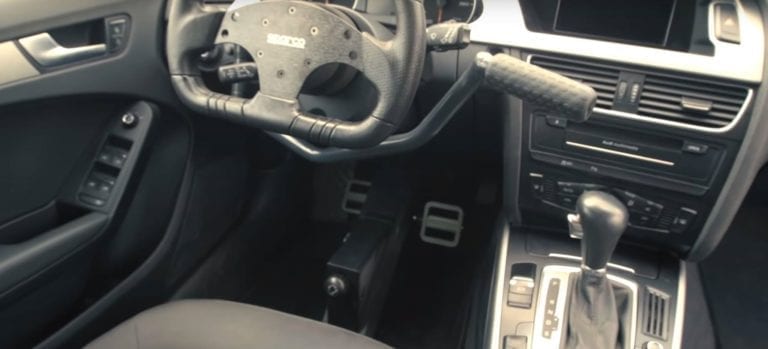
We know the Dutch love bikes, but sometimes they have to settle for a car instead. So what did they do? Create a pedal-powered car! Dutch engineering company BPO have worked with Saudi Arabian inventor Nasser Al Shawaf to construct the prototype of a FitCar PPV (Pedal-Powered Vehicle).
Nasser Al Shawaf first came up with the idea of a pedal-powered car when he was commuting to work. He wanted to do something more productive with his time. When he first commissioned BPO to help him, the founder, Oscar Brocades Zaalberg, admitted he was hesitant to agree to the challenge.
How does the car work?
Both the company and Nasser are incredibly proud of the results. It’s basically a car with bike pedals and a hand-operated brake. When you start pedalling, the accelerator is triggered, powering the normal engine. The car comes with three simple settings: Drive Fast, Drive Slow and No Drive. Their studies suggest a calorie burn-rate of more than 300 per 30 minutes!
How safe is it?
Holland might be the perfect place to introduce the car first, seeing as the Dutch are so used to cycling every day anyway, but some people are wondering how safe this will be. The company is patented across the world, but it still waiting for RDW approval in the Netherlands to finally get on the road.
Meanwhile, why not read about the new ban on texting whilst cycling, the new answer to congested bike-parking or check out our other articles on Dutch transportation?
So, are you someone who feels completely restless whilst sitting in traffic and could benefit from a little exercise during that time? Or are you thinking, “Sure, nice concept, but couldn’t this get old pretty quickly?” Let us know in the comments below!
Feature Image: FitCar PPV/Supplied Editor’s Note: This article was originally published October 4 2018. We’ve fully revised and updated it with the latest information October 11th 2019.