

There is a little joke we make in India: “First comes the software boom, and along come our countrymen.”
When I arrived at Schiphol five years ago, I had no idea this country of windmills would soon make space for so many Indians like me.
Thanks to growing computerisation and open borders, today the Dutch cultural sphere is brightened by the colourful Indian diaspora.
But this connection is anything but recent. There is a long history between the Netherlands and India, from before the advent of any computer prototype.
A blast from the past
Many people know about the Netherlands’ history with Indonesia, but few talk about its relationship with India.
Back in 1602, voyagers of the Dutch East India Company (VOC) camped on the shores of India for a solid 200 years.

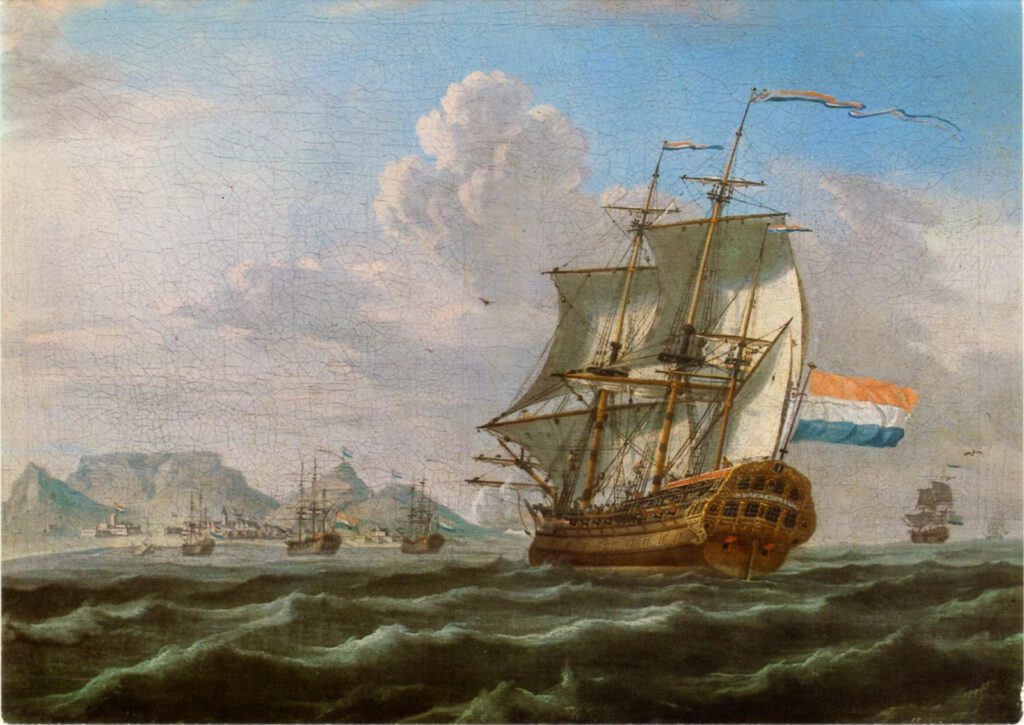
While other colonial powers pushed to gain political control, the VOC was mostly after gold, business, deals, and fortune.
READ MORE | The Dutch East India Company was richer than Apple, Google, and Facebook combined
Textiles and spices made the biggest buck for Dutch traders as they acquired larger parts of the country. They employed local labourers and transported goods to trade with other countries.
That is how an entire generation of people of Indian origin came to live in Suriname and subsequently in the Netherlands.
A Dutch-Indian love story?
While “doe normaal” feels almost like an anthem, this story about the Dutch is filled with drama!
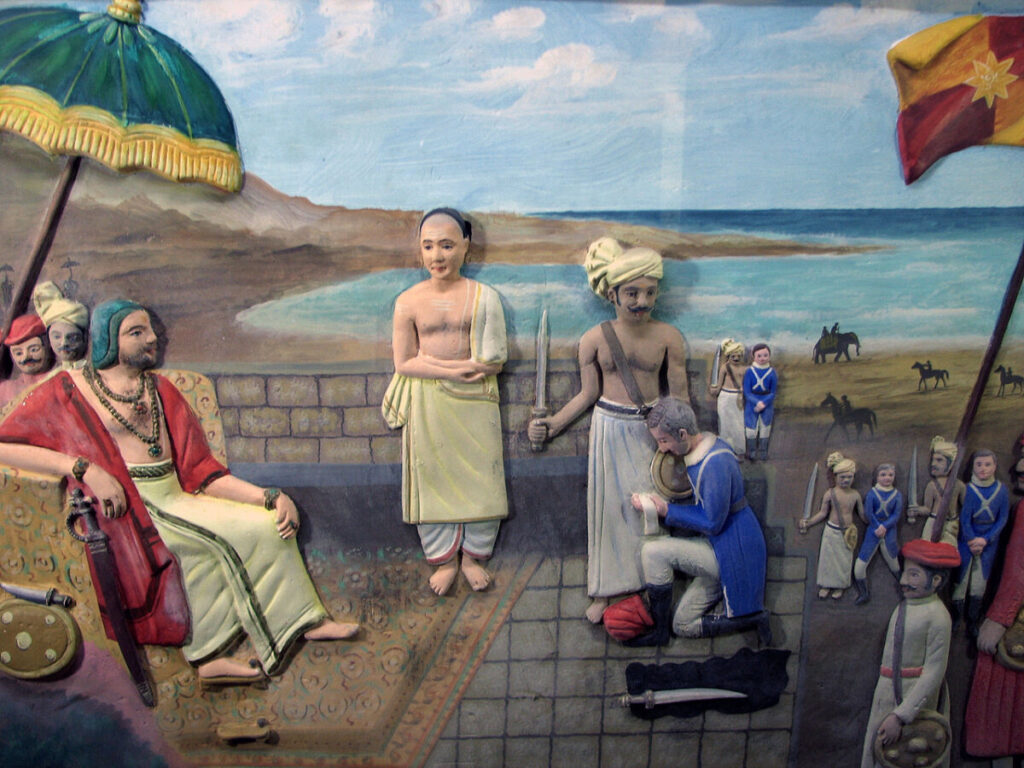
Once upon a time, a Dutch commander with the VOC, called Eustachius de Lannoy, led an attack on the Kingdom of Travancore in South India.

His forces were defeated by Maharaja (King) Marthanda Varma, marking a rare instance of an Asian kingdom defeating a European power’s attempt at colonisation in open battle.
Instead of executing him, the Maharaja spared de Lannoy and made him a top general in his army.
Here’s where it gets interesting…
The lover of de Lannoy was a woman named Margaret, who lived in the British-controlled territory of India and wasn’t allowed to marry him.
That is where the Maharaja stepped in, and Marthanda Varma threatened to send his army if Margaret’s parents didn’t agree to the union.
As it happened, de Lannoy and Margaret lived happily ever after. (Perhaps this is where Bollywood got its inspiration from!)
An interculinary coupling
Talking about love stories, how can we overrule the lowlanders’ love for bread?

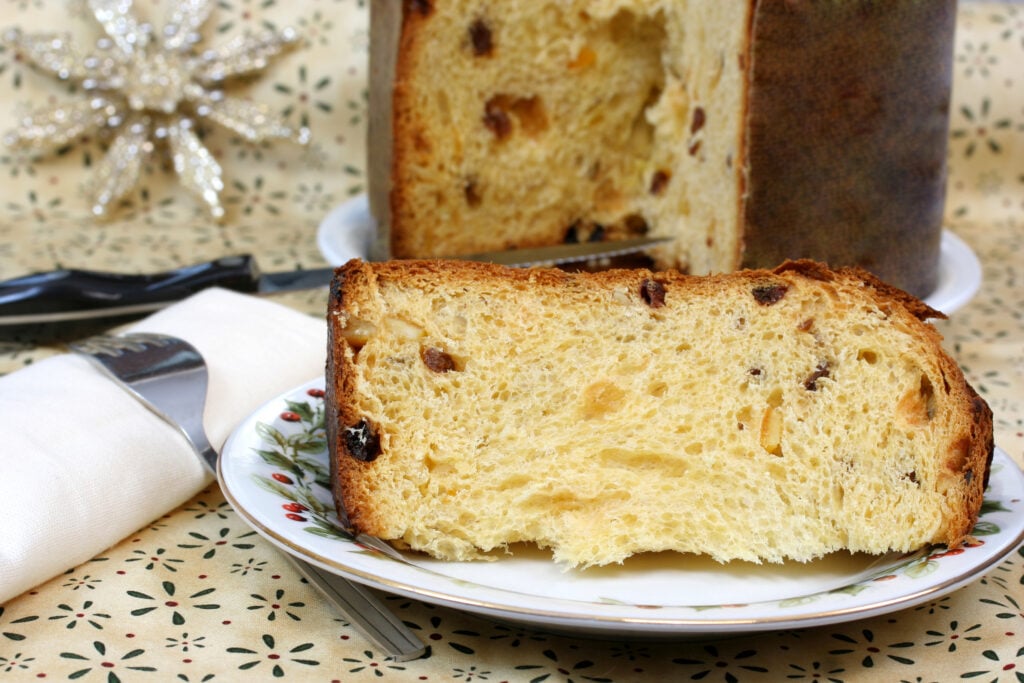
Did you know that the mundane ontbijtkoek is a celebratory breakfast on feestdagen for certain ethnic communities in parts of India and Sri Lanka? 👀
Breudher (like brood) is made with flour, butter, eggs, spices, raisins or sultanas, and sometimes candied citrus peels to lend extra flavour.
The result is dense bread that tastes like cake and can be eaten steamed or straight-up with a slice of cheese. 😋
Where the Dutch have been, so have poffertjes; the dish that disguises itself as breakfast, snack and dessert.
Many countries in Asia practice this love for baby pancakes, albeit with different names and forms.
However, India has its own version of this Dutch delight, and their take is even more varied.
Paniyaram is popular in the south of the country, which celebrates rice, spice, and everything nice. It goes by several other names in every part of the country.
It is made with a fermented rice batter, sweetened with brown sugar, and spiced with cardamom.
The batter is shallow-fried in an indented pan with clarified butter to make delicious golden-brown balls, not too different from poffertjes.
READ MORE | What’s it like living in the Netherlands as an Indian, you ask?
No sweet tooth? There is also a savoury version that uses intensely hot chilli peppers, ginger, and coriander.
Whether the former colonies twisted a Dutch classic or if the Dutch twisted a local classic, it is safe to assume that most of humankind agrees on one thing — fried bits of dough taste divine.
The Netherlands and India today
While all these commonalities and history are interesting, Indians today are just as enamoured by Nederlanders.
Many now choose to send their kids to Dutch-medium schools, celebrate Sinterklaas and gobble pepernoten by the dozen!
Did you know about this secret affair? Tell us your thoughts in the comments below!


Hi,
I found your blog truly intriguing as I am working for a Dutch organisation – Vanderlande and your blog encouraged me to organise events where we can show the Indo-Dutch cultural similarities.
Warm regards,
Amar
Hi Amar, thanks for your kind words! We hope to keep it up 🙂
Nice Article, good work! But history has been over simplified.
They “employed” labourers, and transported and traded with other countries.
That is how an entire generation of people of Indian origin came to “live” in Suriname and subsequently in the Netherlands.
It was not that simple, nor was it that romantic as it sounds!