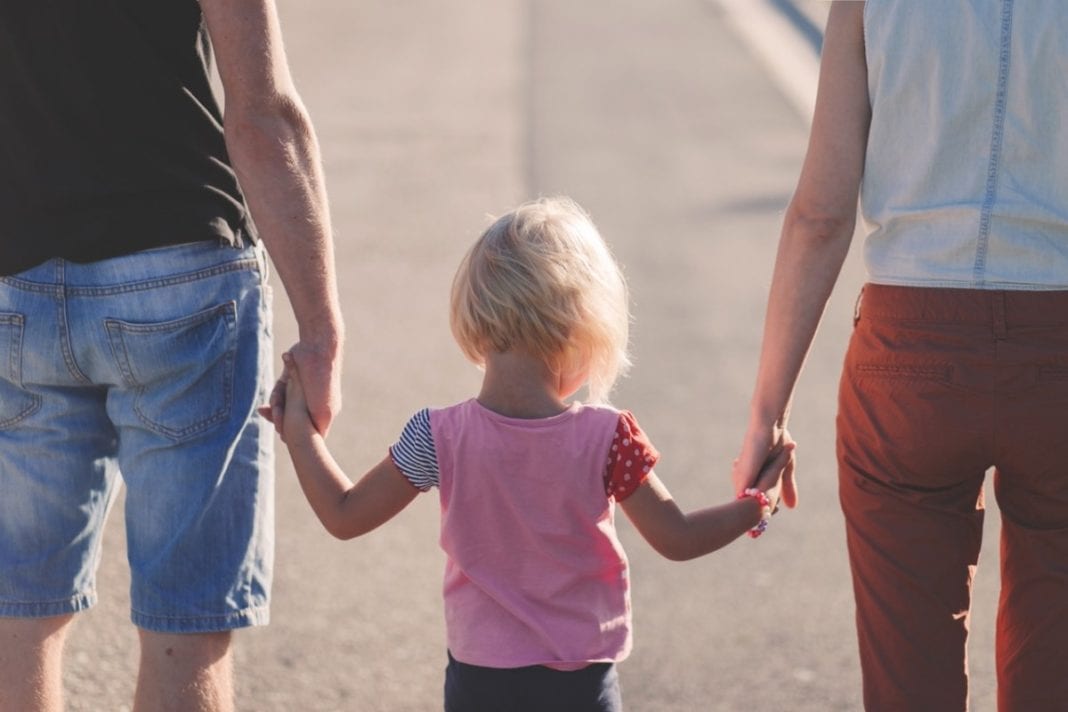

A plan to increase the maximum of parents in a Dutch family from two to four has failed to pass in the Dutch cabinet. Despite being in talks for years, the decision was handed down this afternoon, a blow for an increasing number of multi-parent families.
The final decision ignores the recommendation of a state committee which advocated for four legally recognised parents in 2016. Stepparents, foster parents, surrogates, and other family members raising children will be affected the most, particularly children of a gay or lesbian couple with the ‘rule-of-two’ set to stay.
Although it looked like an agreement was reached and several websites reported so, the cabinet has shot down a proposal to allow multiple parents in one family. It seems that the ‘liberal’ VVD and D66 have caved in for the ‘Christian’ CDA and CU.
What Will Happen for Dutch Multi-Parents Families Instead?
Instead, these ‘informal’ parents will need to make do with a form of parental authority, instead of a parental rights, NU.nl reports. This will be the only accommodation for the new types of families that have been emerging and becoming increasingly common over time.
For simple matters, those with parental authority will be able to get information from the school, or take the child to the doctor. However, when it comes to more complex issues, such as radical medical treatment, only the two legal parents will be allowed to make the decision.
If the two legal parents die, the guardianship of the child or children will not automatically transfer to the ‘informal’ parents. However, they will receive a preferential position when considering the new legal guardians.

New Rules for Dutch Surrogate Mothers
In the same meeting, the government chose to implement a new scheme for surrogate mothers used in instances where couples cannot have children. Currently, the surrogate mother is the legal parent, but under the new regulations this role would pass on to the intended parents – following a court decision, of course.
For adopted children, children of surrogate mothers, or children conceived via donation, another decision today gives them access to a new central register to discover the biological descent.