


While renting in the Netherlands generally comes with tenant protection, there’s still plenty of legal wiggle room for landlords to do some utterly bizarre things.
If you’re actively looking for a flat to rent in the Netherlands (or you’ve just been here a while), you’ve probably had your fair share of “Wait, that’s LEGAL?!” moments.
Needless to say, some of these practices are genuinely dodgy and illegal. Others are perfectly legal, albeit incredibly perplexing from an international’s POV.
Let’s run through five of the weirdest things we’ve either personally experienced (or had our wonderful readers complain to us about).
1. They can rent you a flat with no floor
Forget renting a flat with no furniture; have you ever tried renting a flat with no FLOOR? And no, we aren’t talking about some bare patches on your laminate…
Dutch rentals are frequently handed over kaal (bare), which under Article 7:224 of the Dutch Civil Code, means that a tenant must hand the property back in the same condition it was received, minus normal wear and tear.

While it isn’t awfully common, some tenants will recover everything they’ve put into furnishing their accommodation — flooring included.
If you’ve already signed the rental contract on one of these flats, don’t look to your landlord to provide some laminate before you move in.
As my best friend learnt while navigating the Dutch rental market, more often than not, you’re in do-it-yourself territory.
2. They can ask you to buy the last tenant’s ratty sofa
Fancy buying a sofa older than your entire bloodline, that may or may not host a happy family of mice? Nee? Well, too bad, because your prospective landlord may forcefully… err, we mean “gently”, coax you to buy it.
READ MORE | 11 things that will surprise you about renting in the Netherlands
Welcome to the wonderfully weird world of overnamekosten (takeover costs), where the previous tenant can offer to sell you their furniture, curtains, or half-dead potted plants before they leave.

As Woonbond notes, you are “not obliged to take over these items, whether for payment or not”, but that doesn’t stop some Dutch landlords being pushy — especially if the previous tenant is in a hurry to leave.
3. They can hold a deposit worth two months’ rent
Before you’ve even spent a night in the place, you can be asked to hand over a deposit worth two months’ rent.
It’s a lot of money upfront, especially for the kind of accommodation that would make Harry Potter’s room under the stairs seem palatial in comparison. And the weirdest thing is, it’s completely legal.
Since July 1, 2023, the Dutch government has capped the waarborgsom (security deposit) at a maximum of two months’ basic rent, which must be repaid to you “within 14 days after the end of the lease.”

In theory, the landlord is “permitted to use (part of) the security deposit to offset unpaid rent or damage caused by you”, and deduct cleaning costs if you haven’t “left the property in a tidy condition.”
READ MORE | Rental deposits in the Netherlands: how to get your cash back

In other words, legally, there are four main costs your landlord can deduct from your deposit:
- rent arrears,
- service charges,
- damage to the rental property for which the tenant is responsible,
- and an energy performance fee.
This legal wiggle room often makes getting your deposit back harder than drawing blood from a stone, because some landlords can (and will!) negotiate for every euro.
Good to know: If your landlord deducts any amount from your deposit, they’re legally obliged to inform you in writing and provide you with a full breakdown of the costs. No letter and cost breakdown? You can contact Het Juridisch Loket for free legal advice.
4. They can rent you a flat and make you the handyman
Have you ever awoken to the steady drip-drip-drip of a water leak from a broken showerhead? Or stumbled home after a night out and flicked on the light switch… only to be greeted by pitch darkness?
If you’re renting a flat, surely handling a broken showerhead and a burnt-out lightbulb are your landlord’s responsibility, right? Well, not quite.
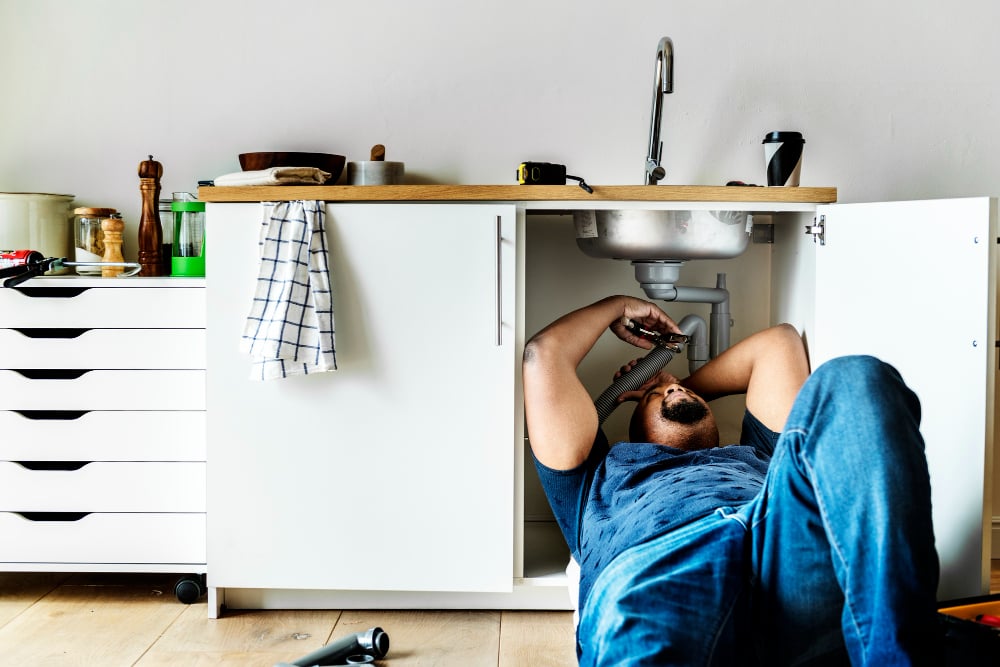
Under Dutch law, the small, everyday repairs are yours to sort and pay for, while the landlord handles groot onderhoud (major maintenance) like the roof, the boiler, or a burst pipe.
Helaas, this means you’ll need to whip out the elbow grease when it comes to minor, fiddly stuff, such as replacing a showerhead or lightbulb. Not super handy? You’ll need to pay for a handyman to come over and fix these for you — on your own dime.
5. They can move back in whenever they’re done travelling
While the diplomatenclausule (diplomatic clause) might have a wonderfully dramatic name, you don’t need to be a diplomat for it to apply to you.
If you’re subletting a room or flat in the Netherlands, your rental agreement very well may have a diplomatic clause built in. But what exactly is this clause, and why does it sound like something born in the deepest depths of Dutch bureaucracy?
READ MORE | 9 kooky things about renting in the Netherlands
In simple terms, it covers a situation where a landlord wants to rent their property out for the short term (such as a summer abroad), and have it back when they return.
It’s not uncommon to see sublet listings for one to three months, typically during holiday periods.

The Rijksoverheid lists the diplomatic clause as a legitimate reason to end a tenancy, so long as the term was baked into your contract from day one.
Agree to that clause, and you’ve agreed to hand the keys back on cue — yes, even if you’re desperate to extend your lease.
Which of these caught you off-guard when you first moved to the Netherlands? Do you have any weird-but-legal things to add to our list? Share your thoughts in the comments below.