

Picture this: you and your Dutch friend are talking about politics, and they start rattling off the names of Dutch political parties. You wait for them to stop, but they keep going. And going. And going.
For a brief minute, you wonder if your friend’s voter list is as long as a restaurant menu from an episode of Gordon Ramsay’s Kitchen Nightmares.
What is it?
Okay, okay — we jest, the Dutch don’t really have an “extreme” number of political parties. (So you can put those pitchforks down! 😉)
However, to someone unfamiliar with the Dutch political system, the range of possible voting options might seem quite vast.
READ MORE | 15 dang smart things Dutch people do
After all, between a party for animals (Partij voor de Dieren or PvdD), a couple of religious ones such as the ChristenUnie (CU), Christen-Democratisch Appèl (CDA), and Staatkundig Gereformeerde Partij (SGP), and one that focuses on going green (GroenLinks or Green Left), the Dutch are spoilt for choice.
Why do they do it?
Chalk it up to Dutch pragmatism (or perhaps pillarisation), as the Netherlands uses a party-list proportional representation system.
READ MORE | Dutch municipal elections 2026: a guide for internationals (yes, you can vote)
This means that multiple candidates can be elected to seats in the parliament, and voters have a certain amount of influence over which of a party’s candidates are elected.
This is in contrast to the first-past-the-post system used in many countries, where the candidate with the most votes wins the election, even if they’ve received far less than 50% of the total votes.
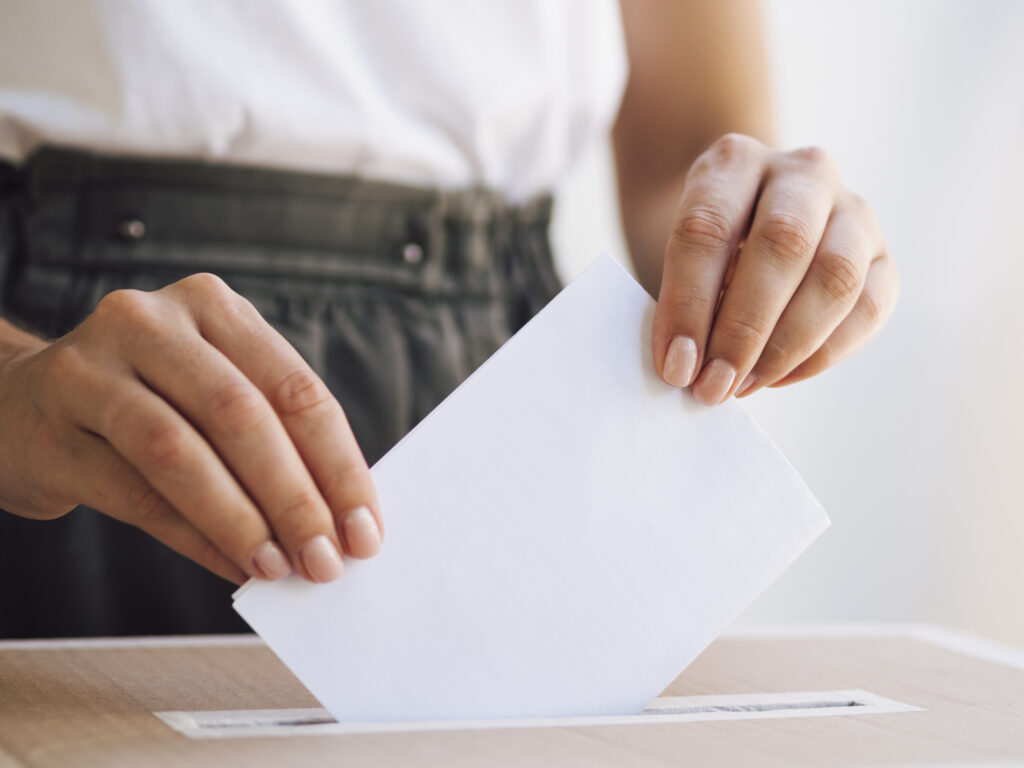
Another factor is the ease of setting up one’s own political party, which is comparatively simpler in the Netherlands than it is in many other countries.
Aspiring politicians can register their party with the Electoral Council, draw up a notarial deed, and pay a political party registration fee (which ranges from as much as €450 to €112.50).
Why is it quirky?
Those of us from countries with countless political parties that can’t figure out how to butter toast without some bribery or corruption on the side may think the Dutch could use a few more political parties. (Wrong! 🙅🏻♀️)
READ MORE | 5 weird Dutch parties: when politics got freaky
On the other hand, people from countries with different political systems may be scratching their heads and wondering why the heck the Dutch have so many parties.
However, this is just an example of the Netherlands at its pragmatic best, as this system offers voters more options than a choice between Somewhat Unreliable Candidate #1 and Somewhat Unreliable Candidate #2.
Should you join in?
Well, that depends!
Perhaps you’re sick of having your bike stolen and want to start your own party to make it legal to lock bike thieves to the Erasmusbrug? (We understand the sentiment. 🤬)
With an extreme number of already-existing political parties, your Partij Tegen Fietsendieven (Party Against Bike Thieves) would just add to the range of choices that prospective voters already have.
READ MORE | Take it from a former thief: this is how you can prevent your bike from being stolen
If enough people vote for the PTF, well… hoera, you’ll find yourself a seat in parliament!
On the other hand, if you prefer having a relatively small number of political parties, then the Dutch system is definitely not the one for you.
What do you think of this Dutch quirk? Tell us all about your thoughts in the comments below!