

Buying and driving a second-hand car in the Netherlands comes with a few advantages. They are usually cheaper to buy, more sustainable, and you might find reduced costs elsewhere.
But like the rest of the Netherlands, getting a car (whether it is new, second-hand, electric, hybrid, or fuel) is not always cheap.
If you are looking for something casual to get around or if you are strapped for cash, a €60,000 Tesla might be a bit too much. Most Dutchies buy second-hand cars, so it may be in the cards to purchase one yourself.
So what are the costs you need to know when buying and driving a second-hand car in the Netherlands?
Looking for a reliable second-hand car in the Netherlands? Carvendo helps you compare trusted listings, check vehicle histories, and find the best deal for your budget. Their team works with certified dealers across the country, making it easy for internationals to find a reliable used car without the guesswork.
Initial purchase costs of your second-hand car in the Netherlands
An obvious cost, but the most prominent one.
The initial purchase cost is likely to be the biggest expense when buying a second-hand car in the Netherlands.
READ MORE | Buying a car in the Netherlands: 6 things to know
When buying a second-hand car, the price is determined by the vehicle’s condition.
These include the type of engine (internal combustion, hybrid, electric), the size of the car, the age, the mileage, battery health for EVs, and more.
Second-hand cars in the Netherlands can cost anywhere from a few thousand euros to well over €40,000, depending on the model and condition. Market conditions and inflation also influence prices.
Financing your second-hand car
If you are planning on buying and driving a car in the Netherlands but you are unsure of how much everything will cost, there are a few financial aid options for internationals:
-
Bank loan: Some banks are willing to loan you money to buy and even help maintain a second-hand car in the Netherlands.
-
Car dealerships: Some car dealerships make adjustments or deals in their pricing to make it easier for customers to buy their cars.
-
Leasing a car: It’s also possible to lease a car. You pay a fixed monthly fee, which includes maintenance, taxes, and insurance, but the car won’t be your property.
Running costs of your second-hand car in the Netherlands
These are the costs associated with day-to-day driving. While they may not be as hefty as the initial purchase, running costs can rack up over time.
Fuel and charging costs
To make sure your second-hand car actually runs, you will need fuel or electricity.
Fuel prices in the Netherlands remain on the high side and fluctuate frequently. Petrol and diesel currently sit above €2.30 per litre, especially along motorways.
Electric charging costs vary depending on whether you charge at home, at a public charger, or at a fast-charging station, but home charging generally offers the lowest rate.
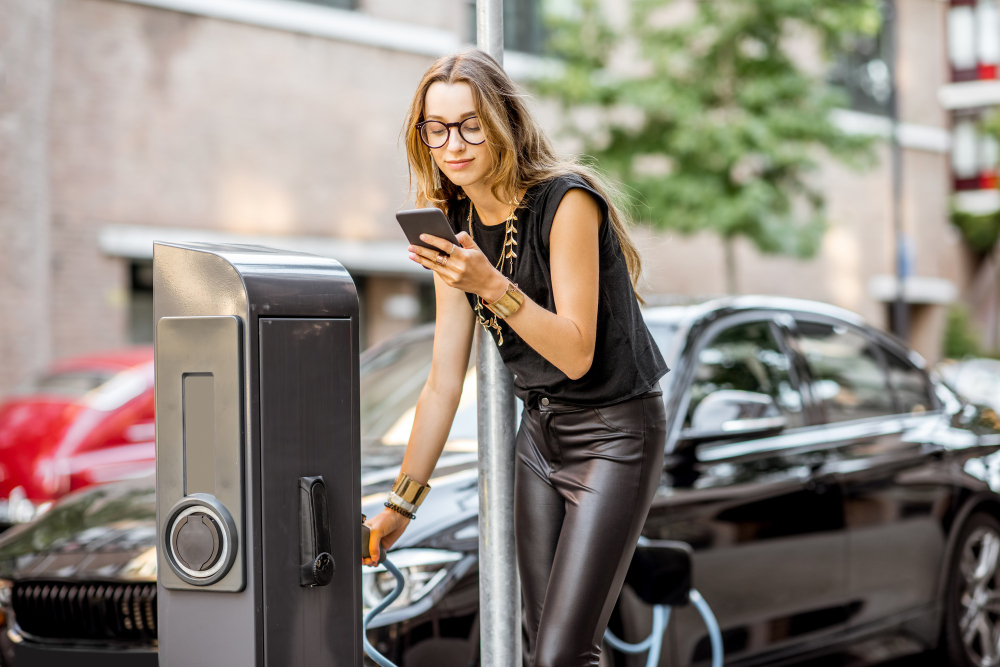
Your monthly fueling/charging costs depend on a lot of things: how often you’re driving in a week, how far you’re driving, where you’re driving and refuelling/recharging your car, and of course, current fuel/electricity prices.
Once you have had your car for a few months, it becomes easier to calculate your average monthly spending.
Tip: If you’re looking for somewhere to refuel or recharge your second-hand car in the Netherlands, there are plenty of handy resources. You can find the cheapest fuel prices and also check for available charging stations all around the country.
Road tax (MRB)
Road tax in the Netherlands is called motorrijtuigenbelasting (MRB). This is the ongoing tax you pay to keep your vehicle legally on the road.
The rate depends on the vehicle’s weight, province, and fuel type. Petrol cars generally pay less than diesel cars, and fully electric cars currently benefit from a reduced rate.
It is important to note that MRB is not the same as BPM (the Dutch private motor vehicle and motorcycle tax).
BPM is a one-time tax paid when a vehicle is first registered in the Netherlands. When you buy a second-hand car already registered in the country, BPM has usually already been paid by the first owner.
Dutch car insurance
Getting the right car insurance is an essential part of buying and driving a second-hand car in the Netherlands. Insurance policies cover the car, not the driver, so anyone with a valid licence may drive your insured vehicle.
By law, you must have third-party insurance (WA-verzekering) to cover any damage or injury to others caused by the car. There are a few requirements for getting insurance for your car:
-
You must be a Dutch resident
-
You have a Dutch car or imported a foreign car
-
The car has a valid licence plate
Because the vehicle is insured rather than the person, it’s only possible to insure one vehicle per insurance policy. Some companies offer discounted insurance rates on extra vehicles.
In the Netherlands, car insurance usually costs between €30 and €100 per month, depending on factors like your age, driving history, postcode, car type, and level of coverage. New drivers and expats without Dutch no-claim years often pay more.
There are three main types of car insurance in the Netherlands:
-
Third-party liability (WA-verzekering): This is the mandatory, minimum level of vehicle insurance in the Netherlands. It covers damages caused by your car to other vehicles, property, and injuries to others. This insurance works if you drive an old or inexpensive car, or if you don’t drive often.
-
Extended liability (WA beperkt casco): This insurance covers damages caused by your car (as previously mentioned) and damage to your own vehicle in circumstances beyond your control, like theft, vandalism, fire, storm damage, and collision with animals.
-
All-risk (allriskverzekering): This is the most comprehensive insurance; it covers all damage done by and to your car. All-risk insurance is a good option if you have a new or expensive car, as the cost of replacement would be too high.
Parking costs in the Netherlands
While it’s not exactly the easiest or cheapest, parking your car in the Netherlands is relatively accessible.
Parking without a permit
If you have a designated parking space or a garage, you may not need a parking permit. But that does mean you’ll have to pay parking fees if you decide to drive to another part of the city or to an entirely different city.
Say, you go for a drive and need to park somewhere in the city. You can choose to park in a parking garage or somewhere on the street in a legal space, of course.
Payment is usually required at a ticket machine or via a mobile app, like Yellowbrick, Parkmobile, Park-line, and ANWB Parkeren.
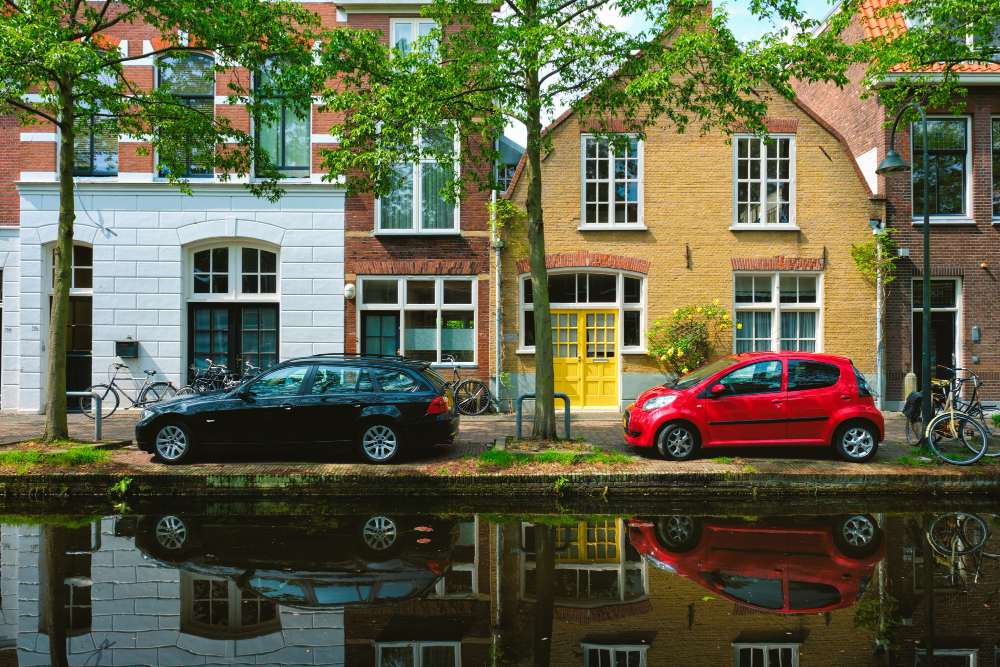
Parking costs in the Netherlands vary hugely depending on where you are.
In smaller towns, you might pay just €1 to €3 per hour, while larger cities like Utrecht, The Hague, and Rotterdam often charge between €4 and €6 per hour for street parking.
In the busiest parts of Amsterdam, parking can cost as much as €7.50 to €8 per hour! (Highway robbery, if you ask us).
Parking permits in the Netherlands
If you don’t have a permanent car parking space or travel with your car often, getting a parking permit is a convenient payment option. This permit is registered to your specific vehicle’s registration number at your municipality.
READ MORE | 7 things to know before owning a car in the Netherlands in 2026
The quarterly or yearly payments for a parking permit vary depending on where you live and whether or not there is a waitlist.
For example, a parking permit in The Hague costs €97.05 for one car at one address in 2026, whereas it costs between €41.37 and €160.80 per quarter in Utrecht.
Getting a permit for a second car usually costs even more.
Tip: There are some areas with blue curbs, known as “blue zones”, where the municipality doesn’t enforce paid parking. You just have to display a blue parking disc, which you can buy at gas stations, tobacco stores, and police stations and use for any blue parking zones in the country.
Roadside assistance in the Netherlands
When buying and driving any car in the Netherlands, you may sometimes run into trouble when you’re on the road. If you have car problems, you can ask for roadside assistance anywhere in the country.
There are a few companies that offer towing services and repairs that’ll get your car back into shape for driving.
ANWB offers the most popular roadside assistance service with the following rates for regular membership in 2026:
| Basic | Standard | Complete | |
| Per month | €6.50 | €10.70 | €13.34 |
| Per year | €74.25 | €122.25 | €152.40 |
They have other membership offers you might find useful. For example, you can get a youth benefit membership or a partner advantage if you want to have roadside assistance ready for your partner.
There are also membership options for roadside assistance across all of Europe — but of course, this is more expensive.
Buying a second-hand car should feel safe and secure. With Carvendo, every eligible car comes with a 12-month or 12,000-kilometre guarantee, giving you extra peace of mind on the road. It’s a simple and reliable way to make sure your new set of wheels stays in top shape. ⚡️
Maintenance costs of your second-hand car in the Netherlands
These are the costs associated with making sure your second-hand car is fit to drive on a day-to-day basis.
Periodic vehicle inspection (APK)
Algemene periode keuring (APK) or periodic vehicle inspection is an annual or bi-annual maintenance check to make sure your vehicle meets road safety and environmental standards.
APKs are compulsory in Europe and are carried out by professional inspectors (so no worries about doing them yourself). After the APK, you receive an inspection report of your car.
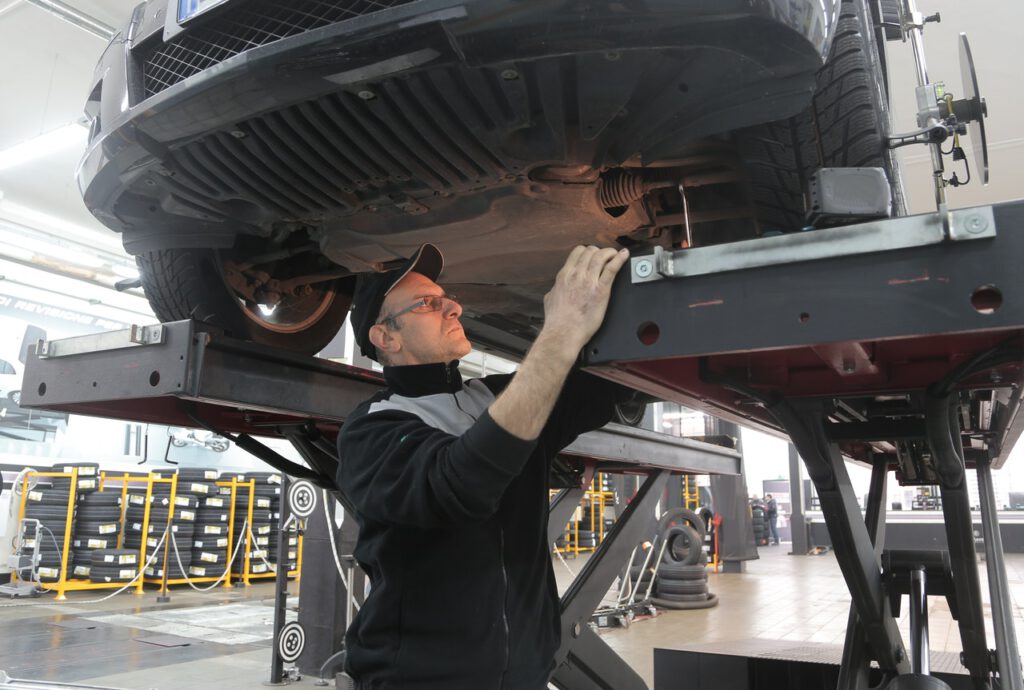
You can check with the Dutch Vehicle Authority (RDW) to see when, how often, and where to get an APK for your second-hand car.
The prices for an APK can vary from as low as €20 to as high as €70 every year or every other year.
However, on average, APK costs fall between €30 and €60, depending on where you can take it.
Most common replacements and maintenance
Part of buying and driving a second-hand car in the Netherlands is maintaining and replacing parts that need a little extra TLC.
Battery replacement
Batteries are essential to second-hand electric and hybrid cars — and sometimes they need maintenance or even replacement.
Depending on your second-hand electric/hybrid car model and its battery, the price of replacements varies.
For example, a battery for a Tesla Model S can cost roughly €13,000 to €20,000, while a battery for a Chevy Volt costs between €3,700 to €9,300 instead.
You can check with your chosen car repair and maintenance shop to see which batteries are available and how much it costs to buy the battery and get it installed in your car.
Tire replacement and maintenance
In the Netherlands, mechanics usually advise drivers to replace all of their tyres every three to four years, even if there aren’t any obvious signs of wear or damage.
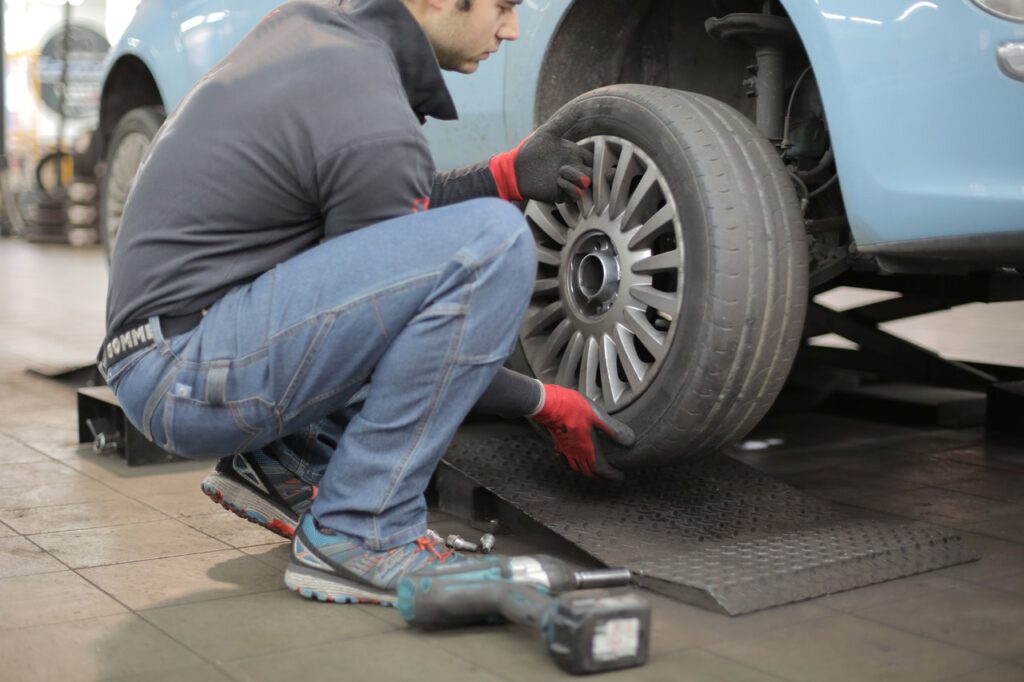
Of course, you can get the replacement at your usual car repair and maintenance shop. The tyre replacement cost and services depend on your shop, but it ranges between €60 to €360 per tyre.
Charging system repair and replacement
Likewise, with a car battery, you might find your second-hand car has some hitches with the charging system, especially if the previous owner or you charged the car often.
For example, the wiring could have corroded or loosened, or a fuse could have blown. Whatever the issue is, car mechanics can resolve it. The exact costs depend on your car repair and maintenance shop.
You can also completely replace your charging system.
Cost-wise, the charging system depends on your second-hand car as well. A new charging system could cost between €800 to €2,700, depending on which station fits your car best.
How to estimate total monthly car ownership costs
Before buying a second-hand car, it helps to work out how much you will spend each month. A car comes with several recurring costs, and these can add up quickly.
The main expenses are fuel or charging, road tax, insurance, parking, and general maintenance. Once you know these five figures, you can make a realistic monthly budget.
READ MORE | 11 money-saving hacks for life in the Netherlands
Fuel or charging costs depend on how far you drive and current prices.
Road tax varies by weight, province, and fuel type, while insurance depends on your car and coverage level.
Parking can be a major cost if you live or travel in busy cities. Maintenance includes the APK inspection and occasional repairs or replacements.
Add these together, and you will get a rough monthly estimate. For many drivers in the Netherlands, this total sits somewhere between €200 and €450 per month.
This was your comprehensive overview of every cost to keep in mind when buying and driving a second-hand car in the Netherlands.
Once you’ve settled on all these finances, you’re ready to have your own second-hand car. Happy driving!
Are you planning on buying and driving a second-hand car? Share with us your best car-purchasing tips!
Some things to note: In the Netherlands technically the car is insured, not the driver. But the insurance is void if the driver is unlicensed, drugged or drunk or shouldn’t be driving due to medical conditions. If the car doesn’t have a valid APK (Annual check) you may also encounter problems when you’re trying to claim.
You have to pay taxes and arrange insurance as soon as you register a car to your name. Failing to do so will automatically result in high fines. And by “automatically” I do mean that computers keep track of who has which car and if that car is insured and all taxes are paid. But you can also get pulled over by the police if they suspect that your car doesn’t have insurance or a valid APK.
It’s also worth mentioning that fines in the Netherlands are extremely high:
Running a red light driving a car € 250
Parking in a handicapped spot without license €400
Not wearing a seatbelt €150
Holding a phone or other mobile device while driving €350
If you’re thinking about buying a car, you must know that cars with Diesel engines are very heavily taxed and you may find that you aren’t even allowed to use that car in a lot of cities. The difference in taxes between a diesel or petrol car of the same make and model can run up to €700 per year more for the diesel. Diesel cars are more fuel efficient than petrol cars and diesel fuel is a lot cheaper than petrol, but the taxes make them very expensive. So unless you’re going to drive a lot of kilometers, diesel cars are too expensive.
Hello, I have a doubt. From what I read in belastingdienst, road tax is actually MRB (Motorrijtuigenbelasting) and depends more on the weight of the vehicle. BPM indeed depends on the CO2 emission, but is only paid for the purchase of a new vehicle and only paid one time during the purchase. Is this correct?
Hello! If you are uncertain about anything after reading the article, you can check out the information on the official government site https://www.belastingdienst.nl/wps/wcm/connect/bldcontenten/belastingdienst/individuals/cars/bpm/calculate_and_pay_bpm/bpm_tariff/bpm-tariff-passenger-car