
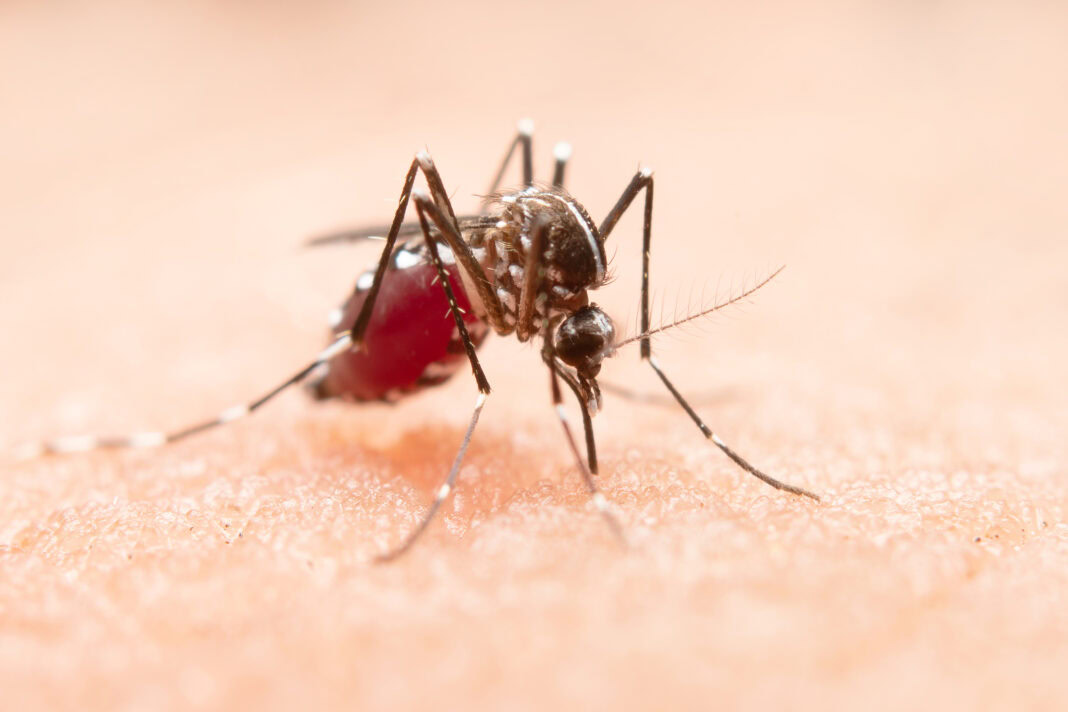

West Nile infections in the Netherlands have now climbed to 18, reports the RIVM, with a third person now confirmed dead.
That’s nine new cases since the Dutch health institute’s last update on September 3, and double the number of cases since last week.
The virus has spread to more provinces
In the latest update, RIVM notes that the virus has spread to two more provinces. Alongside infections detected in Utrecht, North Brabant, North Holland, and South Holland, new cases have been found in Overijssel and Gelderland.
Previously, it was reported that a woman caught the infection in Drenthe, but this was later confirmed to be incorrect. While the woman was a Drenthe resident, she picked up the virus in Southeast Europe.
Animal infections are also climbing
Human infections aren’t the only ones on the rise, with RIVM data showing a dramatic spike in West Nile virus cases in birds and horses.
Since last Thursday, the number of infected horses jumped from 5 to 58, while infected birds rose from 6 to 39.

Of the birds tested last week, 23 died of the virus. Researchers noted an especially “high mortality” among corvids (birds belonging to the crow family, such as crows, ravens, magpies, and jays).
How worried should you be?
Not very, say experts.
The virus is only transmitted by mosquitoes, so you’d need to be bitten by an infected mosquito to catch it. And this mosquito would need to have previously bitten an infected human, bird, or horse, making your chances of infection rather small.
Among those infected, the RIVM notes that 80% will have no symptoms. Only 1% of infections lead to serious illness, where patients may develop encephalitis or meningitis.
That said, severity rises among people over the age of 50 and those with compromised immunity. If you belong to this group, you may want to take extra precautions, such as covering up when mosquitoes are most active, using mosquito repellent, and sleeping under a mosquito net.
Want to make sure DutchReview pops up on your news feed more often? Just add us as a preferred news provider, and we’ll handle the rest.