
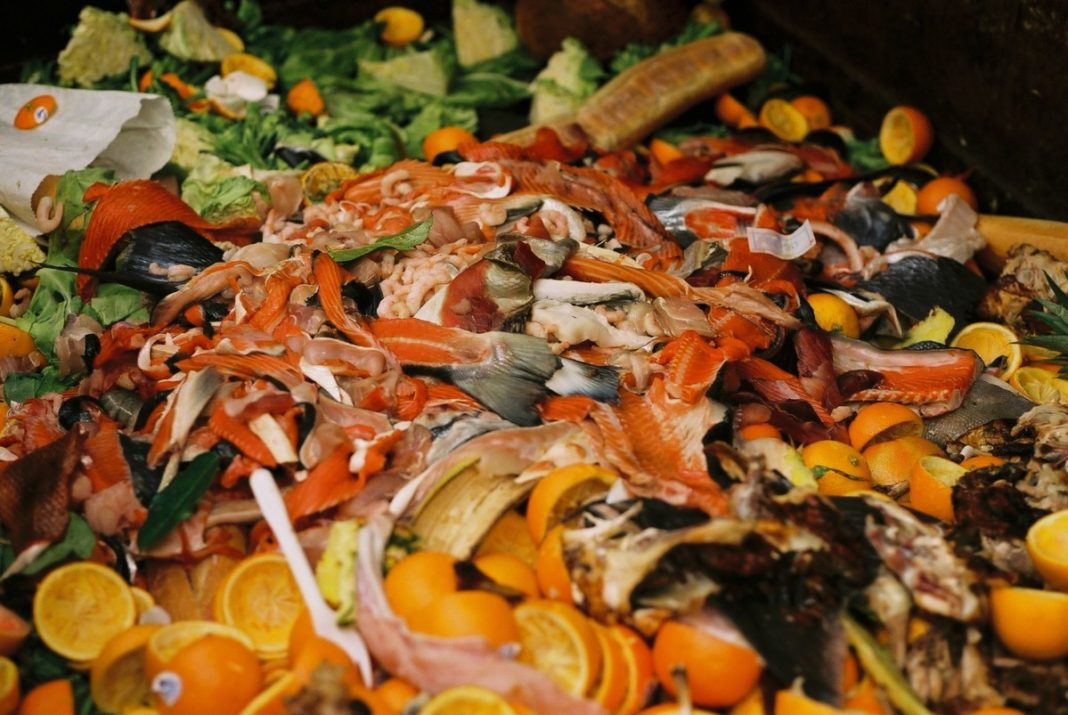

Doggy bags have become a more widespread option in Dutch restaurants for those who wish to reduce food waste.
Doggy bags, also sometimes referred to as left-over bags, are the bags you ask remaining food at the restaurant to be packed in so that you might finish it later, at home. The term of doggy bag has a euphemistic origin, implying that the food you take home will be fed to your pets. Listen, we love our pets, but they’re not getting our restaurant grade food.
More and more people are getting doggy bags
According to research from Nature & Environment, 46% of Dutch were offered a doggy bag in a restaurant, compared to 27% 5 years prior. This is an important development, as Netherlands has a high rate of food waste, with the entire food chain of the country producing 5 million kilograms of food waste every day.
Restaurants want to reduce food waste
Restaurants have been moving towards the trend of reducing food waste, with some of them making it obvious for customers that there are doggy bag options, such as by placing #wastefree stickers in their venues. Embarrassment might have prevented some clients from asking for doggy bags before, over the concern that they might seem annoying.
Smaller portions also being offered by restaurants
Smaller portions in restaurants have also become more common, and this is in tune with the desire to fight food waste. The latest survey by Nature & Environment shows that 80% of respondents state that they are actively involved in combating food waste, a 10% increase from 2017.
Young people take the lead in bringing or using doggy bags, with 35% of users being under 30, while only 25% of people over 50 use them. Before a wave of #okboomer comments, this is probably the case simply because young people tend to eat out way more often than older people.

Plastic waste is a problem too
Reducing food waste is important, but we recommend that you bring your own doggy bags at the restaurant, preferably something that is re-usable, as to not replace food waste with plastic waste.
Alternative methods to prevent food waste
Another accessible method of reducing food waste is to use an app like TooGoodToGo. Through this app you can access restaurants in your local area and buy off leftover food from them that otherwise would have been thrown away. For a reduced price, you get a much bigger portion of food than you would normally get at those venues. Every order is a bag of surprises, but we do suggest that you bring your own bag if you use TooGoodToGo, or reuse the bag the restaurant gives you for later orders.
What methods do you use at home or in your workspace to reduce food waste? Let us know in the comments.
Featured Image: Taz/Wikimedia Commons