
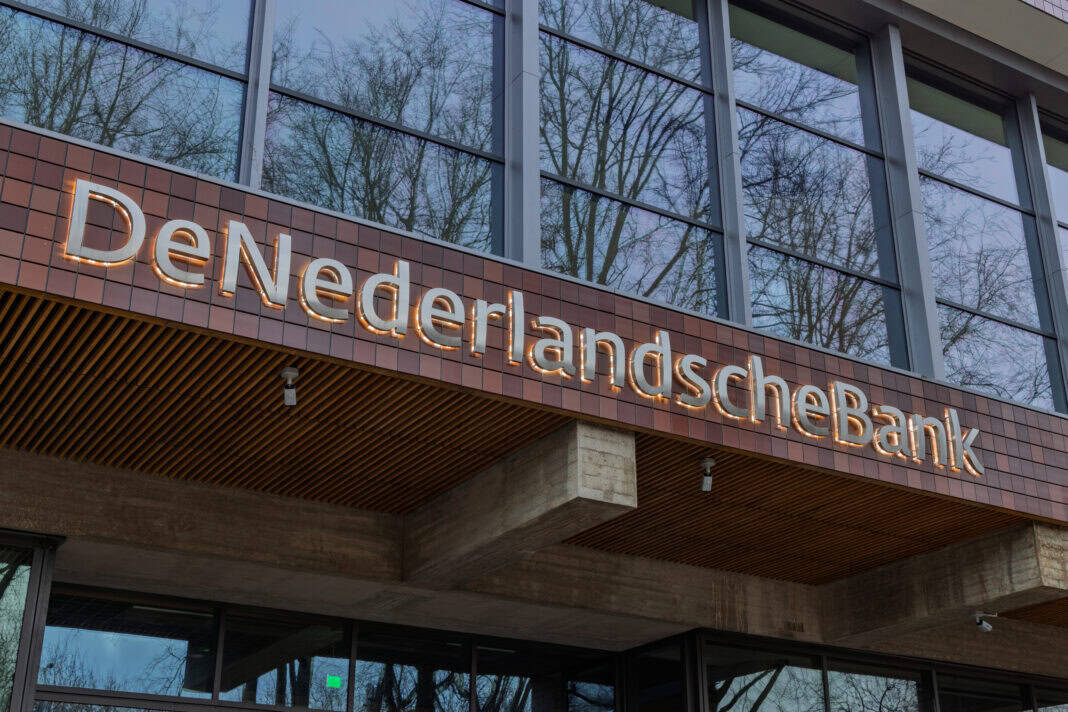
According to DNB (De Nederlandsche Bank) Director Olaf Sleijpen, the latest energy crisis, driven by the ongoing war in the Middle East, could push the Netherlands into an economic crisis.
Sleijpen called the situation for the Netherlands a “code orange, perhaps dark orange,” reports RTL Nieuws.
According to the DNB, high energy prices caused by the foreign conflict create a risk of persistent inflation and higher unemployment. Low-income earners would be most impacted.
In their analysis, the DNB laid out different scenarios: ‘unfavourable’ and ‘severe’. Let’s break them down.
A severe scenario
In the face of persistent war and rising energy costs, the Dutch economy could be severely impacted.
In this situation, high energy costs lead to economic stagnation, RTL Nieuws reports. When economic growth slows, there is a risk of highly increased inflation.

READ MORE | Dutch people are being advised to open multiple bank accounts and take out cash
This domino effect continues: high inflation prompts Dutch workers to demand wage increases, driving inflation even higher. So, even when wages do increase (as DNB says they will in the coming year), pay increases won’t be enough to offset the costs of high inflation.
Ultimately, in this scenario, the Dutch wallet is hit hard, and the average worker’s income declines.
An ‘unfortunate’ scenario
Unsurprisingly, when income decreases, people spend less.
That also means companies suffer and become more conservative in their investments.
While in the severe scenario, the lack of investment spirals and companies across all different sectors are hit, Sleijpen also presented a milder ‘unfortunate’ scenario.

READ MORE | Dutch gas prices surge amid Iran conflict: What does it mean for your energy bill?
In this case, the primary victims are industrial companies. While losing industrial output is far from ideal, it’s a narrower hit than a full economic slowdown.
There is, however, a more optimistic possibility.
Mild scenario
Another possibility is that prices return to normal within the year. In this more positive situation, the domino effect is stymied, and economic growth is not impacted for long.
Inflation would still rise slightly, but the overall economic impact would be far less worrying.
Unfortunately, it all depends on how long this foreign conflict continues. If energy costs are impacted for long enough, the chain reaction of negative economic consequences is hard to avoid.

What now?
For now, says Sleijpen, government intervention should be selective and not immediate. Rather than offering a wide-reaching aid that ultimately does little for the average Dutch earner, any help from the cabinet should specifically support those who need it most.
Furthermore, the DNB has assured the public that, regardless of how the situation plays out, the energy impacts will not be as severe as during the 2022 invasion of Ukraine.
READ MORE | US suspends aid to Ukraine, putting pressure on Europe and the Netherlands in peace efforts
In the end, Sleijpen’s advice is simple: the Netherlands needs to address some of the more familiar economic ‘bottlenecks,’ such as the nitrogen crisis, to give companies room to grow and create better jobs for the population, reports AD.
Alas, that provides limited comfort for Dutch workers in the short-term.
What do you think of the code orange? Let us know in the comments.


in my experience having lived and run a business in the Netherlands for 45 years, when it comes to economic hardship in general the Dutch are masters at tightening their belts and riding the storm. if the Dutch can’t do it no one can and that is a proven record in almost every hardship this little dot on the world map called the Netherlands. Needless to say in the situation we find ourselves in today, I wouldn’t want to be anywhere else but the Netherlands.